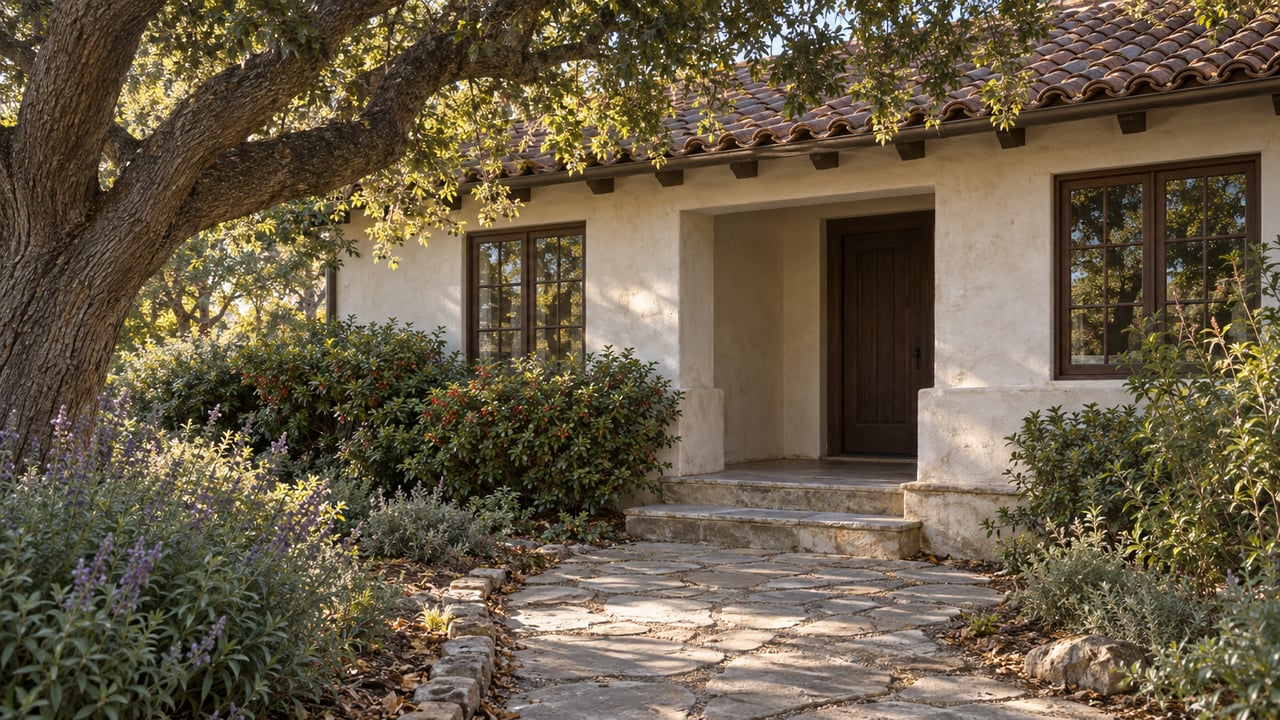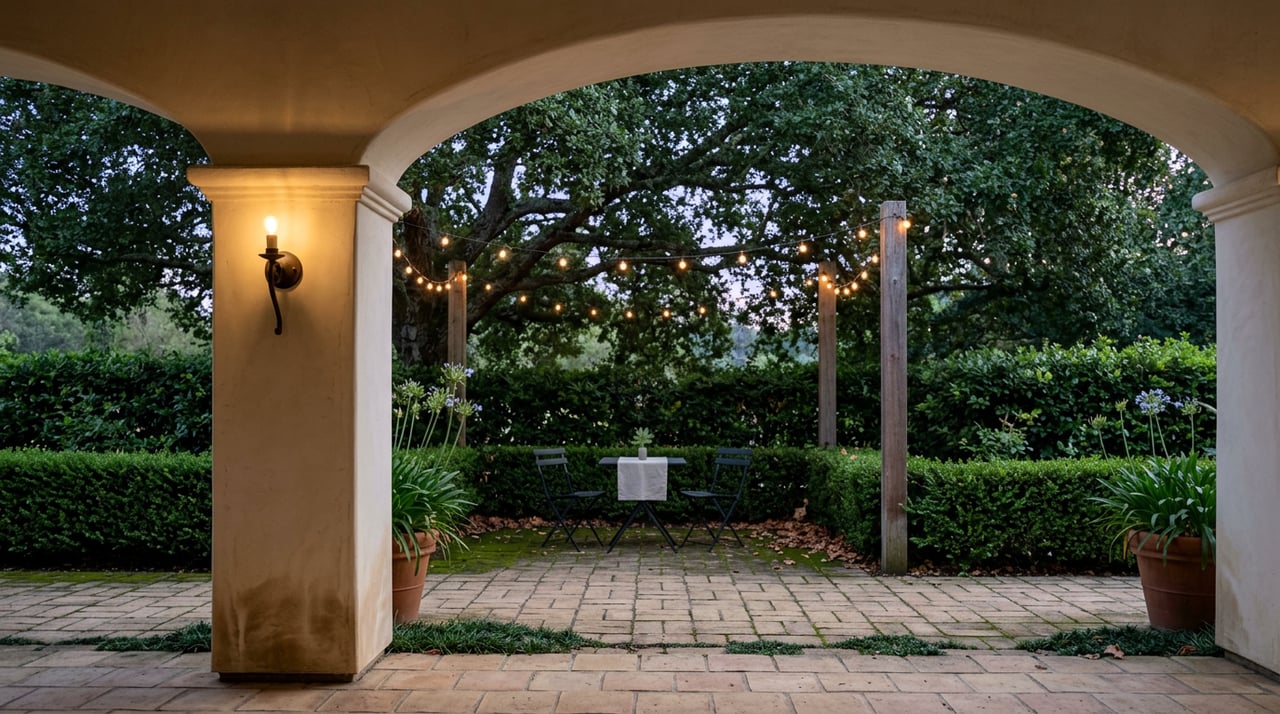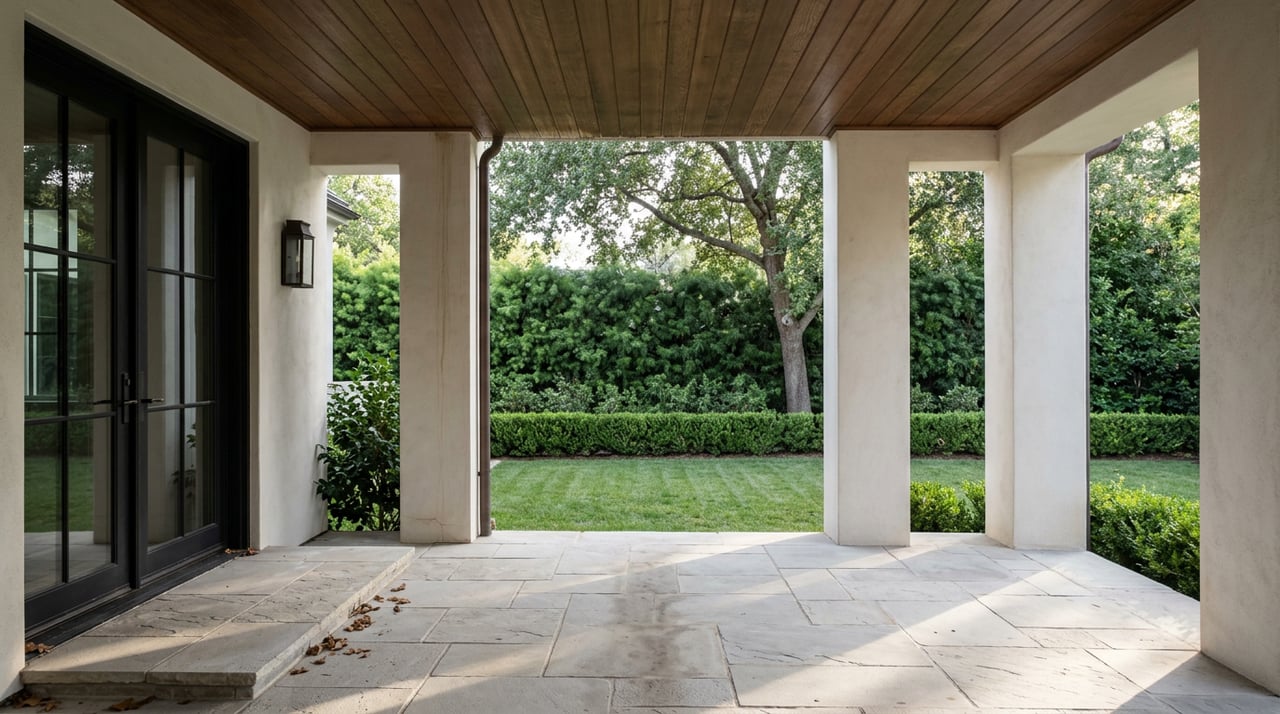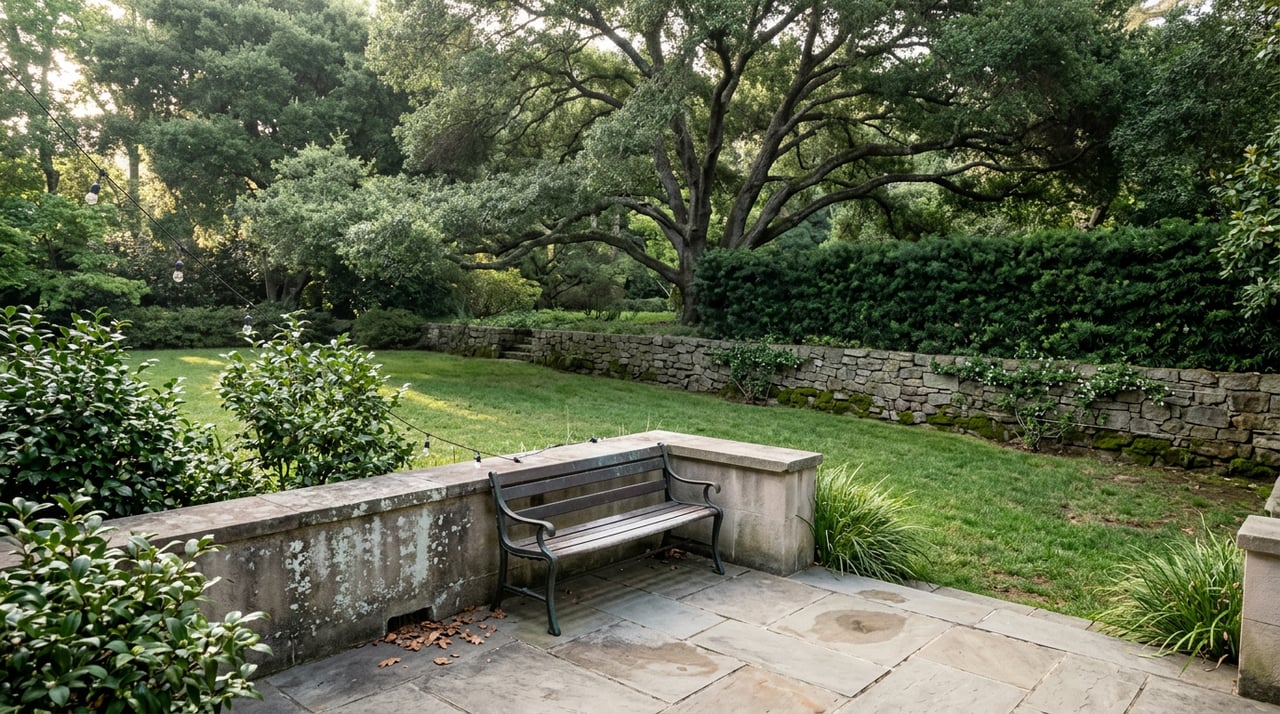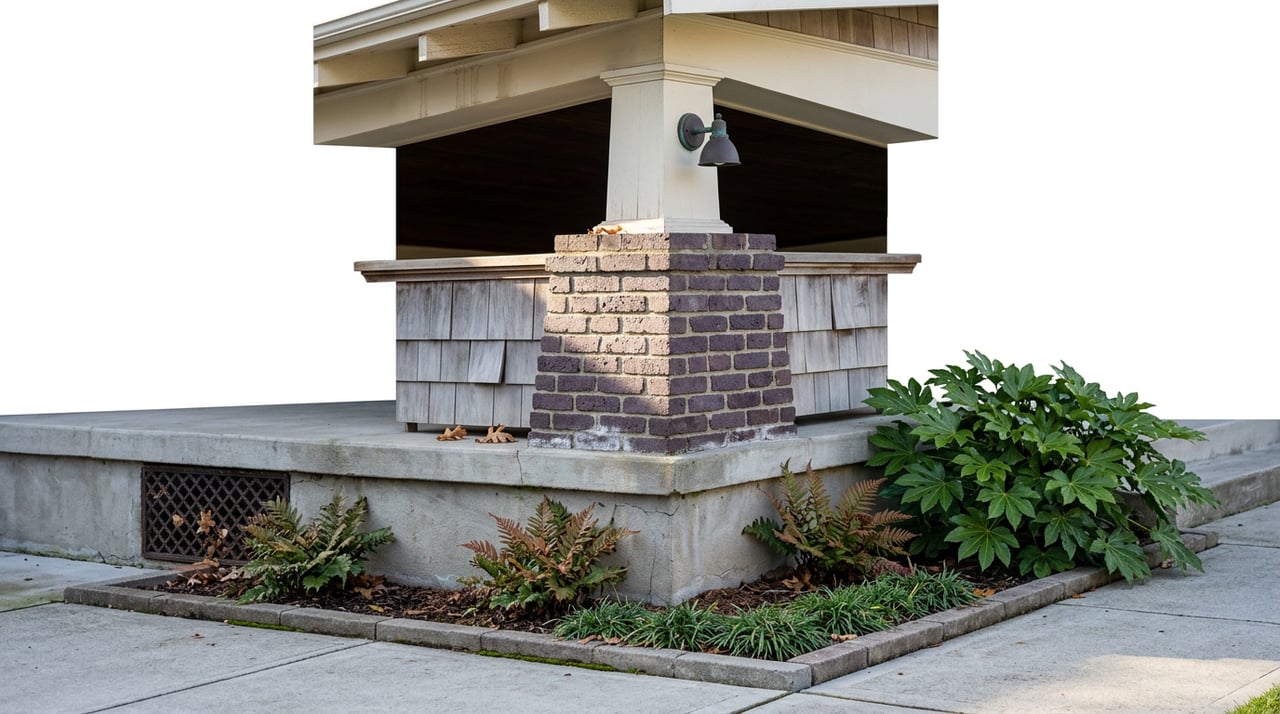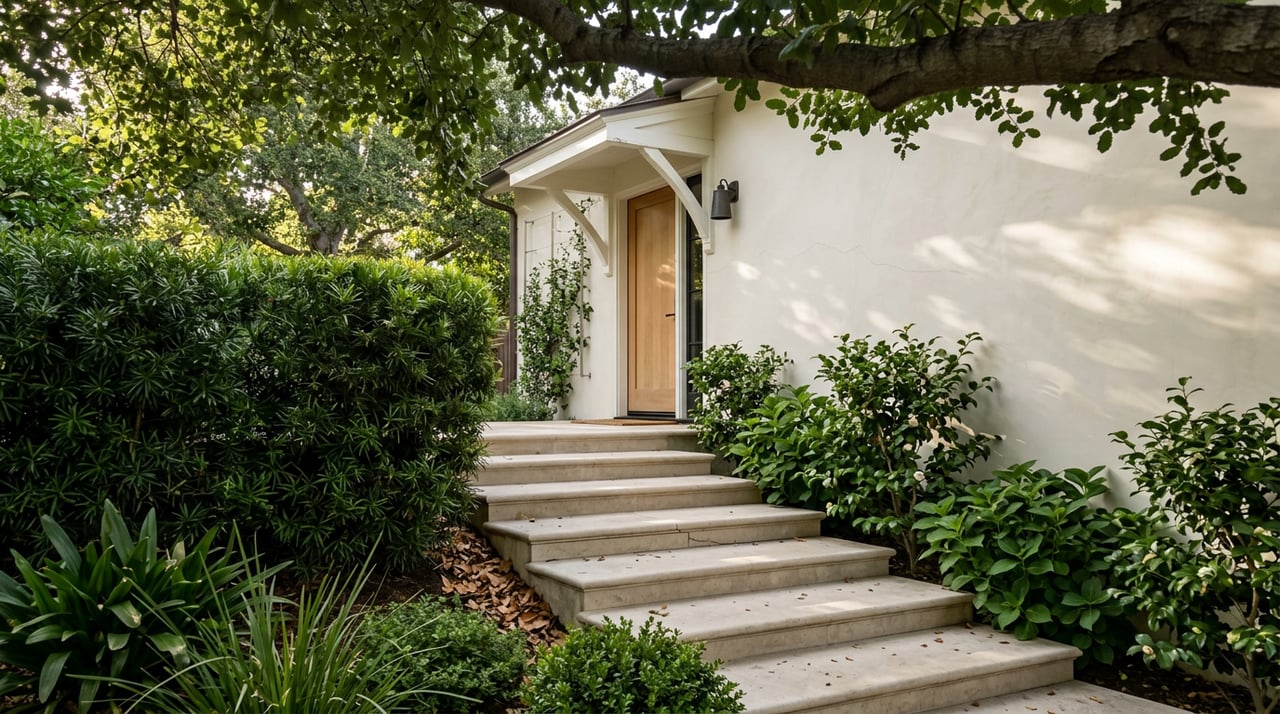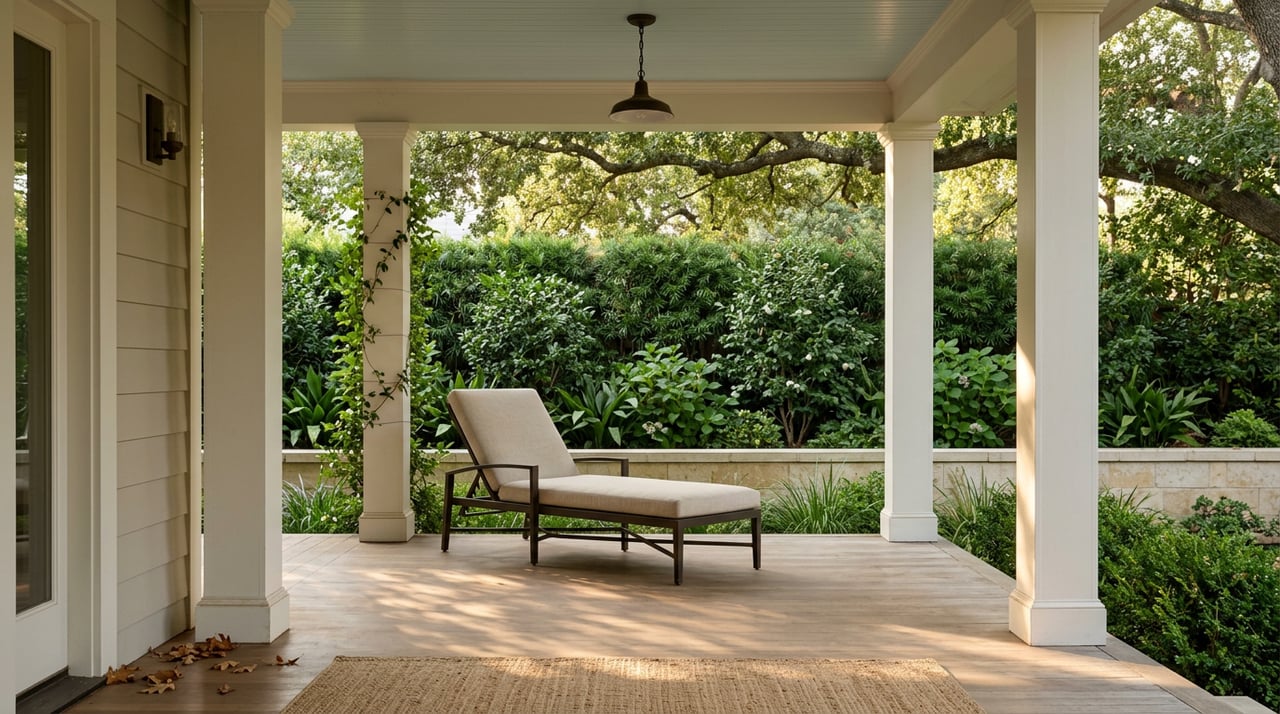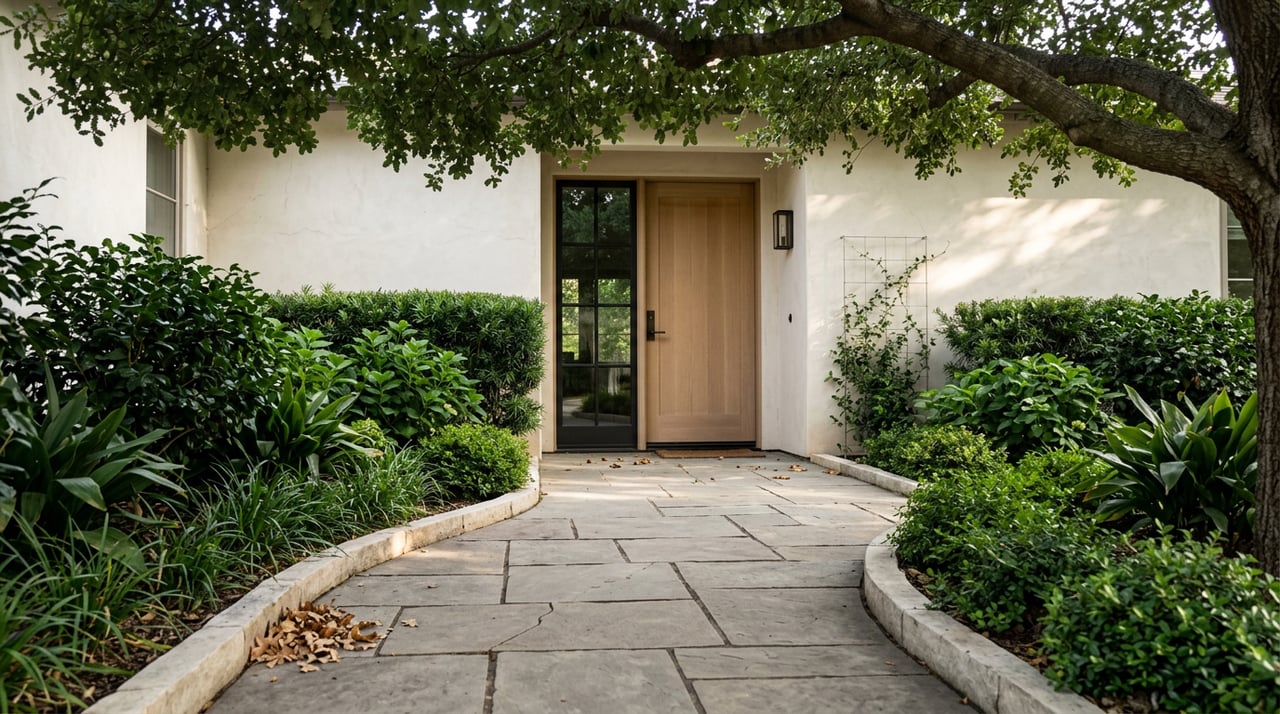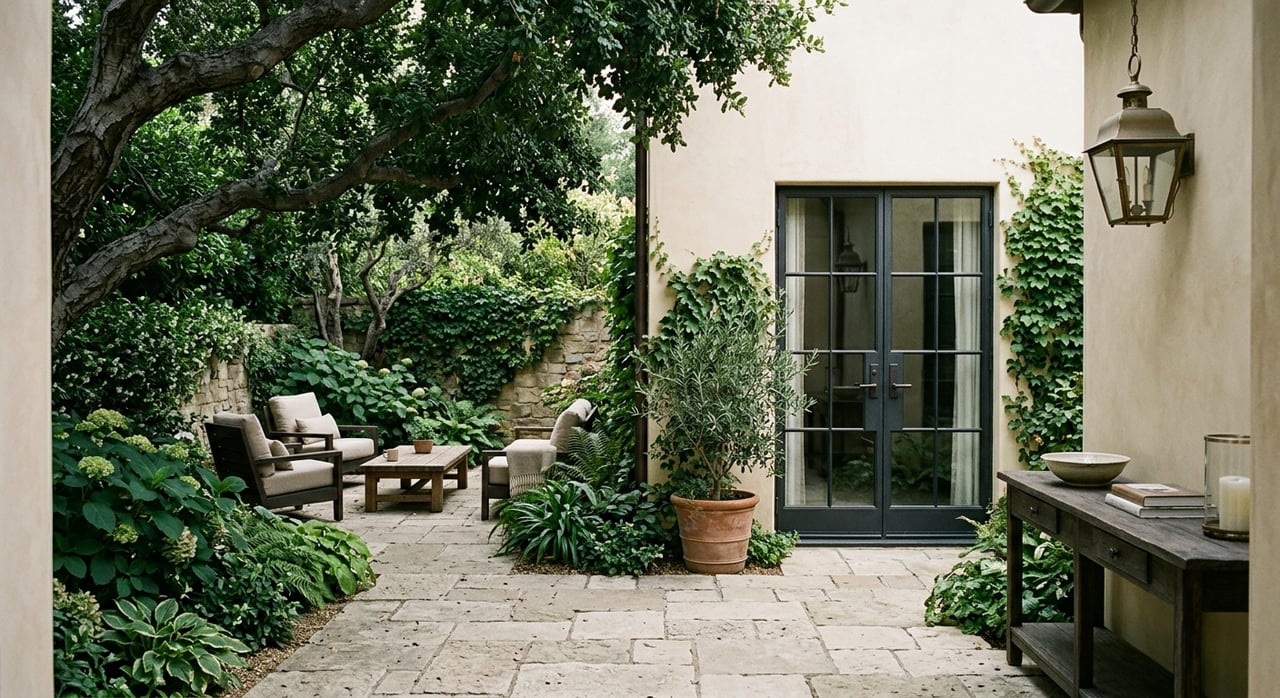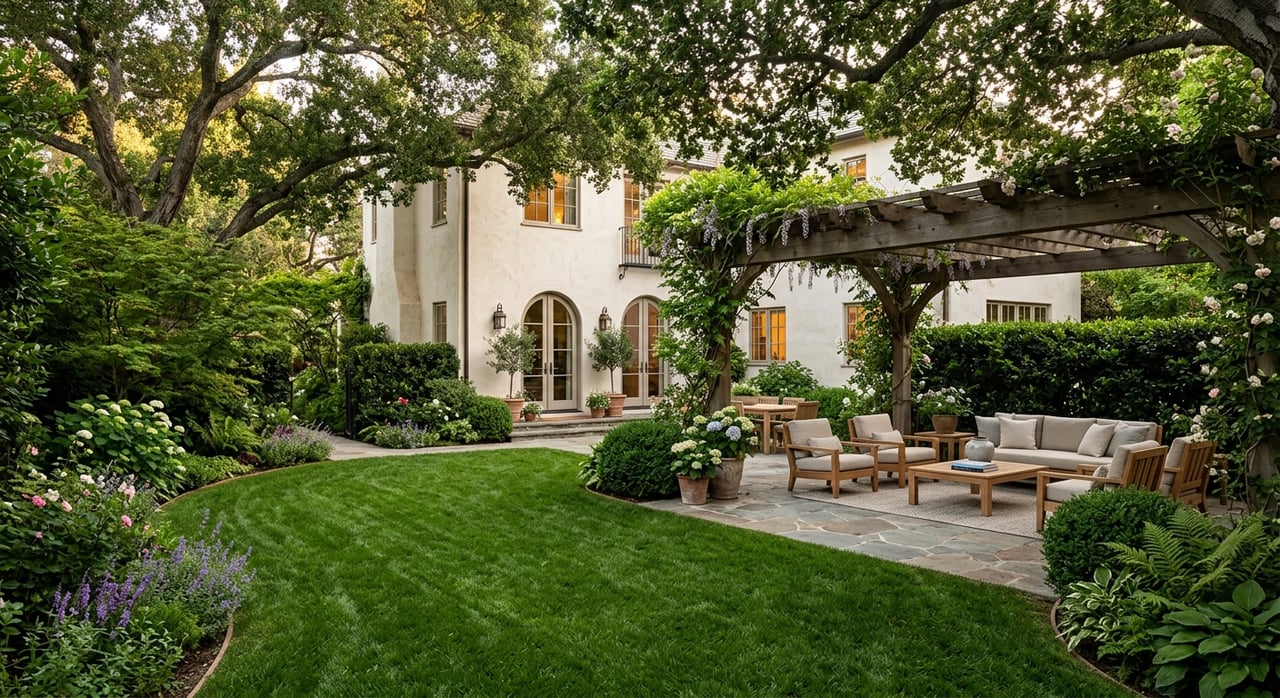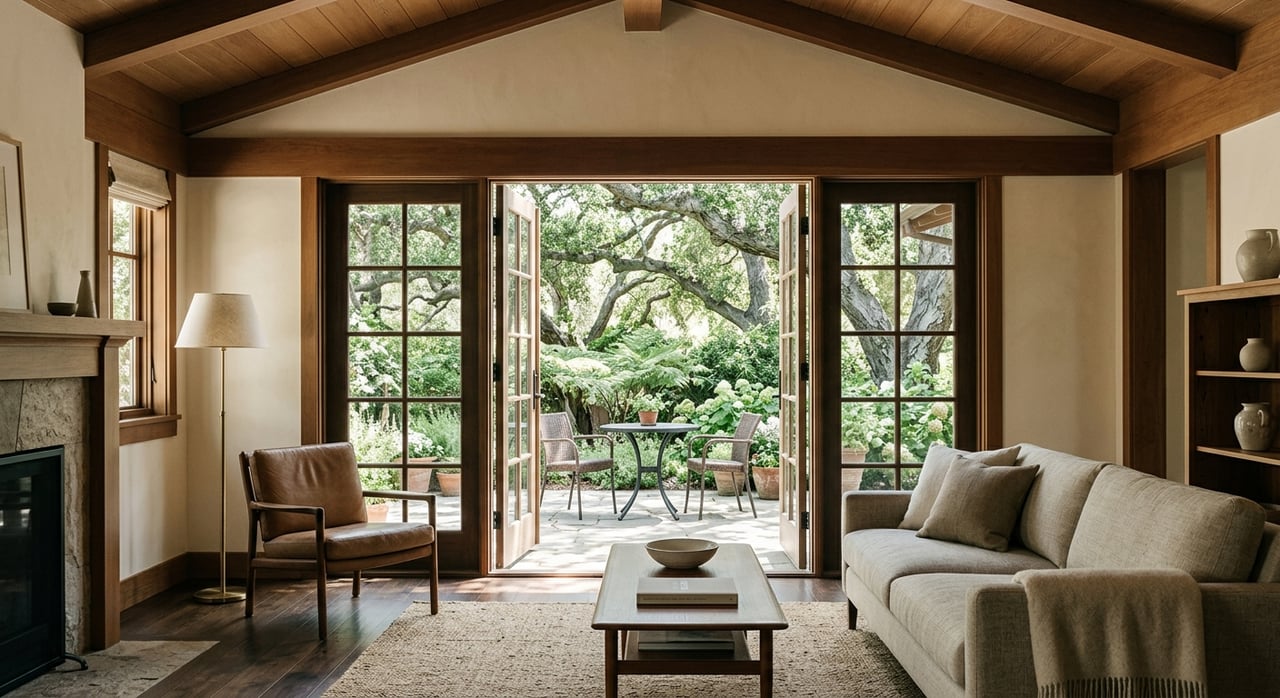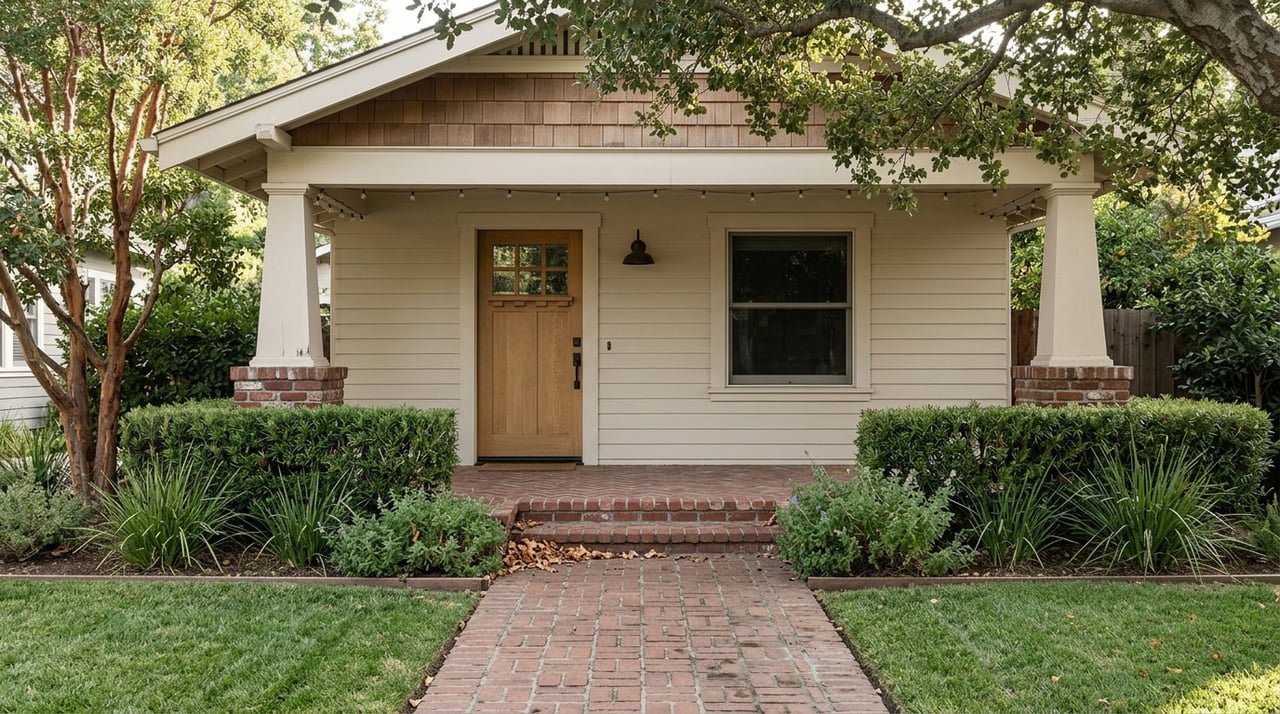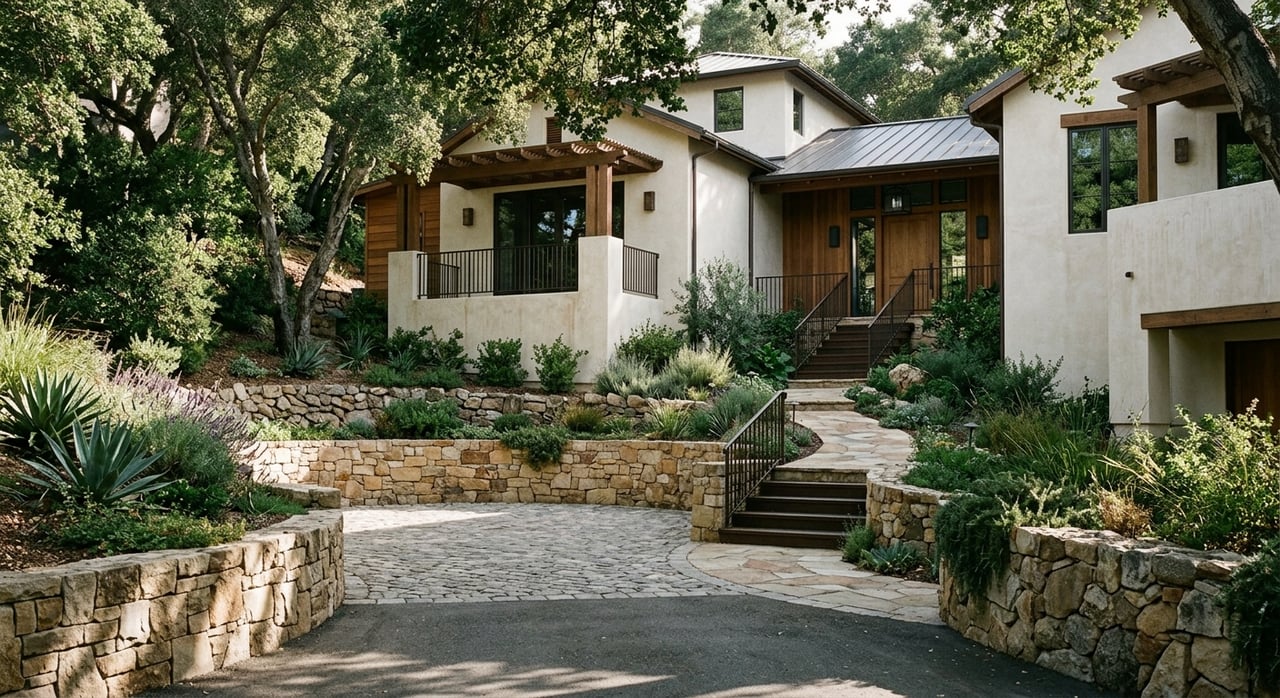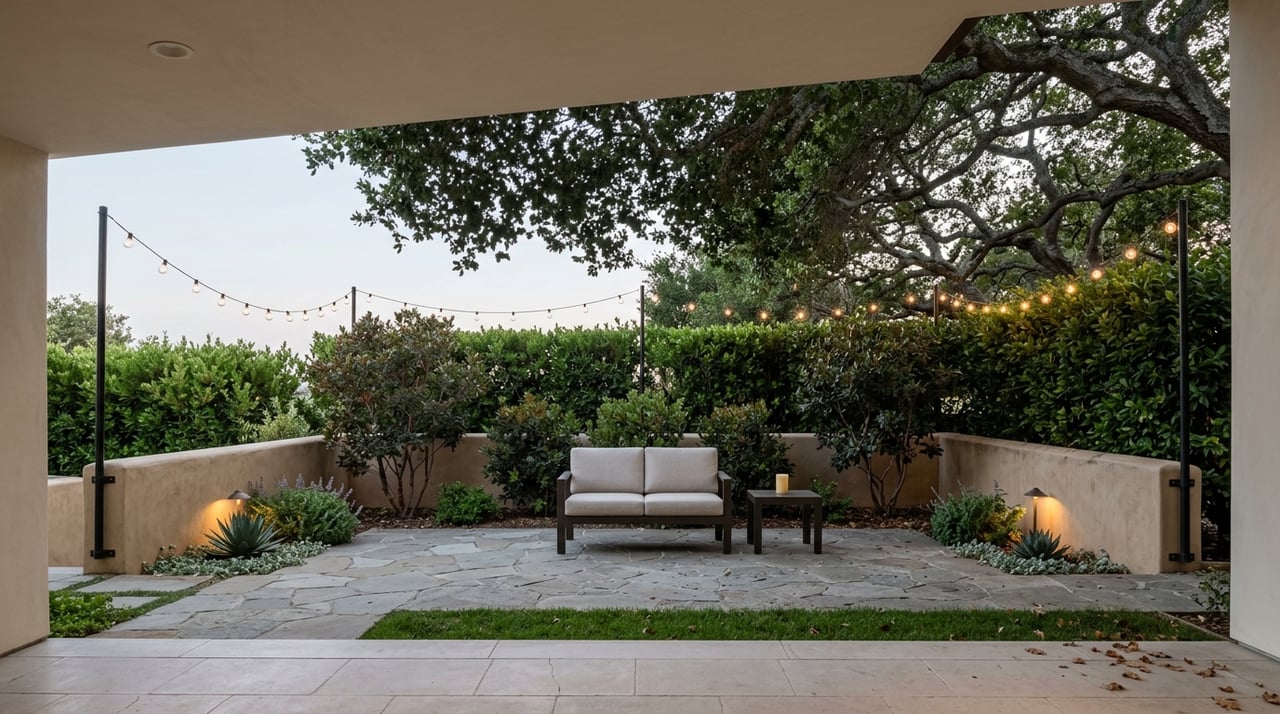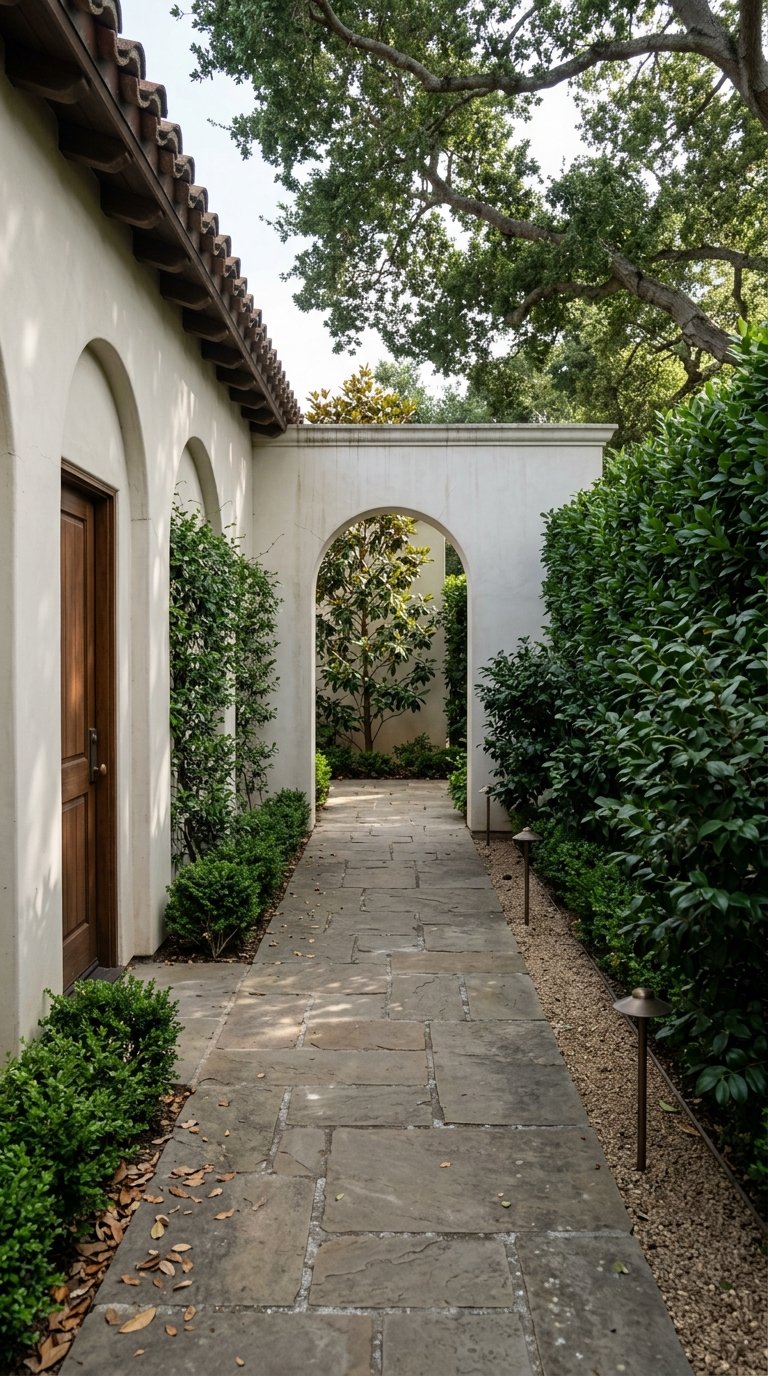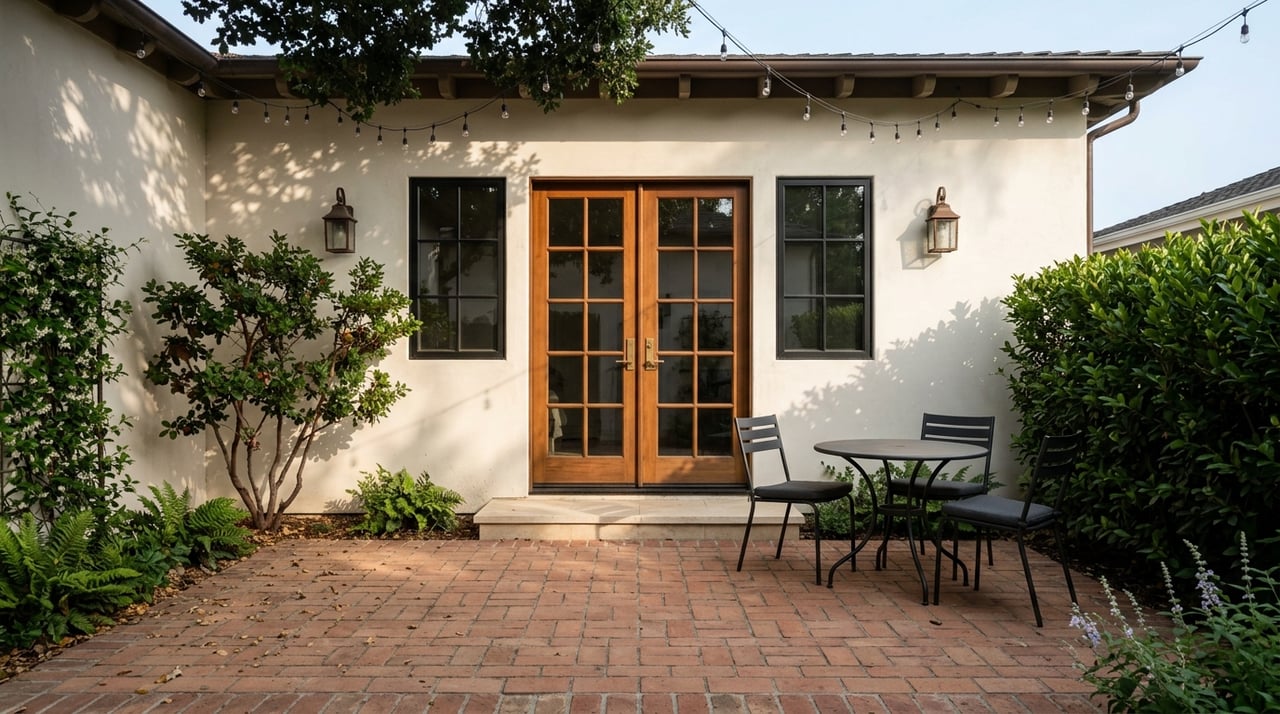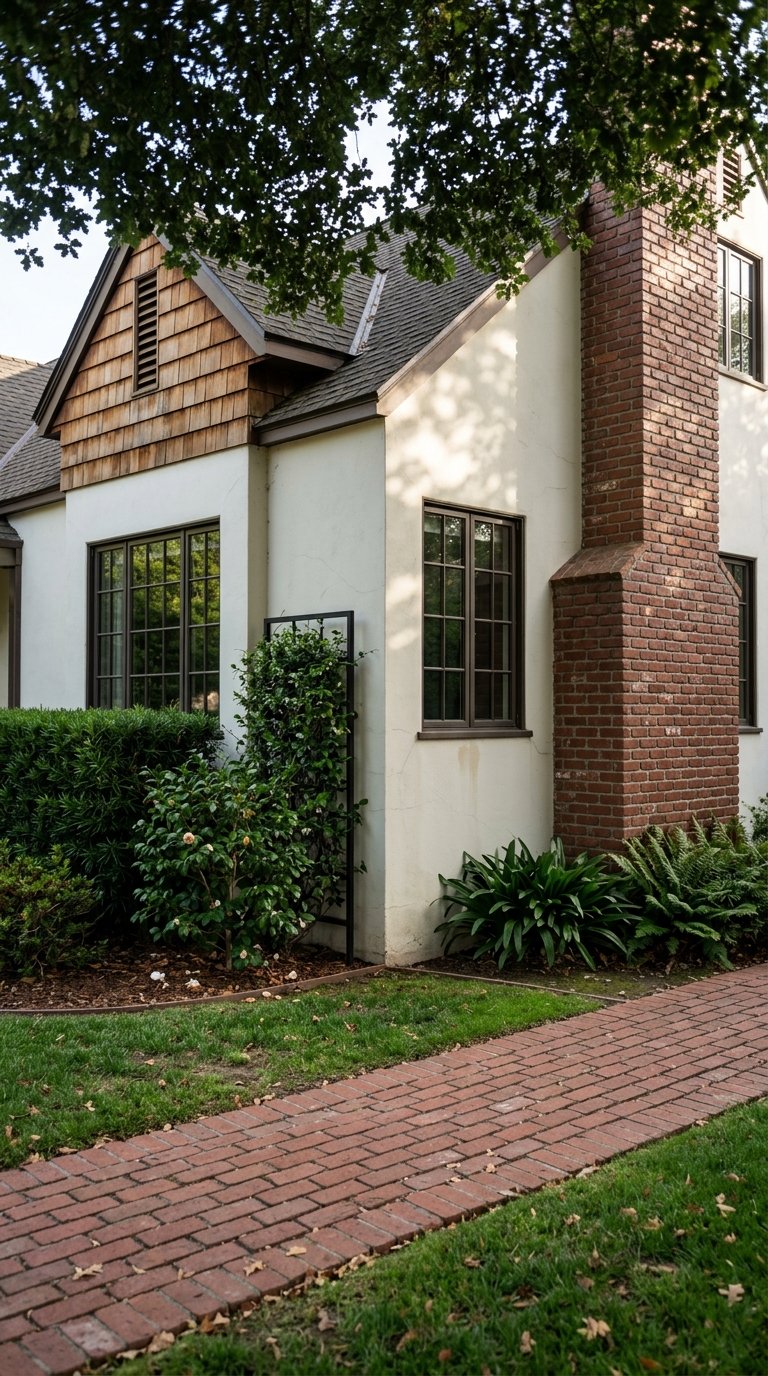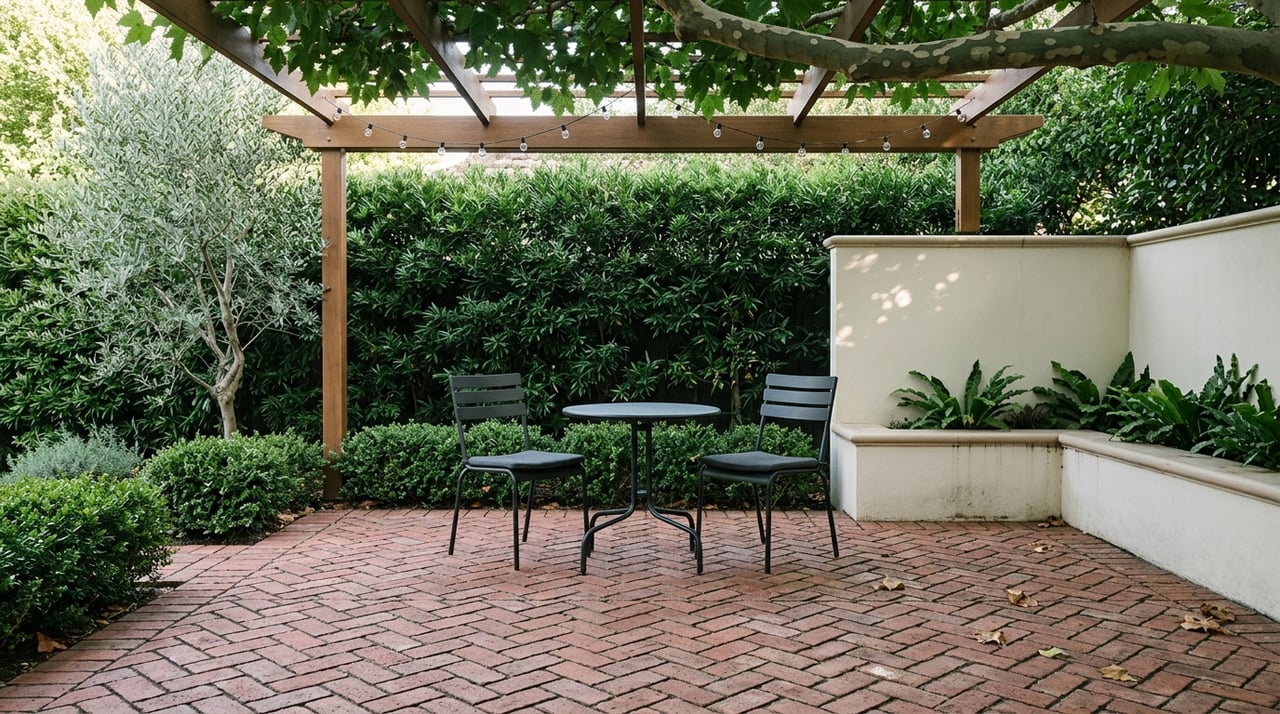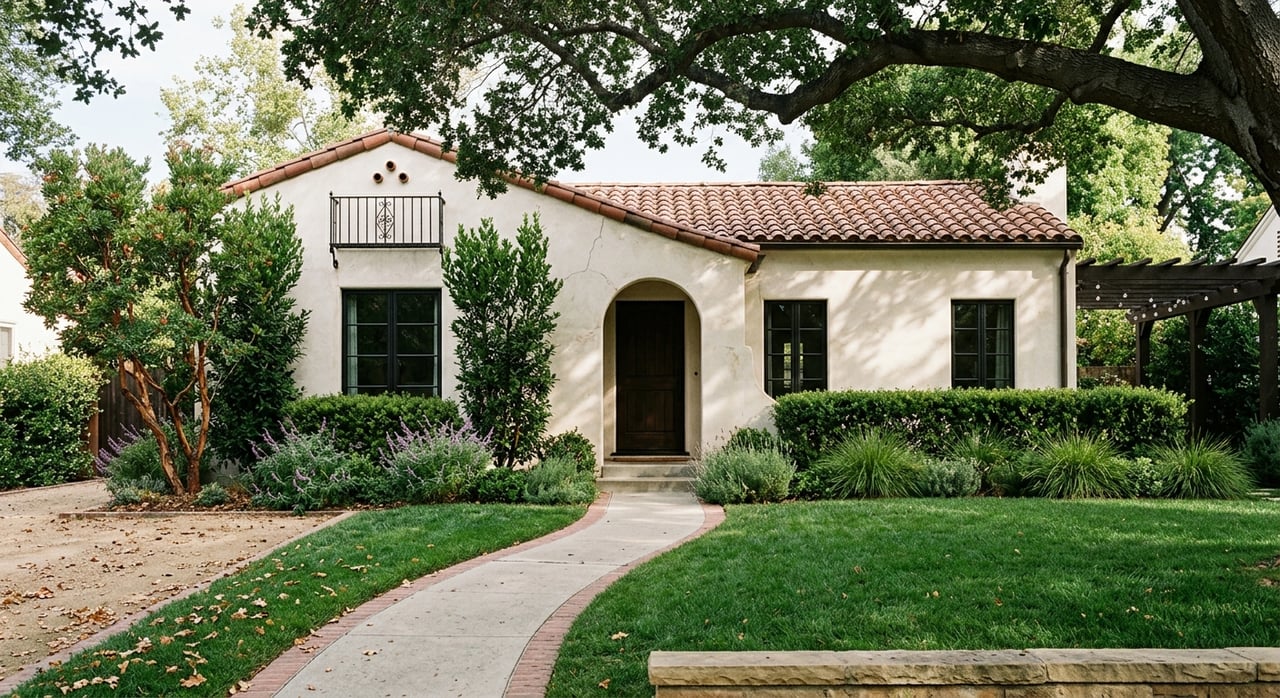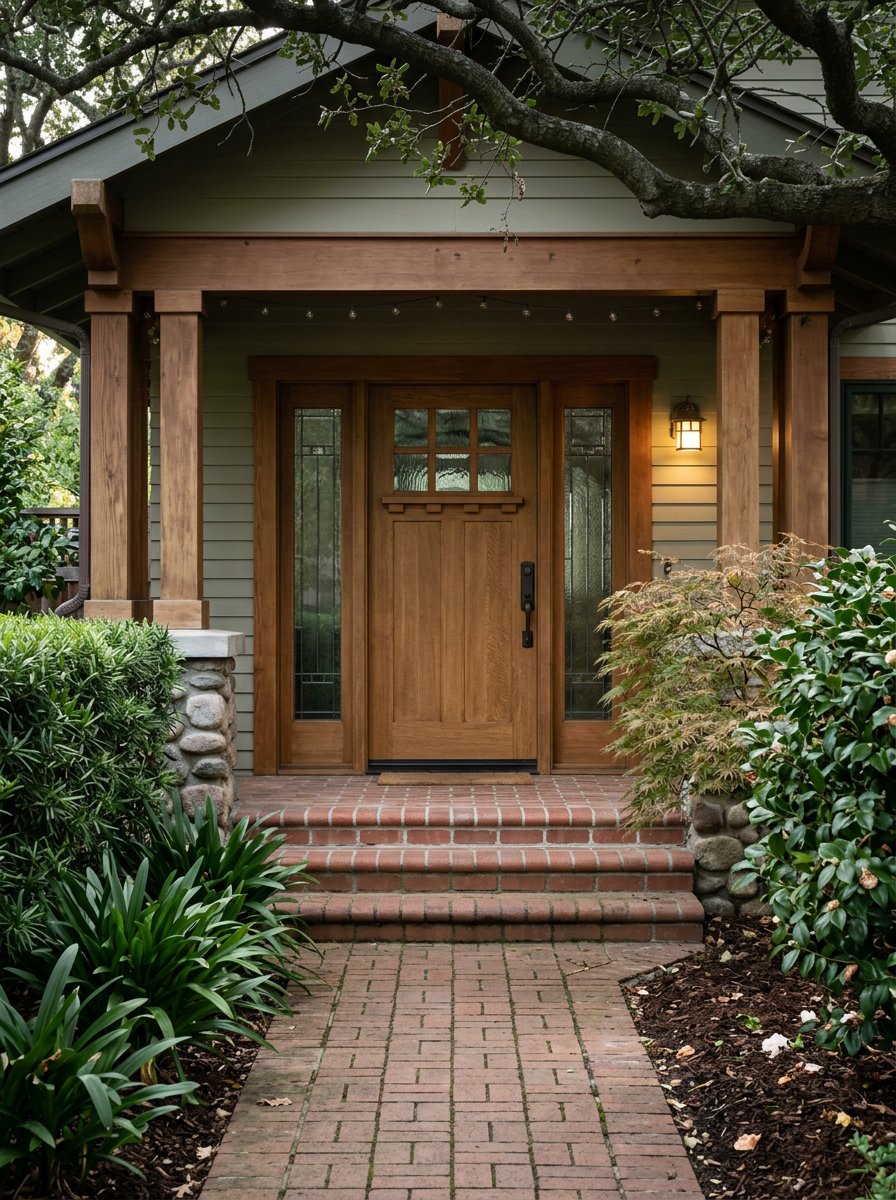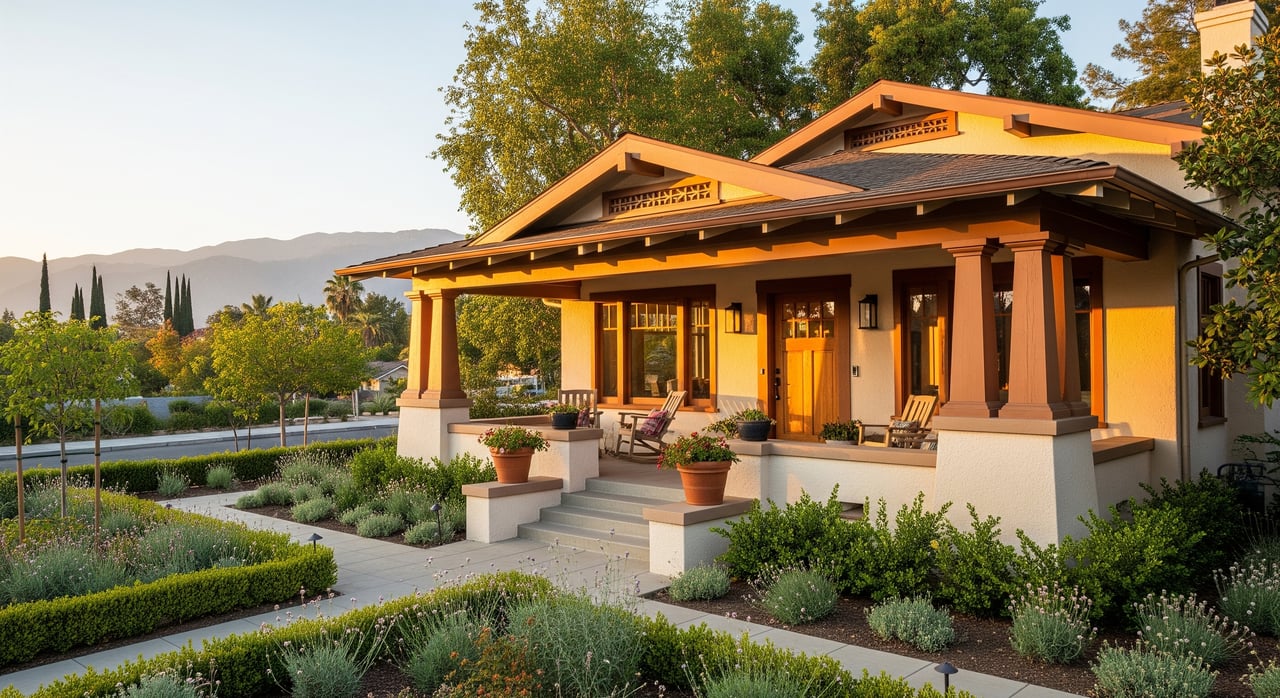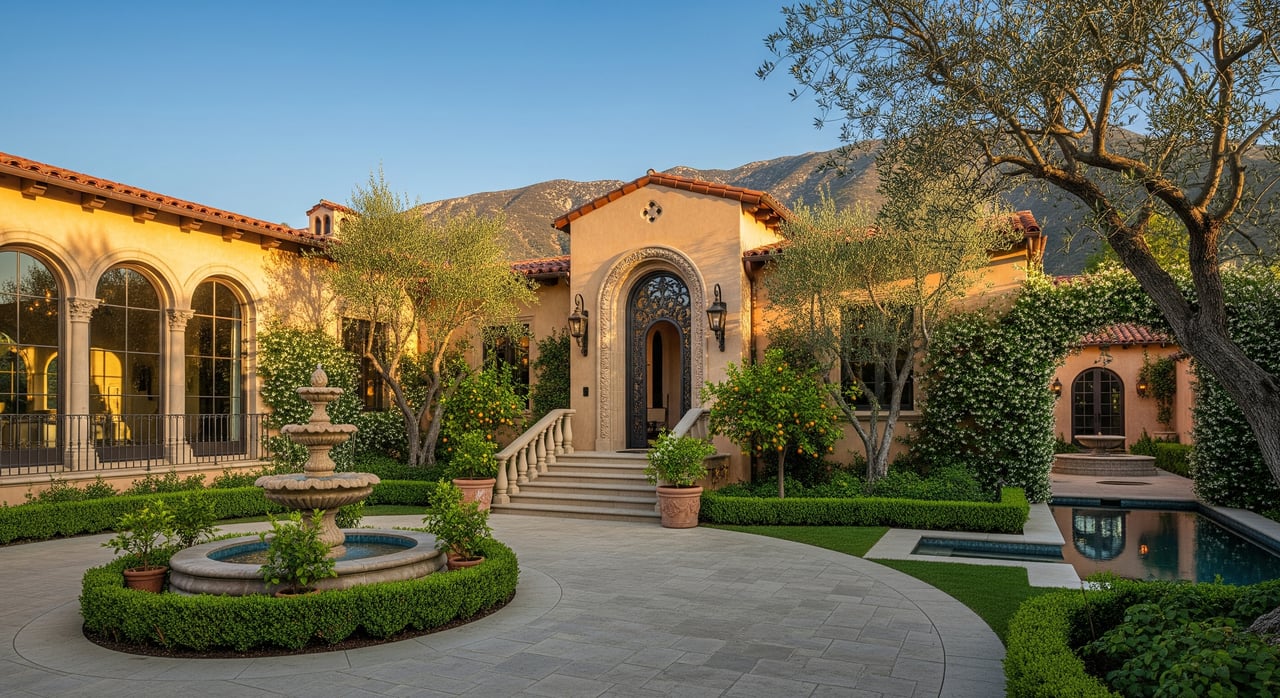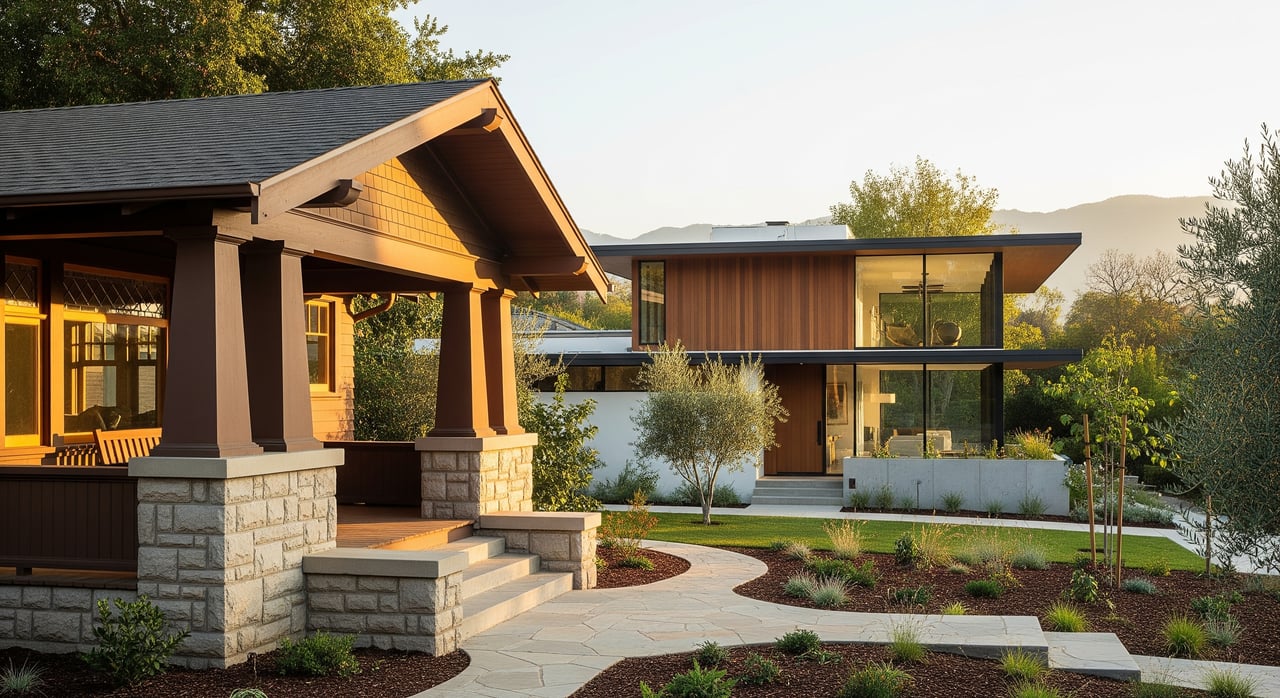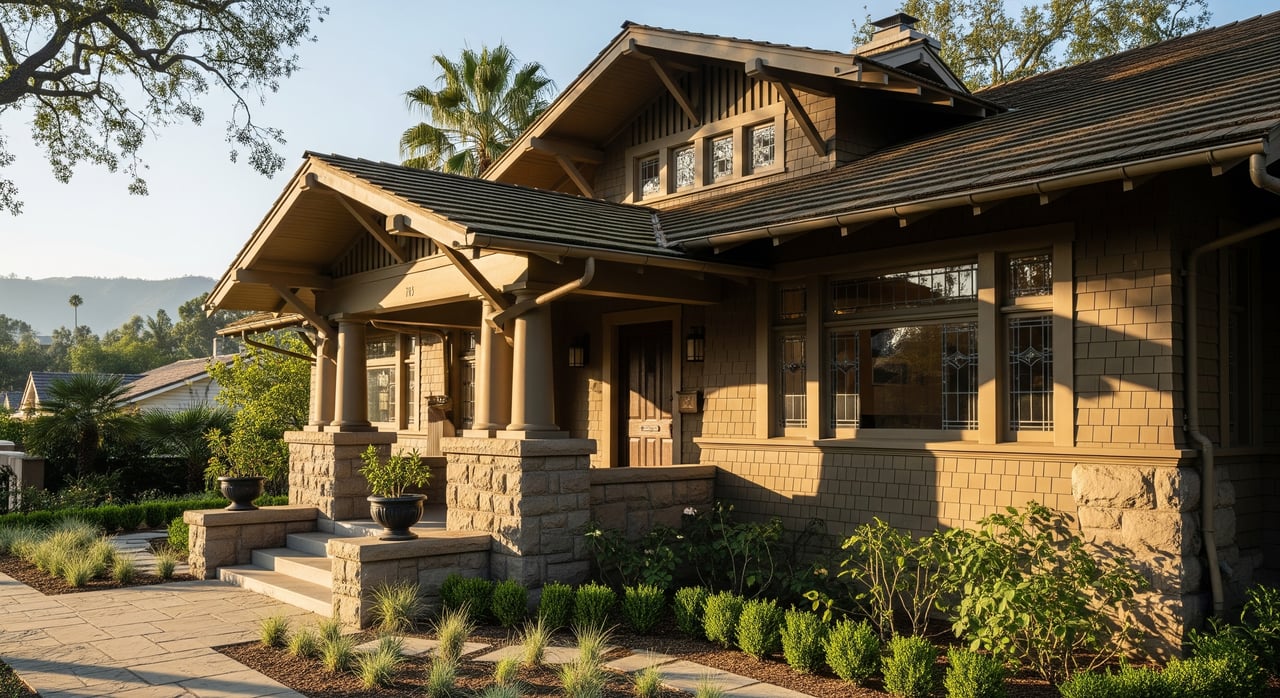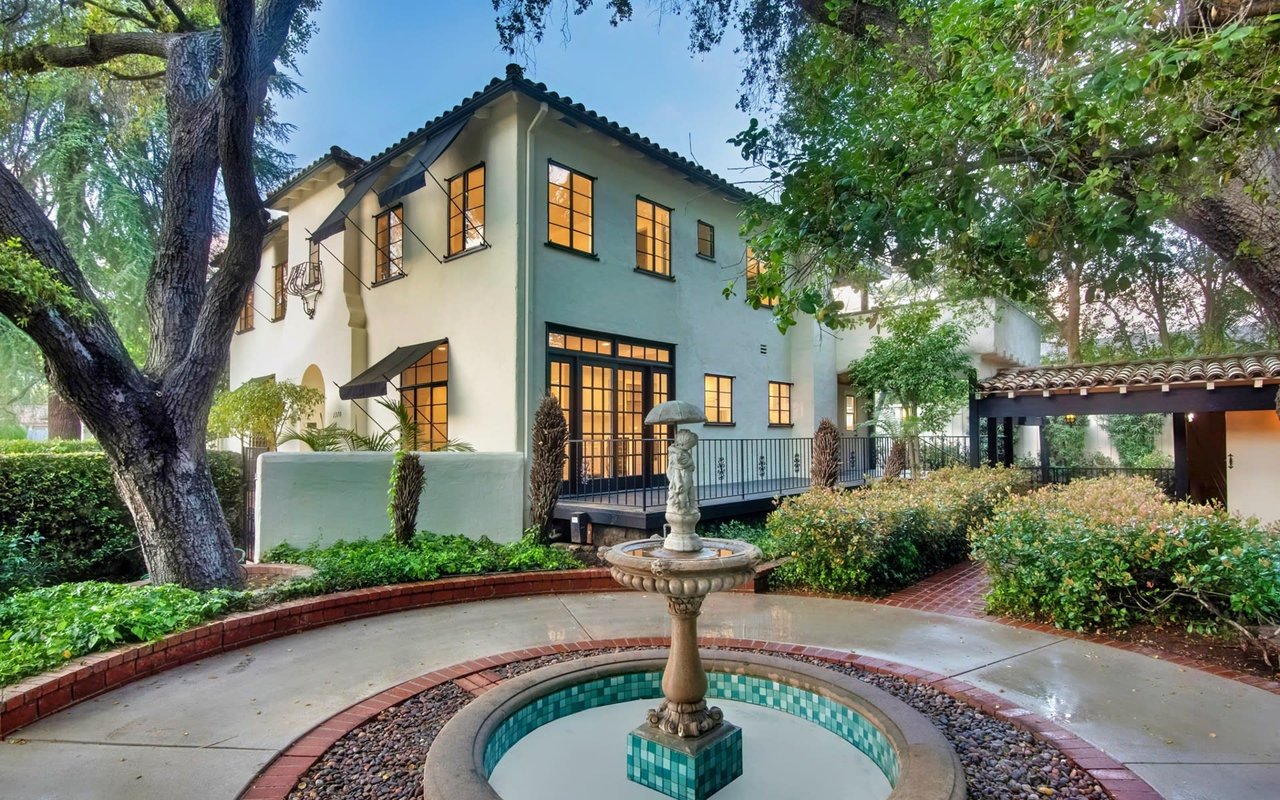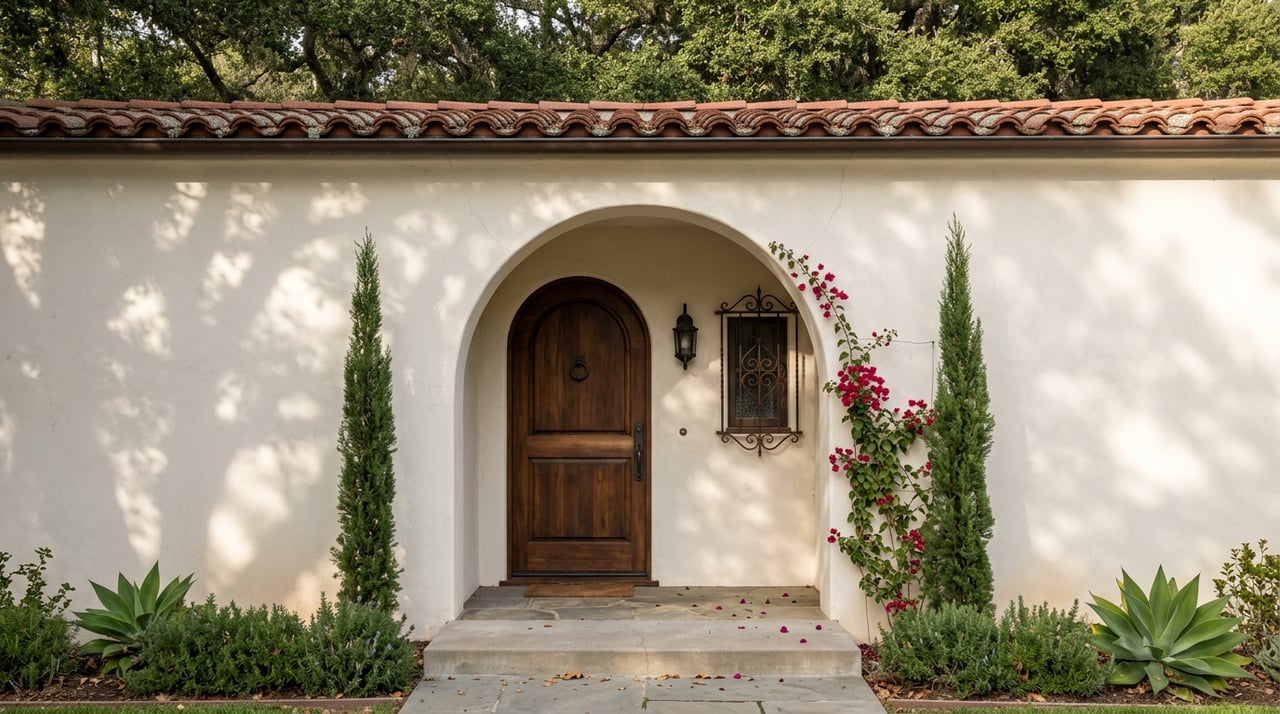
Two houses can sit across the street from each other in Altadena's Historic Highlands neighborhood, share the same Craftsman roofline pitch, the same porch depth, even the same builder's hand from a century ago, and now answer to two entirely different governments when it comes to replacing a window. That is the quiet complication buried inside a designation that made national preservation news this summer: as of July 9, 2026, the northern half of Historic Highlands became the Historic Highlands Historic District, Los Angeles County's first-ever historic district. The southern half of the same neighborhood has been a City of Pasadena landmark district since 2008. One neighborhood, one architectural identity, two rulebooks, split down a boundary line most buyers will never notice on a drive-by.
If you own property in this pocket of Altadena, or you're considering one of the 77 newly designated parcels, that jurisdictional split is the detail worth understanding before the charm of a leaded-glass entry or a deep front porch talks you into an offer.
A Line You Can't See From the Sidewalk
The Historic Highlands Historic District covers 77 parcels of early-20th-century single-family homes in the unincorporated northern portion of the neighborhood, bounded by North Lane, Washington Boulevard, North Lake Avenue and New York Drive. The Los Angeles County Board of Supervisors took the final administrative step to create it in June, and the designation became effective in July. The homes inside it were built between 1905 and 1959 in Craftsman, American Foursquare, Tudor Revival and Spanish Colonial Revival styles, the same architectural vocabulary that defines Bungalow Heaven and Garfield Heights a few miles south in Pasadena proper.
The push came from the Historic Highland Neighborhood Association, which described the effort as eight years of community meetings and outreach, with support from Altadena Heritage and the Los Angeles Conservancy. More than half of affected property owners backed the designation, according to Supervisor Kathryn Barger's office. Barger framed the timing directly, noting that preserving neighborhoods like this maintains "the sense of place that makes Altadena special," a line that lands differently in a community still counting the structures the Eaton Fire took in January 2025.
Here is the part that gets lost in the celebratory coverage: the county district only governs the unincorporated half. If your parcel sits south of the line, inside Pasadena city limits, you are still working with Pasadena's Design and Historic Preservation Section under the city's 2008 designation, not the county's new ordinance. Same street name in some cases, same architectural era, different permitting counter.
What the Designation Actually Requires
Historic district status in Altadena does not freeze a house in time. It adds a review step for work the county considers significant. Under the new county ordinance, most exterior changes visible from the street require a Certificate of Appropriateness before a building permit is issued. Routine maintenance, such as painting, landscaping and rear-yard tree pruning, is exempt.
What that means in practice for the 77 parcels:
- Replacing a garage door, adding a dormer, or building an addition visible from the street likely triggers county review.
- Interior remodeling, mechanical upgrades not visible from the street, and paint color choices are typically outside the review requirement.
- Demolition of a contributing structure faces a higher bar than demolition of a non-contributing one, since the district distinguishes between buildings that express its historic character and later or altered buildings that don't.
If you are shopping in this pocket, the practical step before writing an offer is confirming whether the specific parcel is listed as contributing or non-contributing to the district. That status shapes what future work will require and how much latitude you have to modernize.
The Mills Act Isn't a Guaranteed Discount
Designation opens the door to Mills Act eligibility, and that door is the part most buyers hear about first. Owners of contributing properties in the district can apply for a Mills Act contract with the county, which can meaningfully lower property taxes in exchange for a maintenance and preservation plan. Pasadena's own program, which governs the southern half of the same neighborhood, has reported past participant savings ranging from roughly 20 percent to 75 percent, averaging near 50 percent.
That range is real, and it is also not a promise. The Mills Act uses an income-based approach to value the property rather than a straight market comparison, and the outcome depends heavily on the individual parcel and the assessor's methodology. For an owner who has held a property for decades and already benefits from a low Proposition 13 base-year assessment, a Mills Act contract can produce little benefit or, in some cases, a higher assessed value than what they already have. This is the calculation a buyer needs to run with their own numbers, not borrow from a neighbor's tax bill.
One more detail worth carrying into any offer on a contributing parcel: a Mills Act contract, if one already exists on the property, transfers to the new owner along with the maintenance obligations that come with it. Confirming whether a contract is in place, and reading its terms, belongs on the same checklist as the inspection contingency.
Buying Here Means Pricing Two Markets at Once
The Historic Highlands designation lands inside an Altadena market that is still working through the aftershocks of the Eaton Fire, which destroyed more than 9,000 structures across the community starting January 7, 2025. Historic Highlands itself was spared by the flames, which is precisely why preservation advocates pushed harder for the designation once the surrounding losses became visible.
That context matters for anyone comparing this listing to what a portal search turns up nearby. Reporting from The Real Deal on Altadena's broader housing market found that median sale prices dropped roughly 43 percent immediately after the fire before beginning a partial recovery, a swing wide enough that agents working the area have described comparable-sales data as unreliable for months at a stretch. A house spared by the fire, sitting inside a newly protected historic district, is being priced in a market where the comps two streets over may reflect a burned lot rather than a standing structure.
For a buyer, that means leaning on a human-prepared comparison built around this specific pocket rather than an automated estimate pulling from the whole ZIP code. For a seller, it means the same designation that adds review requirements can also be the argument that sets your listing apart from a market still defined by rebuilds and recovery.
What This Means Before You Write an Offer
If you are circling a property inside the 77 parcels, or you already own one, a short list of questions does most of the work:
- Is the parcel north or south of the boundary, meaning county jurisdiction or City of Pasadena jurisdiction?
- Is the structure listed as contributing or non-contributing to the district?
- Is there an existing Mills Act contract, and if so, what maintenance obligations come with it?
- What exterior work has already received a Certificate of Appropriateness, and what still needs one?
None of these questions show up on a standard listing sheet. They surface during due diligence, and they are exactly the kind of detail that separates a smooth escrow from a delayed one.
A Few Questions Worth Asking Directly
Does historic designation lower my home's value? The research on historic districts generally points to price stability or a modest premium, though outcomes vary by market and by how strict the design review is. Altadena-specific comps, especially post-fire, are the more reliable guide than national studies.
Can I still renovate a contributing home? Yes. Interior work, most mechanical upgrades, and paint choices typically fall outside review. Street-visible exterior changes are the category that requires a Certificate of Appropriateness first.
Does the historic district change anything about fire rebuild rules elsewhere in Altadena? No. The Historic Highlands designation is a preservation overlay for this specific 77-parcel area. It has no bearing on the separate rebuild permitting process underway for fire-affected properties across the rest of Altadena.
Historic Highlands was already one of the more architecturally intact corners of Altadena before this summer. What changed in July is the paperwork, not the character, and the paperwork now depends on which side of an invisible line your address falls. If you are weighing a purchase or a sale inside this district, or anywhere else in Pasadena's foothill communities where provenance and presentation carry real weight, Chelby Crawford can walk through what a specific parcel's designation status means for your timeline and your numbers. Request a private market consultation before you write the offer, not after.