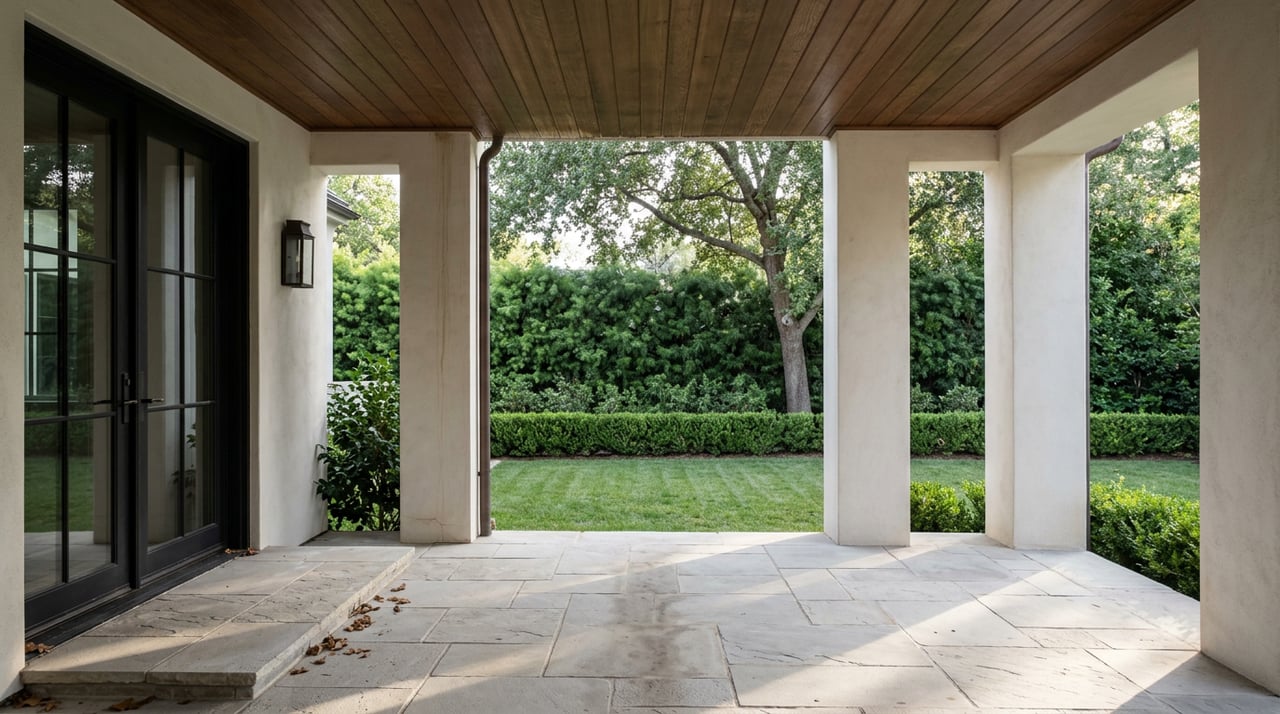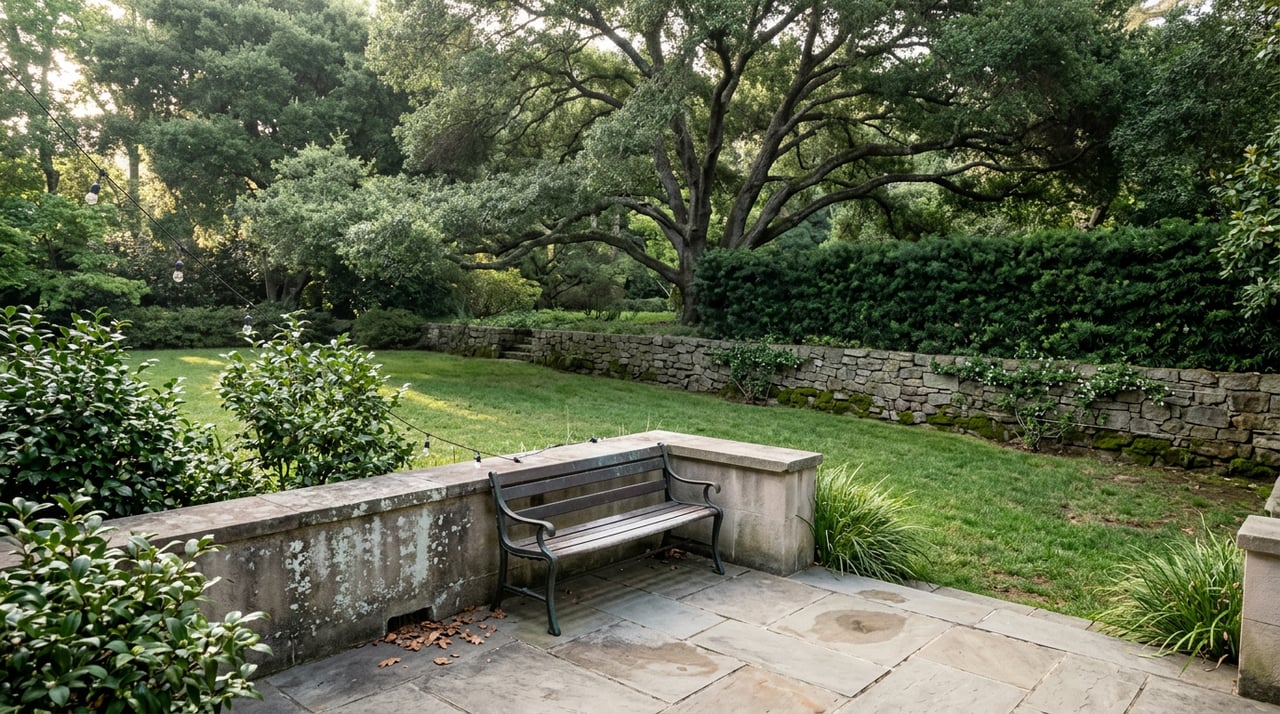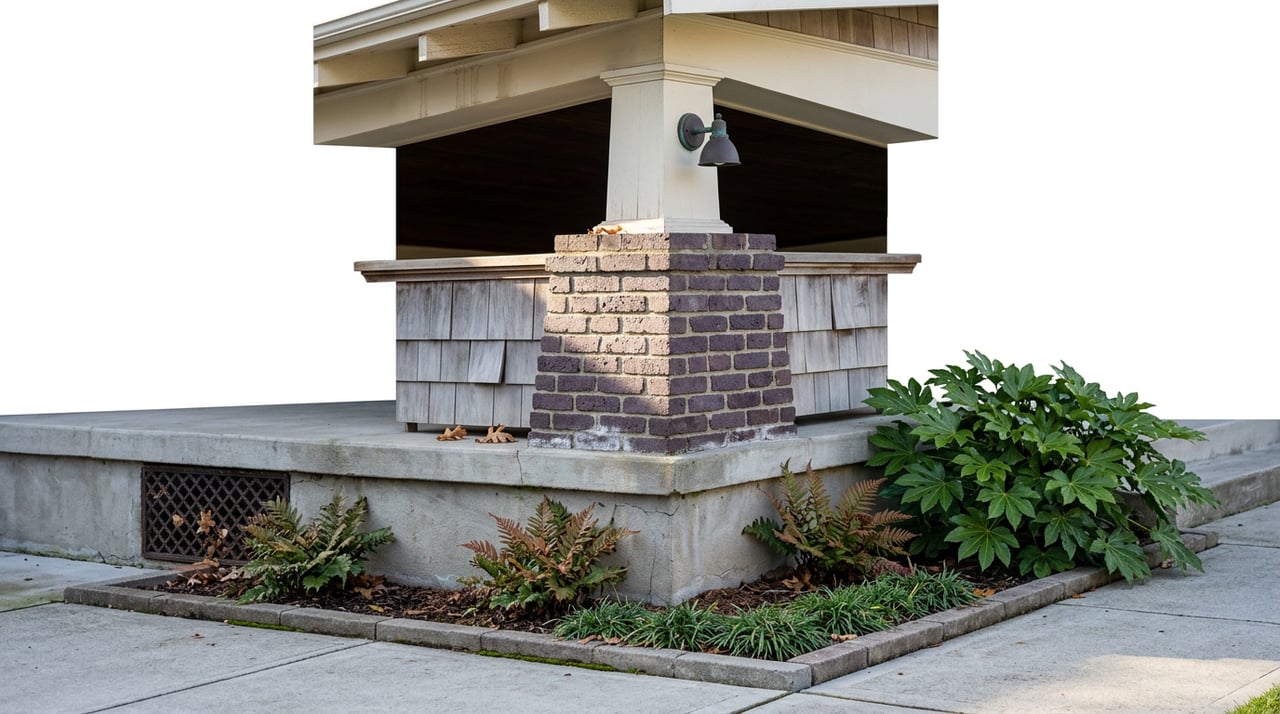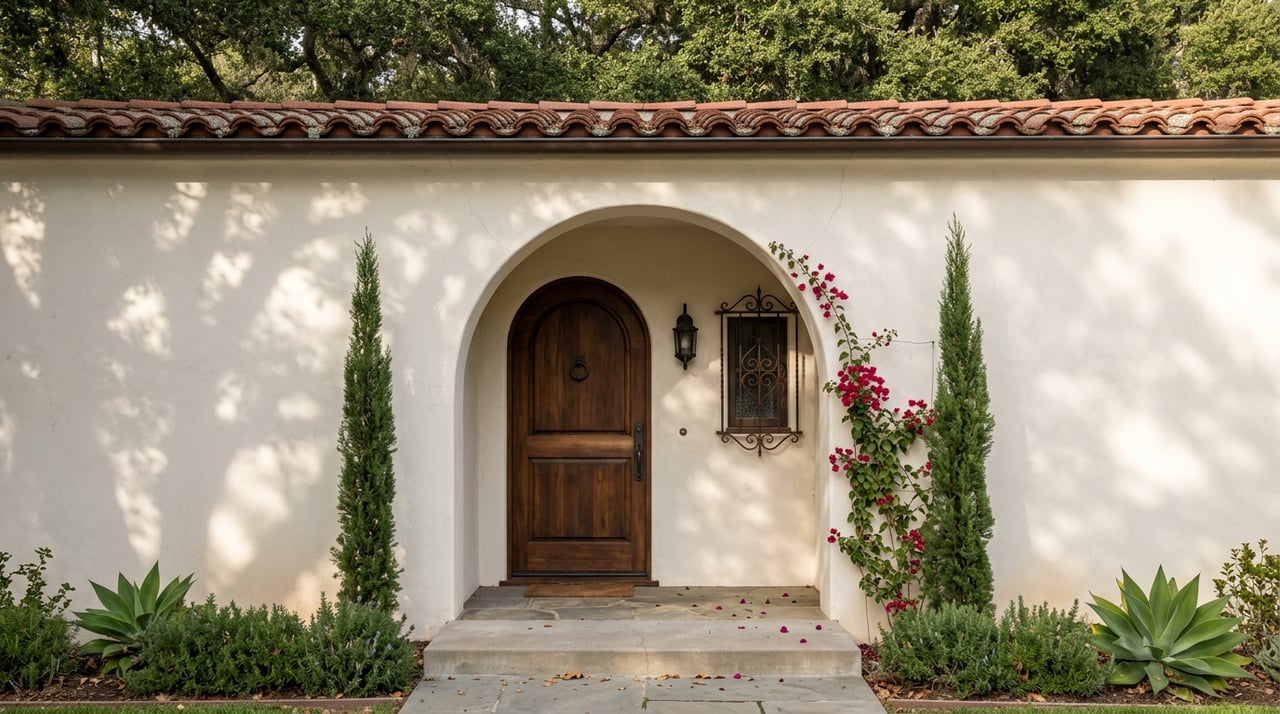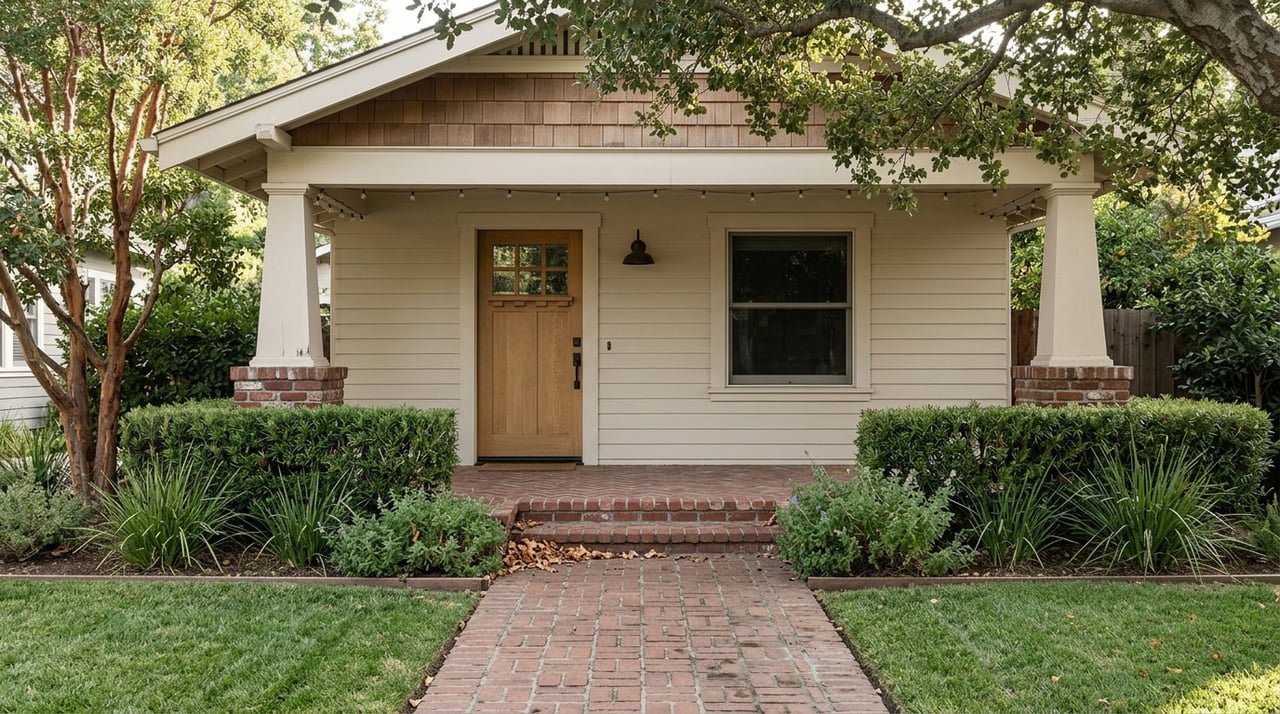
You can fall in love with an Eagle Rock house in seconds, then spend weeks figuring out what, exactly, you are looking at. That is part of the neighborhood’s appeal. Eagle Rock has a varied architectural fabric, and for design-conscious buyers, understanding style is not just about taste. It can shape how you live in the home, what you may want to preserve, and how carefully you should plan future changes. Let’s dive in.
Why Eagle Rock Feels So Distinctive
Eagle Rock sits within Northeast Los Angeles, in a location the city describes as a transition zone between Downtown Los Angeles and nearby Glendale, Pasadena, South Pasadena, and Alhambra. Its residential growth began in the early 20th century, and much of the area still reads as a largely intact single-family neighborhood.
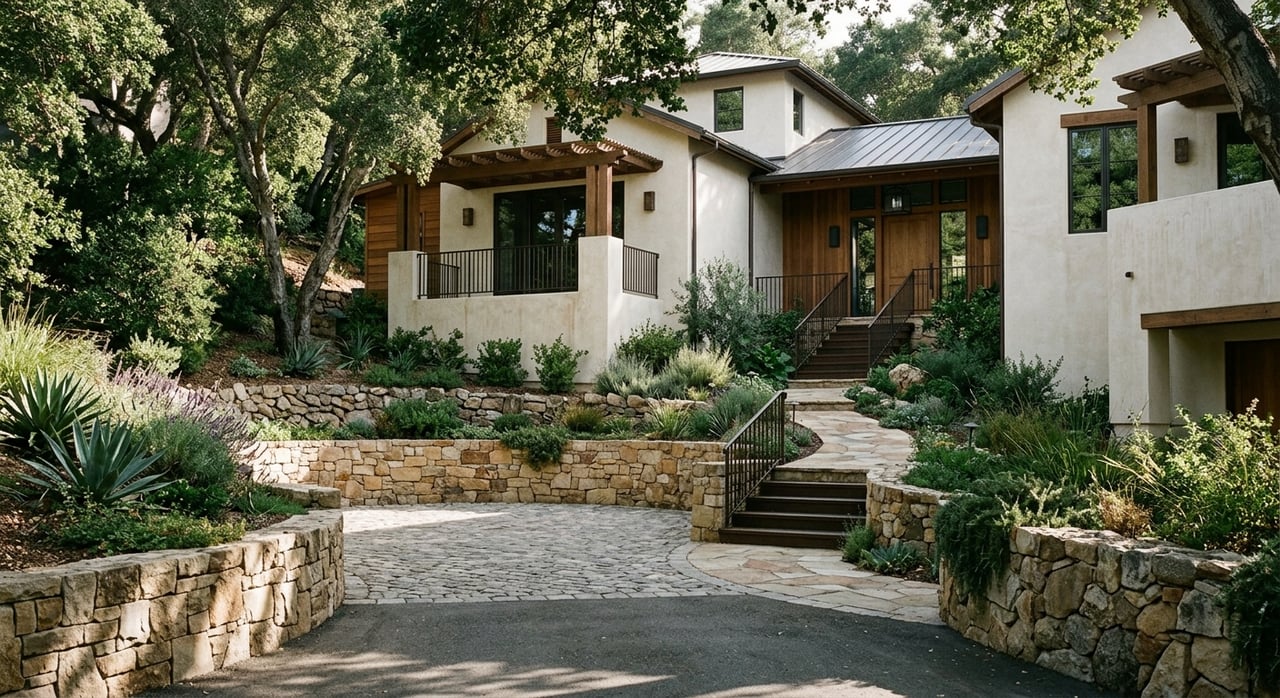
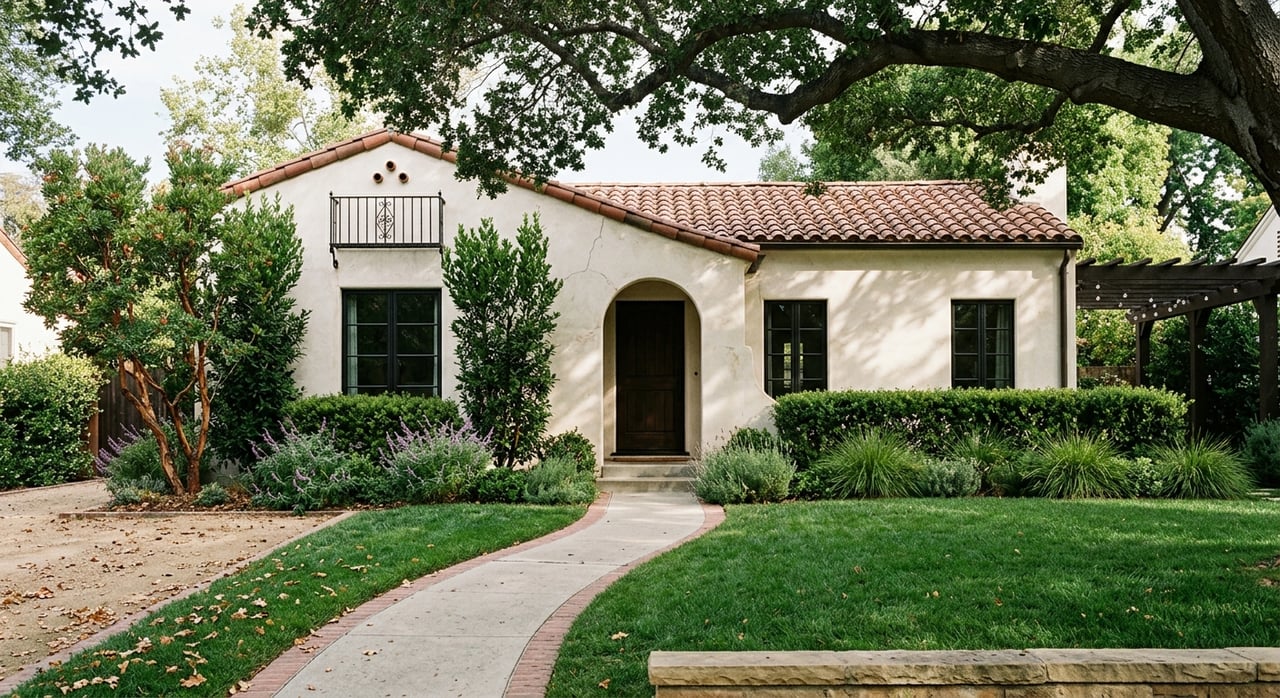
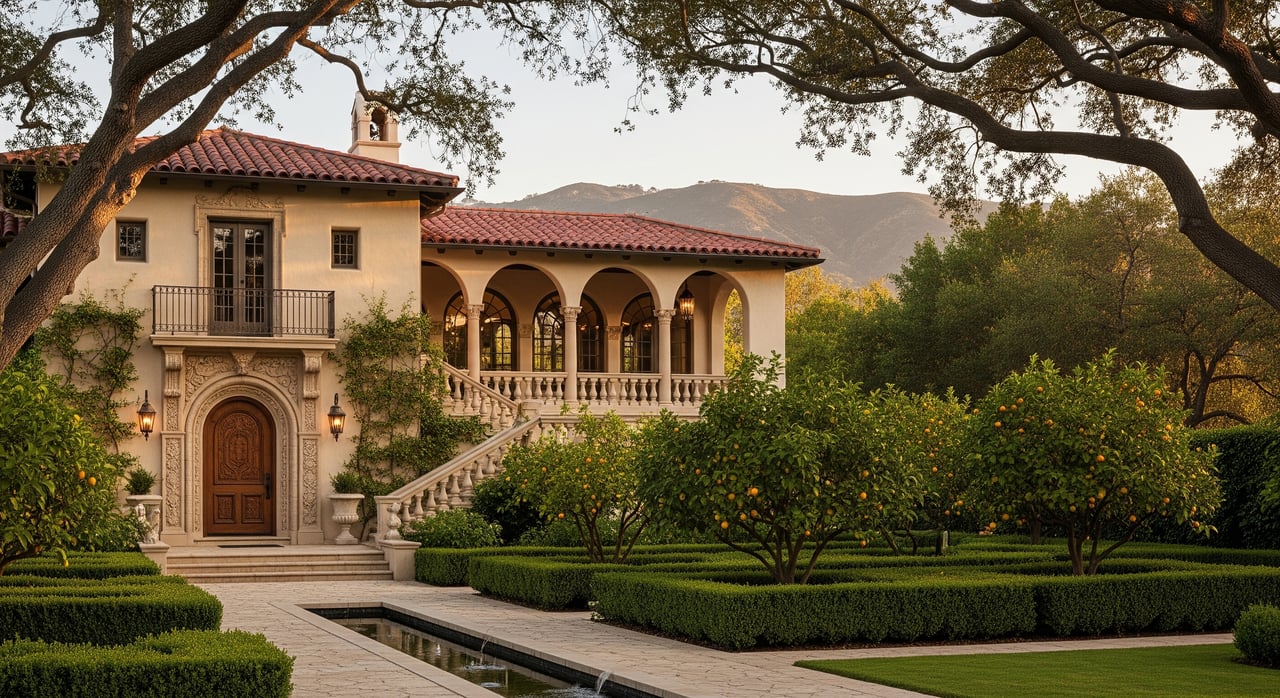
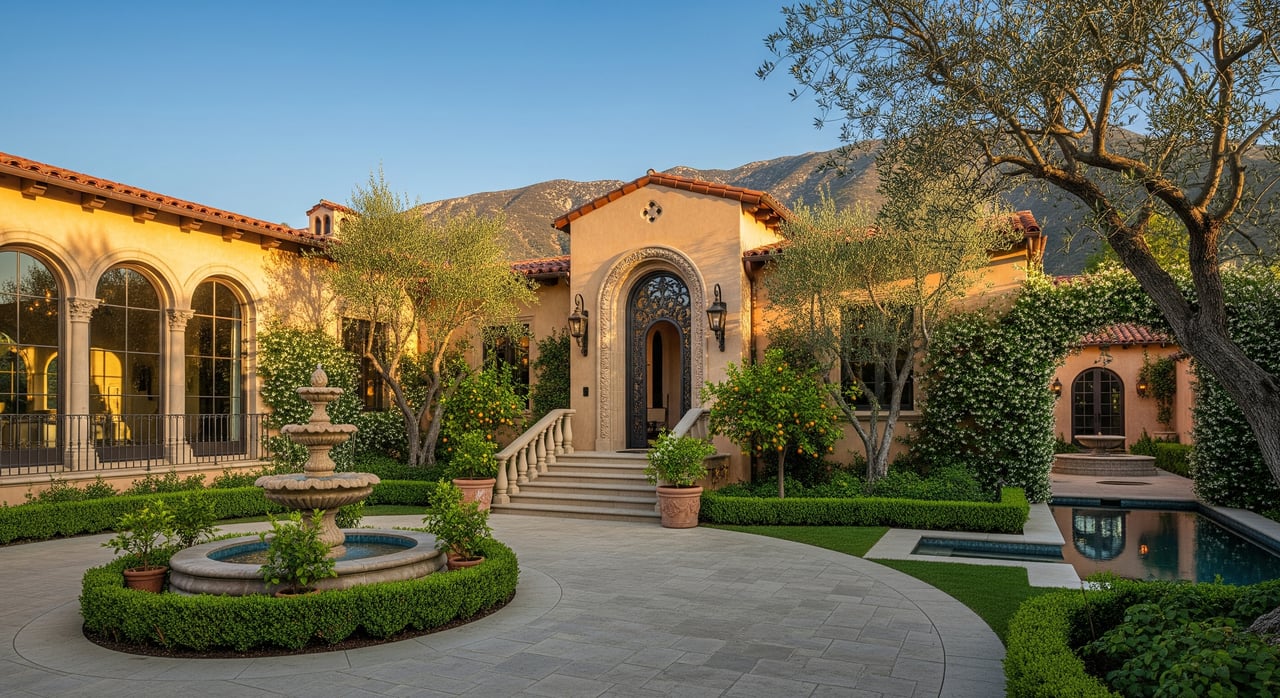
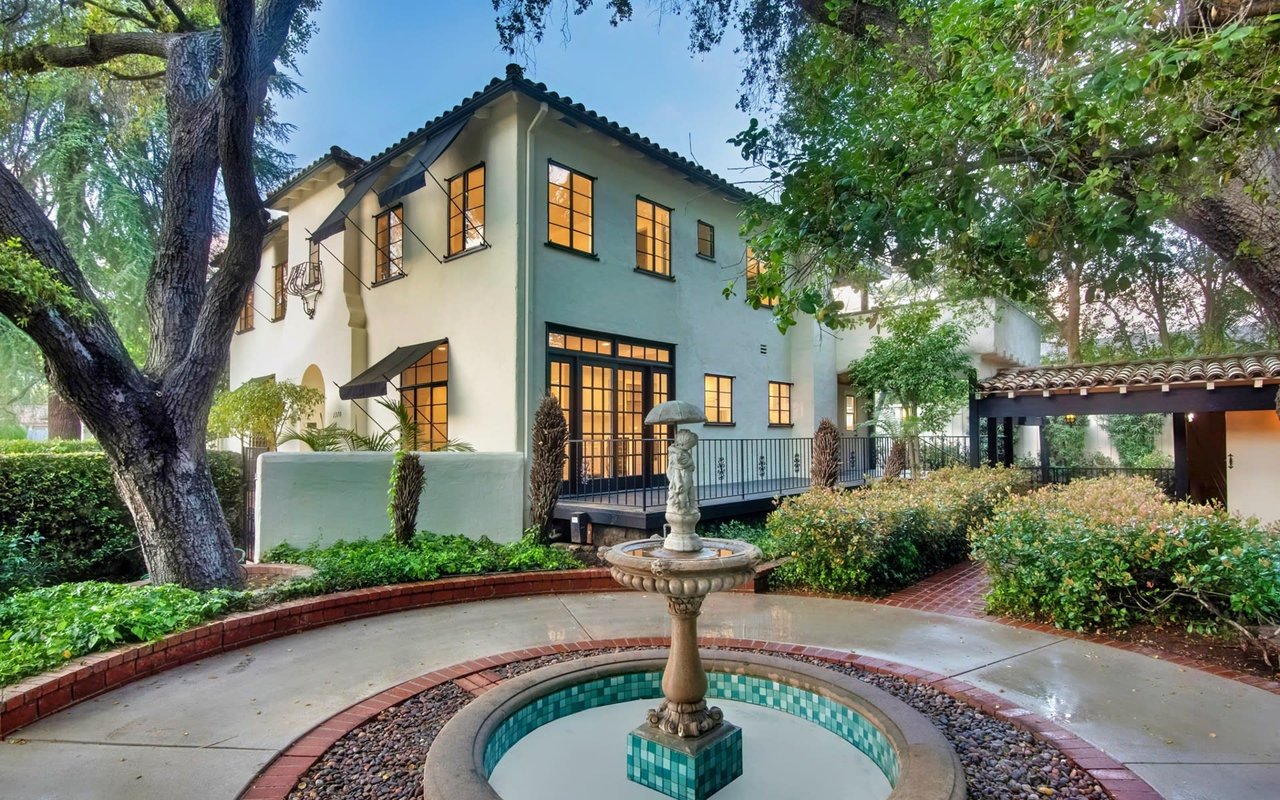
That layered history shows up on the street. SurveyLA describes larger Craftsman houses on higher elevations, more modest bungalows on flatter streets, 1920s Spanish Colonial Revival infill, and a smaller but notable collection of mid-century homes. For a buyer, that means style is not a surface detail in Eagle Rock. It is part of how the neighborhood is built.
Start With the House, Not the Label
When you tour character homes, it helps to look past the listing shorthand. A home may be called a Craftsman, cottage, or mid-century property, but the real question is whether its defining features are still intact and whether those features support the way you want to live.
In Eagle Rock, two homes that appear similar from the curb may come with very different preservation considerations. HistoricPlacesLA identifies multiple local historic resources, including the Eagle Rock Commercial Historic District and residential districts such as Dahlia Drive and Delrosa Drive. That parcel-by-parcel variation matters because review requirements can differ even on the same block.
Craftsman Homes in Eagle Rock
What to Look For in a Craftsman
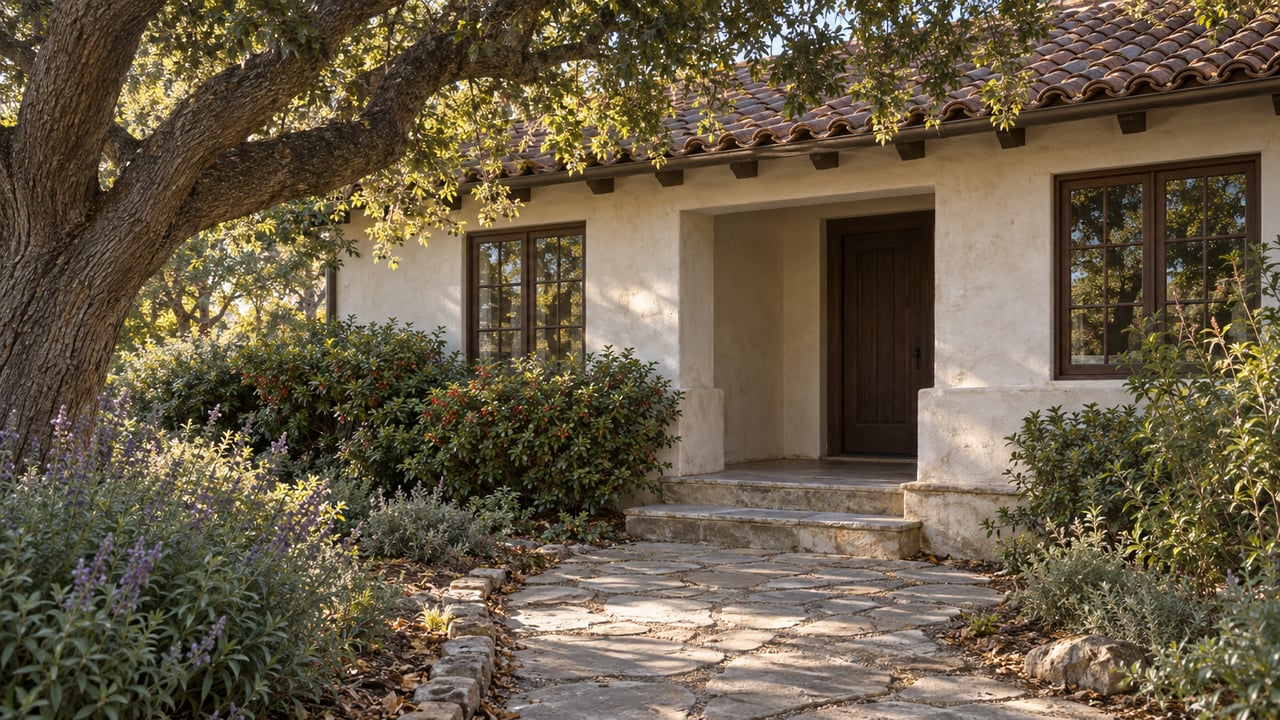
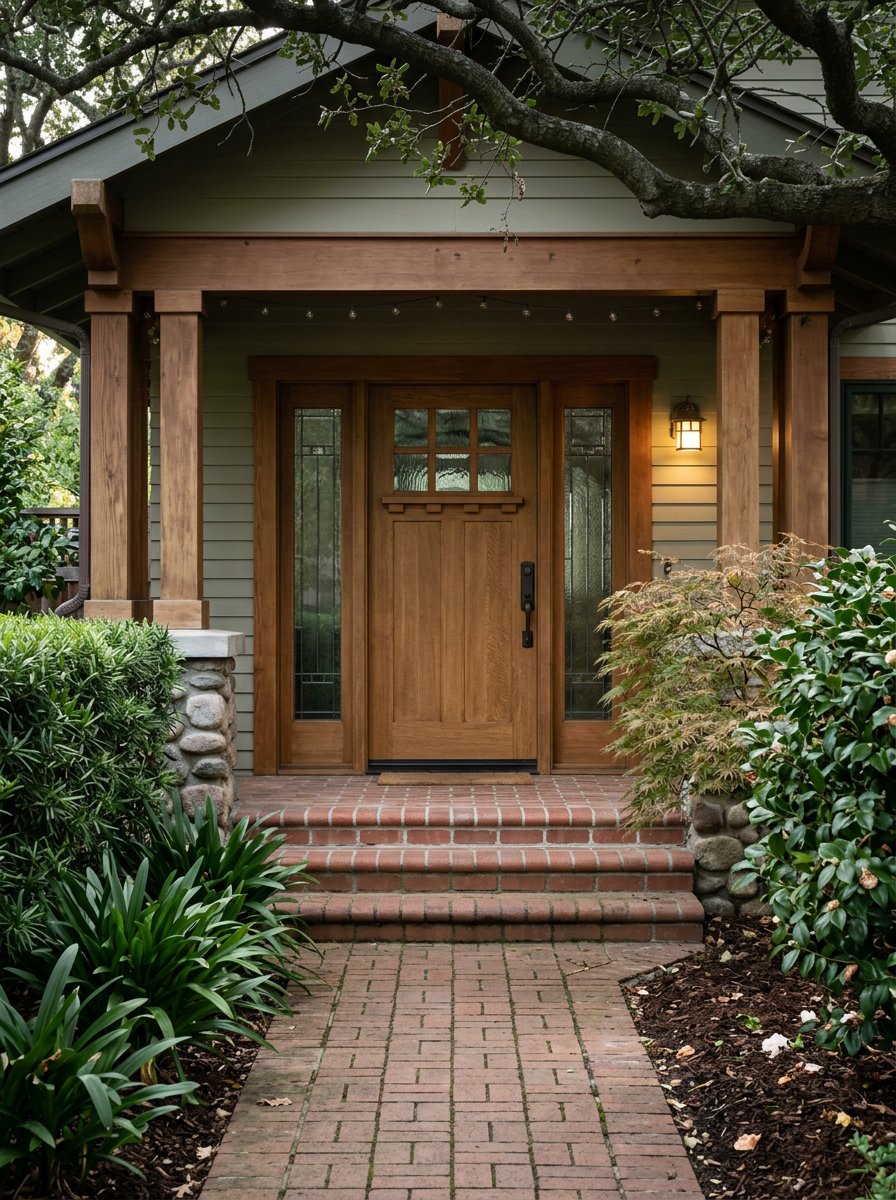
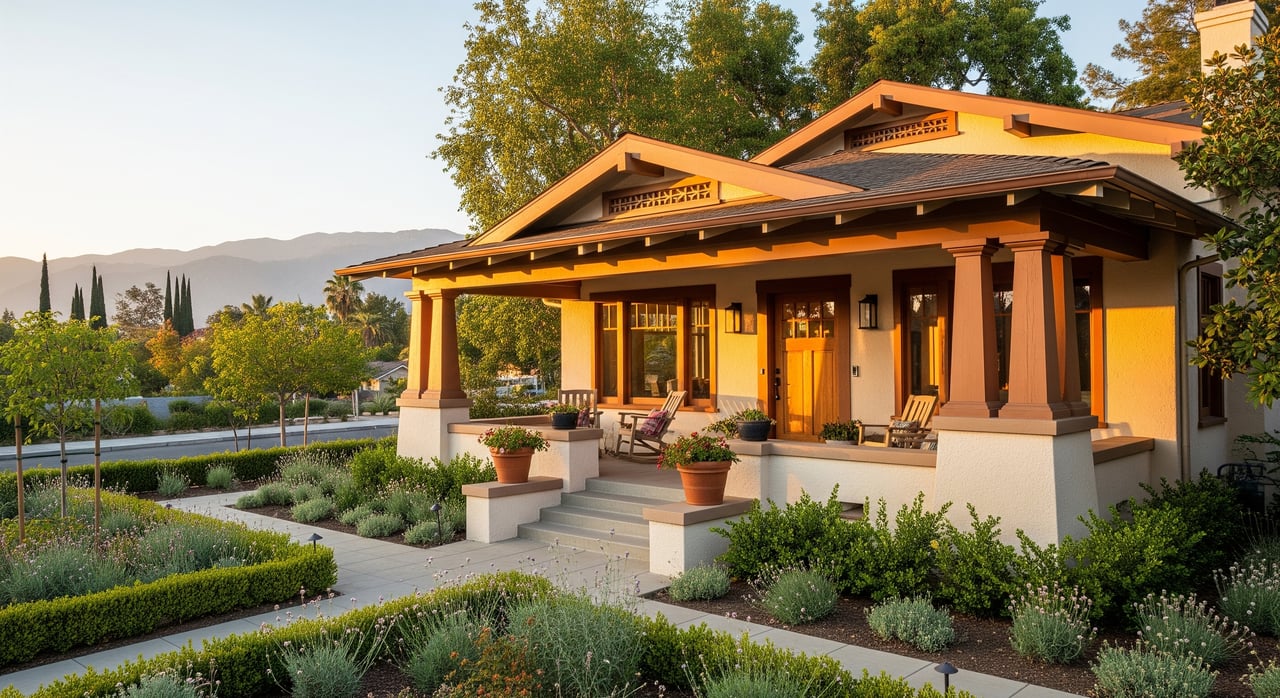
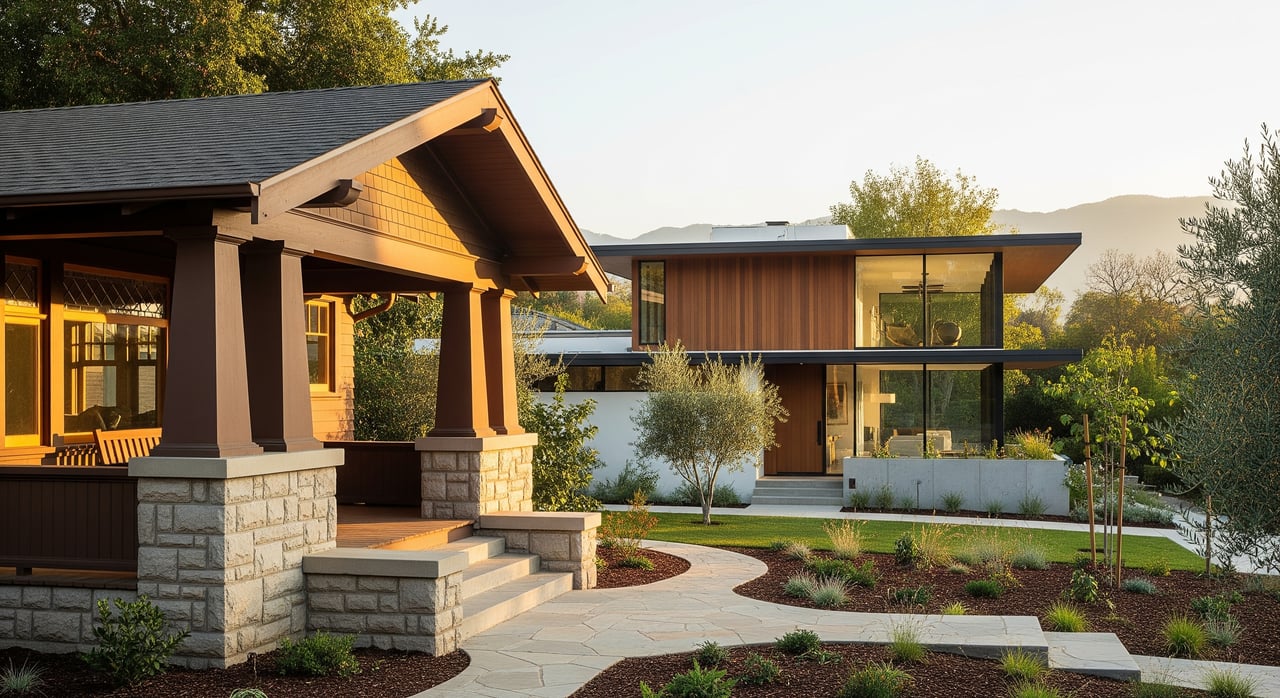
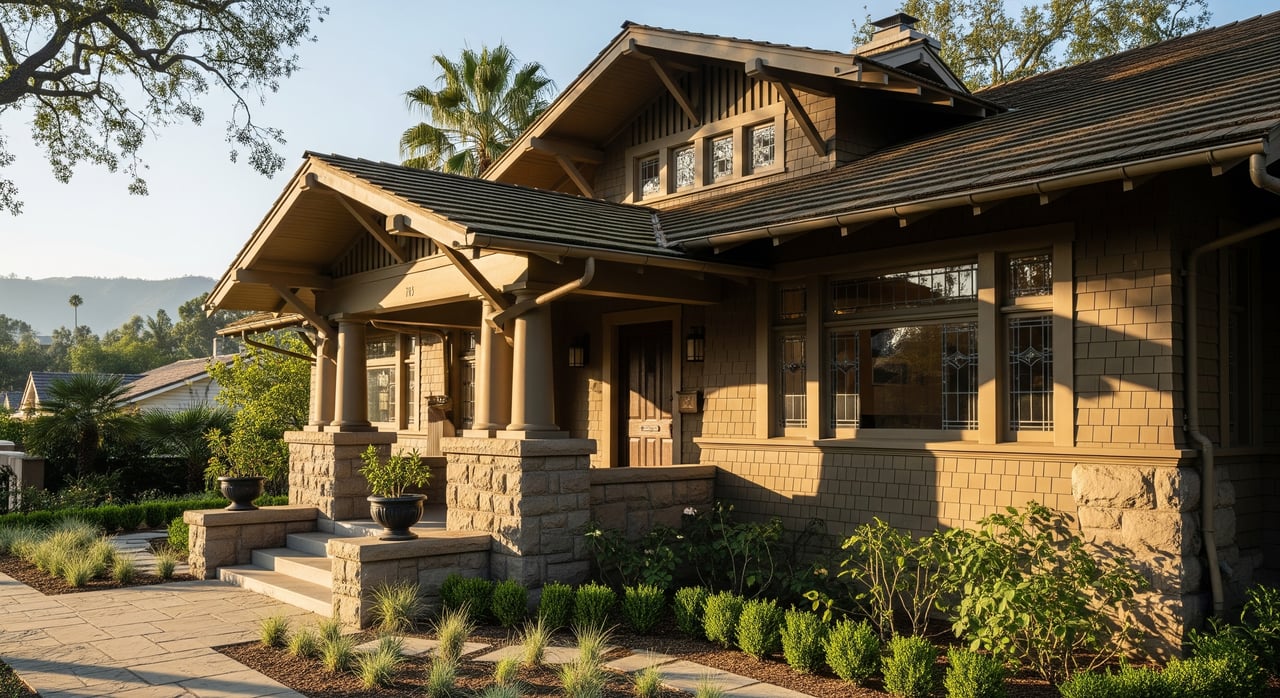
Craftsman bungalows are among the home types most closely associated with Eagle Rock. These houses are typically one to two stories, often with broad, gently pitched gables and a porch-forward design that creates a strong connection to the street.
One-and-one-half-story bungalow forms are often rectangular, side-gabled, and fronted by a porch recessed under the main roof. In practical terms, the feeling of a Craftsman comes from its low roofline, visible wood elements, and emphasis on handcrafted detail rather than oversized rooms or dramatic ceiling heights.
Why Buyers Love Craftsman Character
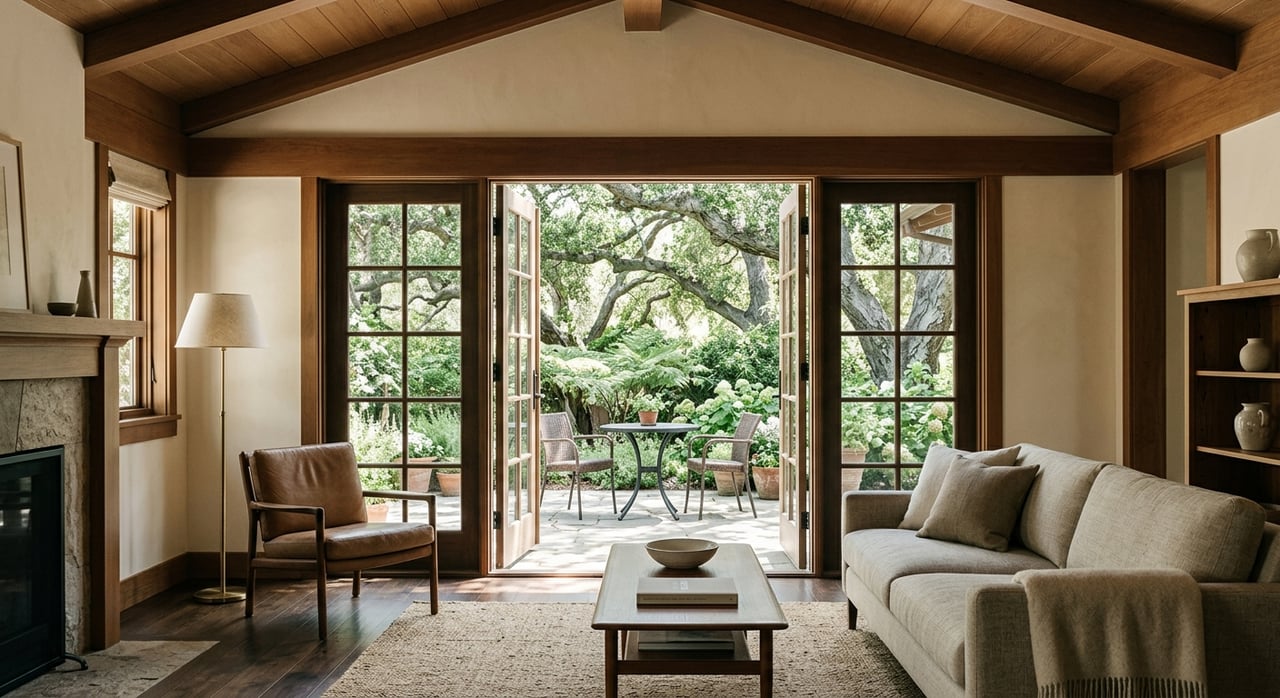
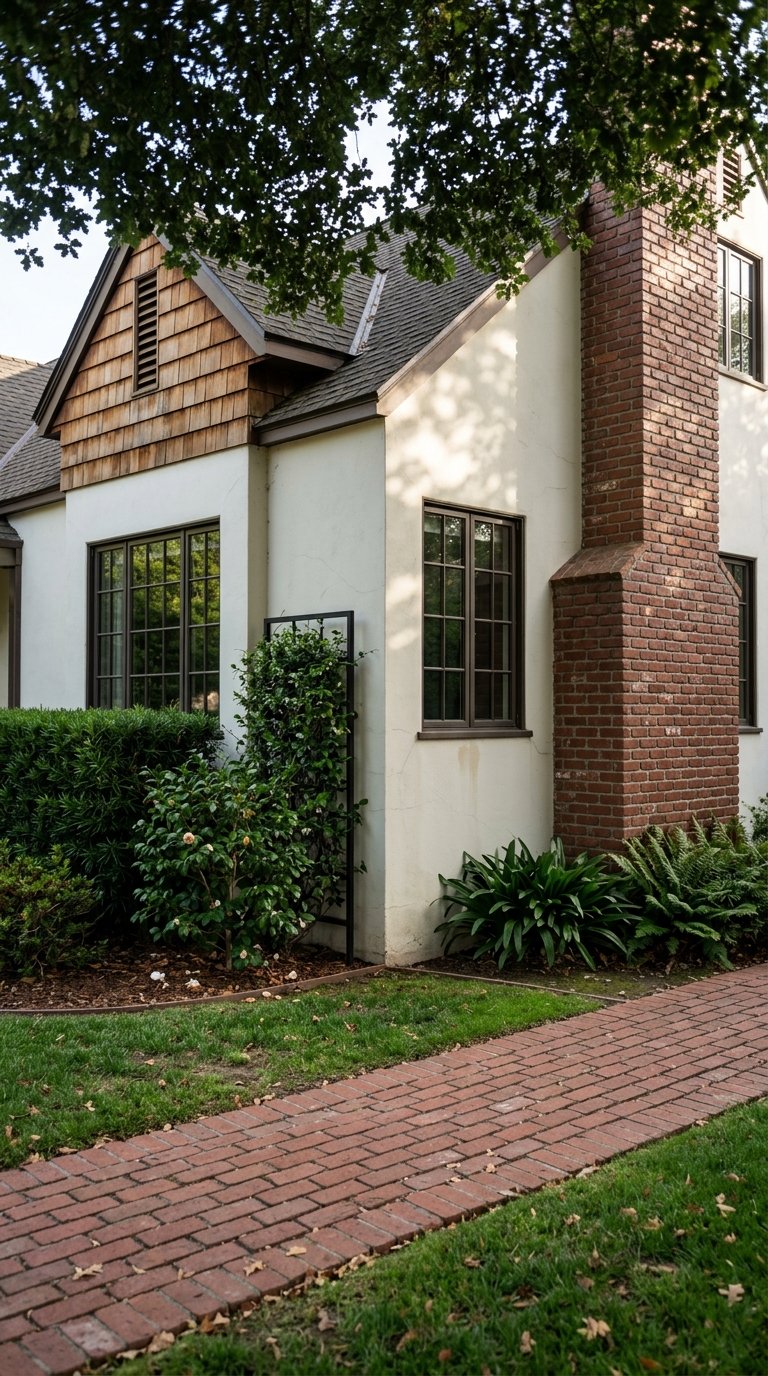
If you are drawn to warmth, texture, and architectural detail, a Craftsman may feel especially rewarding. Original trim, porch columns, windows, and chimney details can create a sense of permanence that is hard to replicate in newer construction.
That said, character often comes with responsibility. Older wood trim, porch components, masonry chimneys, and original windows can age at different rates, so condition matters as much as charm.
What to Consider Before Renovating
Exterior changes to a historic or designated property in Los Angeles can require added review. The city’s HPOZ process can apply to exterior renovations, additions, landscaping, and even paint decisions, depending on the property and its status.
For some buyers, that review is a benefit because it helps protect neighborhood character. Los Angeles also offers programs such as the Mills Act and the California Historical Building Code, which may help offset or simplify parts of rehabilitation for qualifying historic properties. If preservation is part of your long-term plan, these details are worth understanding early.
Mid-Century Homes in Eagle Rock
How Mid-Century Style Shows Up Here
Eagle Rock’s mid-century layer is smaller than its early bungalow stock, but it is still an important part of the neighborhood’s identity. SurveyLA notes a few notable examples of Mid-Century Modernism, with additional postwar styles appearing in later decades.
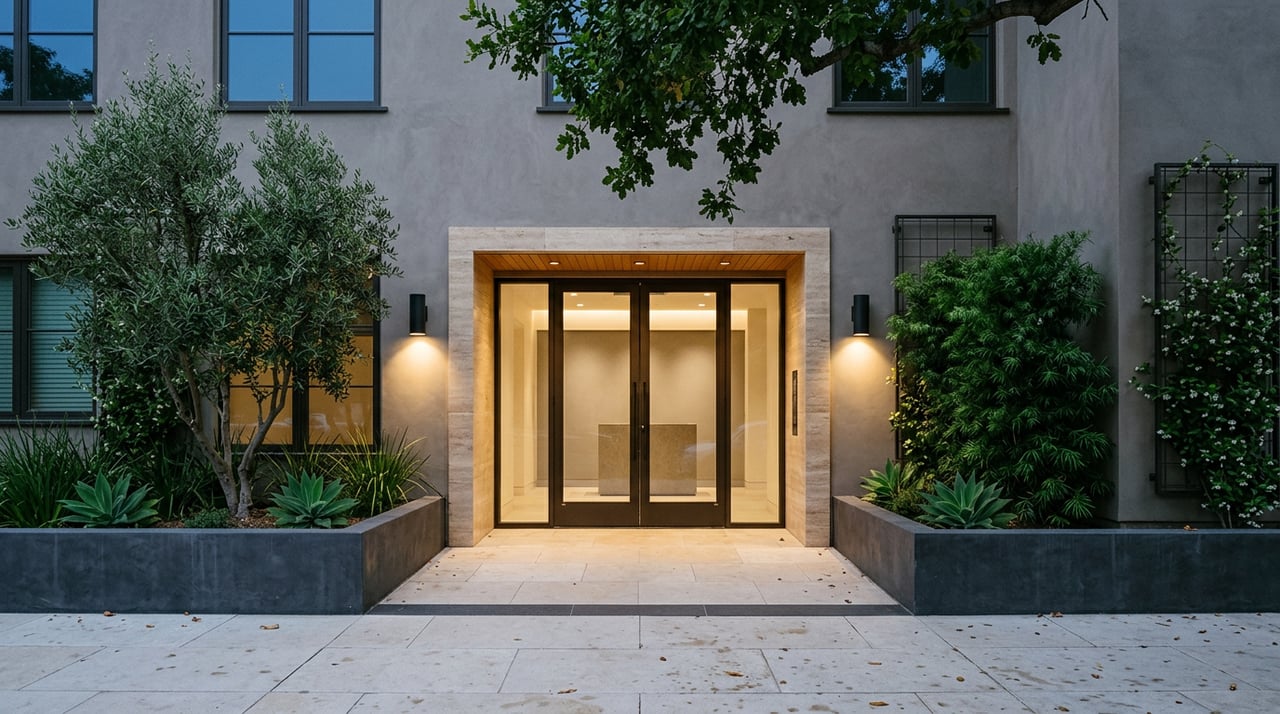
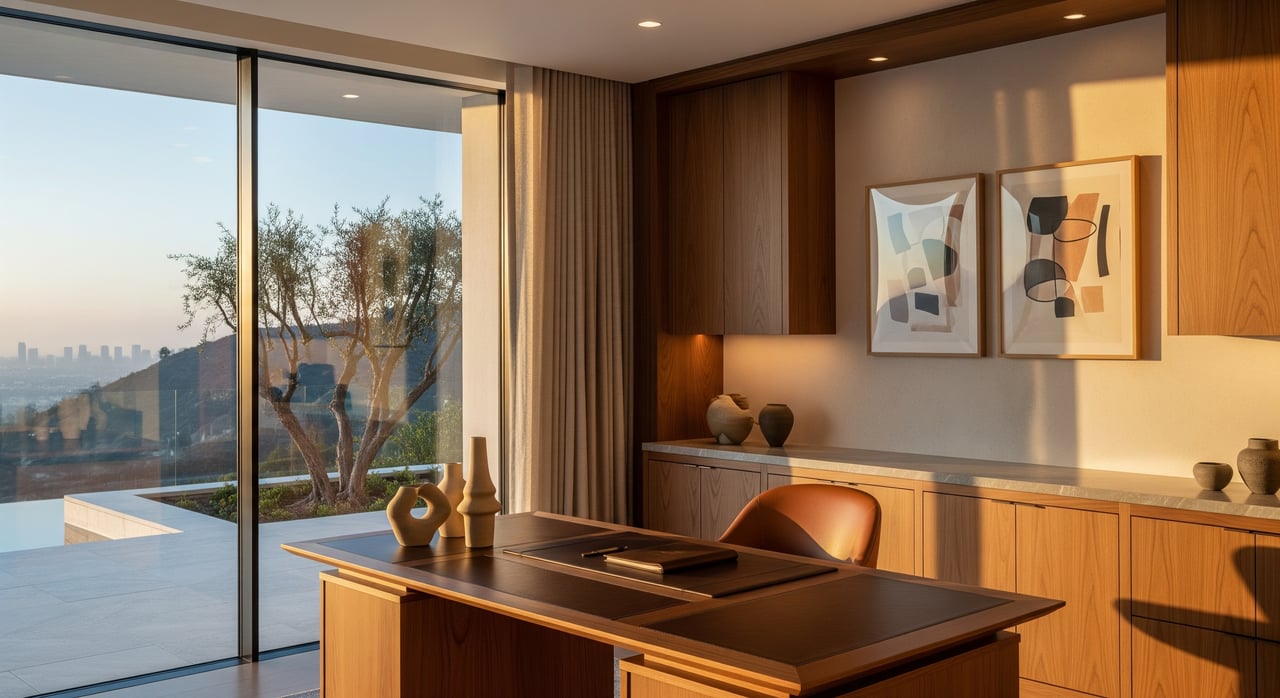
These homes are often associated with flat or low roofs, slab-on-grade or post-and-beam construction, large areas of glass, and clean lines. The result is a strong indoor-outdoor relationship and a more open, airy feel than many earlier homes.
What Makes Mid-Century Living Different
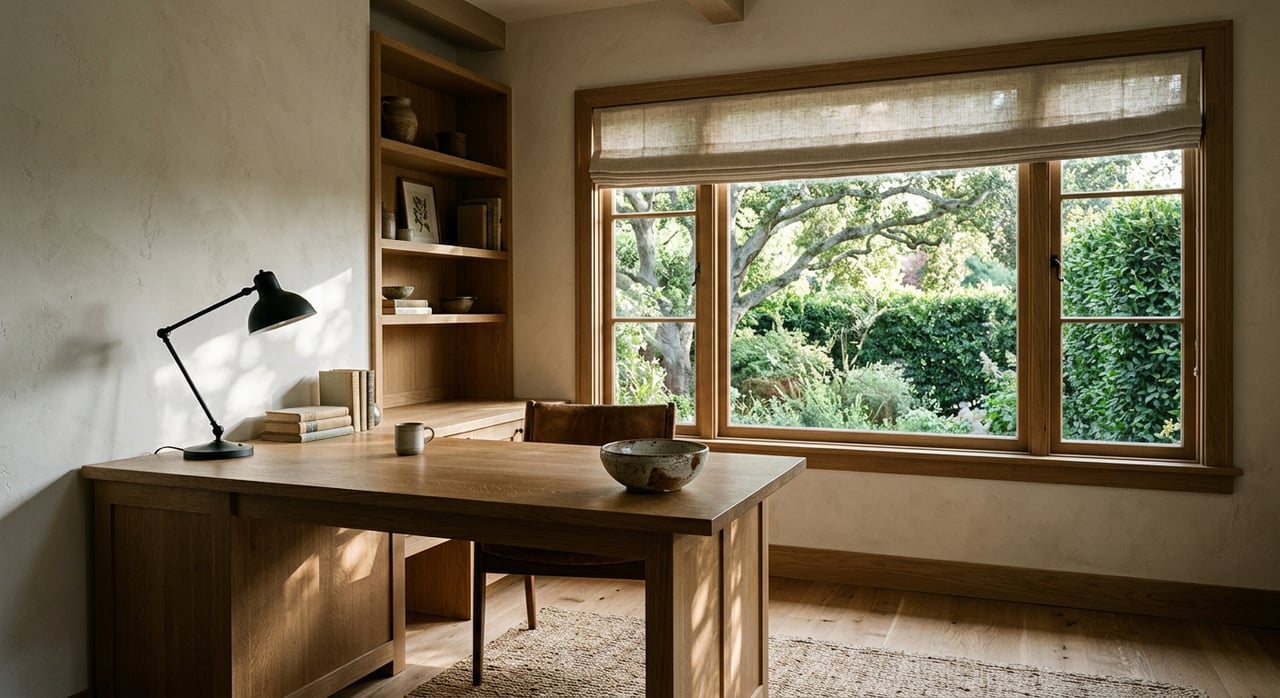
A mid-century house can feel remarkably current because of its light, flow, and visual simplicity. If you value openness, connection to the garden, and a restrained material palette, this style often delivers.
But simplicity can be deceptively demanding. Roof shape, window openings, and overall proportions do a great deal of the design work, so even small changes can alter the original composition more quickly than buyers expect.
Why Integrity Matters
For style-conscious buyers, intact character can matter beyond aesthetics. A peer-reviewed study cited in the research found sales price premia for a variety of architectural styles in existing buildings, but not for new construction. That suggests original character and architectural integrity may carry more weight than a style label alone.
In other words, a mid-century home that still reads clearly as mid-century may be more compelling than a heavily altered one. If provenance and design coherence matter to you, this is a meaningful lens.
Cottages and Smaller Character Homes
Defining the Cottage Feel
In Eagle Rock, cottage-like homes are less a single formal style and more a family of smaller, simpler houses. The neighborhood is dominated by single-family development, with relatively few multi-family properties, primarily bungalow courts.
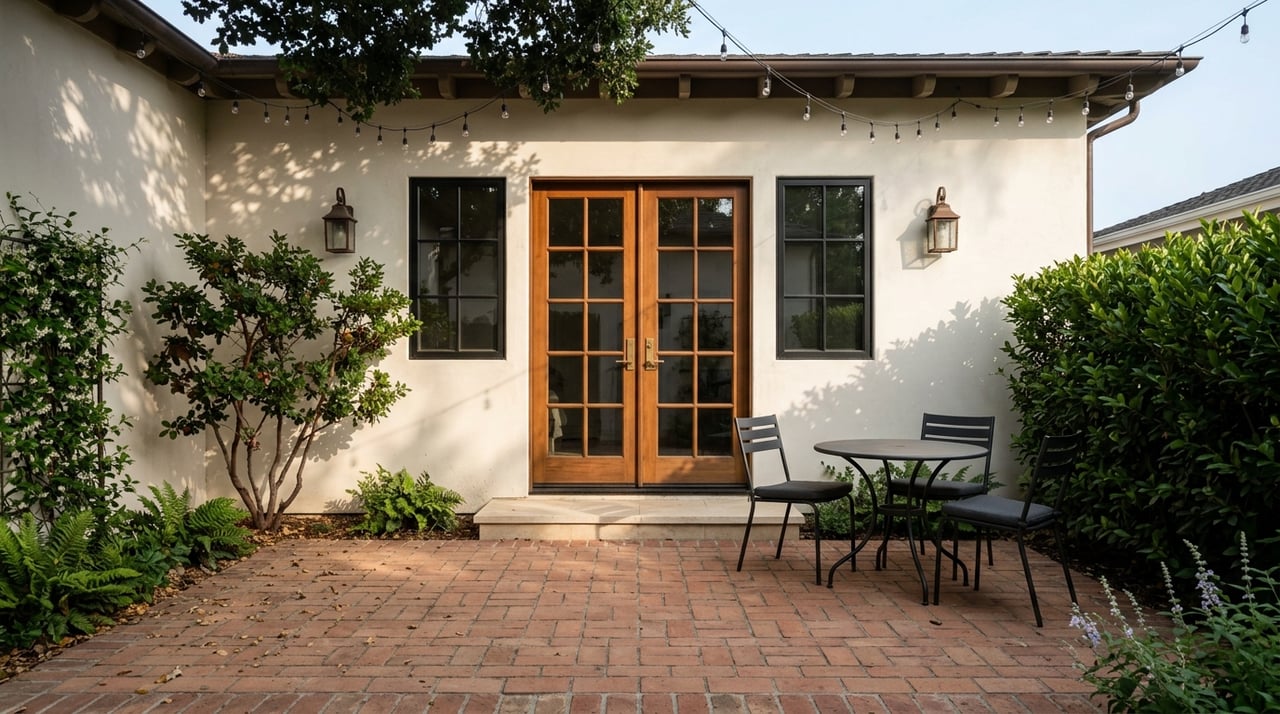
These compact homes are often one or one-and-one-half stories with porch-oriented fronts and simple massing. On historic blocks, they may sit on modest lots with detached rear garages and shallow setbacks, which contributes to their intimate street presence.
Why Scale Is Everything
Small homes often win buyers over with efficiency and charm. They can feel flexible, approachable, and easier to maintain than larger period houses, while still offering authentic architectural personality.
The key issue is scale. A thoughtful porch repair, modest addition, or sensitive window replacement may preserve the original look, while an oversized expansion can overwhelm the house and erase the proportion that made it appealing in the first place.
How to Evaluate Character Before You Buy
If you are considering an Eagle Rock character home, it helps to tour with both emotion and discipline. The style should speak to you, but the house also needs to support your daily life and your long-term plans.
Here are a few useful questions to keep in mind:
- Do the home’s defining features still appear intact?
- Does the floor plan fit how you actually live?
- Are you comfortable maintaining older materials and details?
- If you want to renovate, have you checked the property’s historic status first?
- Will preserving the home’s scale and proportions matter to you over time?
Los Angeles’ historic inventory tools can help confirm whether a parcel is contributing, altered, or non-contributing before remodel plans take shape. That is especially important in a neighborhood where review and preservation status can vary property by property.
Choosing the Right Style for You
Different character homes reward different priorities. The right match depends less on trend and more on how you want a home to feel, function, and age with you.
Choose Craftsman If You Value Detail
Craftsman homes tend to reward buyers who appreciate porches, woodwork, and visible craftsmanship. If you enjoy texture, layered materials, and a more traditional room-by-room experience, this style may feel especially natural.
Choose Mid-Century If You Value Light
Mid-century homes often appeal to buyers who want openness, glass, and strong indoor-outdoor flow. If clean lines and a calm architectural envelope matter more to you than ornament, this may be the better fit.
Choose a Cottage If You Value Scale
Smaller cottage-like homes reward buyers who appreciate compact living, flexibility, and a gentle street presence. If you are sensitive to proportion and do not need excess square footage, these homes can offer tremendous charm.
Why Style Knowledge Helps You Buy Better
In Eagle Rock, architecture is not just a backdrop. It shapes value, renovation choices, and how confidently you can evaluate what makes one house more compelling than another.
When you understand the difference between charm and integrity, or between cosmetic updates and meaningful preservation, you can buy with more clarity. That kind of perspective is especially useful in a neighborhood where character is one of the main reasons buyers look in the first place.
If you are considering an Eagle Rock home and want a more curator-minded perspective on architecture, condition, and long-term fit, Chelby Crawford offers thoughtful, concierge-level guidance for buyers who care about design, provenance, and smooth execution.
FAQs
What defines a Craftsman bungalow in Eagle Rock?
- In Eagle Rock, Craftsman bungalows are commonly associated with one- to two-story forms, broad gently pitched gables, porch-oriented fronts, low rooflines, and wood-based architectural detail.
What makes Eagle Rock mid-century homes different from older houses?
- Eagle Rock mid-century homes are typically known for flat or low roofs, large glass areas, clean lines, and a stronger indoor-outdoor flow than many earlier bungalow-era homes.
What should buyers know about historic review for Eagle Rock homes?
- Historic review can vary by parcel, and in Los Angeles some designated properties may require added review for exterior renovations, additions, landscaping, or paint changes.
What is the main renovation concern for Eagle Rock cottage-style homes?
- The main concern is scale, since oversized additions or alterations can overwhelm a smaller home’s original proportions and diminish the character that makes it distinctive.
How can buyers confirm whether an Eagle Rock home has historic status?
- Buyers can use Los Angeles city historic inventory tools to check whether a parcel is designated, contributing, altered, or non-contributing before planning a remodel or major exterior changes.