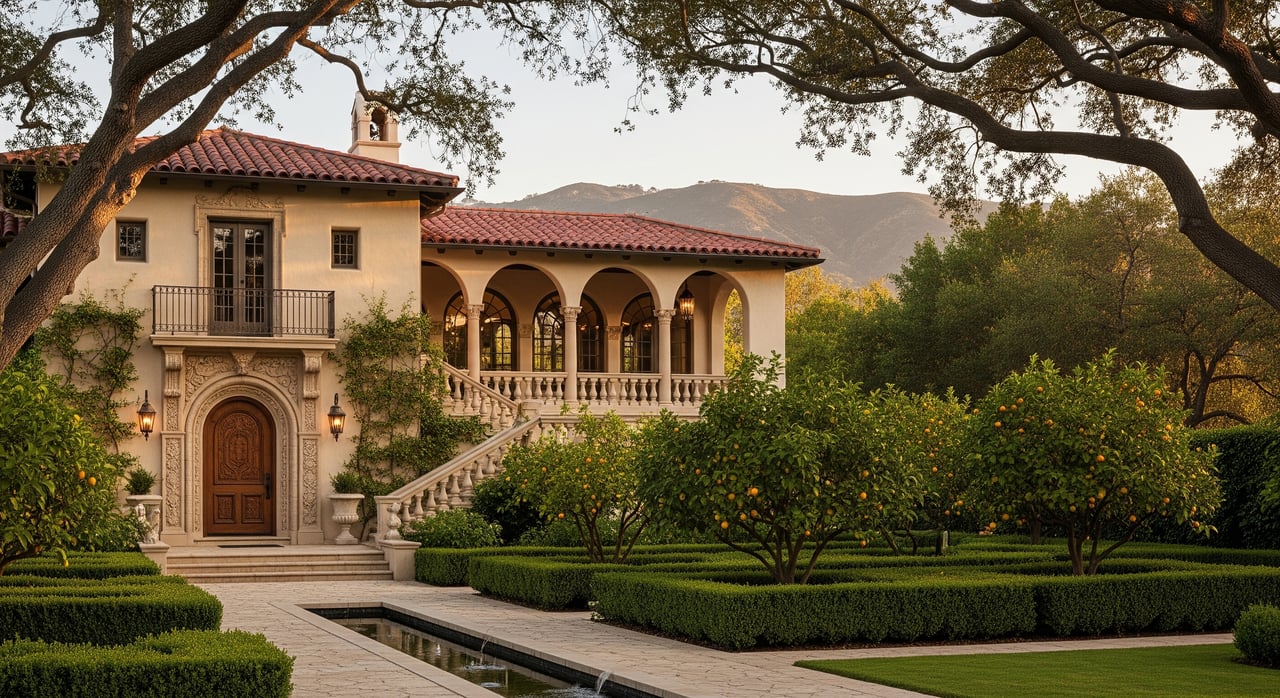
What makes one Pasadena estate ignite a bidding war while another lingers, even at a similar price? In a city where architecture, heritage, and lifestyle intersect, true value is more than square footage. You want to understand what really moves the needle so you can buy with confidence or sell with precision. Here is a clear, local guide to the factors that shape luxury pricing in Pasadena and how to use them to your advantage. Let’s dive in.
What luxury means here
In Pasadena, “luxury” is not a single number. Professionals often use two lenses at once. One is percentile based, where luxury reflects roughly the top 5 to 10 percent of local sales. The other is a dollar threshold that shifts with the market, typically in the multi‑million range. Both are helpful for setting expectations and understanding how your property fits the field.
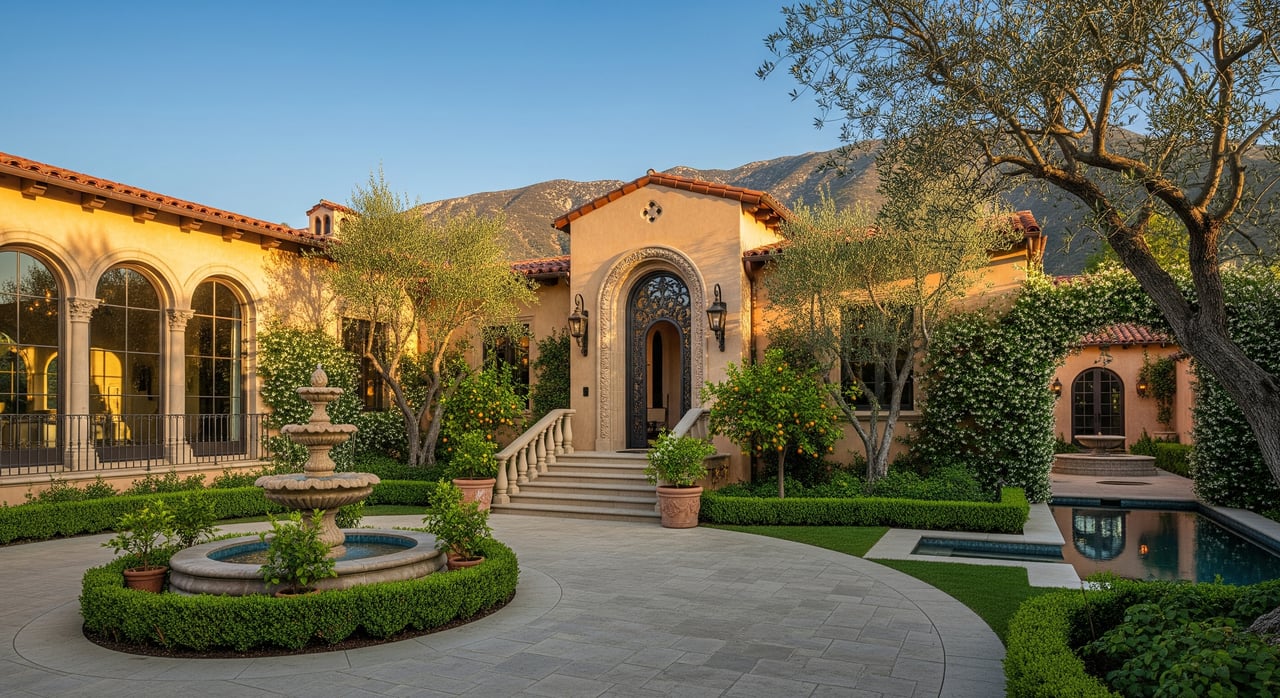
Product matters as much as price. In Pasadena, luxury is signaled by architectural provenance, generous lots, privacy, outdoor amenities, and a setting in a prestige neighborhood. The result is a market where place, provenance, and product work together to define value.
Location and neighborhood prestige
Arroyo and western hills
Pockets along the Arroyo Seco, including Upper and Lower Arroyo and South Arroyo, draw strong demand. You see a mix of larger lots, leafy streets, and access to recreation. San Rafael Heights also attracts premium buyers who value privacy and hillside settings.
Old Pasadena and South Lake access
Proximity to shopping, dining, and cultural venues near Old Pasadena and South Lake Avenue raises day‑to‑day convenience and desirability. Walkability and short commutes to employment centers add pull for relocating executives and local professionals.
Caltech area and nearby streets
Areas near Caltech benefit from academic and cultural gravity, tree‑lined character, and central access. Buyers compare these blocks against other prestige pockets based on lot size, home style, and street ambiance.
Nearby benchmarks
Neighboring enclaves like San Marino and La Cañada Flintridge influence expectations and pricing benchmarks. Many buyers cross‑shop these areas, which means your Pasadena home must be positioned carefully against strong regional alternatives.
Architecture and provenance
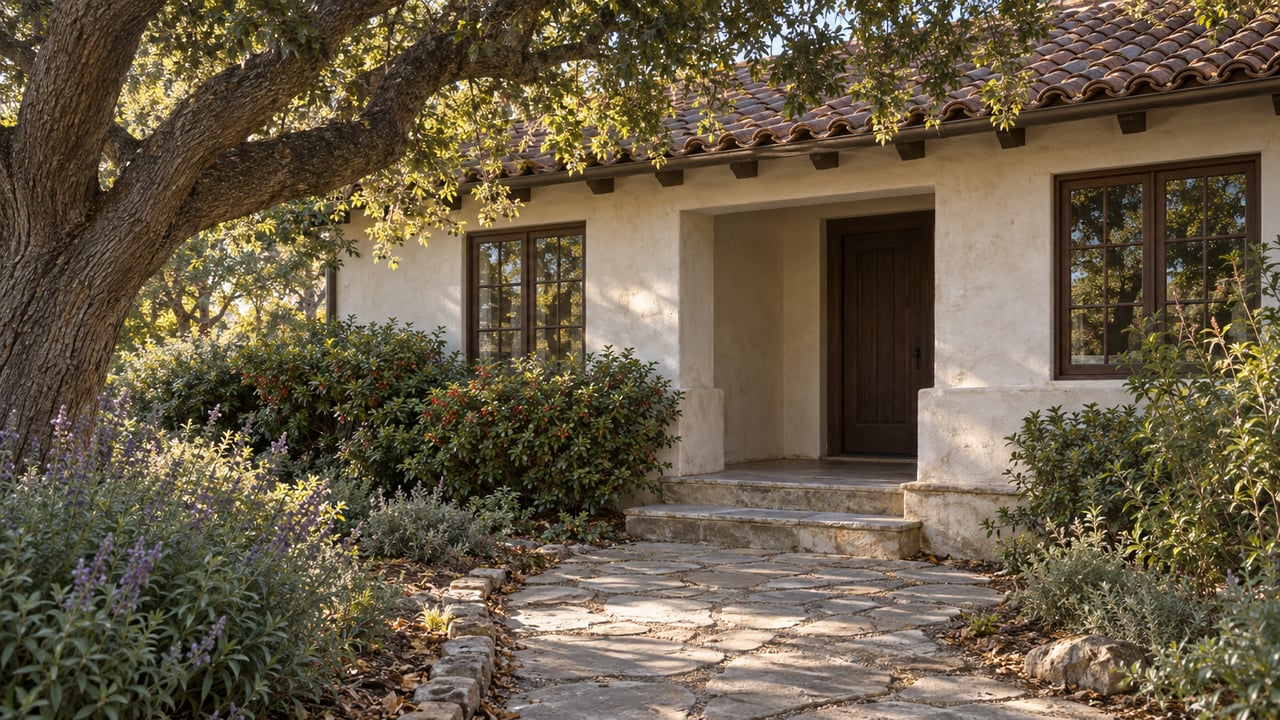
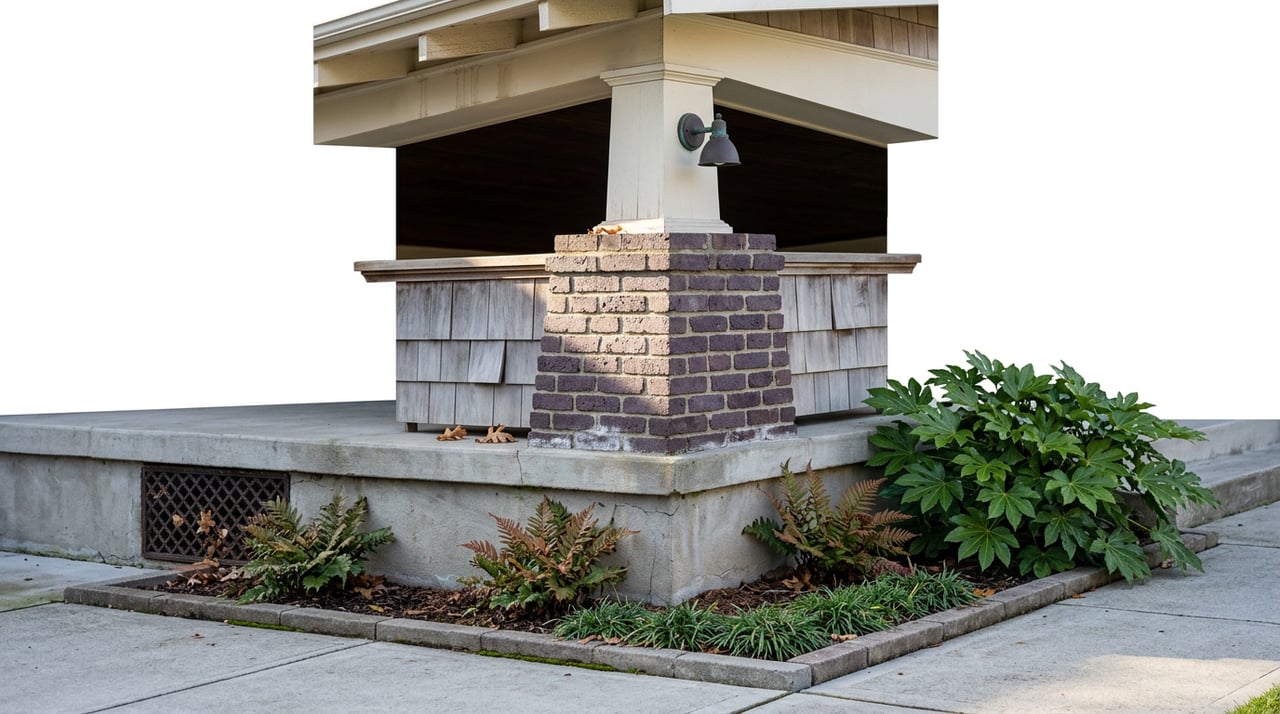
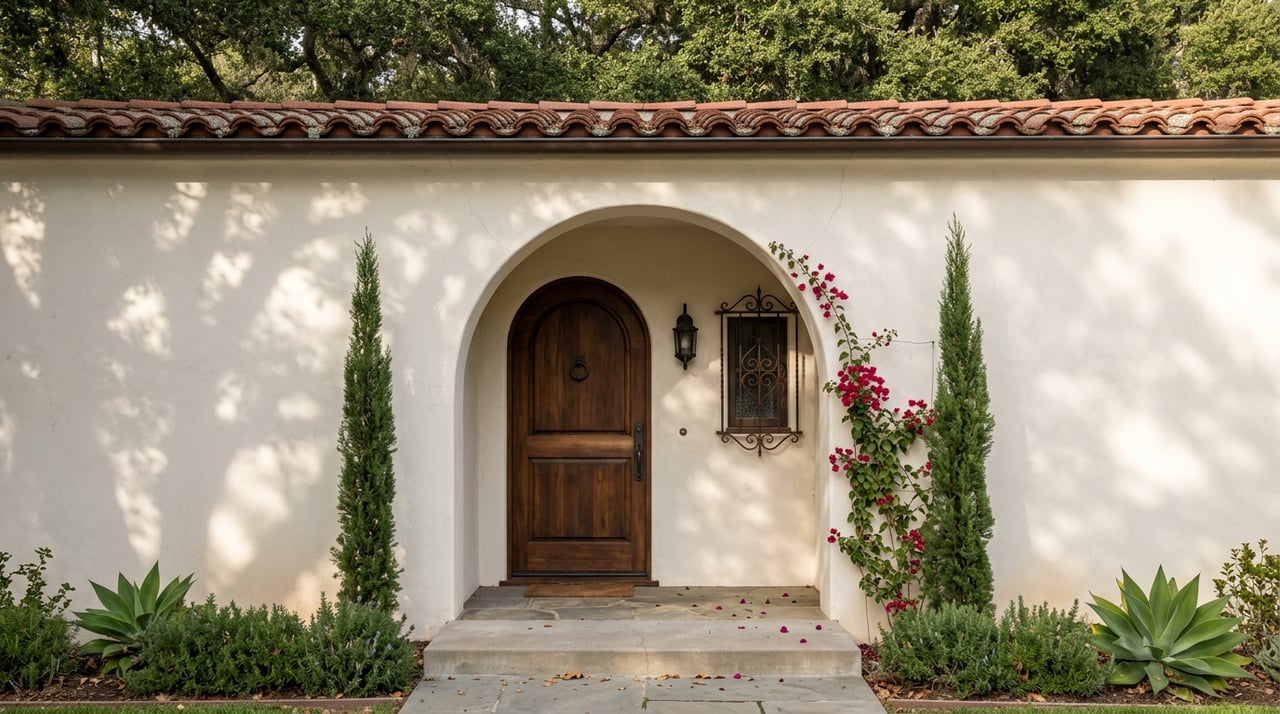
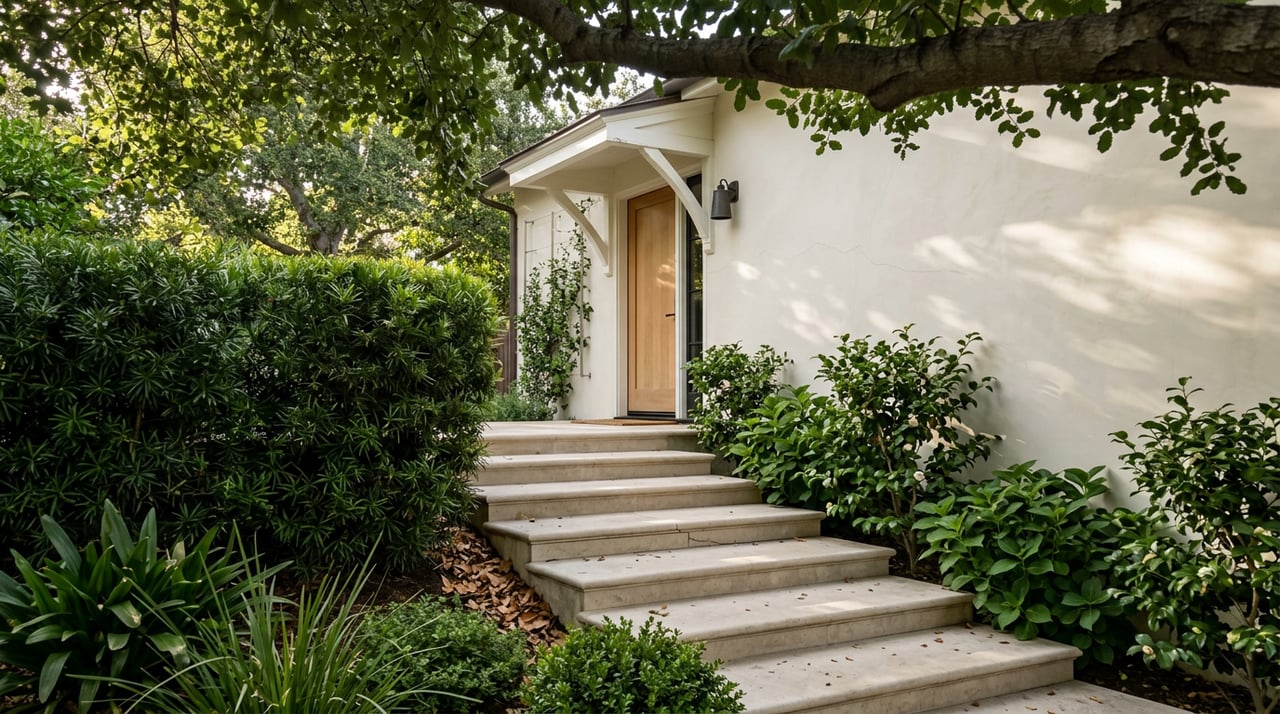
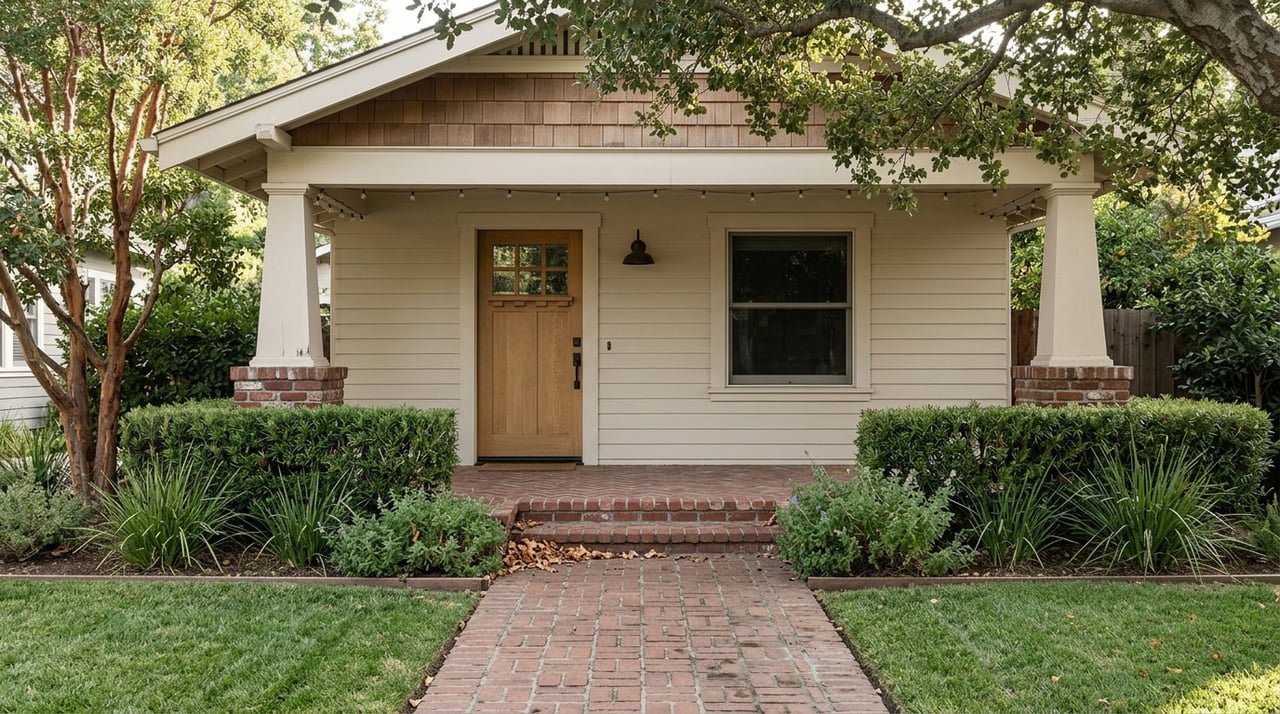
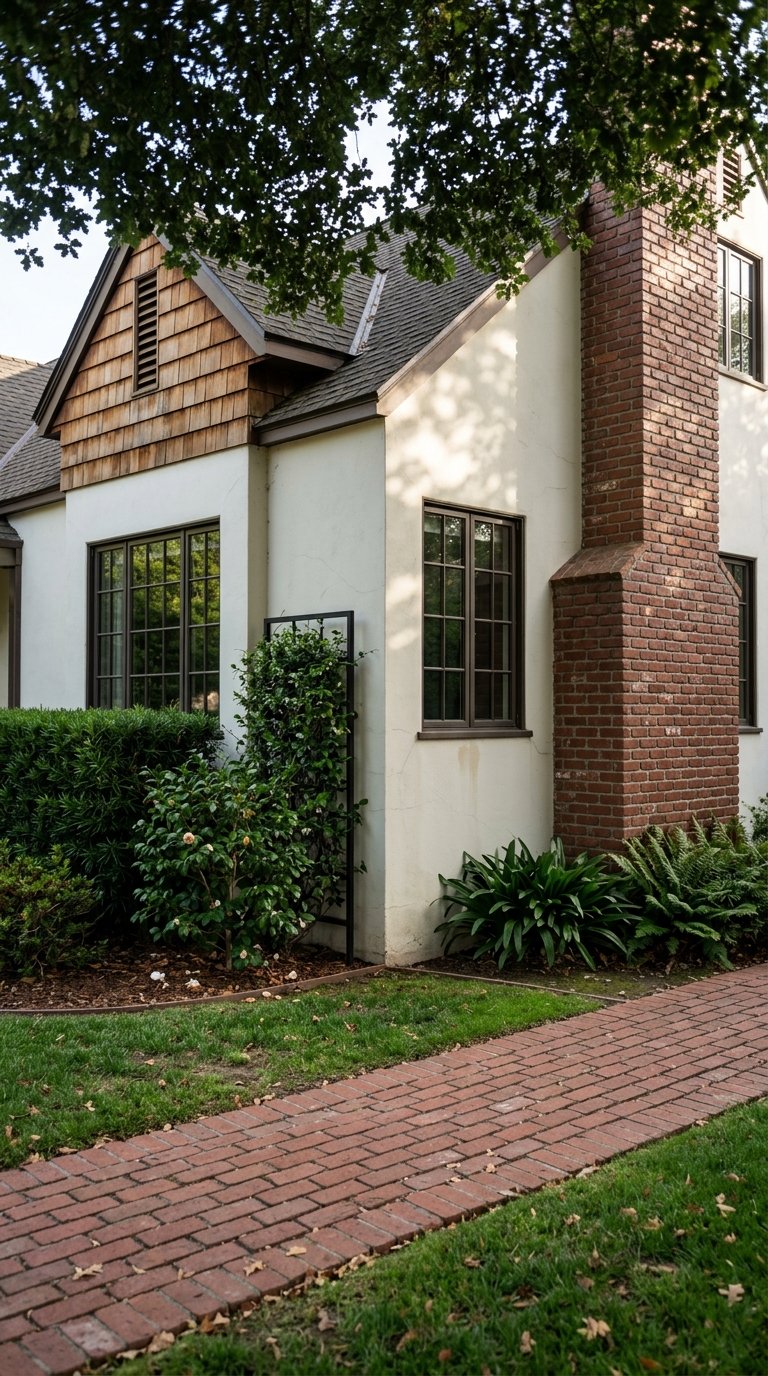
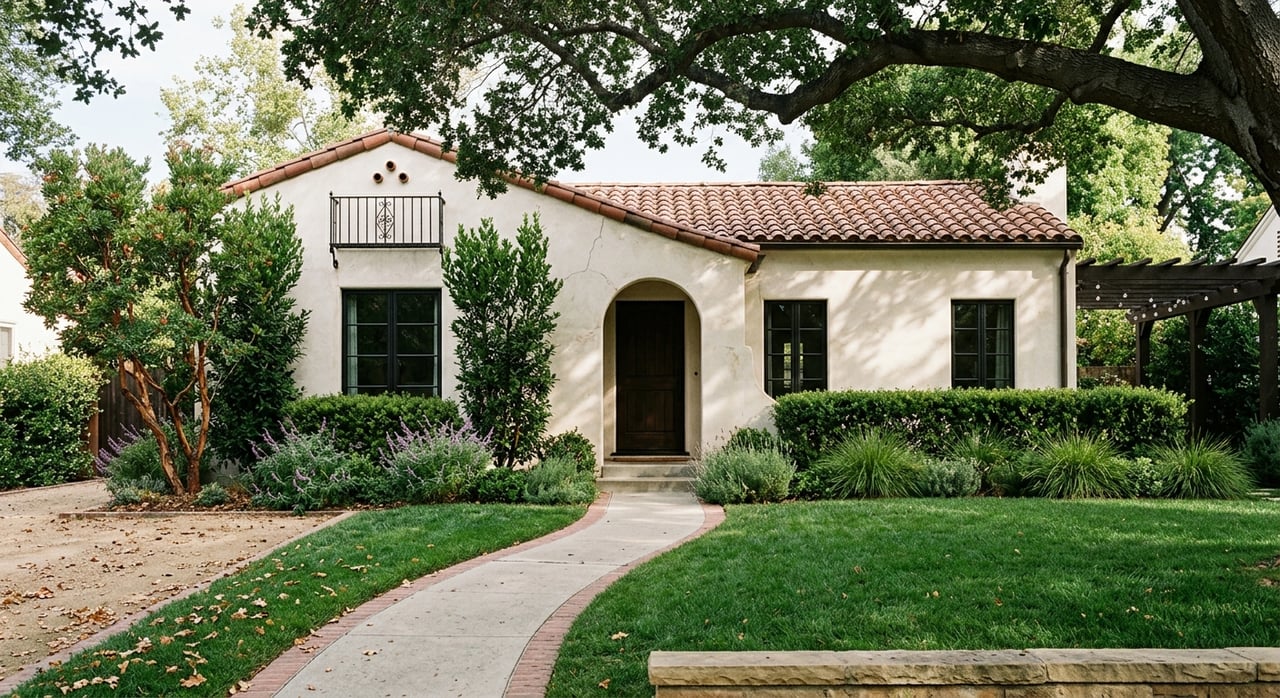
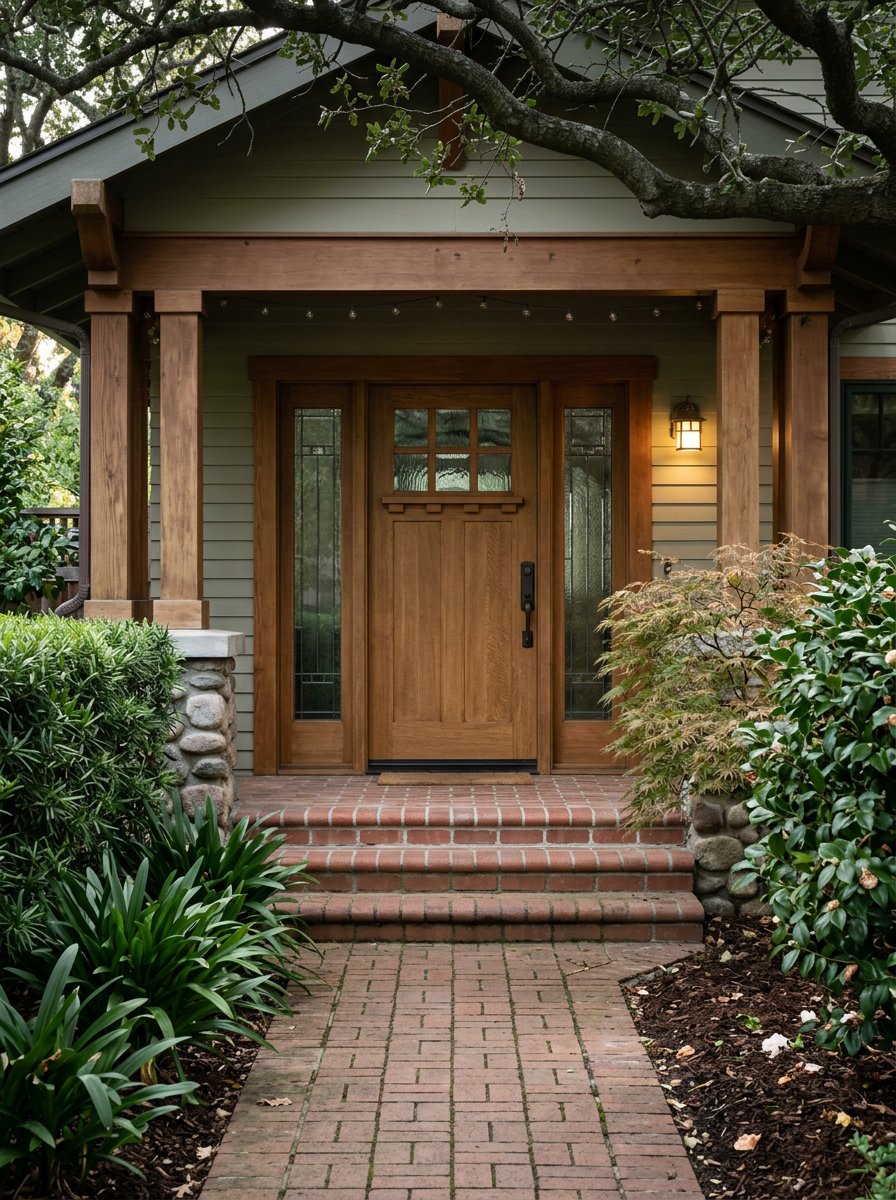
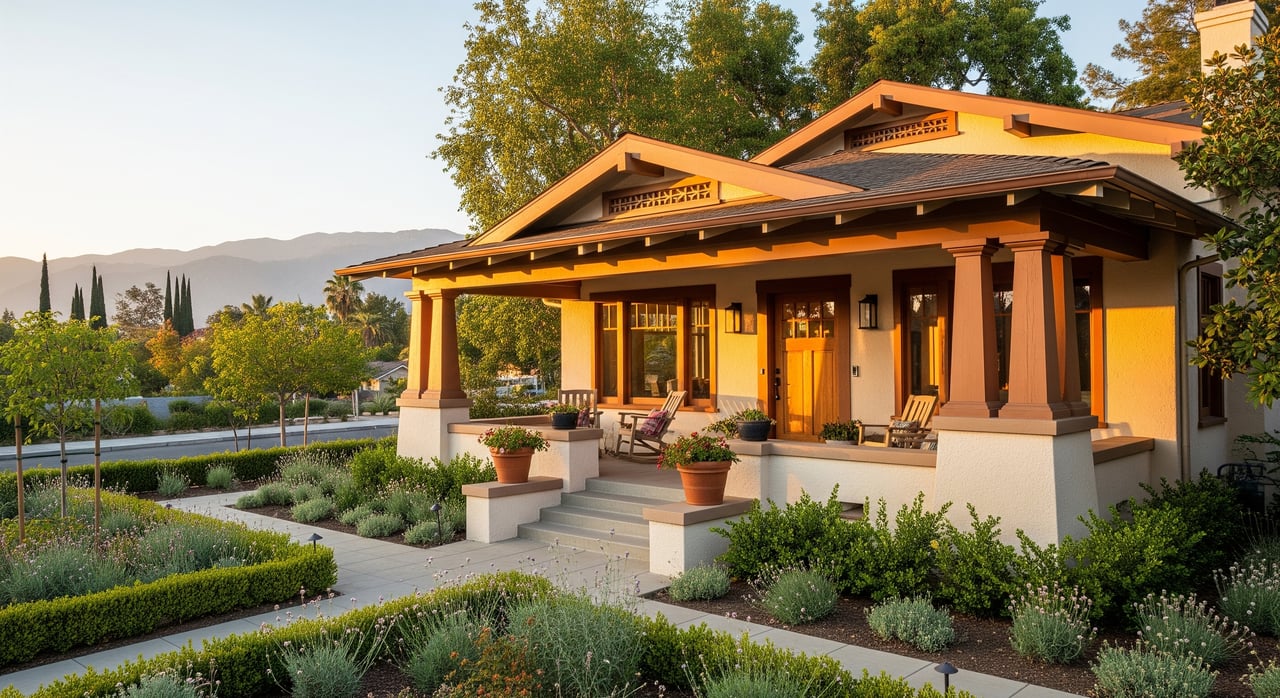
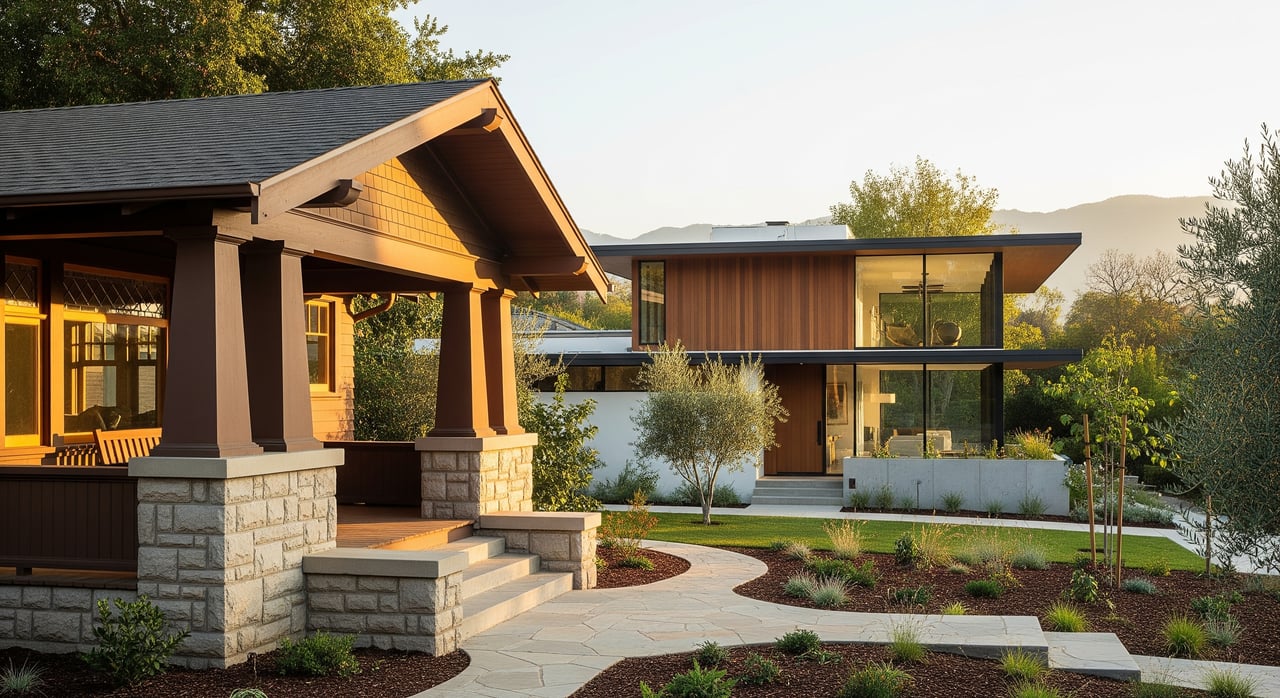
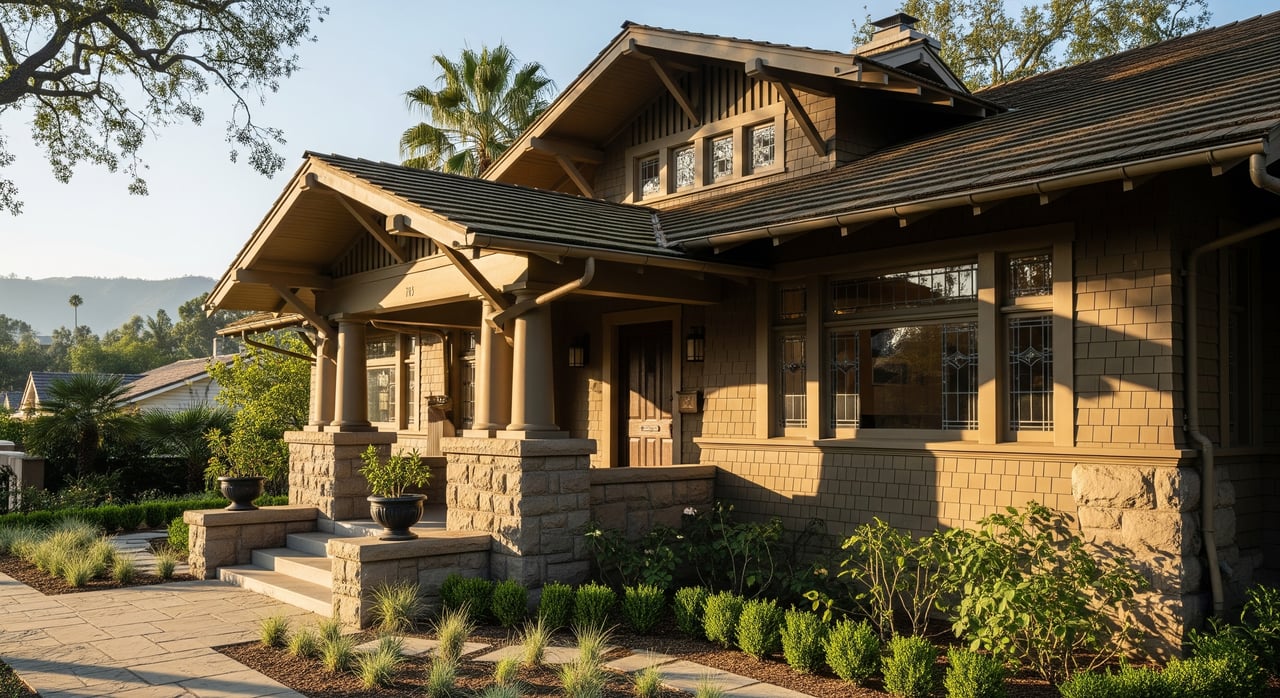
Architect‑designed homes and those with noted pedigree command attention. Pasadena’s history with period architects, including celebrated Craftsman examples, gives these properties a scarcity premium. Landmark or architecturally significant homes are collectible. Buyers respond to originality, thoughtful restoration, and the integrity of details.
When marketing, highlight verifiable provenance, period‑correct upgrades, and any restoration work. When buying, verify attribution, documents, and the quality of past alterations.
Historic status and tax effects
Historic designation can increase prestige and marketability. It also brings review processes for exterior changes that some buyers find limiting. The net effect depends on the buyer profile and how central the home’s historic cachet is to the purchase.
Some historic properties may qualify for tax relief programs such as the California Mills Act if the city participates. These programs can reduce property taxes in exchange for maintenance commitments. Always verify current participation, obligations, and long‑term costs before you factor tax savings into value.
Lot, views, and outdoor living
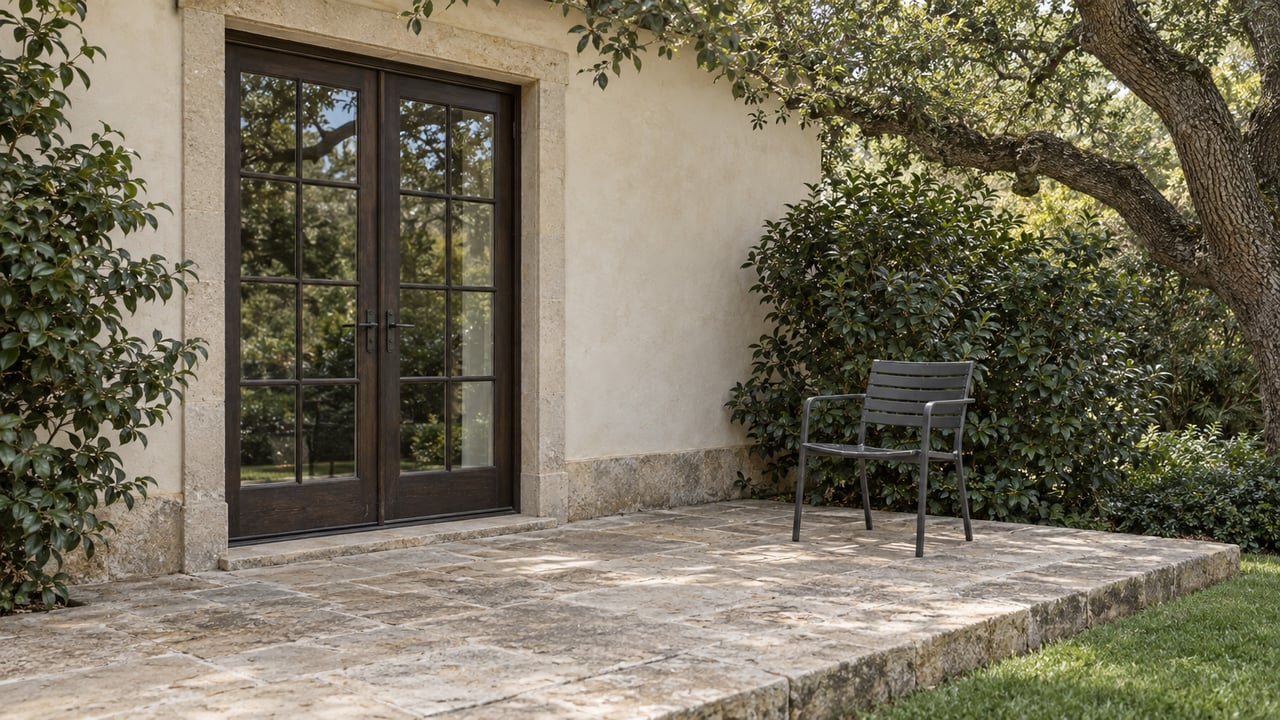
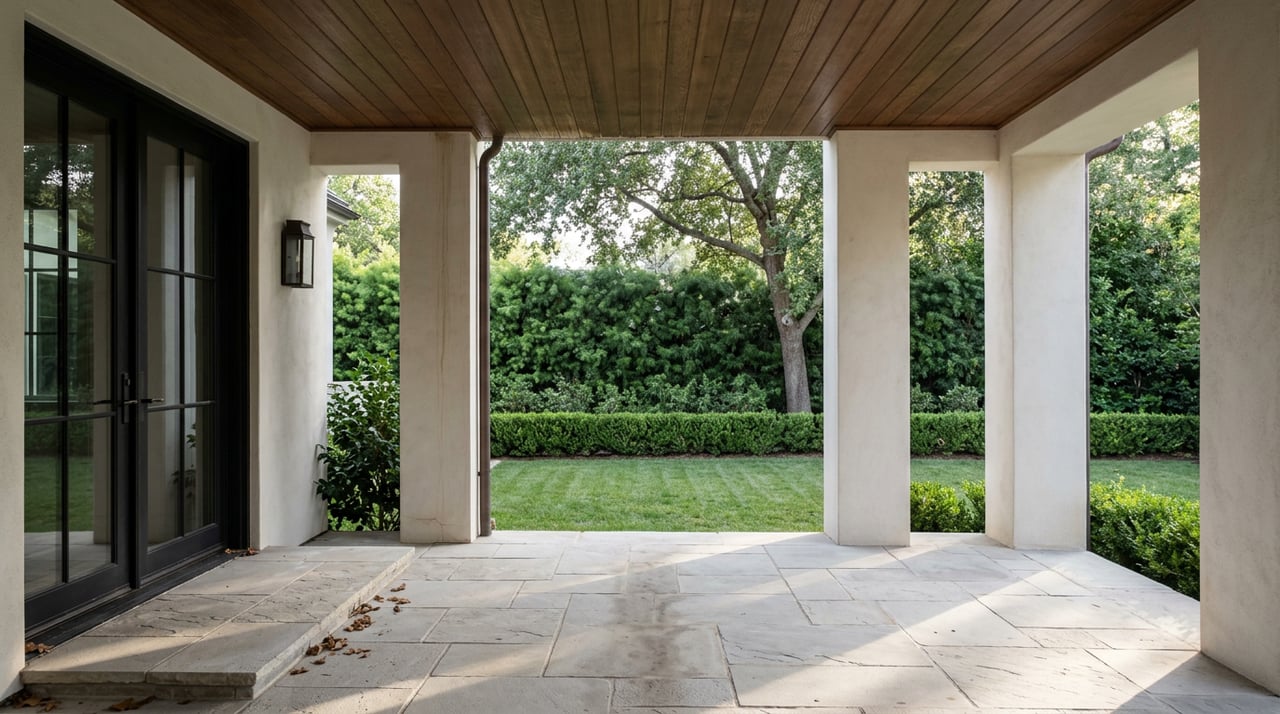
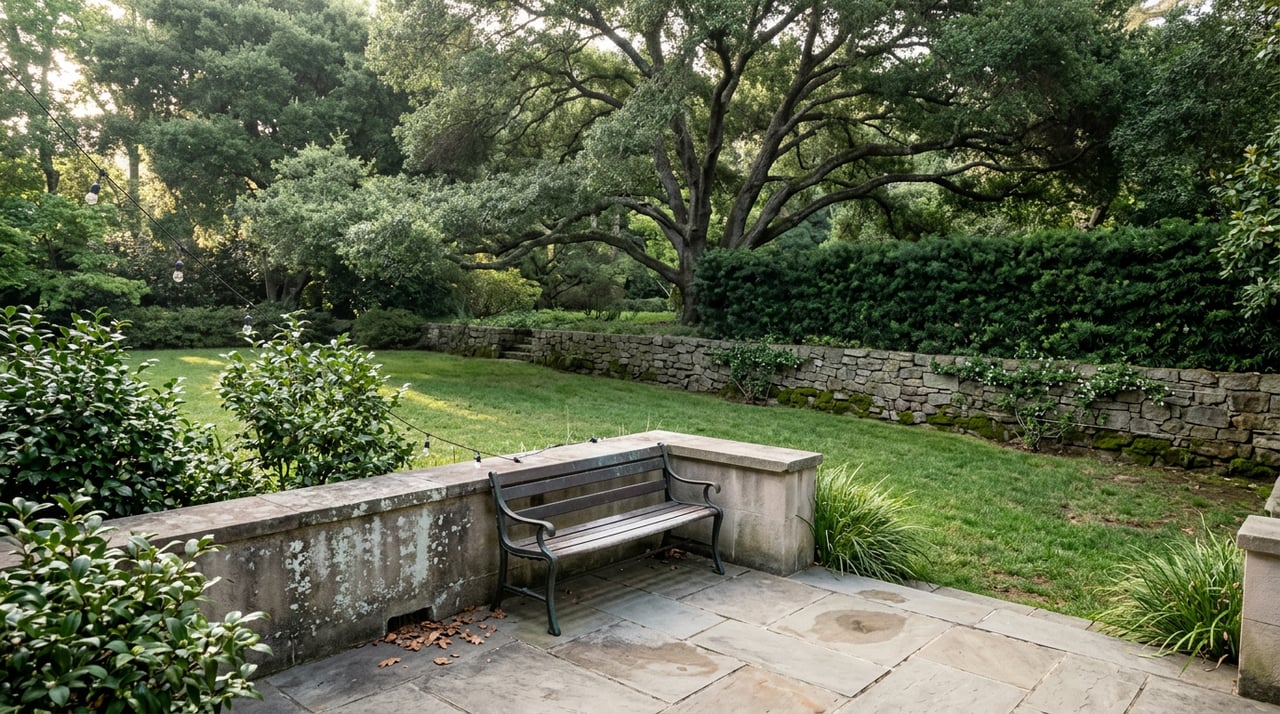
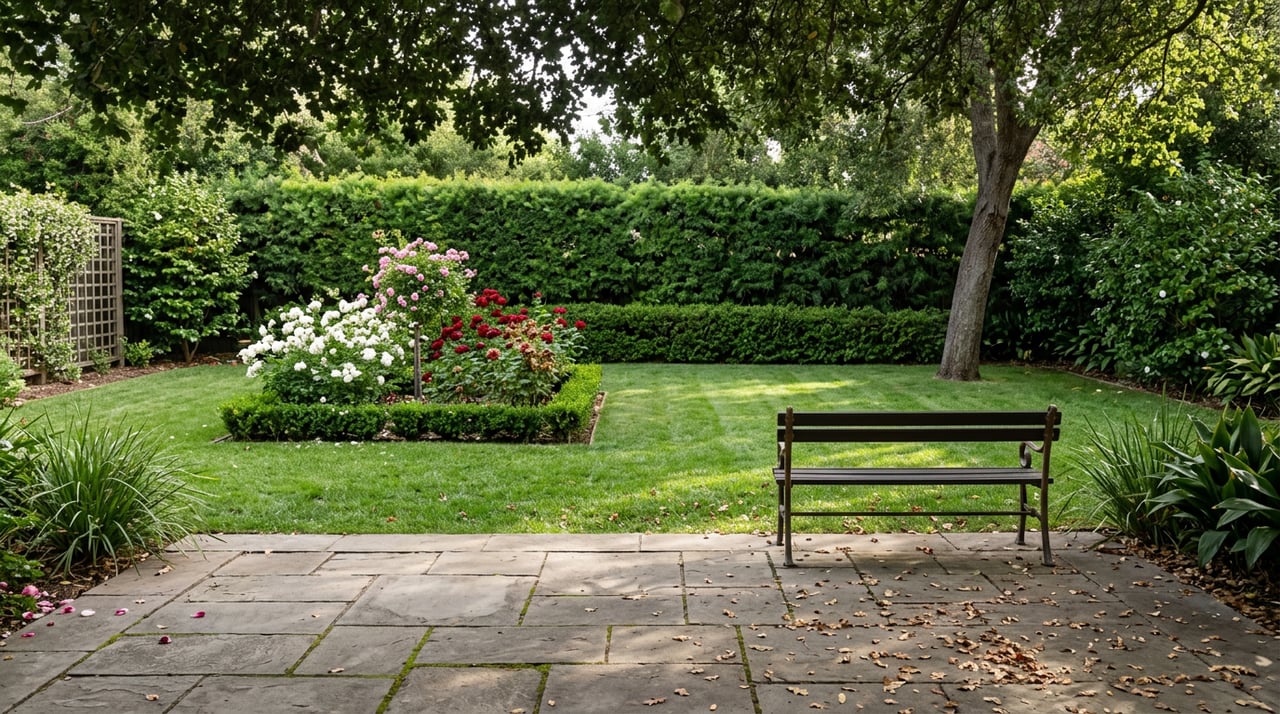
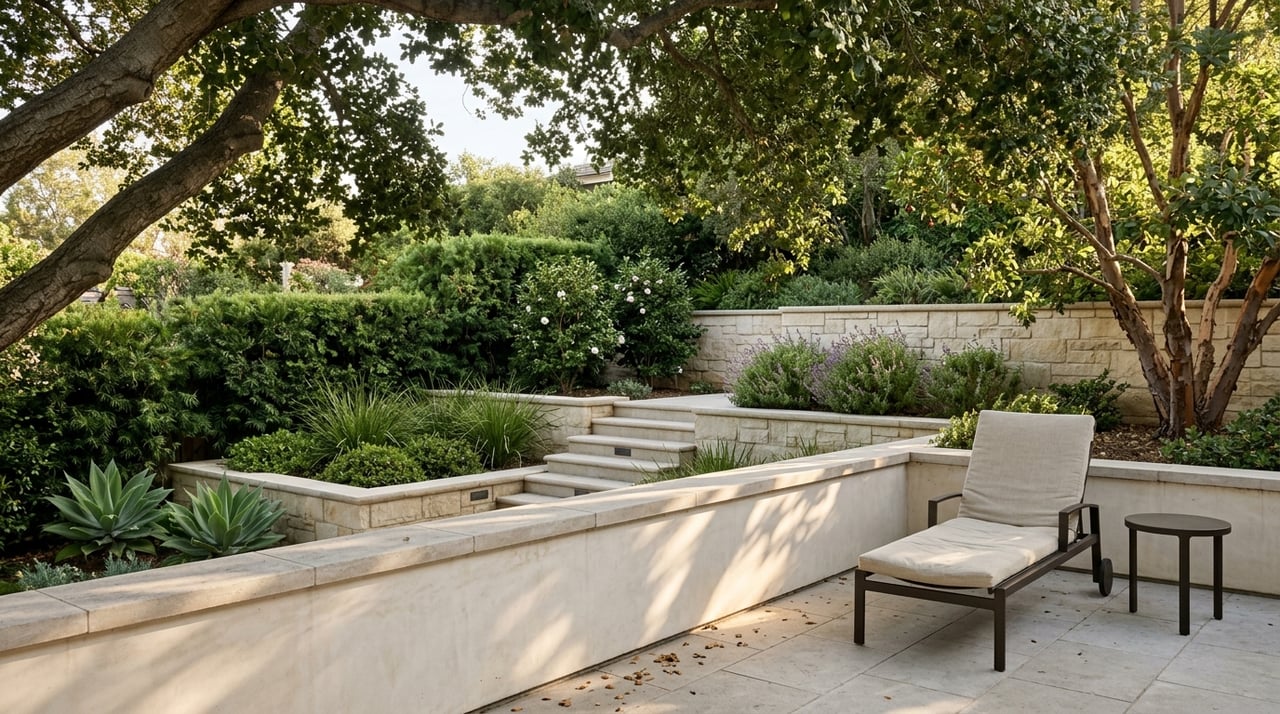
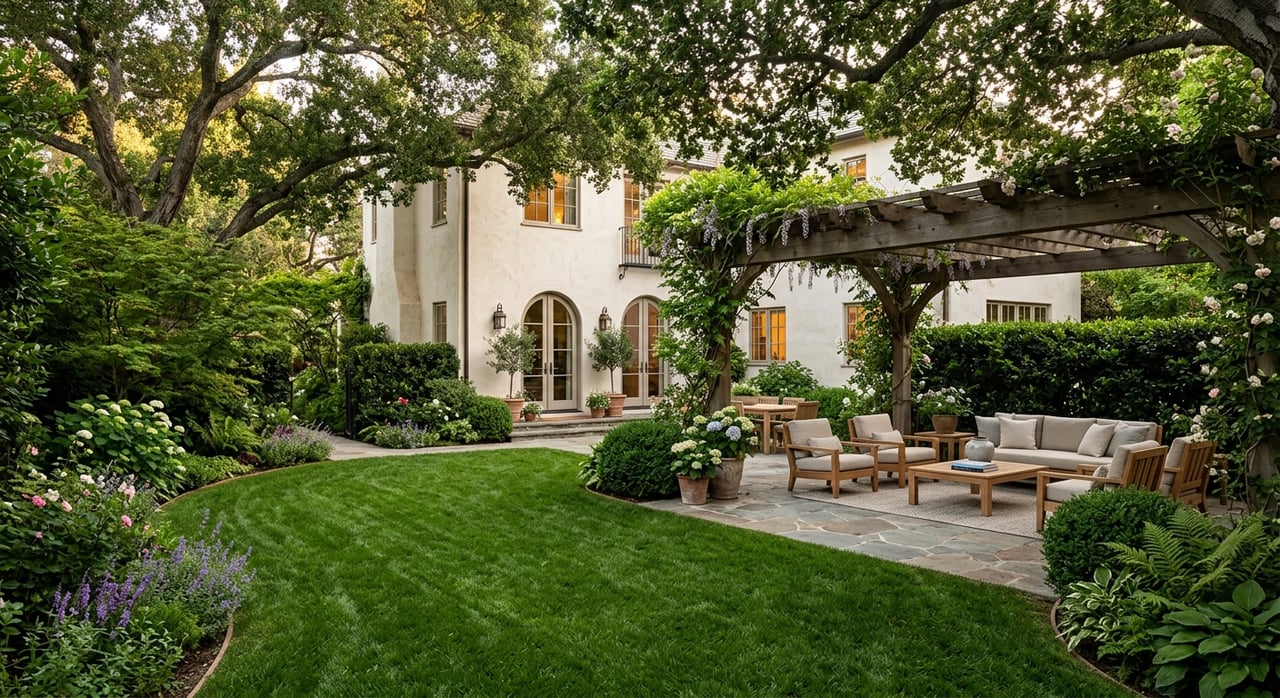
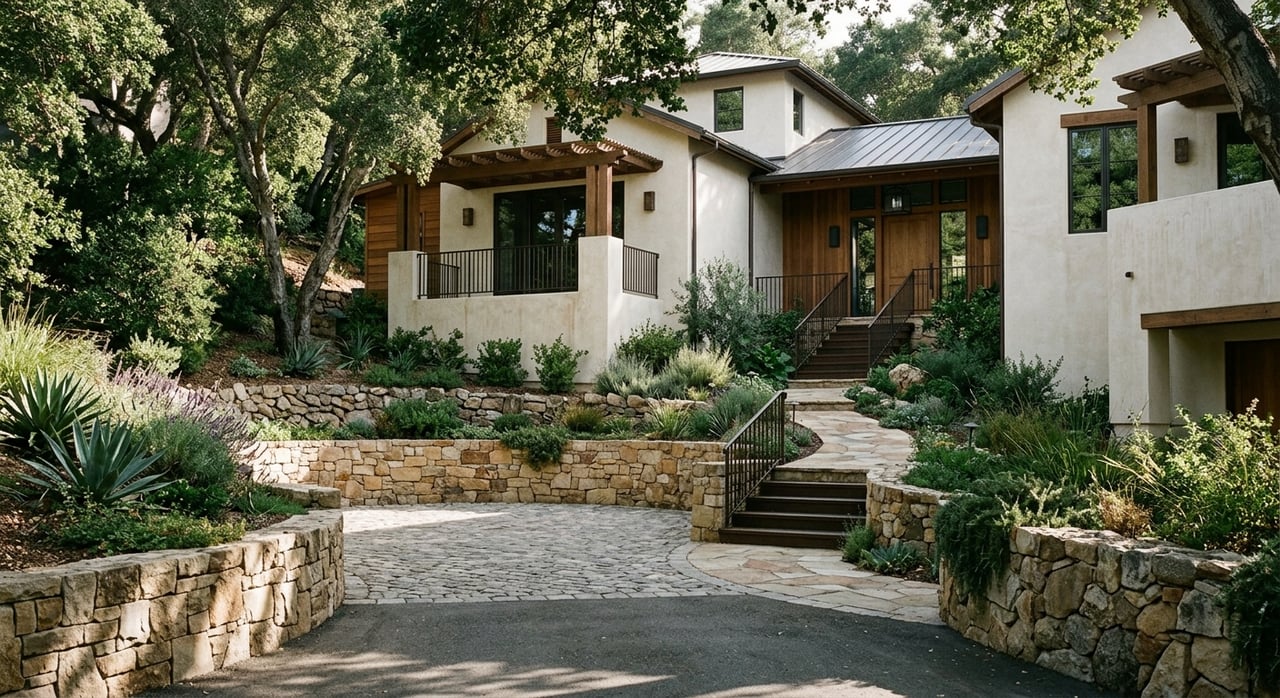
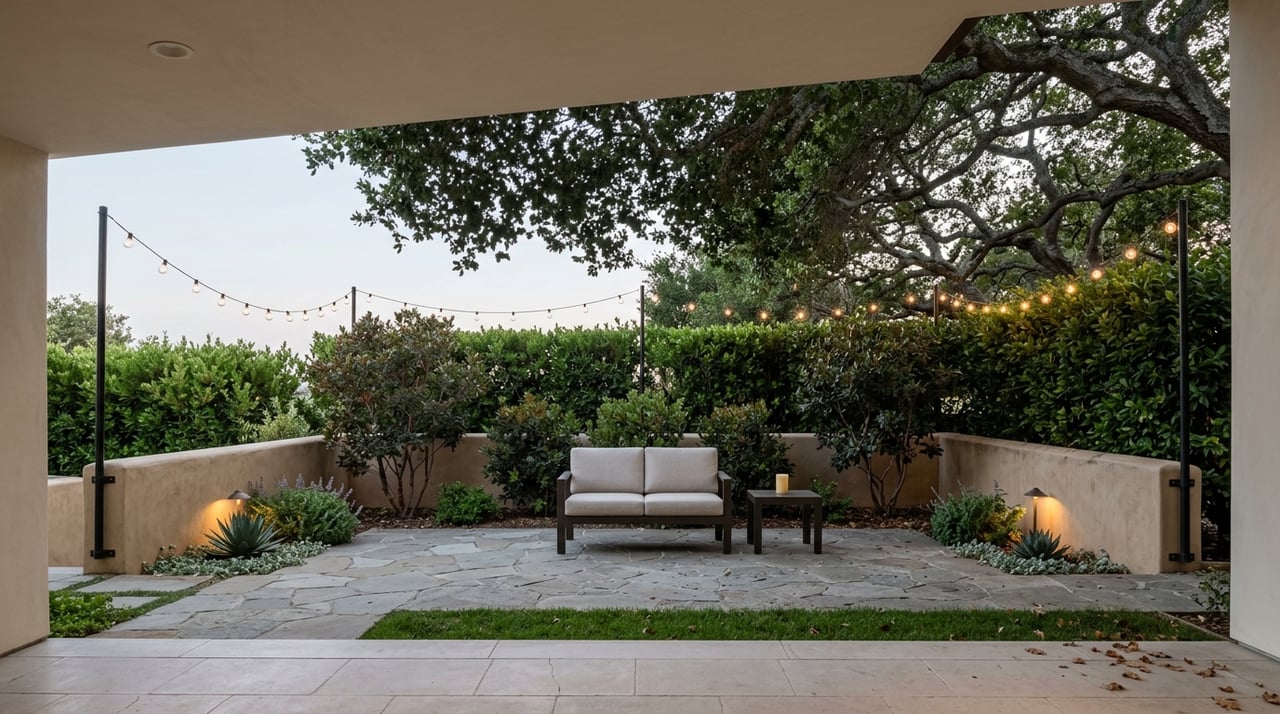
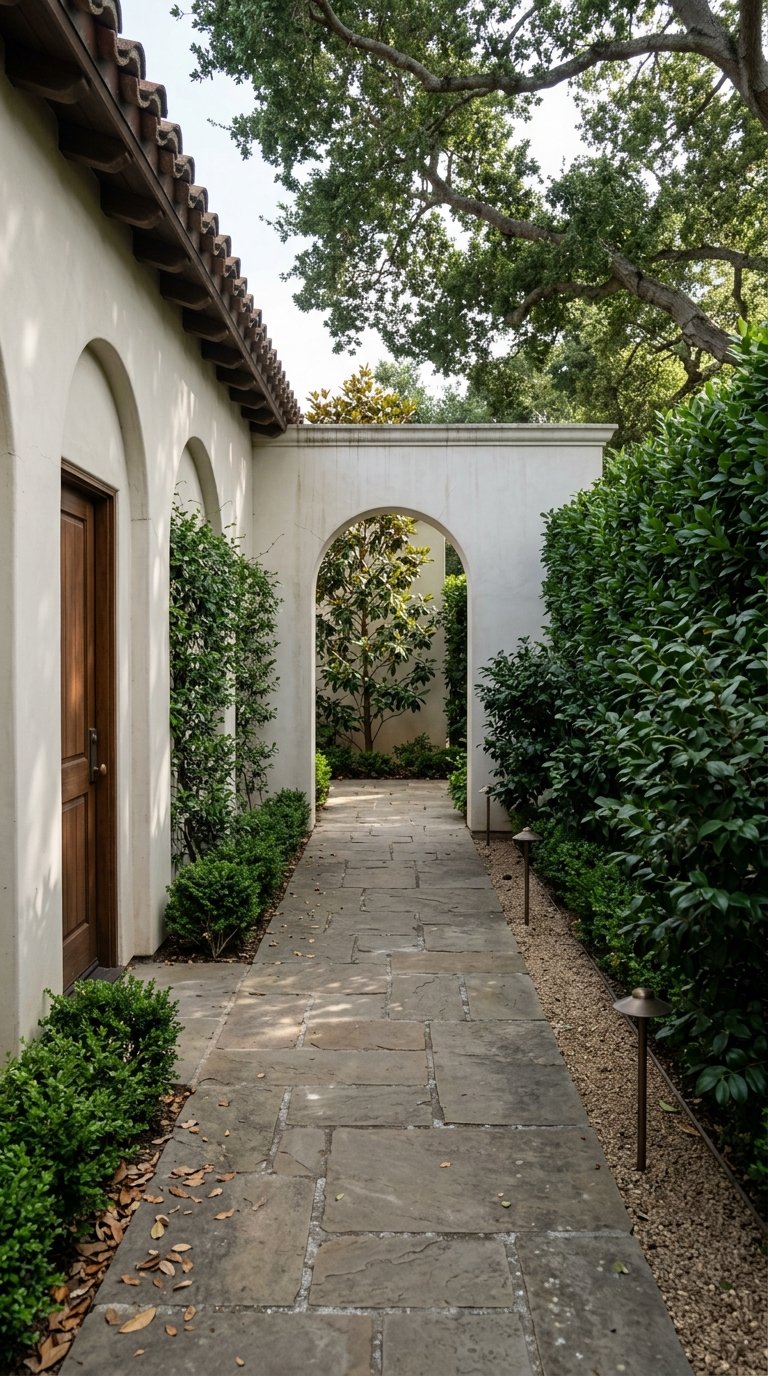
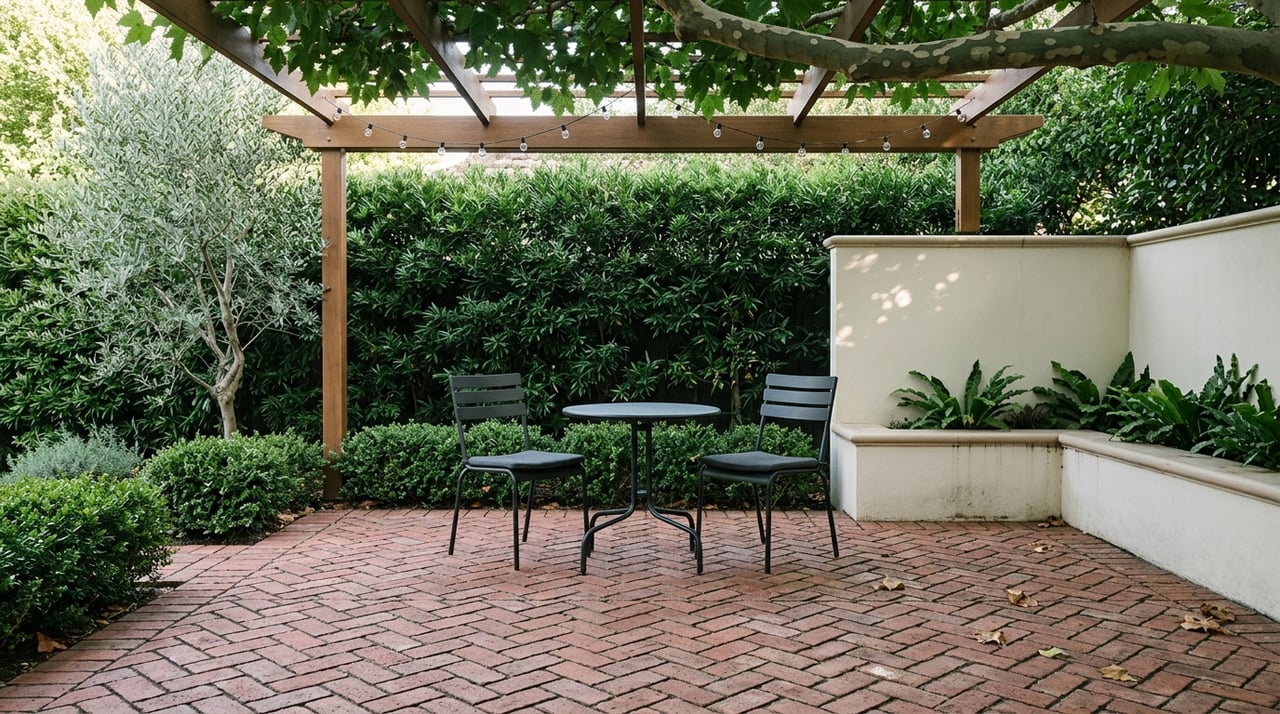
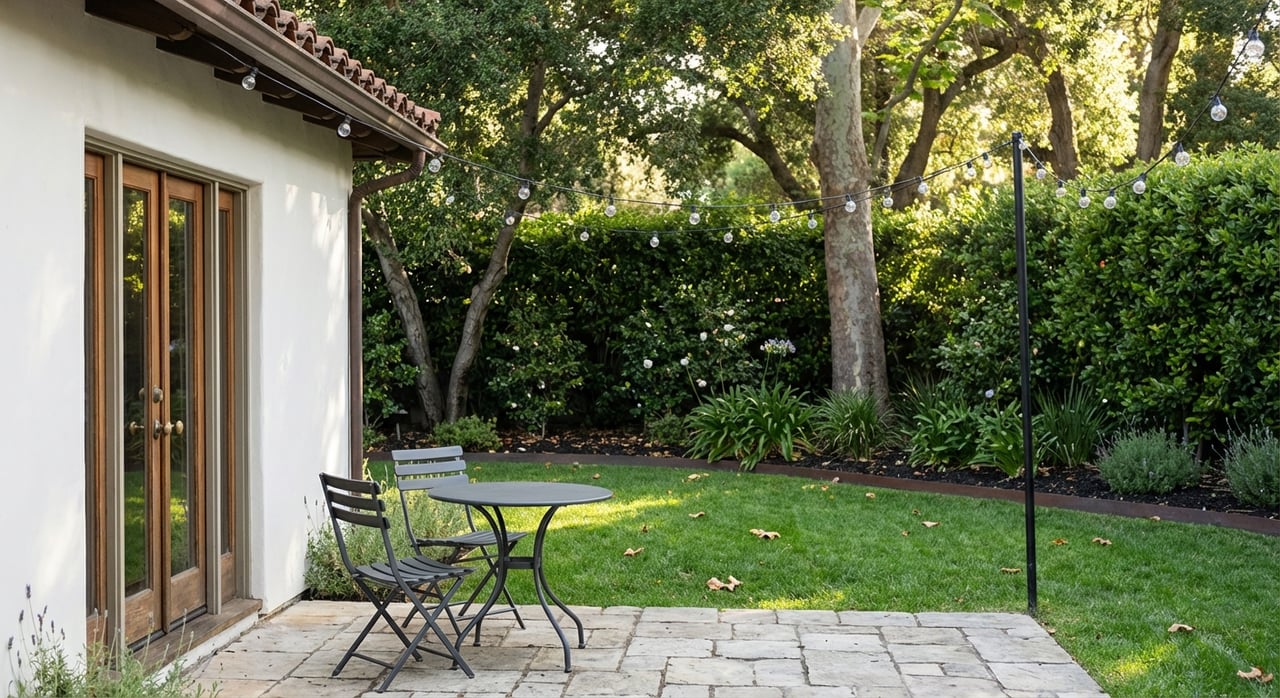
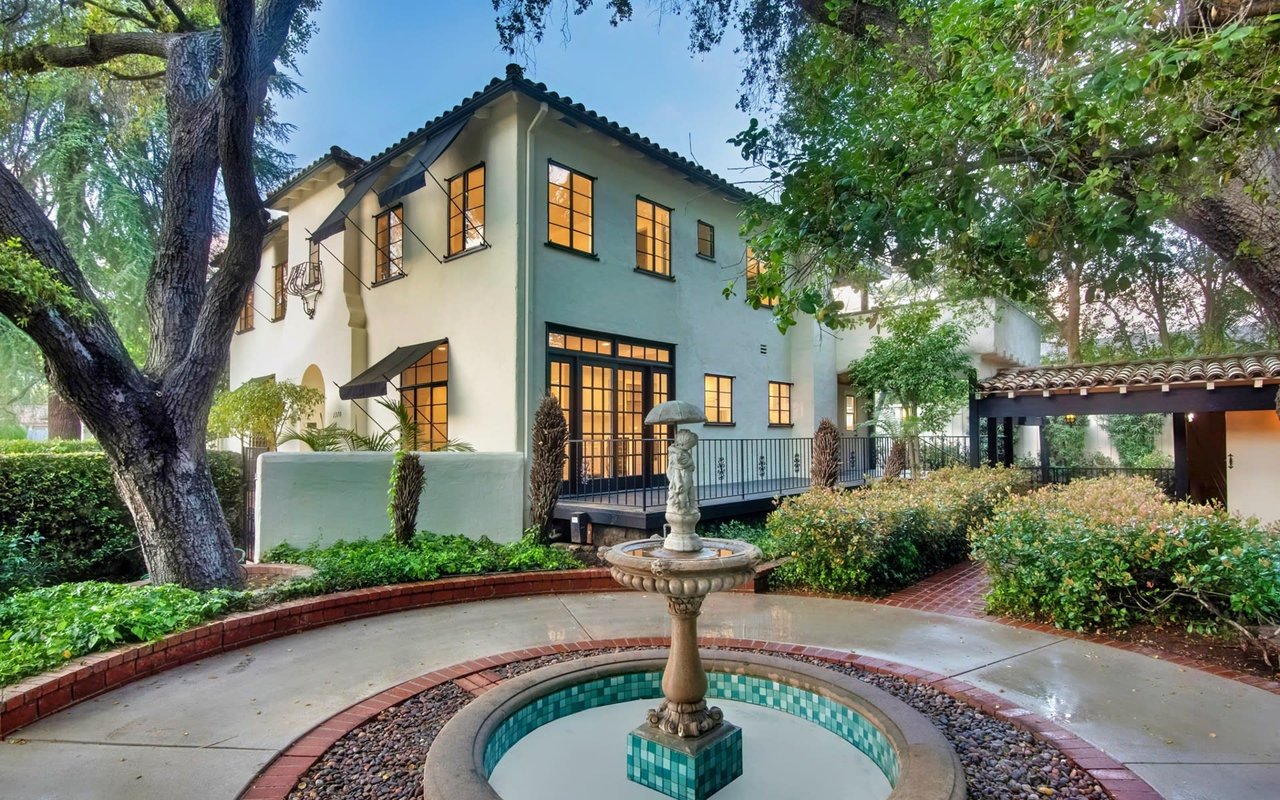
Large, landscaped lots are a prized rarity in greater Los Angeles. In Pasadena, usable outdoor space, mature trees, and private entertaining areas often create a step‑change in value. Hillside properties with views trade at premiums when access and usability align.
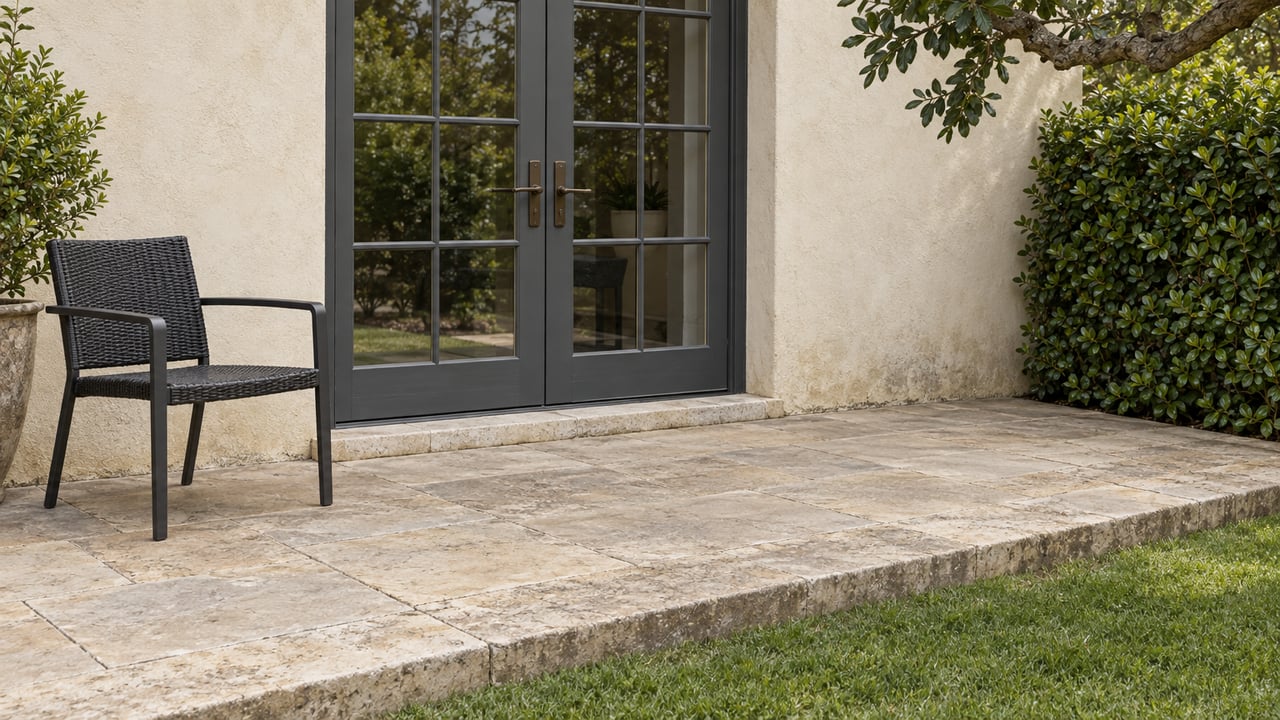
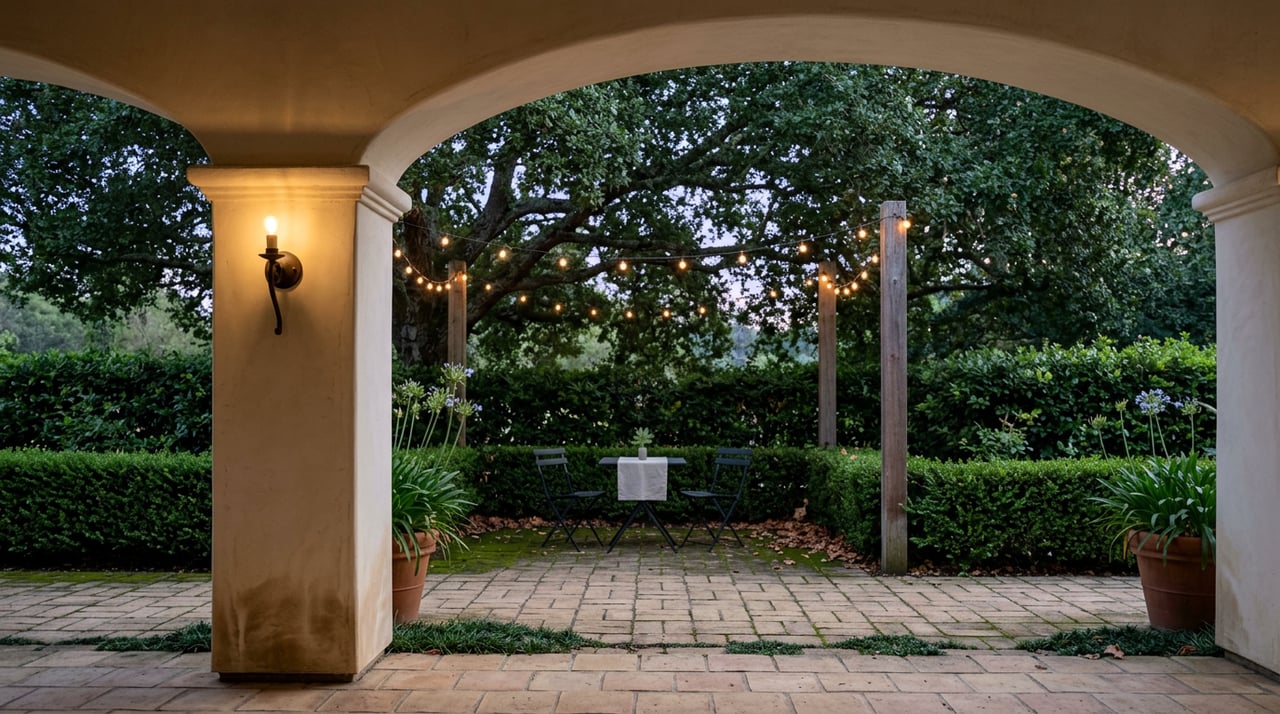
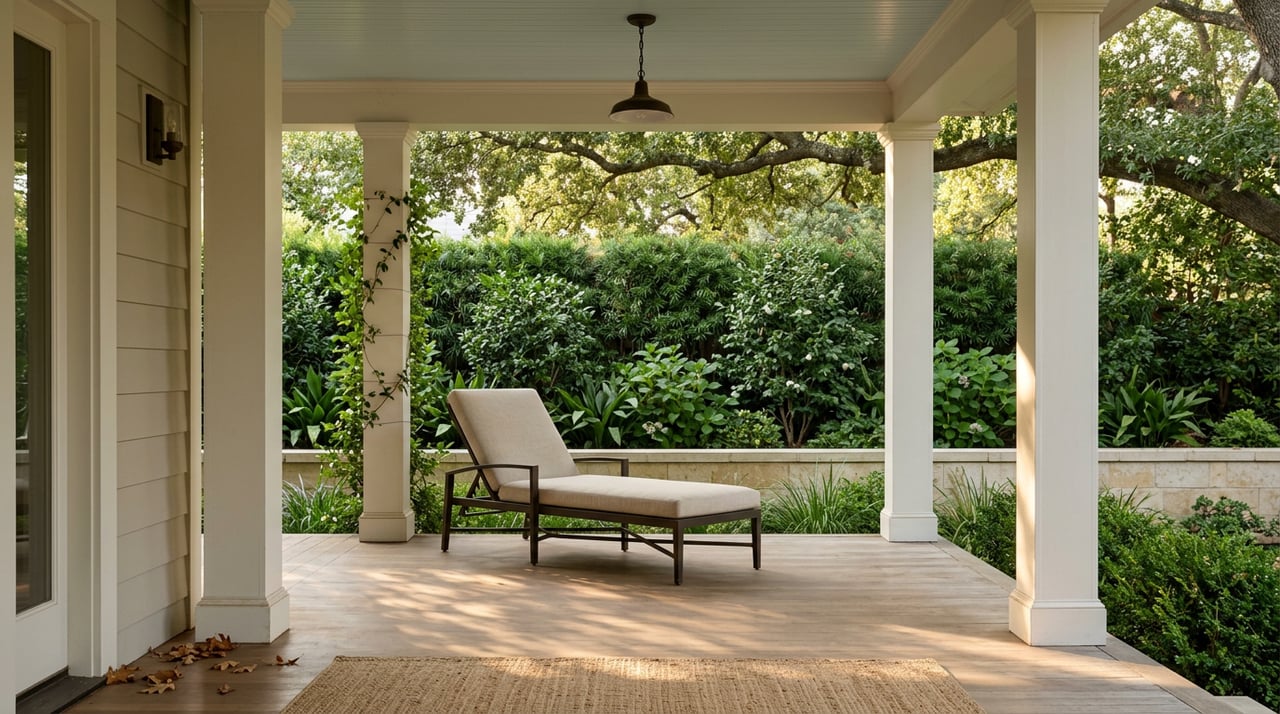
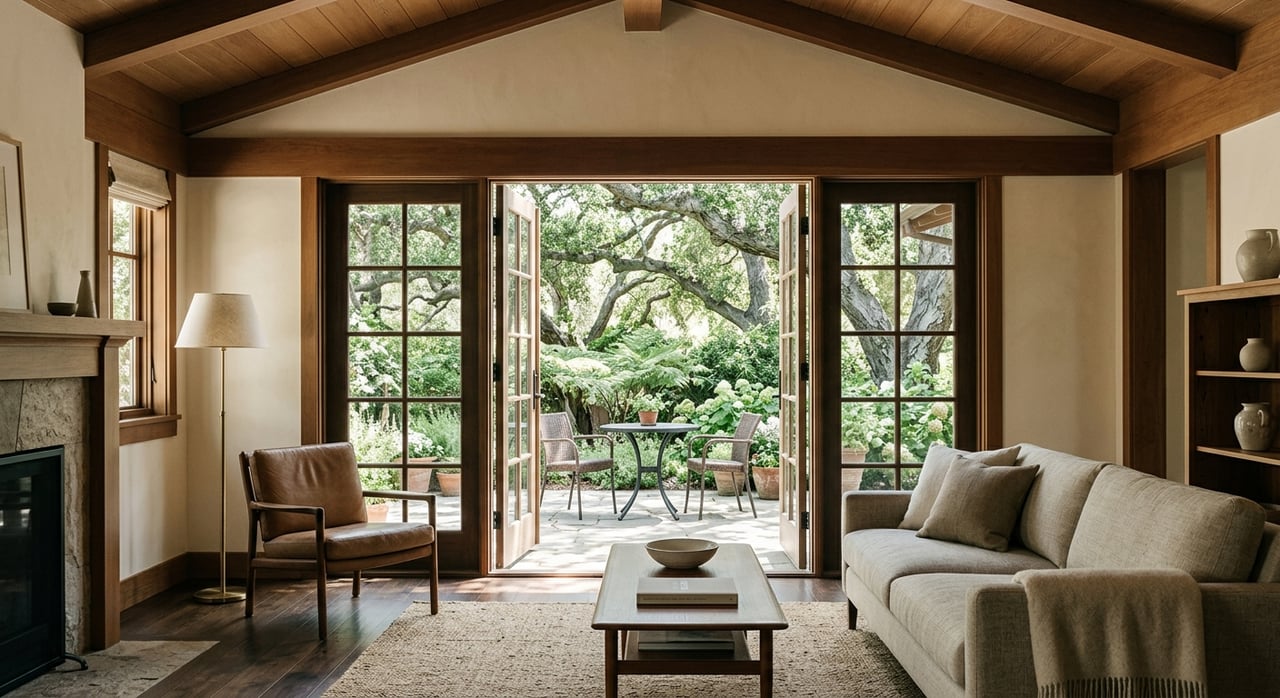
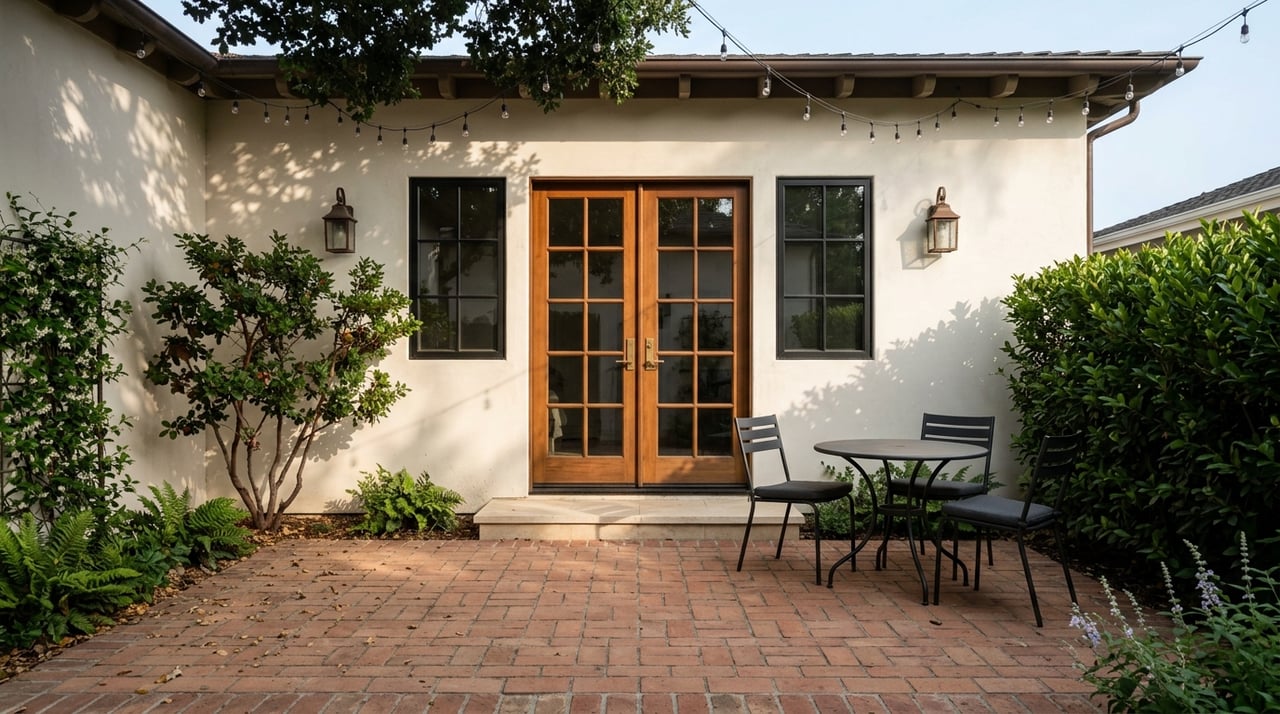
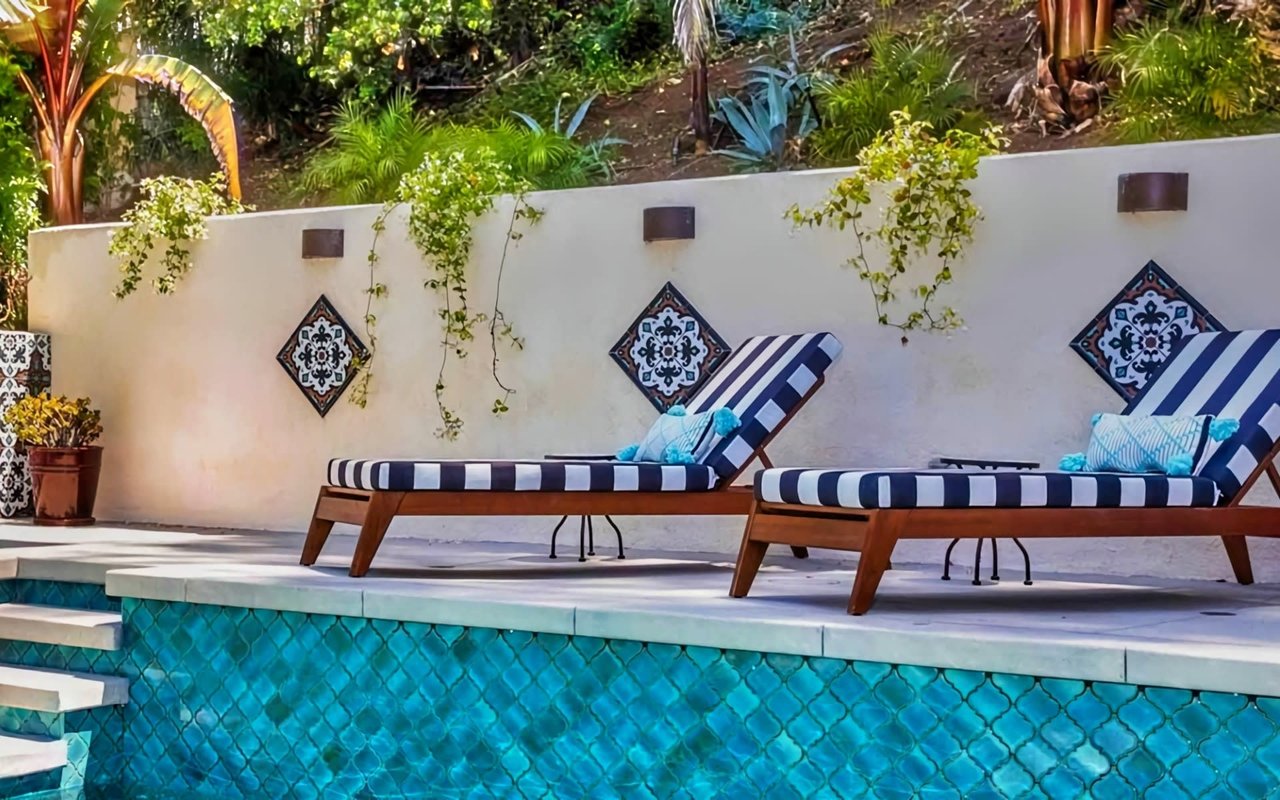
Privacy matters. Setbacks, gated entries, and thoughtful screening can lift appeal for high‑net‑worth buyers. Pools, outdoor kitchens, and seamless indoor‑outdoor flow are lifestyle features that help comparable sales support higher pricing.
Condition and systems
In the luxury segment, buyers expect strong mechanicals and well‑documented upkeep. Roof, foundation and seismic work, electrical capacity, plumbing, HVAC, and pool systems influence both price and time on market. Upgrades that reduce uncertainty allow buyers to move faster and bid with confidence.
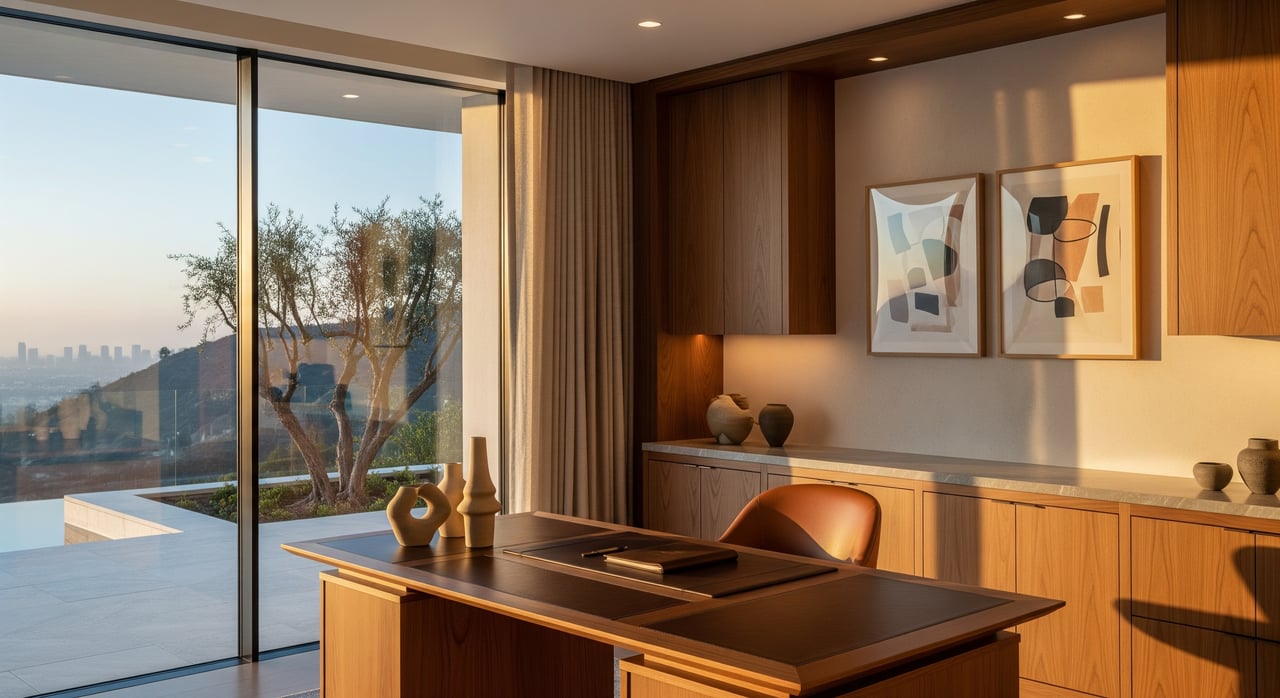
High‑quality kitchens and baths, integrated smart‑home systems, and amenities like wine rooms, home theaters, or elevators increase willingness to pay. Targeted, high‑impact improvements typically outperform broad cosmetic refreshes.
Market mechanics that move prices
Comps and appraisals
Truly comparable luxury sales can be scarce. Appraisers often reach farther in distance and time and then adjust for unique features. Price per square foot becomes a weaker guide at the high end. You should weigh total value drivers like lot, architectural significance, finishes, and setting.
Financing at the high end
Many luxury purchases involve jumbo loans with stricter underwriting standards, while a significant share of buyers pay cash or bring large down payments. If you sell, expect to vet financing early and plan for appraisal or financing contingencies. If you buy, line up capacity and documentation so you can compete.
Supply, zoning, and permitting
Limited developable land and prevailing single‑family zoning help preserve scarcity. Tear‑downs and infill projects do happen, but they face permitting steps and, in some areas, design review. Well‑located existing estates benefit from these constraints.
Macro trends and timing
Mortgage rate shifts, stock market performance, and local employment trends influence demand. Luxury activity occurs year‑round, but spring and early fall often align with stronger buyer focus. Major regional events can also affect the cadence of out‑of‑town visits.
Education access
Many buyers with school‑age children consider both public school assignments and the range of nearby private schools as part of their search. Proximity to sought‑after independent schools can shape neighborhood choice and price resilience. Keep your discussion neutral and verify details directly with each institution.
Practical valuation checklist
For buyers
- Identify true comparables with similar architecture, lot size, views, and topography.
- Confirm provenance and builder records when relevant.
- Review major systems and seismic work. Verify panel capacity, plumbing type, HVAC, roof, and pool equipment.
- Check permits and entitlements, including any historic reviews or design guidelines.
- Evaluate commute patterns and visit the street at different times for traffic and noise.
- Consult insurance brokers about earthquake coverage and any hillside or wildfire considerations.
- Order specialized inspections for unique or historic homes, including structural or soils where appropriate.
For sellers
- Prioritize mechanicals, deferred maintenance, and high‑impact interior updates. Kitchens, primary suites, and landscaping often yield better results than light cosmetic changes.
- Consider a pre‑listing inspection and, when appropriate, a pre‑listing appraisal to support pricing.
- Stage to the target buyer profile and emphasize lifestyle, indoor‑outdoor flow, and privacy.
- Use high‑quality photography, floor plans, and narrative to showcase provenance, finishes, and lot advantages. Target luxury broker networks and out‑of‑area exposure when warranted.
- Prepare a package of comparables, documentation of upgrades, plans, and permits to support the appraisal.
Transaction cautions
- Historic status: Disclose preservation easements, reviews, or restrictions. Budget for required maintenance.
- Permits: Verify any past work, especially in older neighborhoods where unpermitted changes are common.
- Title matters: Older estates can have easements or rights‑of‑way. Resolve early to avoid delays.
How to position your Pasadena home
Presentation is a price lever. Professional staging that respects the home’s architecture, crisp photography, and a narrative that tells the property’s story can expand your buyer pool and shorten time on market. Drone imagery, detailed floor plans, and targeted outreach to qualified luxury networks add reach without noise.
Your goal is to control the variables you can. That means mechanical clarity, carefully chosen upgrades, and a marketing plan that elevates place, provenance, and lifestyle. With the right prep, you set the stage for strong offers and a smoother close.
If you are weighing a sale or evaluating a purchase, you do not have to do it alone. For discreet guidance tailored to your home or search, connect with Chelby Crawford to request a private market consultation.
FAQs
What price range counts as Pasadena luxury?
- There is no single cutoff. Pros use both a percentile lens, often the top 5 to 10 percent of sales, and a shifting dollar threshold in the multi‑million range to define luxury.
How does historic status affect value in Pasadena?
- It can boost prestige and marketability, but exterior changes may face review and maintenance standards; the net effect depends on buyer priorities and the home’s significance.
Do Pasadena luxury buyers usually pay cash?
- Both cash and financing are common; jumbo loans carry stricter underwriting, so sellers should vet capacity early and buyers should be well prepared.
Which features add the most value at the high end?
- Architectural provenance, large or private lots, outdoor living and views, strong systems, and high‑quality kitchens and baths are consistent price drivers.
Are certain seasons better for selling a luxury home?
- High‑end transactions occur year‑round, though spring and early fall often bring focused buyer activity; timing should fit your property, prep, and market conditions.