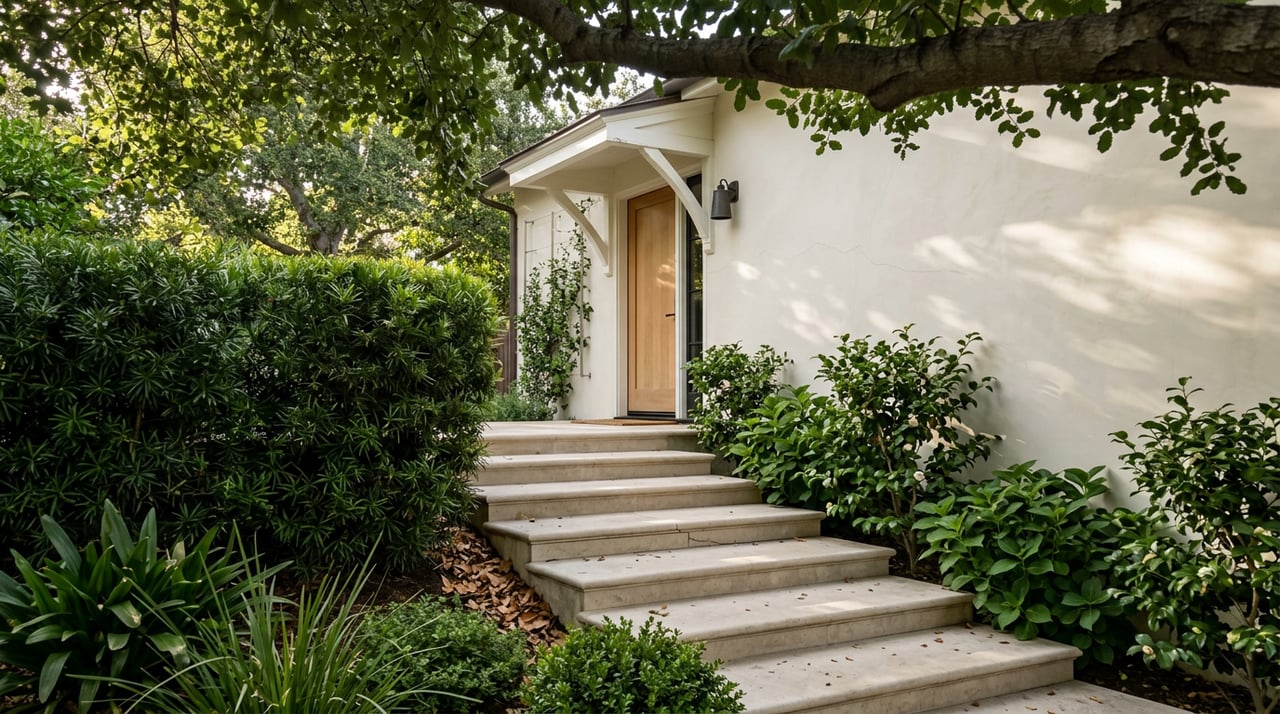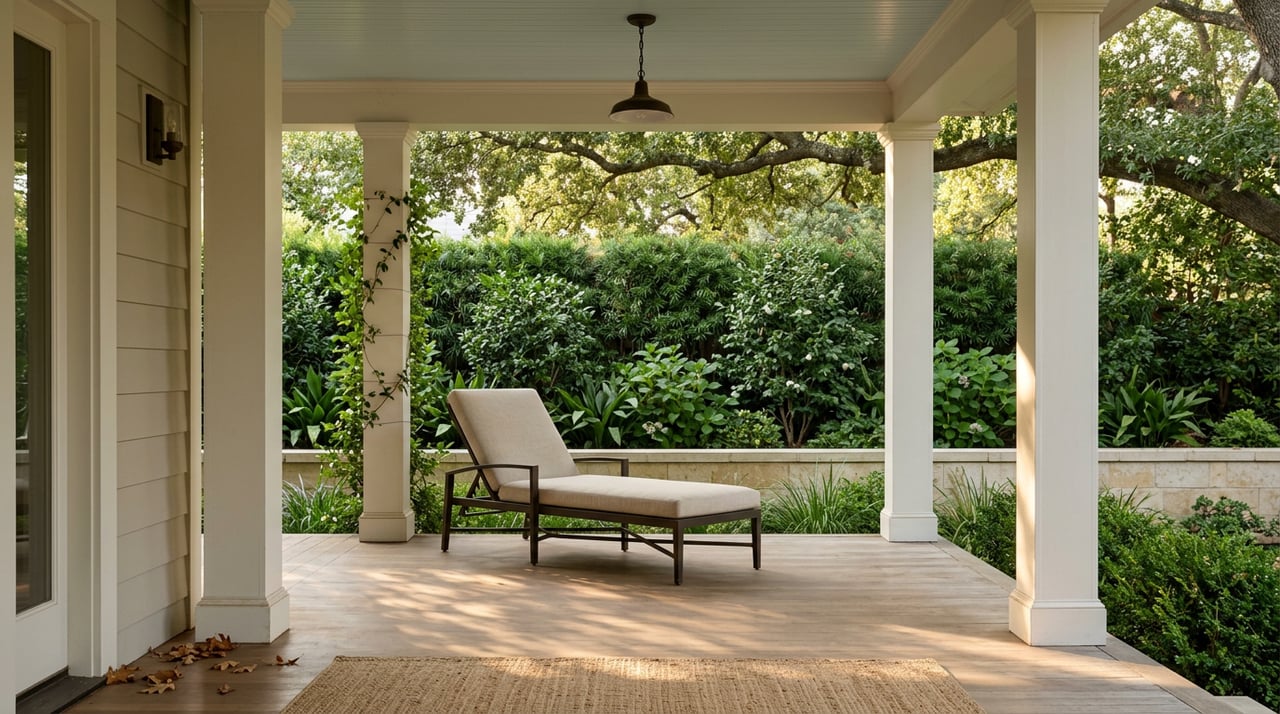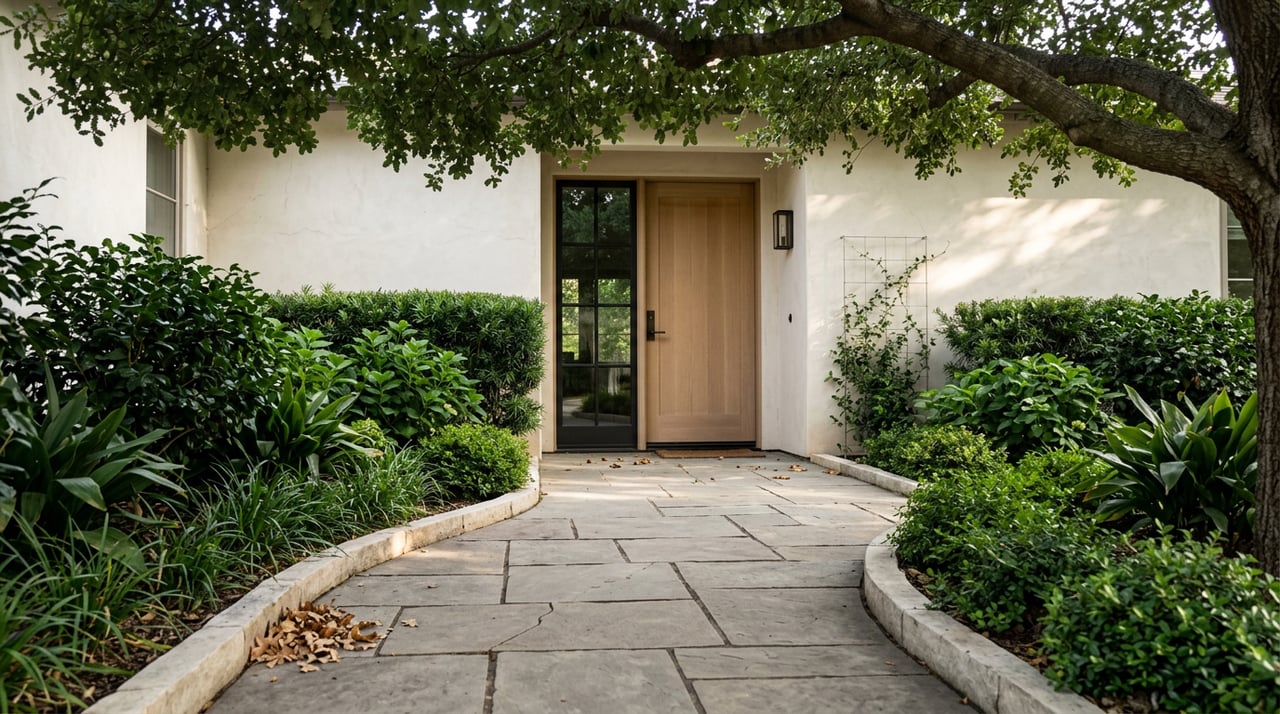
If you are deciding between Pasadena, South Pasadena, and San Marino, the right choice usually comes down to how you want to live day to day. These three neighboring cities share a foothill setting and strong architectural identity, but they differ in price point, housing mix, streetscape, and pace. This guide will help you compare the basics clearly so you can narrow your search with more confidence. Let’s dive in.
Start With the Big Differences
At a high level, the simplest shorthand is this: Pasadena offers range, South Pasadena leans preservation-minded and walkable, and San Marino centers on larger lots and estate-scale living. That pattern also shows up in pricing.
According to March 2026 Redfin market data, median sale prices were about $1.256M in Pasadena, $1.7585M in South Pasadena, and $3.25M in San Marino. It is also worth noting that South Pasadena and San Marino each had only 10 sales that month, so monthly medians can shift quickly when the number of closings is small.
Compare Price and Housing Style
Price is often the first filter, but it should not be the only one. In these three cities, pricing tends to track the built environment, including housing variety, lot size, and how residential each city feels.
| City | March 2026 Median Sale Price | General Housing Character |
|---|---|---|
| Pasadena | $1.256M | Broadest range of housing types and neighborhood styles |
| South Pasadena | $1.7585M | Compact, historic, preservation-oriented housing stock |
| San Marino | $3.25M | Predominantly detached homes on larger lots |
If you want the widest spread of options, Pasadena usually gives you the most flexibility. If you want a smaller-city feel with architectural continuity, South Pasadena often stands out. If you are prioritizing privacy, gardens, and a more estate-like setting, San Marino is typically the clearest fit.
Pasadena: Variety and Flexibility
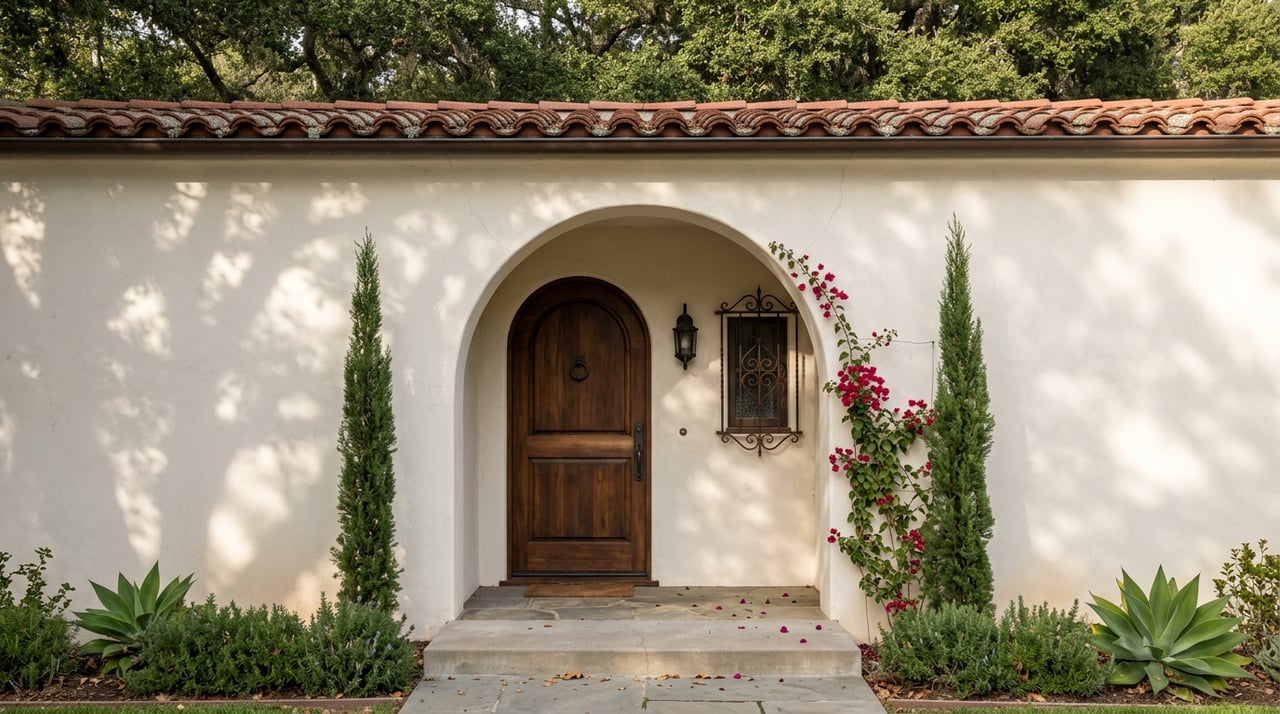
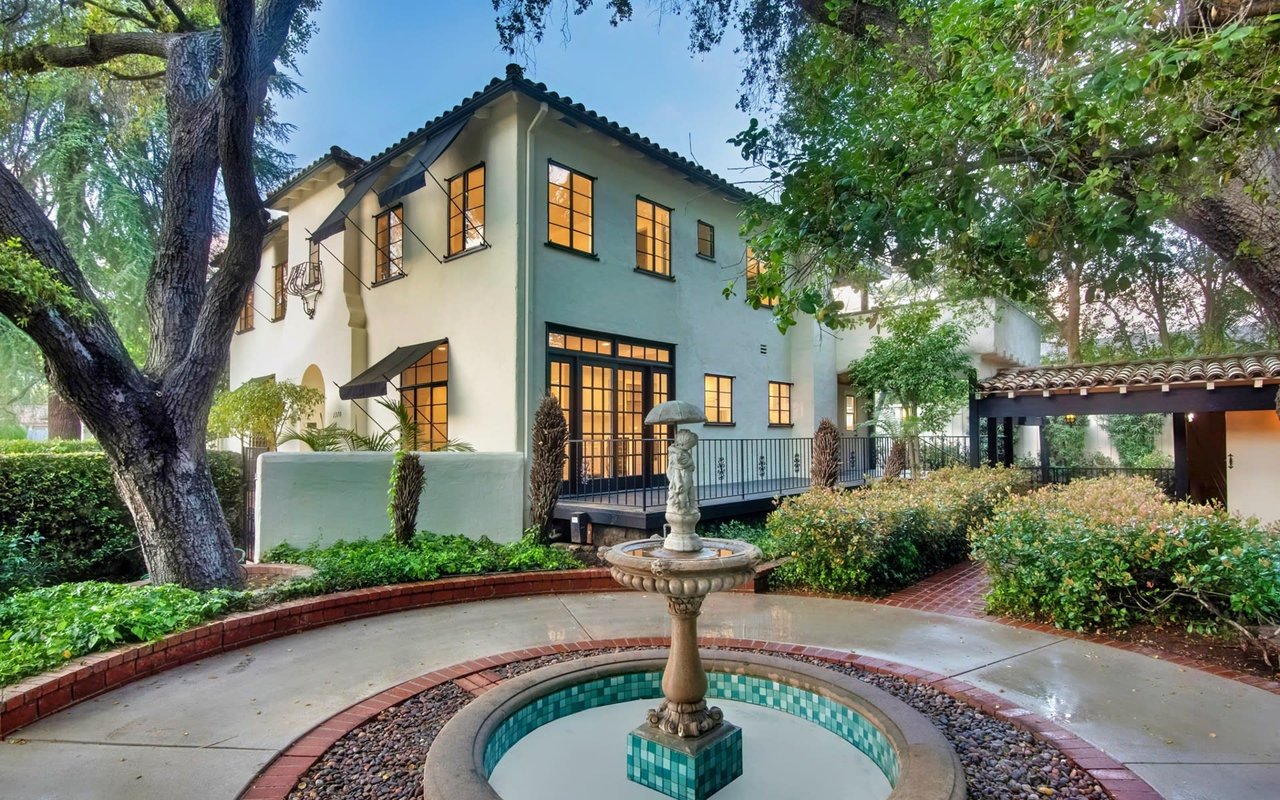
Pasadena tends to appeal to buyers who want choices. The city is known for a broad architectural mix, and Pasadena’s historic preservation materials document everything from bungalow courts to Craftsman, Spanish Colonial Revival, Tudor Revival, Ranch, Queen Anne, Art Deco, and Mediterranean Revival homes.
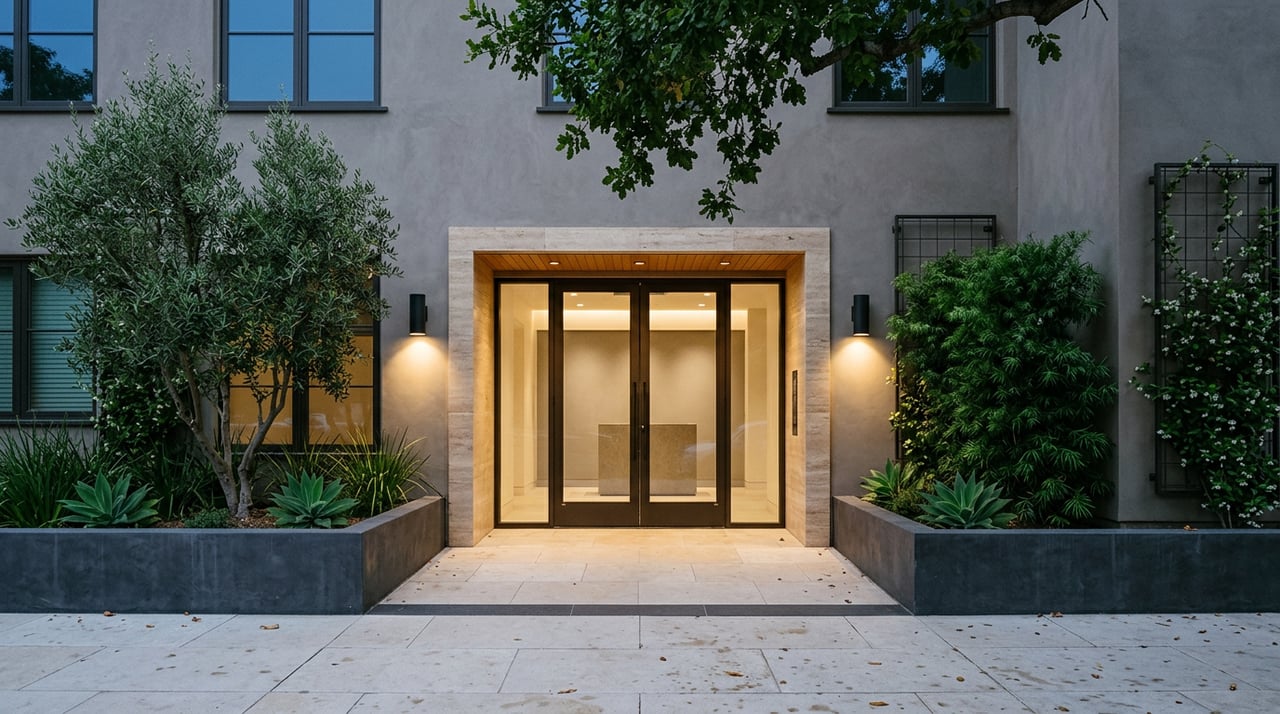
That breadth matters because Pasadena is not one-note. One area may offer a classic period home on a tree-lined street, while another may feel more urban, more compact, or more condo-oriented. If you value optionality, whether you are drawn to a historic house, an upscale condominium, or a neighborhood with a distinct architectural story, Pasadena gives you the largest menu.
Daily life can also feel more varied here than in the other two cities. Walk Score rates Pasadena at 69 for walkability, 51 for transit, and 70 for biking, which suggests reasonable overall mobility, though the experience can vary significantly by neighborhood.
For households comparing school options, Pasadena Unified School District serves more than 14,000 students across 23 schools and describes itself as a district of choice with neighborhood schools, magnets, International Baccalaureate, dual language, arts, and college and career academies. If having multiple pathways and city-scale variety matters to you, Pasadena may feel like the most flexible match.
Who Pasadena Often Fits Best
Pasadena may be the right fit if you want:
- The broadest range of home types and price points of the three
- Distinct neighborhood character rather than one consistent citywide pattern
- Strong architectural variety, including historic and period styles
- A balance of residential living with more mixed daily-life options
South Pasadena: Compact and Preservation-Focused
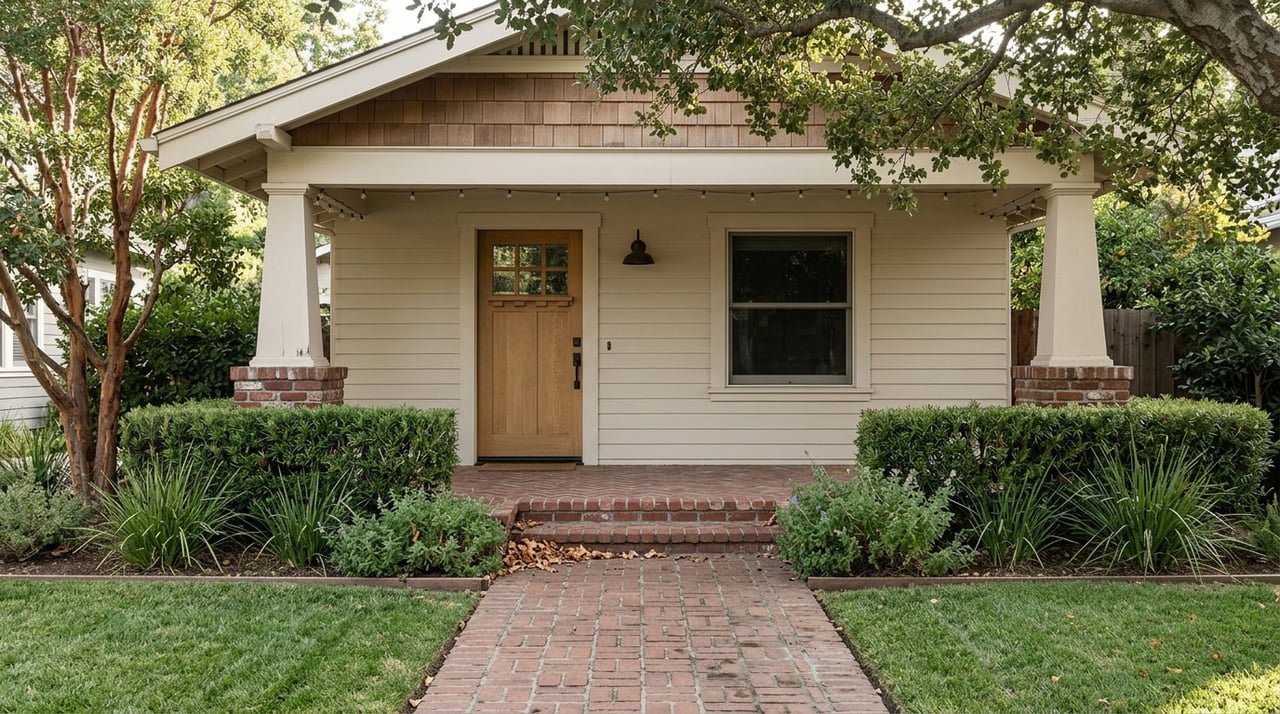
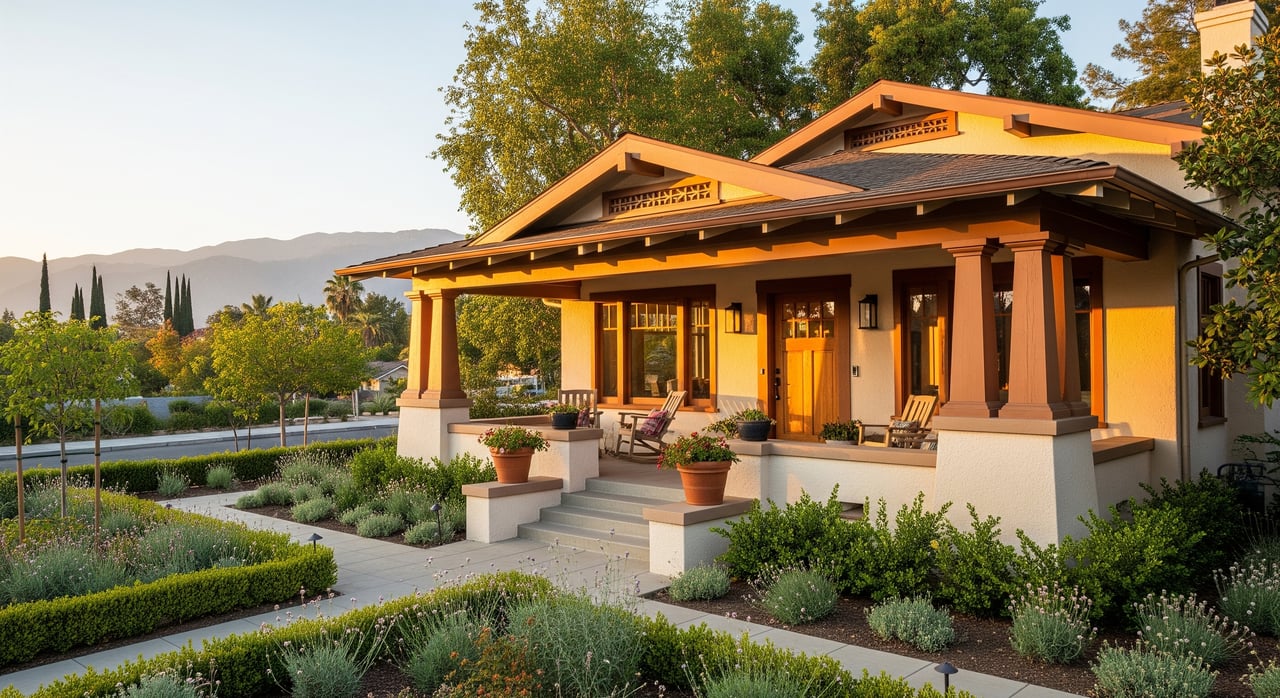
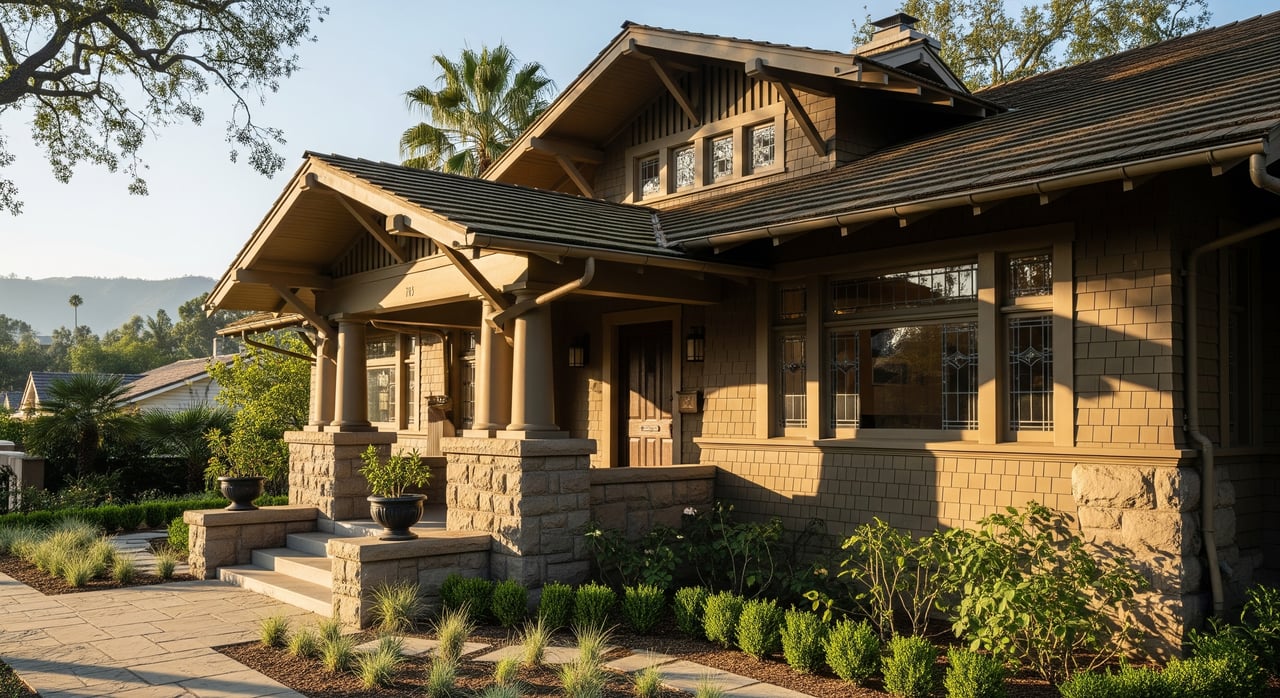
South Pasadena often appeals to buyers who want a smaller footprint and a more visually consistent streetscape. The city covers just 3.44 square miles, and its official history highlights intact late 19th- and early 20th-century neighborhoods along with a long-standing small-town identity.
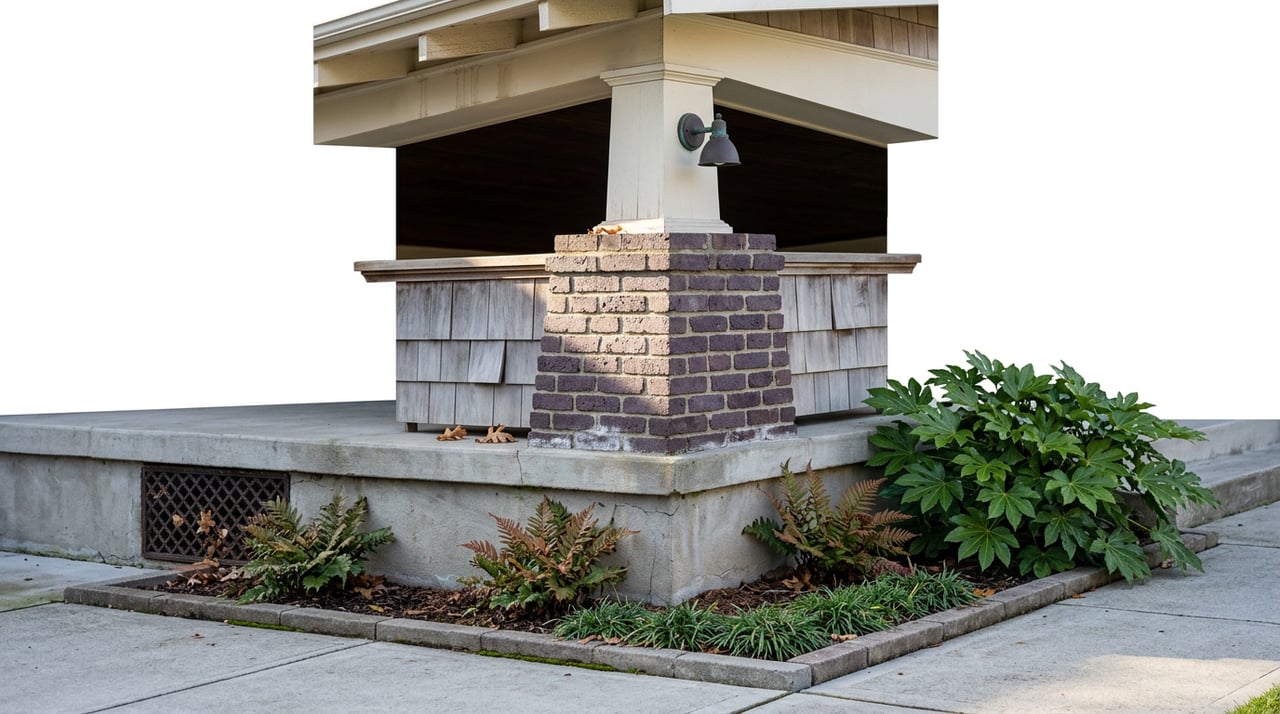
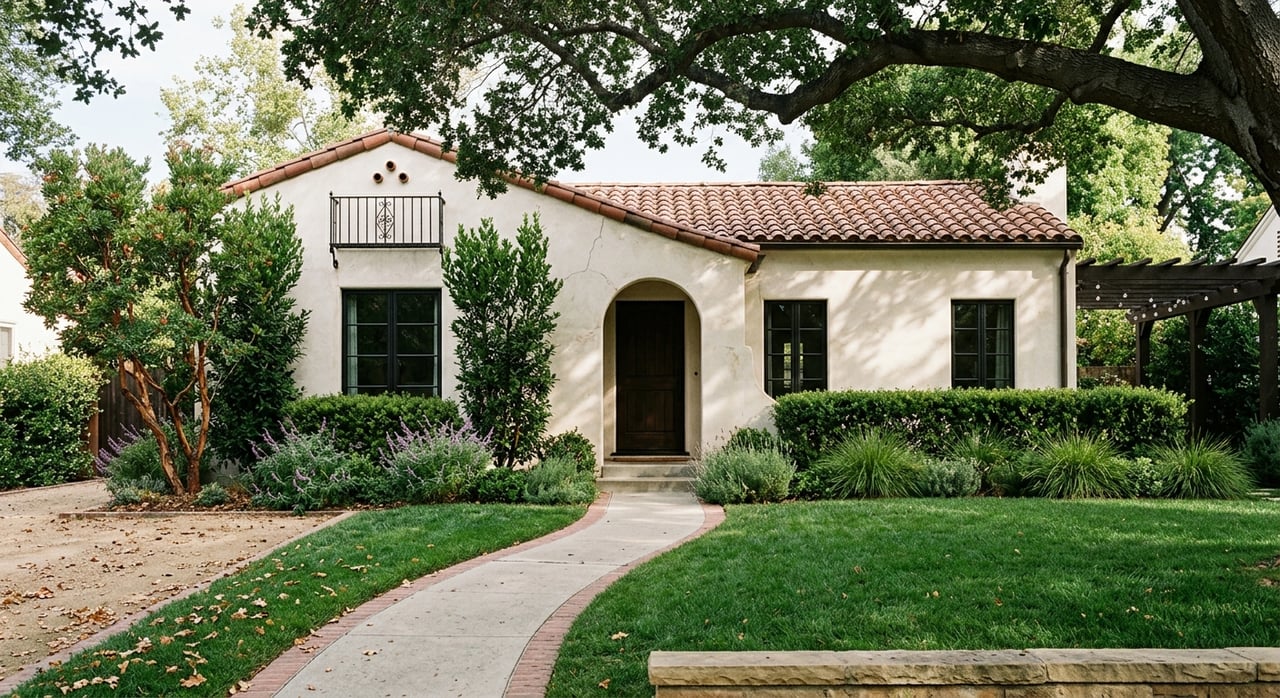
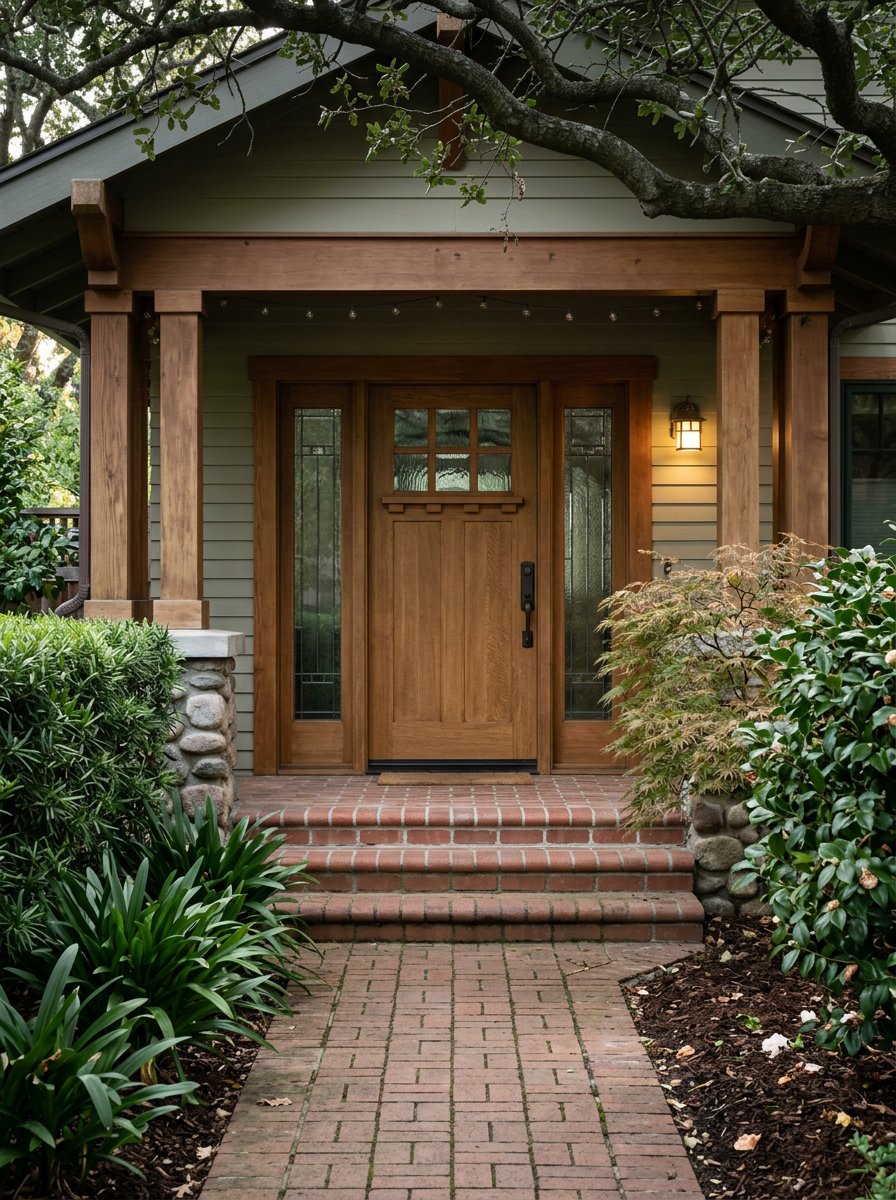
Its cultural heritage story is especially clear. The city notes that Craftsman homes dominated residential development from roughly 1900 to 1925, with Mission and Spanish Colonial Revival, Tudor Revival, and Colonial Revival styles also playing a prominent role in the 1920s and 1930s. South Pasadena also reports 59 local landmarks and five locally designated historic districts, which helps explain why the streetscape often feels cohesive and preservation-minded.
If you want a place where the built environment feels tightly knit, South Pasadena has a strong case. There is less of the city-to-city variation you may feel in Pasadena, and more of a compact rhythm that many buyers find appealing.
On daily-life factors, South Pasadena offers a balanced profile. Walk Score lists South Pasadena at 67 for walkability and 50 for transit, and the city’s history notes that the old red-car network once placed much of the community within easy walking distance of stations. That legacy still helps shape how people think about moving around town.
For school-related planning, South Pasadena Unified School District serves about 4,800 students across five schools and notes offerings that include 17 AP courses, more than 25 arts courses, and seven career technical education pathways. For buyers seeking a smaller-city environment with a strong civic and institutional core, South Pasadena often rises to the top.
Who South Pasadena Often Fits Best
South Pasadena may be the right fit if you want:
- A compact city with a small-town feel
- Historic character and architectural continuity
- A preservation-oriented environment
- Walkability that supports everyday errands and local routines
San Marino: Privacy and Estate Scale
San Marino presents a different proposition than Pasadena or South Pasadena. Its historic survey describes an almost exclusively residential city of detached single-family houses built mainly from the 1920s through the 1960s.
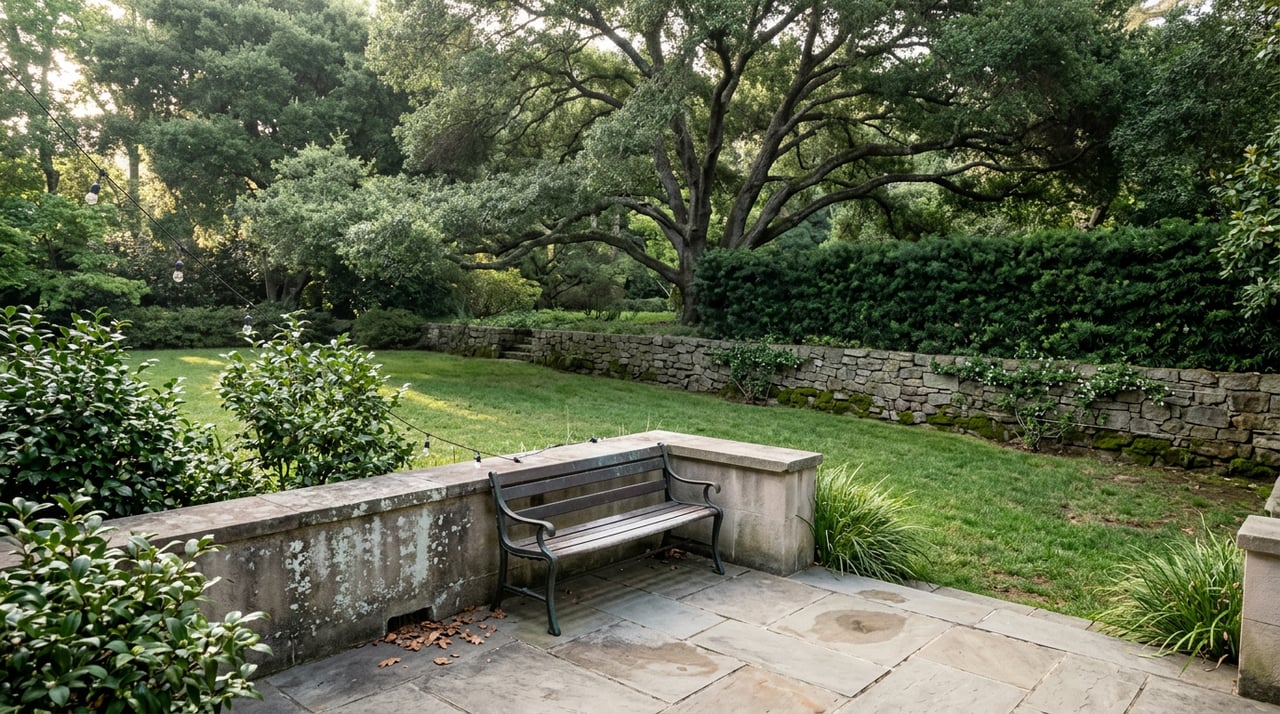
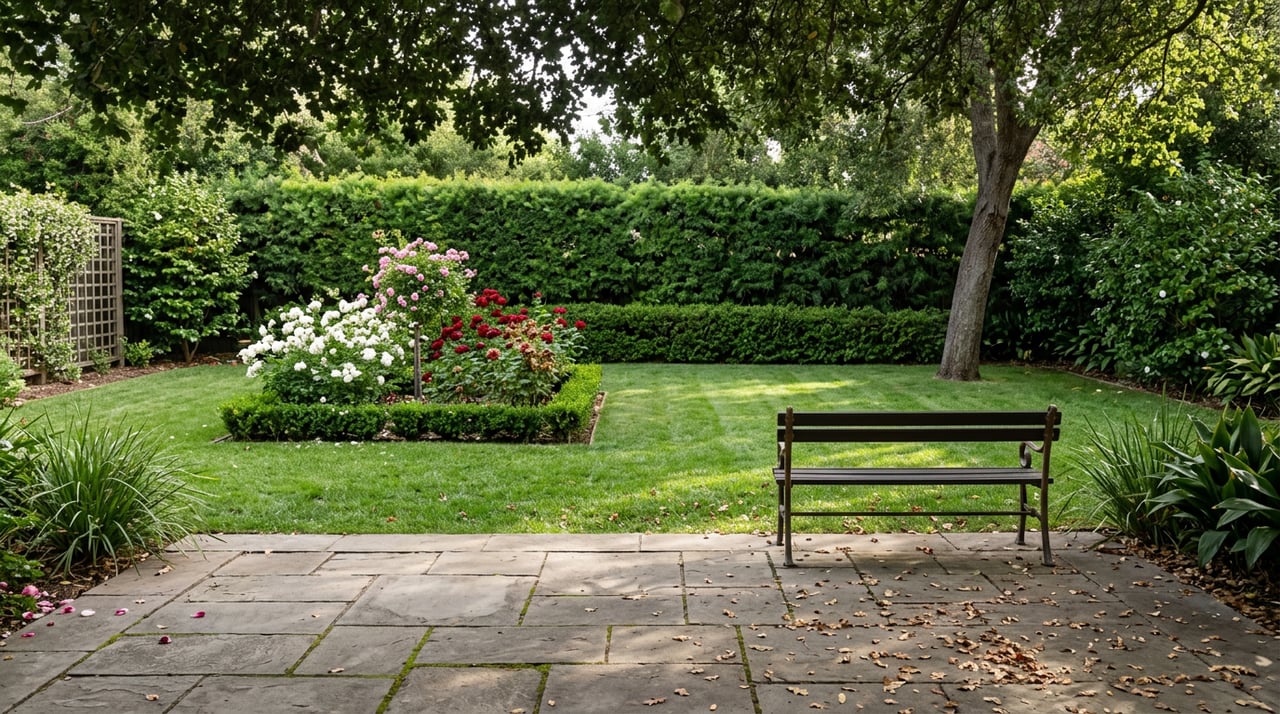
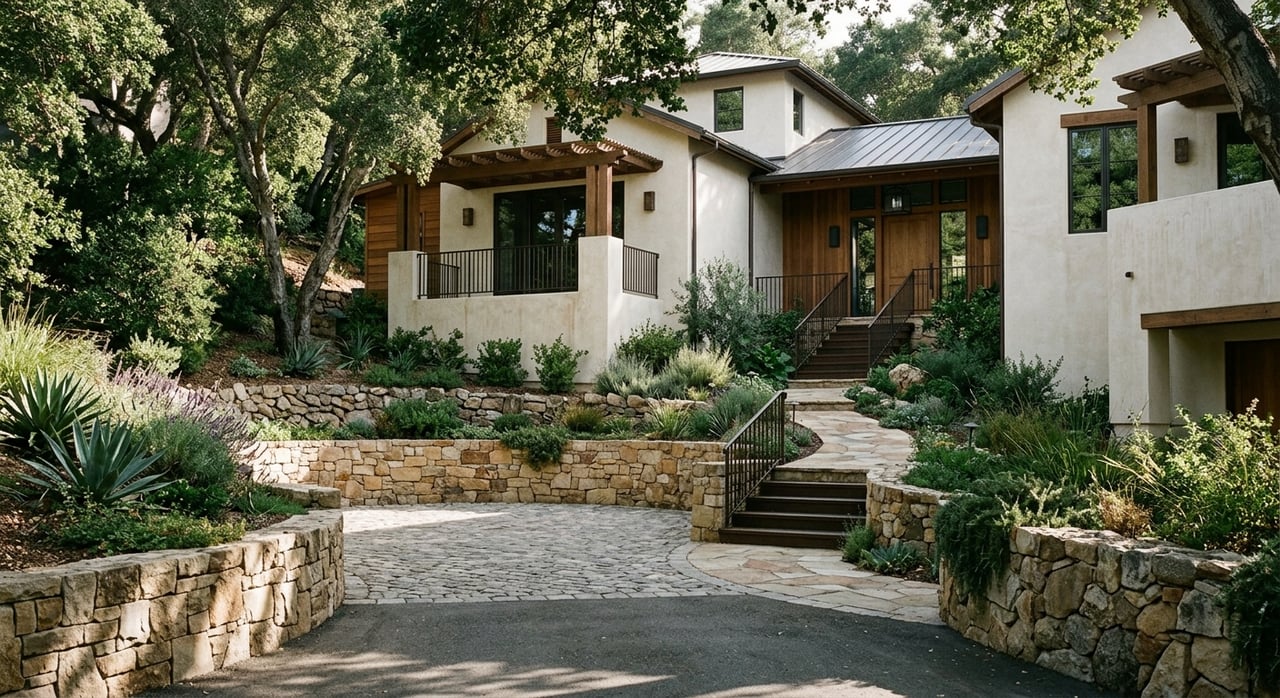
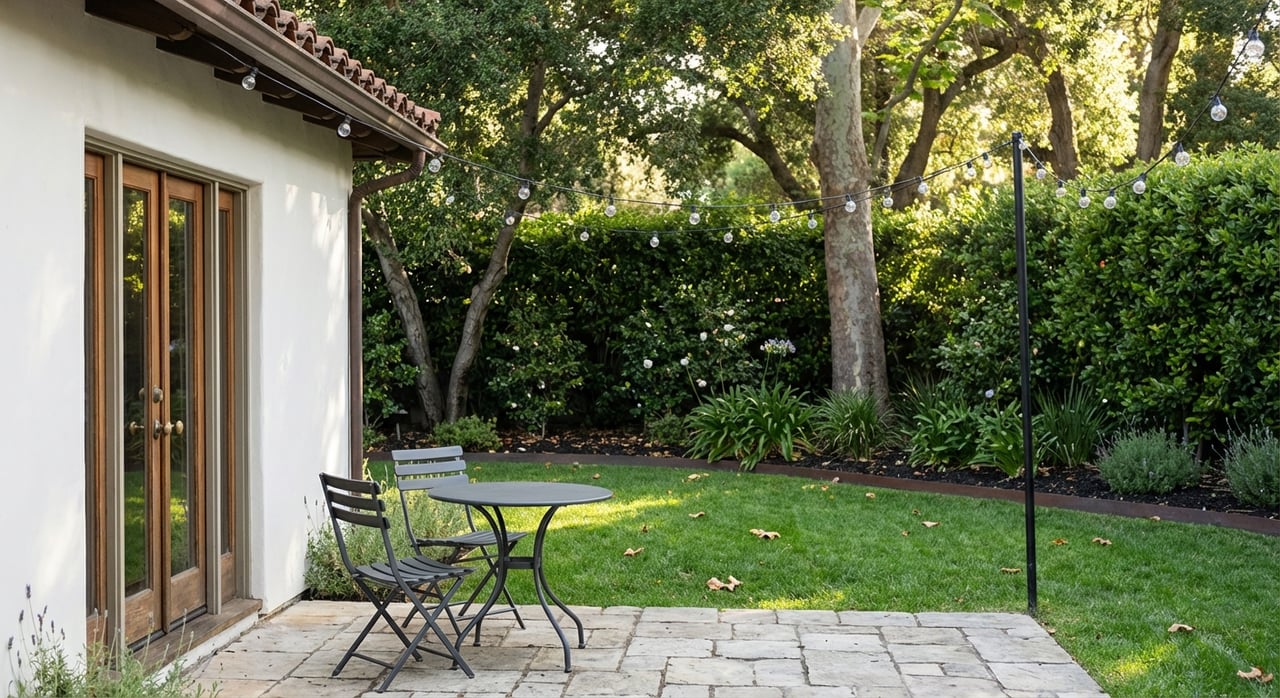
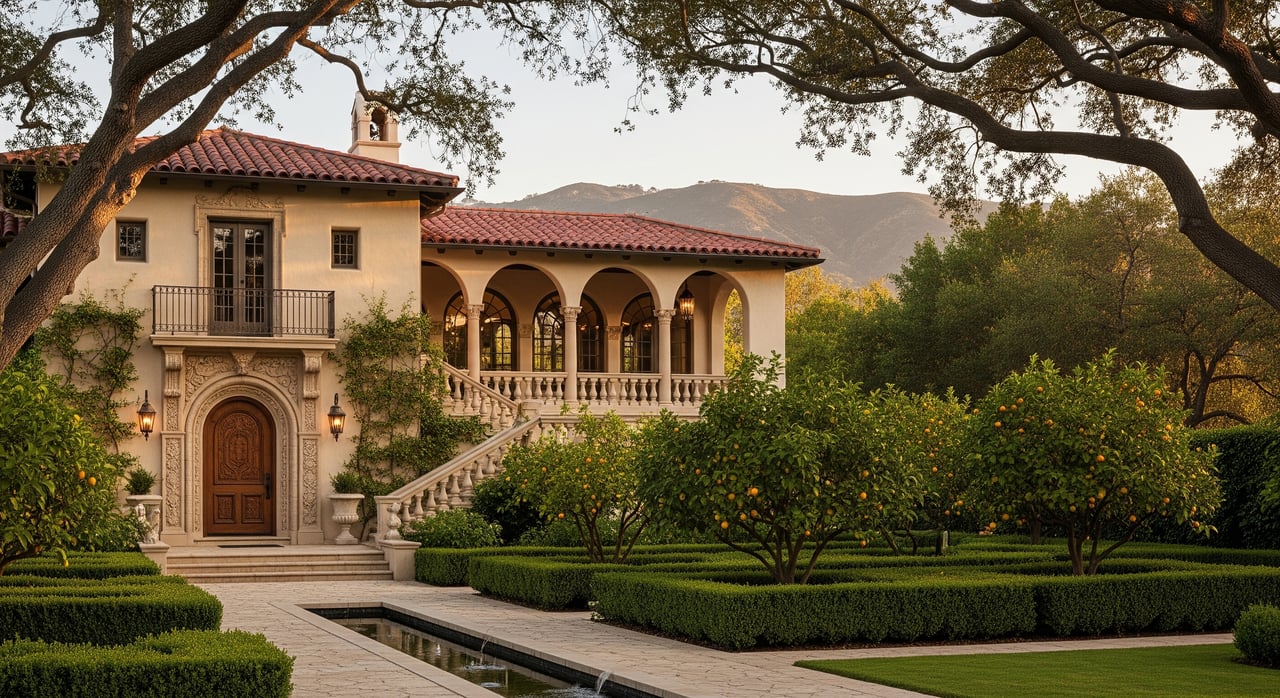
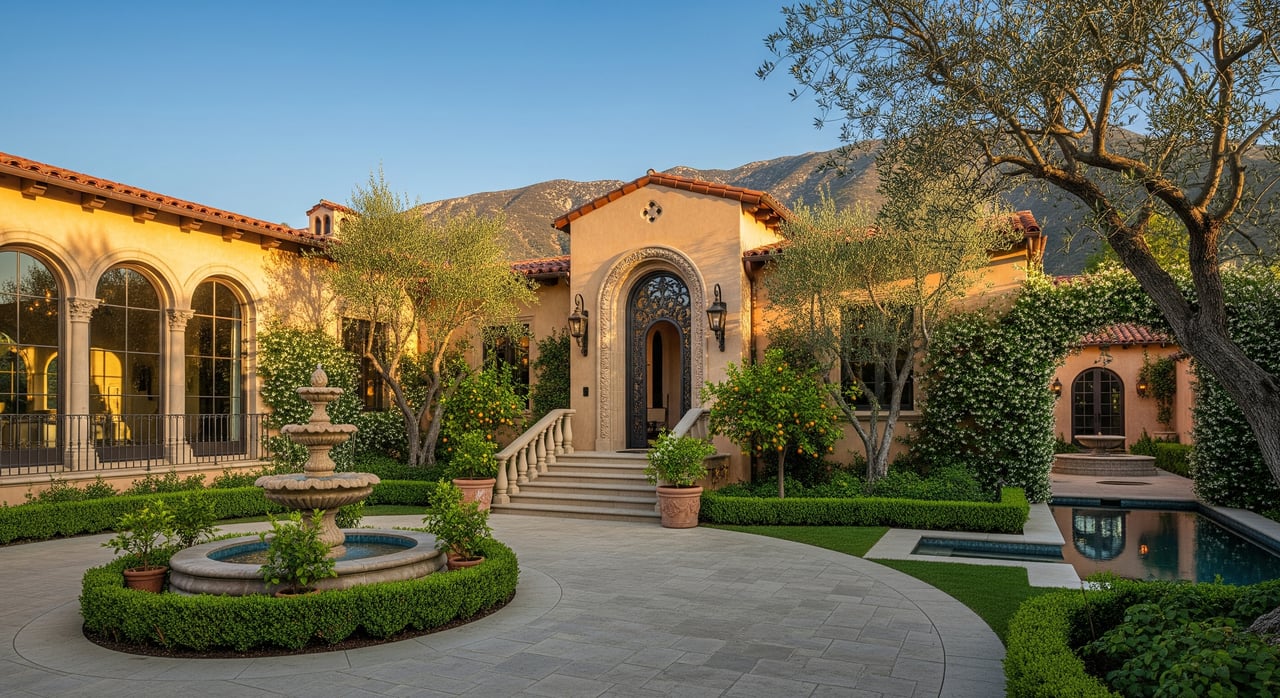
The same materials, along with city planning documents, reinforce San Marino’s large-lot single-family identity. Some neighborhoods are described as having lots typically around 9,000 to 10,000 square feet, while the northwest hills include the largest lots and curving streets shaped by the terrain. If space, privacy, and a garden-oriented setting are high priorities, San Marino stands apart.
This is also the most car-oriented of the three in many areas. Walk Score pages for San Marino range from 19 to 72 depending on location, and the city’s historic survey describes wide streets, detached homes, and no multifamily zones. In practical terms, your specific address matters a great deal, but the overall character remains more residential and less mixed-use.
For school planning, San Marino Unified School District operates four school sites and states that all four schools have been California Distinguished Schools and National Blue Ribbon Schools. District materials also highlight Mandarin immersion and partnerships with the Huntington Library and Caltech.
Who San Marino Often Fits Best
San Marino may be the right fit if you want:
- Detached homes as the dominant housing type
- Larger lots and more private outdoor space
- A more estate-like residential setting
- A highly residential environment with less emphasis on mixed-use living
How to Choose Based on Lifestyle
When buyers compare these three cities, the most useful question is often not, “Which one is best?” It is, “Which one best supports the way you want to live?”
If you want the widest range of architecture, pricing, and neighborhood feel, Pasadena is usually the most adaptable choice. If you are drawn to a compact setting with a strong preservation ethic and a cohesive historic fabric, South Pasadena may feel more aligned. If your priorities center on privacy, larger grounds, and a predominantly single-family environment, San Marino is often the strongest fit.
A simple way to frame it is this:
- Choose Pasadena if you value variety and flexibility.
- Choose South Pasadena if you value continuity, compactness, and a small-town rhythm.
- Choose San Marino if you value space, privacy, and estate scale.
Why the Right Fit Is Personal
Even with clear market differences, your decision may come down to nuances that data alone cannot answer. You may prefer the architectural breadth of Pasadena, the tighter historic feel of South Pasadena, or the larger-lot calm of San Marino.
That is where local context matters. Street patterns, lot configuration, preservation character, and day-to-day convenience all shape how a home feels once you are living in it, not just visiting it.
If you are weighing Pasadena, South Pasadena, or San Marino and want guidance tailored to your priorities, Chelby Crawford offers a thoughtful, design-aware perspective grounded in deep local experience. Whether you are relocating, searching for architectural character, or planning a refined move within the foothill communities, a private market consultation can help you compare your options with clarity.
FAQs
What is the price difference between Pasadena, South Pasadena, and San Marino?
- Based on March 2026 Redfin data, median sale prices were about $1.256M in Pasadena, $1.7585M in South Pasadena, and $3.25M in San Marino.
Which city has the most housing variety: Pasadena, South Pasadena, or San Marino?
- Pasadena has the broadest mix of housing types and architectural styles, while South Pasadena is more compact and preservation-focused, and San Marino is more centered on detached single-family homes.
Is South Pasadena more walkable than Pasadena or San Marino?
- South Pasadena has a Walk Score of 67 and Transit Score of 50, which makes it a strong blend of compact living and everyday walkability, though Pasadena is also reasonably walkable overall and San Marino varies more by location.
What kind of homes are most common in San Marino?
- San Marino is characterized mainly by detached single-family houses, with city materials describing a large-lot residential pattern and some neighborhoods with lots typically around 9,000 to 10,000 square feet.
How do Pasadena, South Pasadena, and San Marino differ in architectural character?
- Pasadena offers the widest architectural range, South Pasadena is known for cohesive historic neighborhoods with many Craftsman-era homes, and San Marino is defined more by detached homes, larger lots, and estate-oriented residential character.