If you are drawn to hillside homes, you are usually looking for more than a house. You are looking for a certain kind of daily experience, one shaped by light, topography, architecture, and a little more breathing room. In Glendale, that experience can be especially distinct, with foothill neighborhoods that feel closely tied to the Verdugo Mountains and San Gabriel foothills. This guide will help you understand what Glendale hillside living really looks like, from views and home styles to traffic patterns, trail access, and the practical rhythm of everyday life. Let’s dive in.
What Glendale Hillside Living Means
In Glendale, hillside living is closely tied to the city’s foothill setting and planning framework. City materials distinguish lower-density hillside residential areas and open-space areas from the denser apartment and condominium pattern around downtown.
That difference matters because it shapes how a neighborhood feels day to day. In the hills, the routine tends to be more site-specific and more car-oriented, while the downtown core offers a more compact, mixed-use environment. If you are comparing a hillside property with a flatland home or condo, the decision is often about lifestyle as much as square footage.
North Glendale planning materials also describe a rural-suburban pattern that values proximity to nature, recreation, neighborhood shopping, and a connection to the mountains. In practical terms, that can mean a quieter setting, more visual openness, and a stronger sense of living alongside the landscape.
Views Shape the Experience
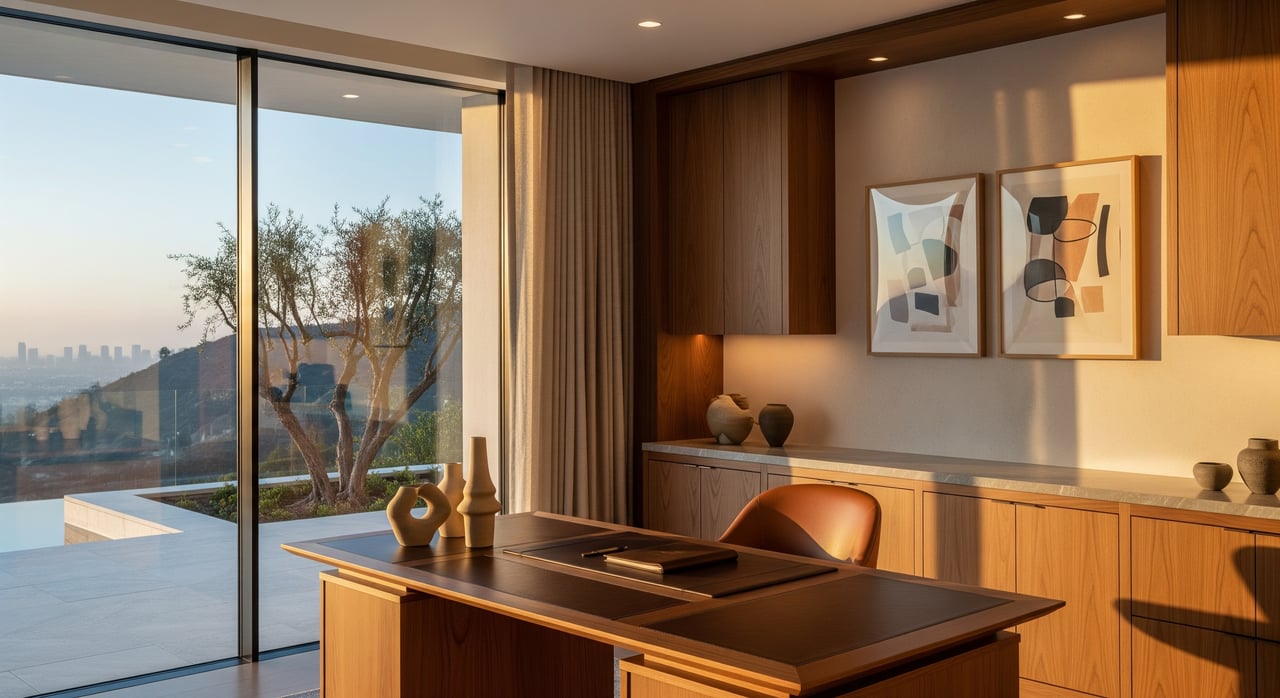
For many buyers, the first draw is the view. In Glendale’s hills, elevated sites can offer broad outlooks toward the Crescenta Valley, the Los Angeles basin, and the surrounding foothills, depending on the property’s position.
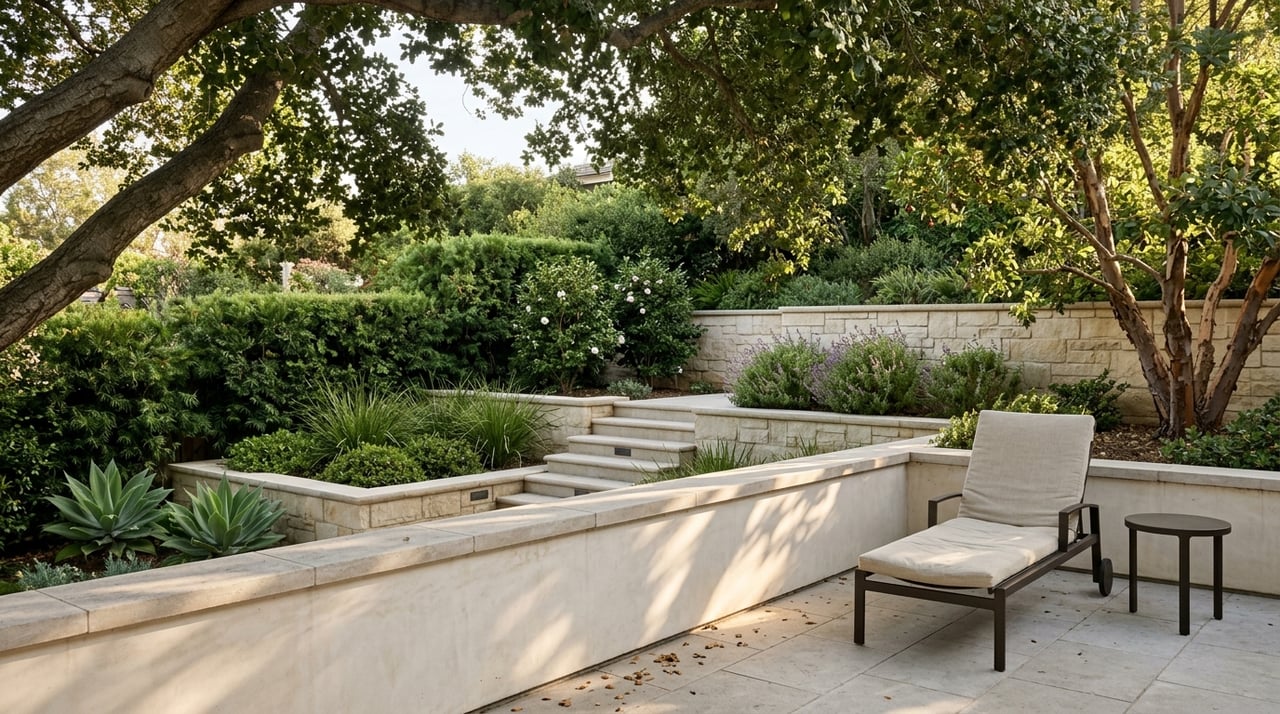
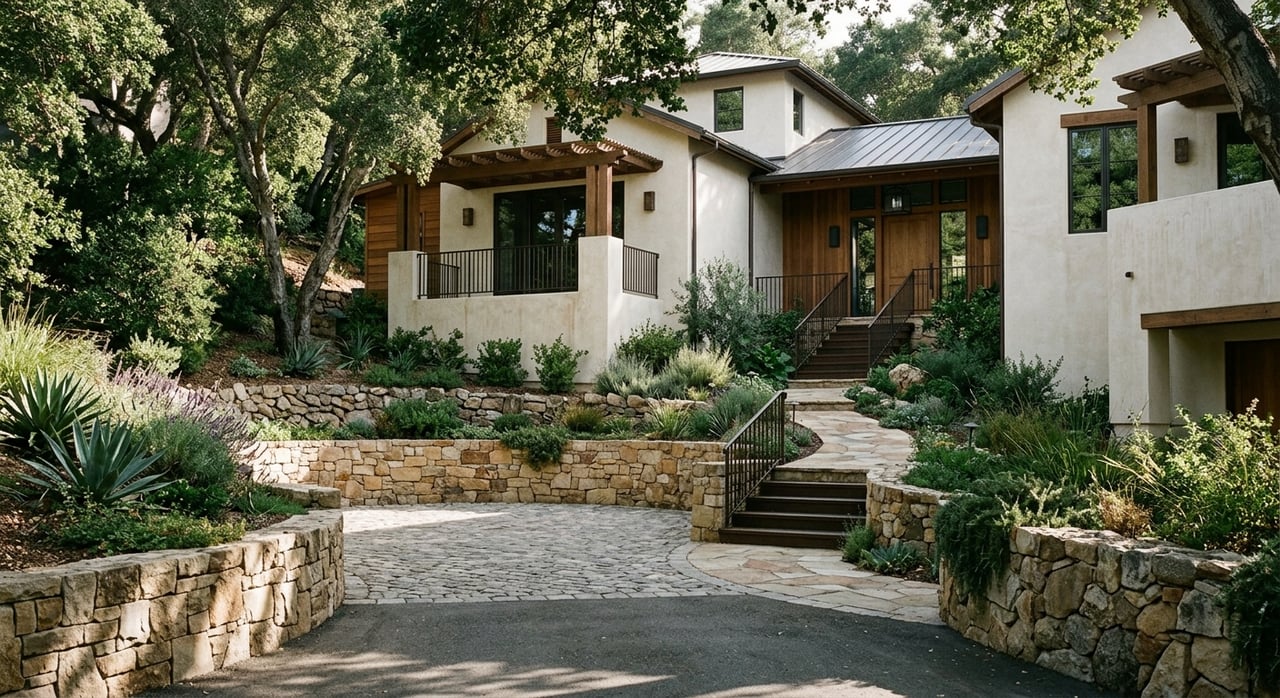
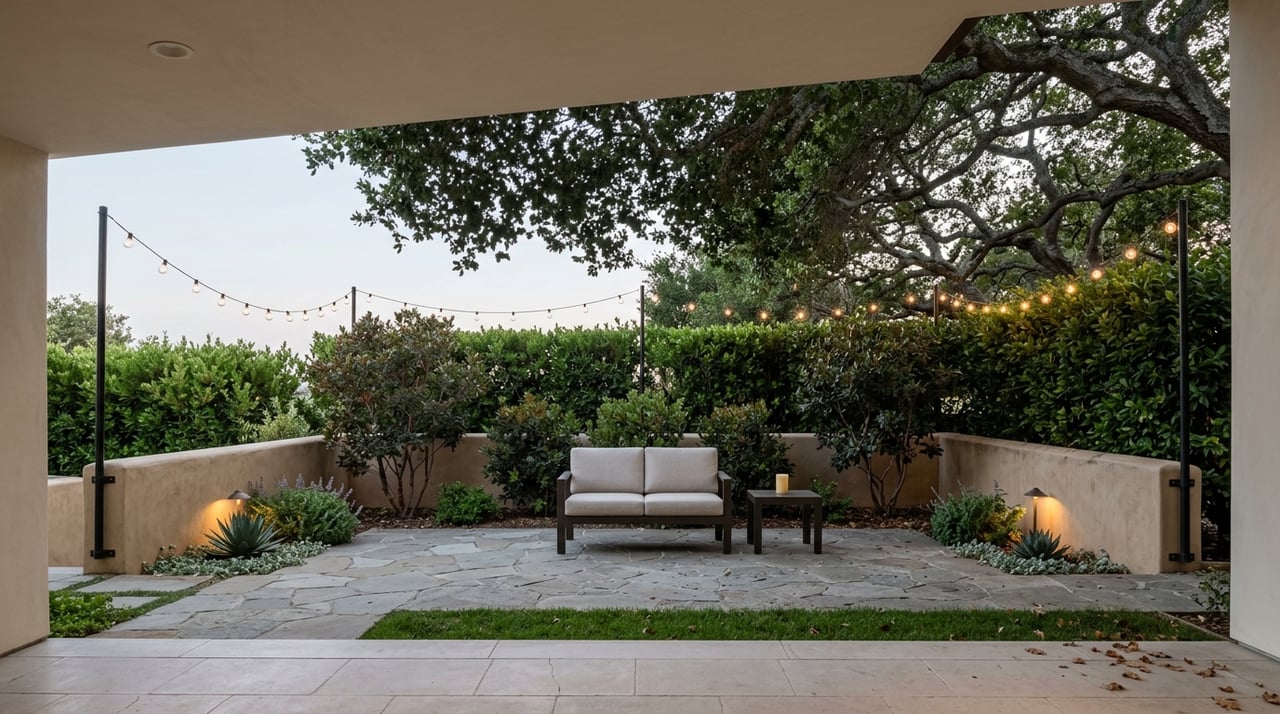
But views are only part of the story. They often come with a more layered relationship to the site itself, including sloped lots, winding streets, terraced yards, and homes designed to respond to changing grades. That is part of why hillside properties often feel more individual than homes in flatter tract settings.
The result is a daily rhythm that feels a bit different from more urban neighborhoods. You may notice changing light across the hillsides, more direct access to open space, and a stronger sense that the setting is part of the home’s identity.
Glendale Hillside Architecture
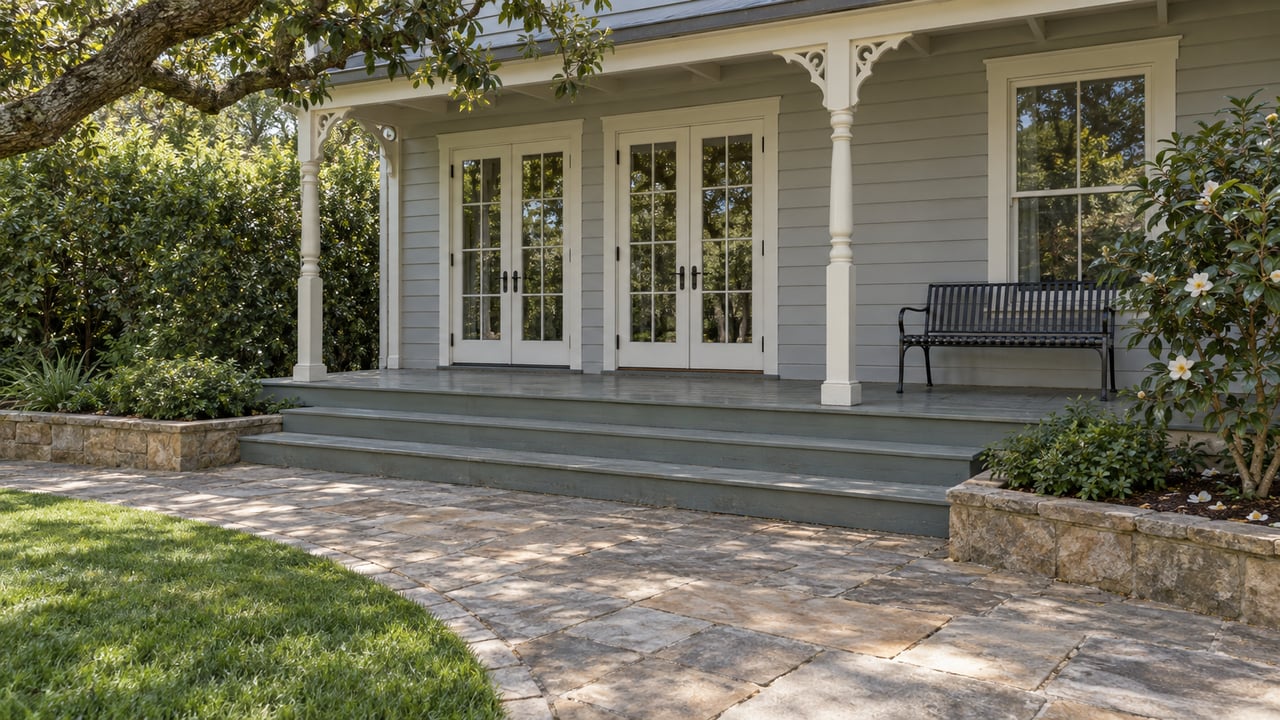
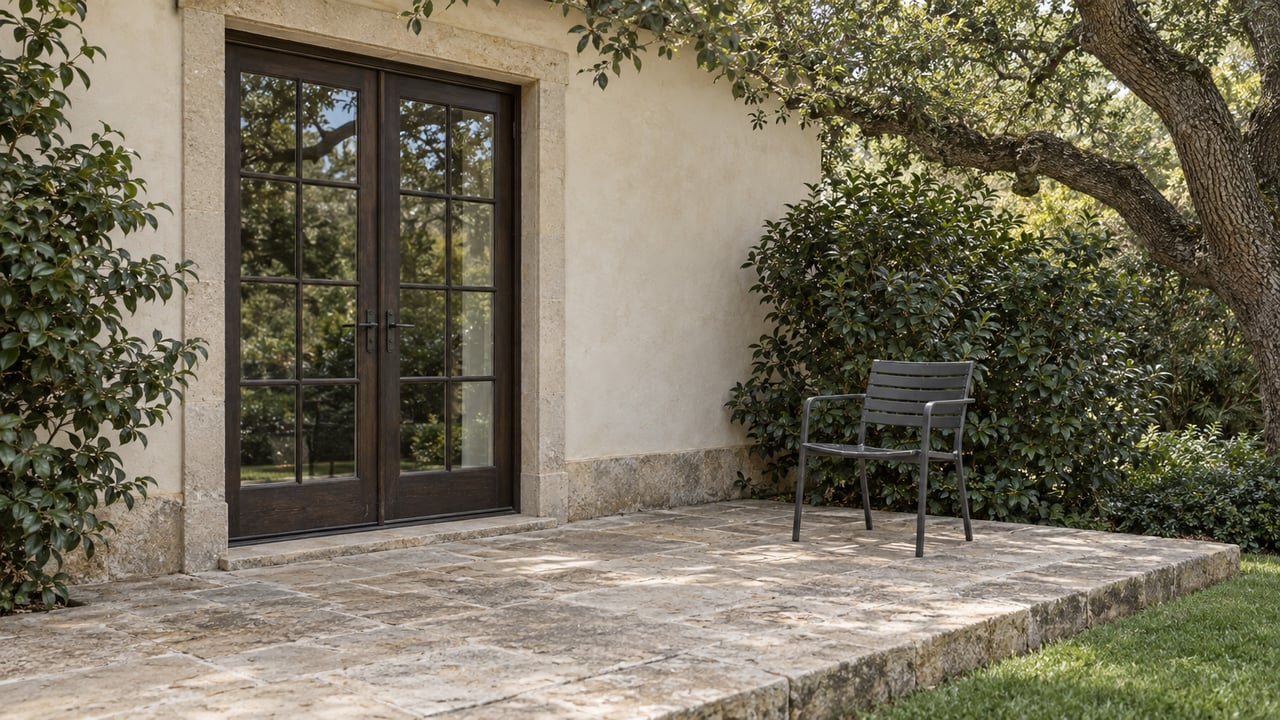
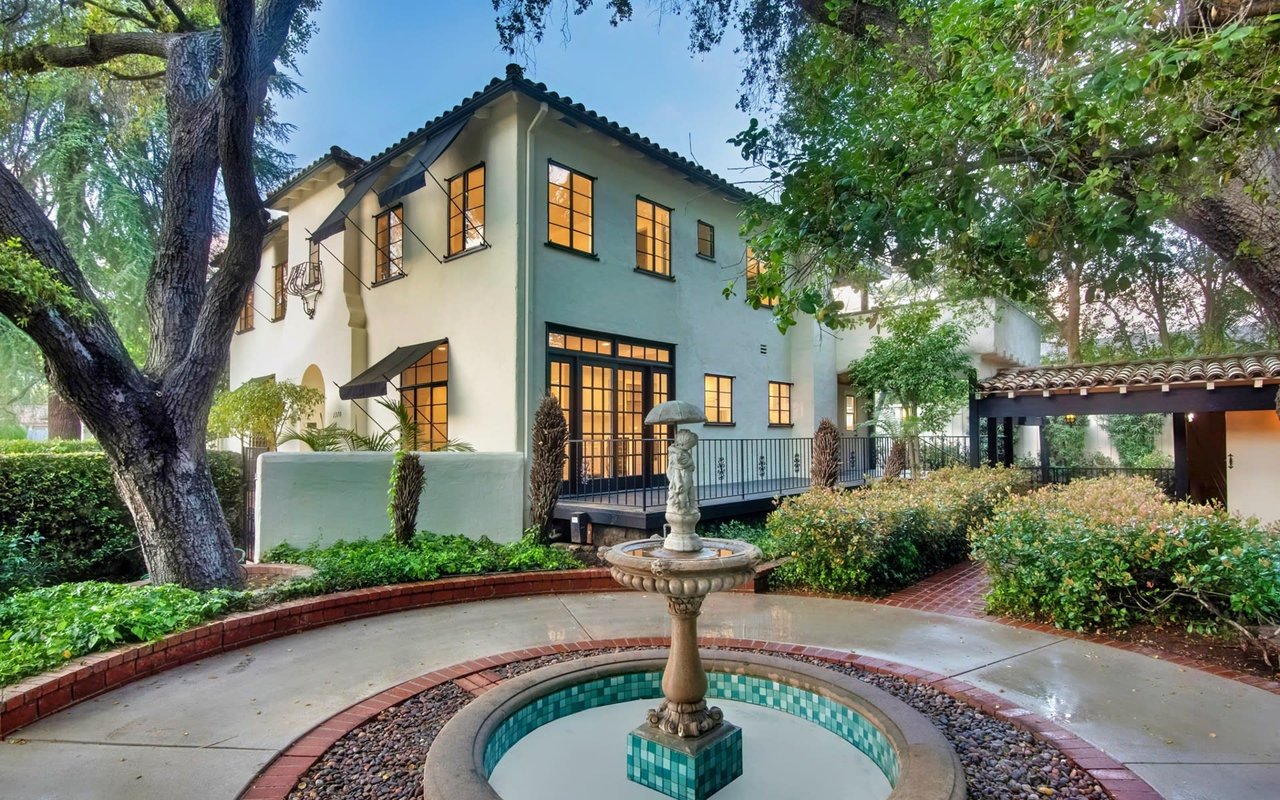
One of Glendale’s strengths is architectural variety. The hills are not defined by a single look, and that gives the area a layered, collected character that many design-conscious buyers appreciate.
Rossmoyne and Early Revival Homes
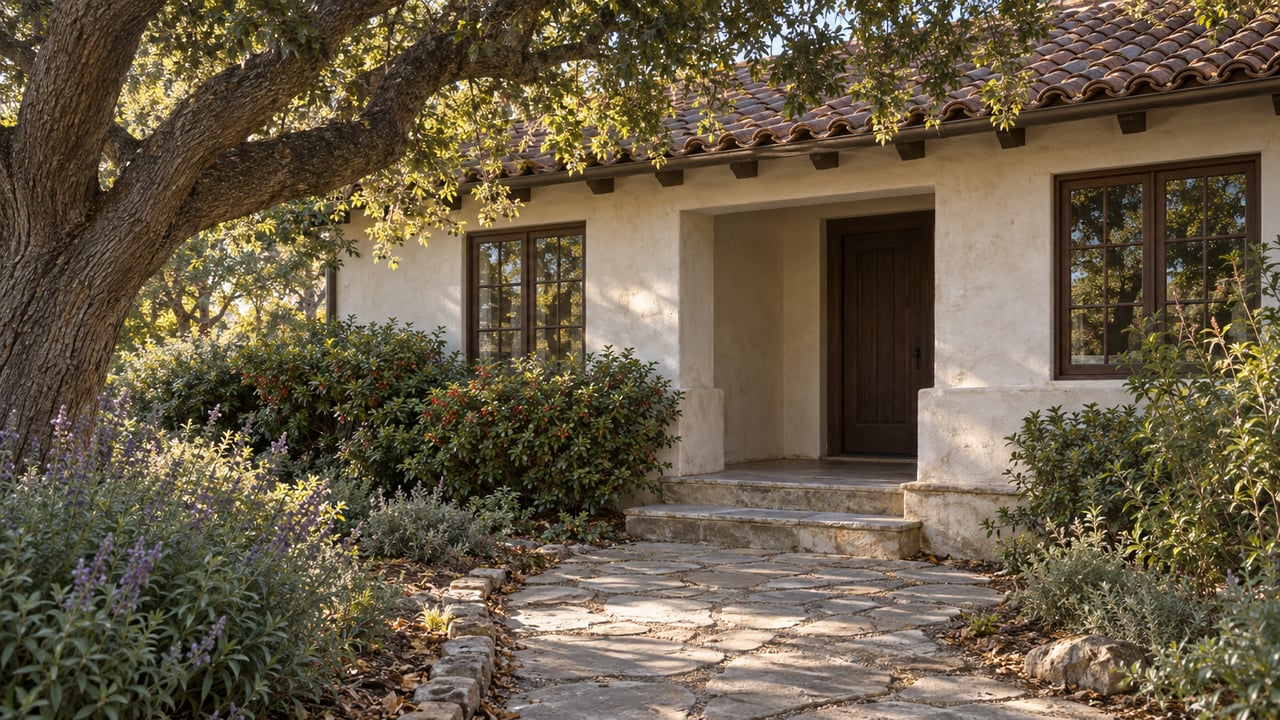
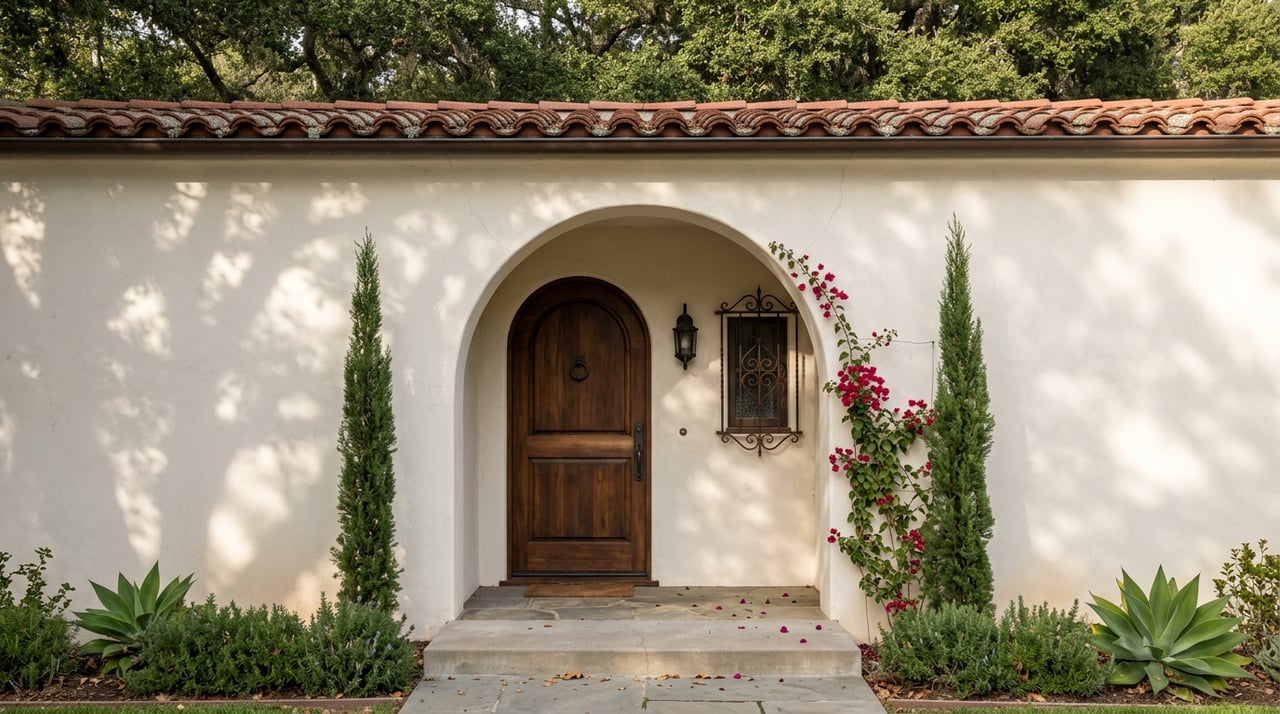
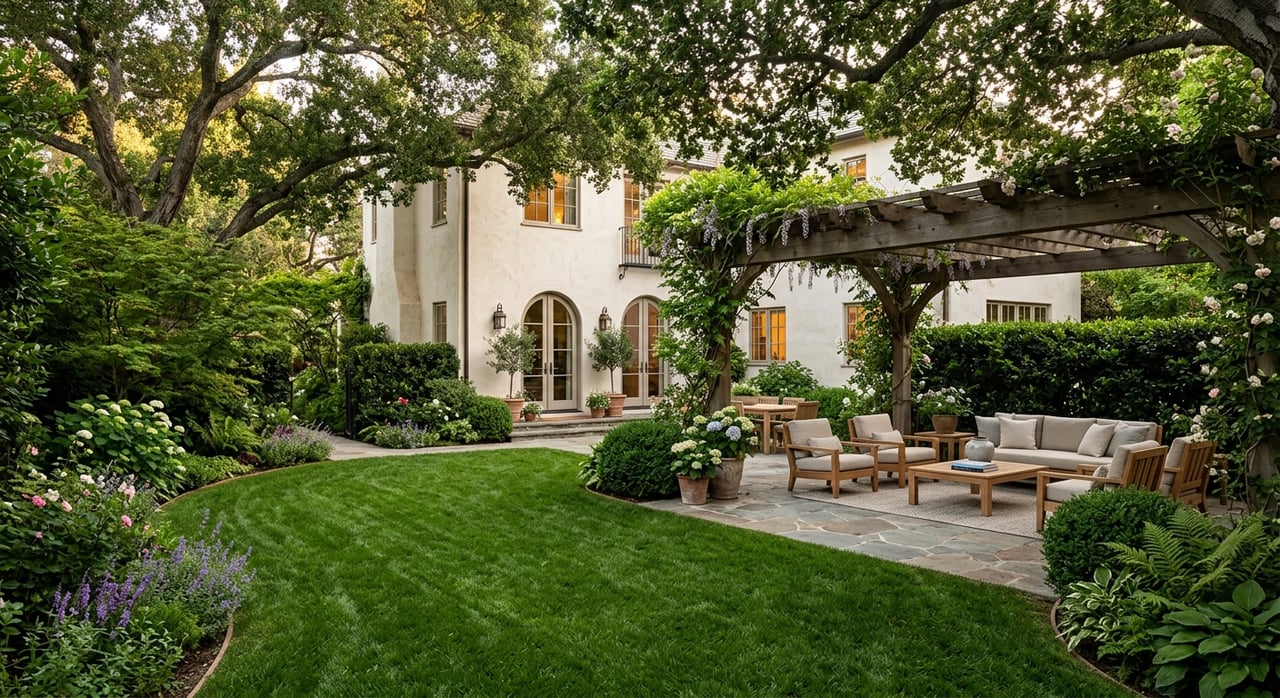
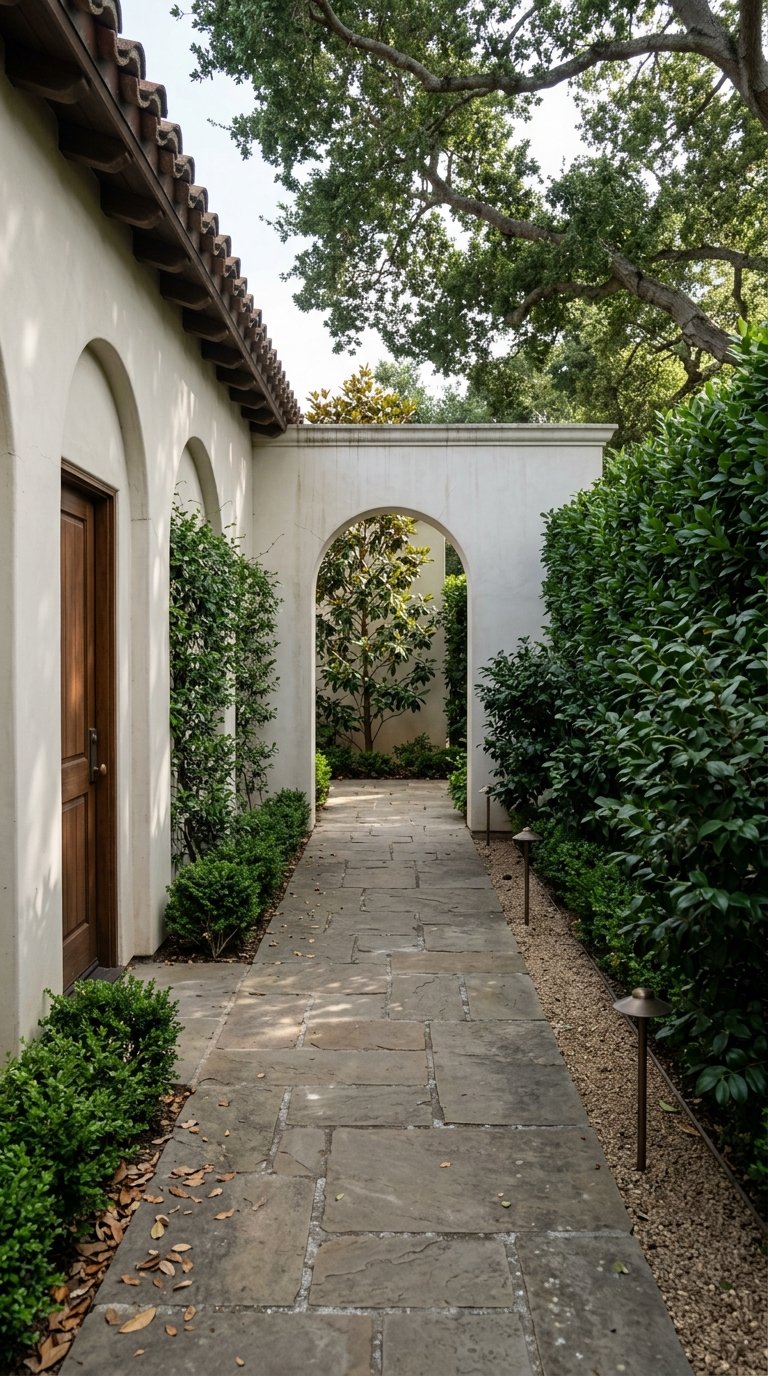
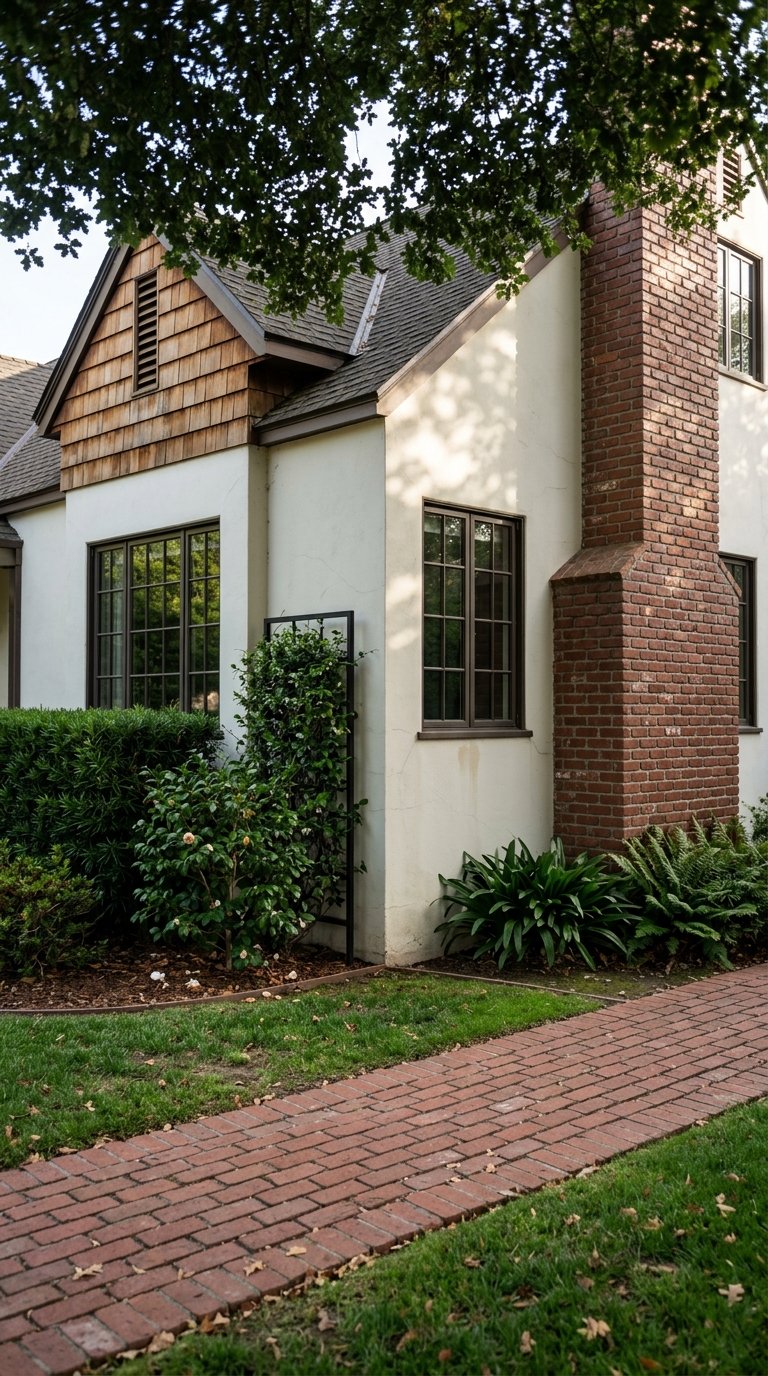
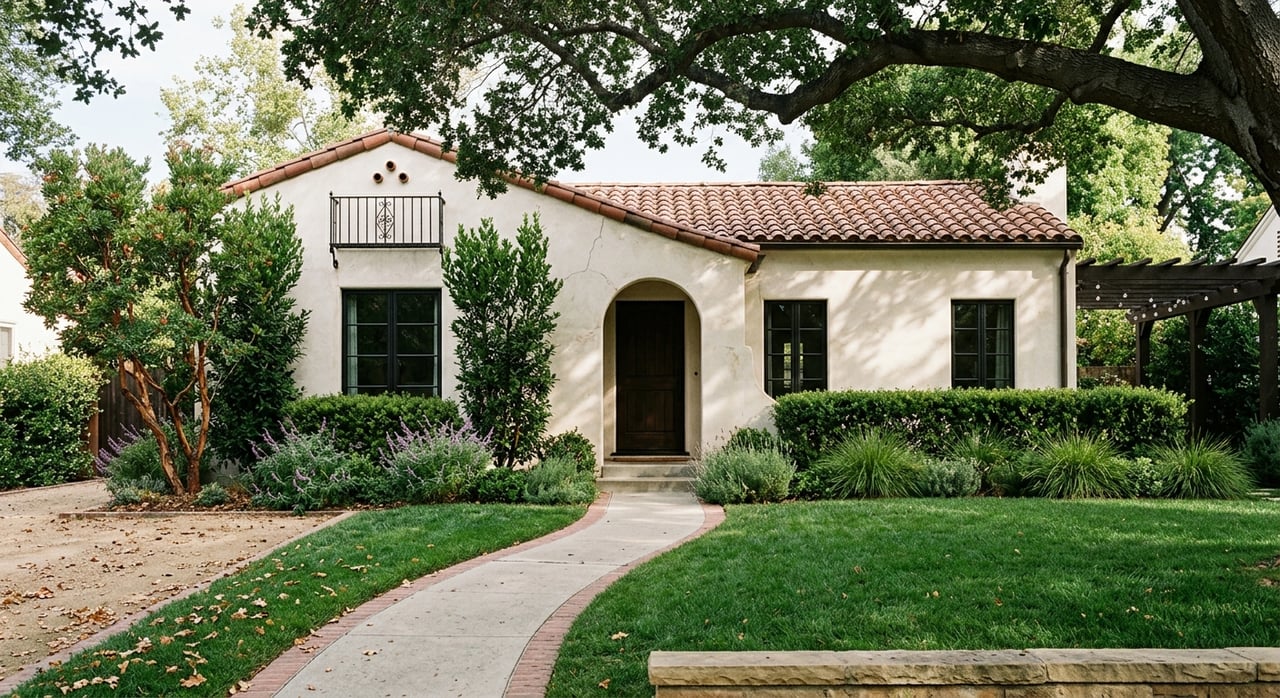
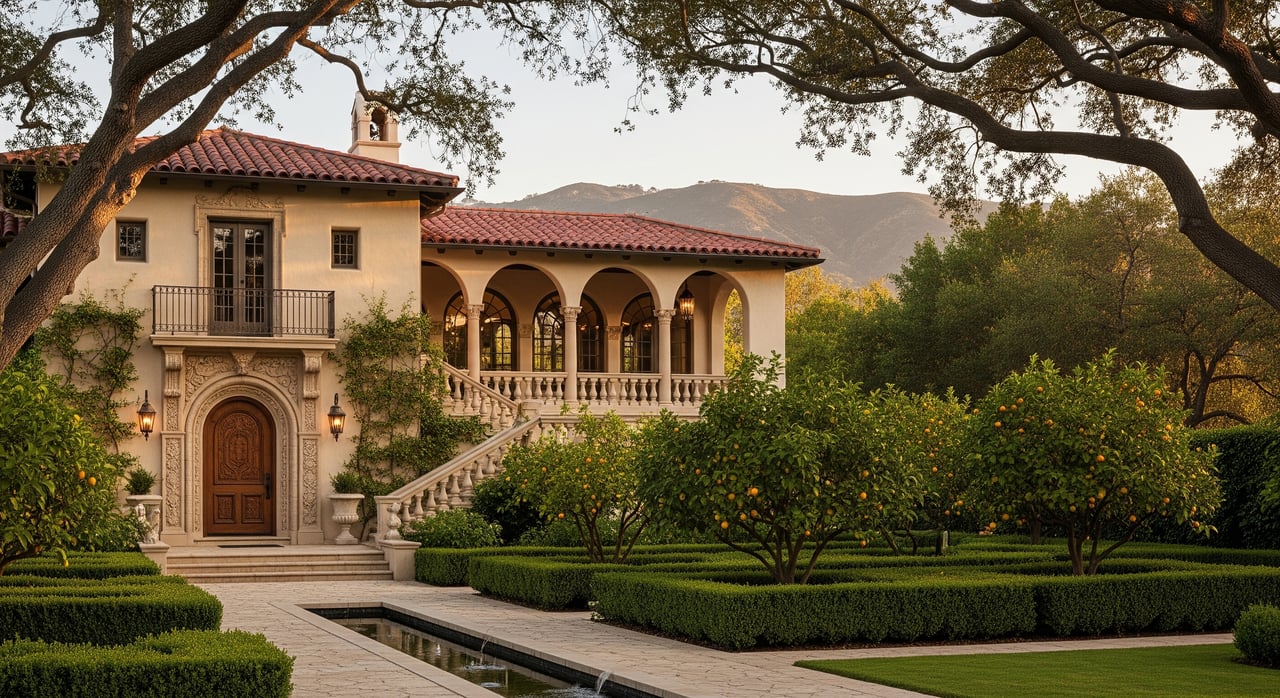
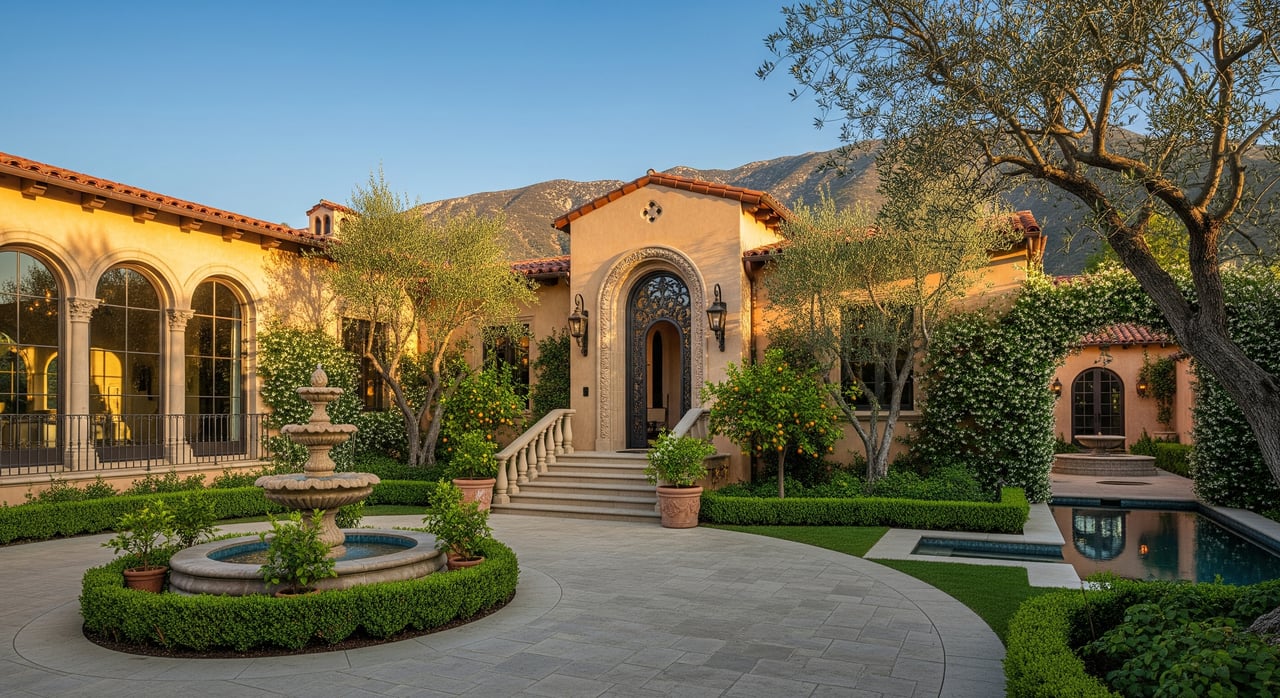
Rossmoyne is Glendale’s largest historic district and one of the clearest examples of early hillside character. According to the city, the district includes 503 homes on gently curving streets and features strong examples of Spanish Colonial Revival, Tudor Revival, and French-inspired architecture.
The neighborhood began development in 1923 and was largely built out by 1950. For buyers who value period detail, coherent streetscapes, and architecture with established presence, Rossmoyne often represents a notable part of Glendale’s hillside identity.
Brockmont Park and Foothill Character
Brockmont Park adds another piece to the story. Glendale’s historic survey describes it as a post-World War I suburban district shaped by foothill geography and the rise of the automobile, with 59 single-family homes and a wide range of architectural styles.
The city also notes that the district retains a very high degree of integrity. That can matter if you are drawn to neighborhoods where the built environment still reads clearly as a historical whole.
Crescenta Highlands and Postwar Variety
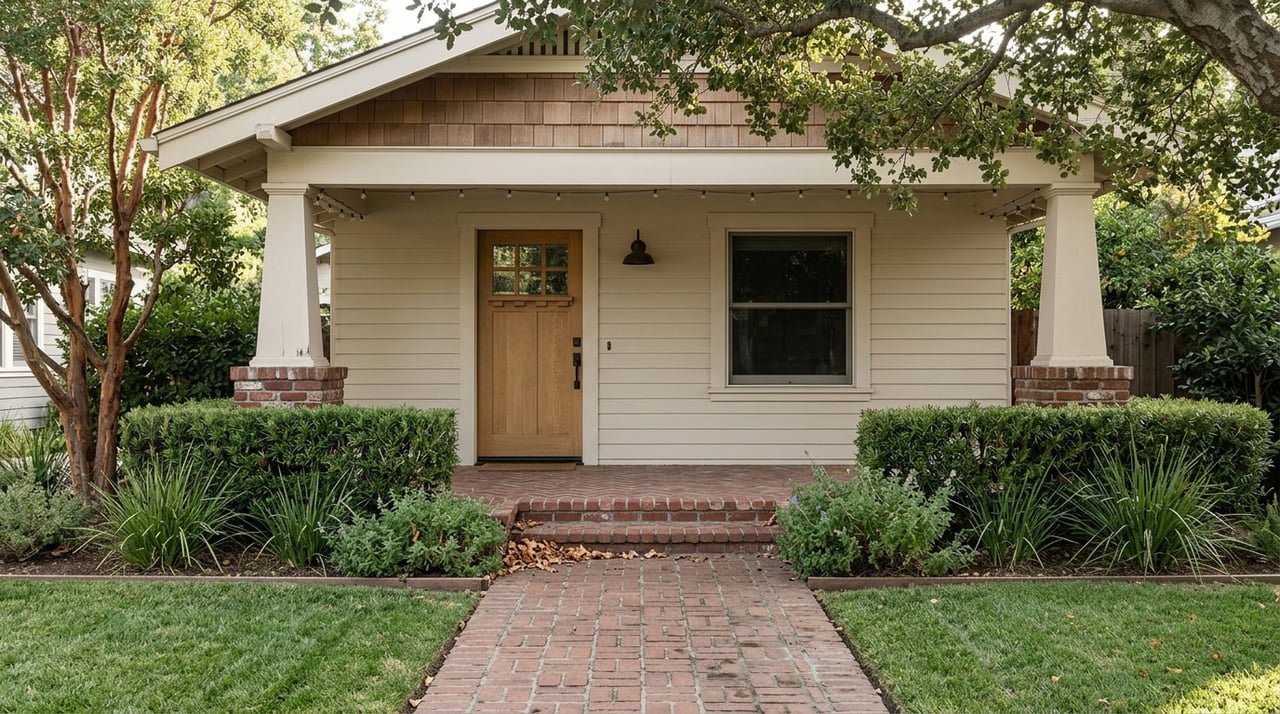
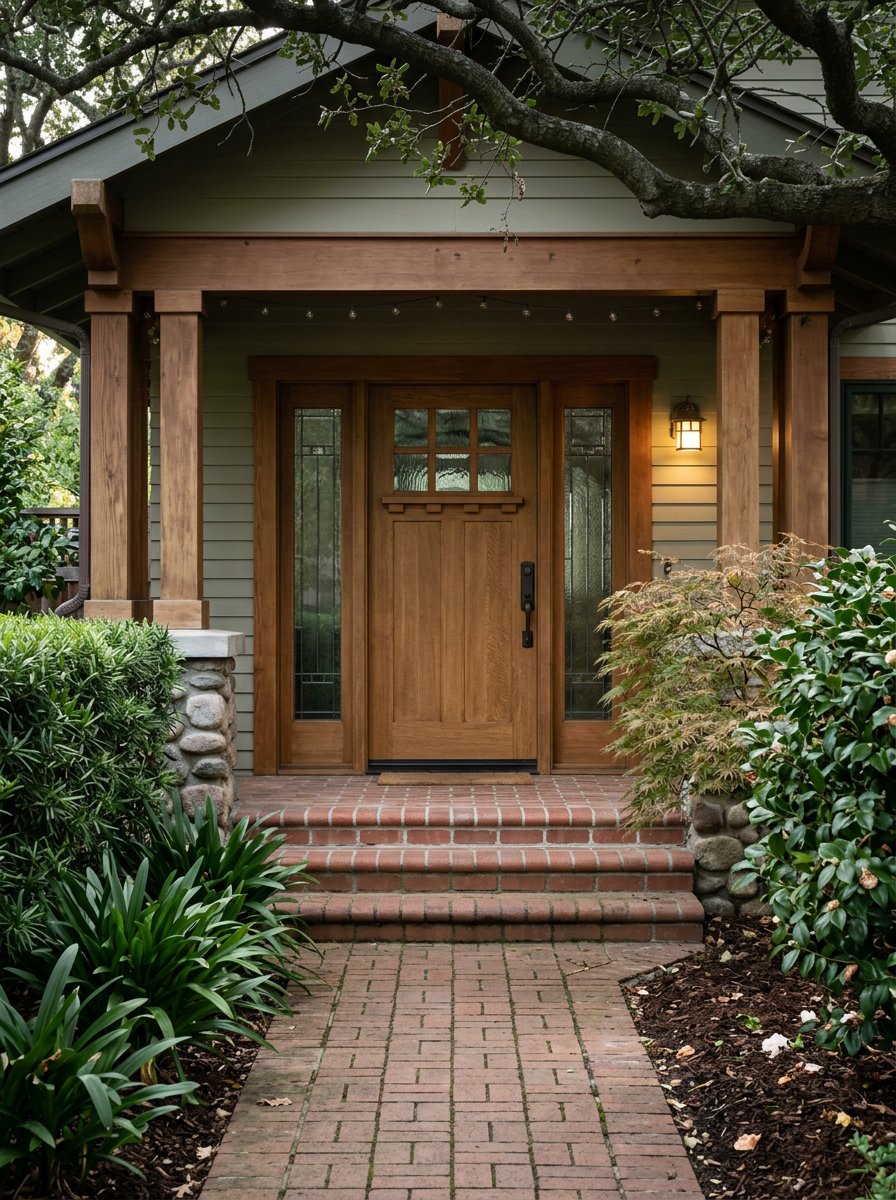
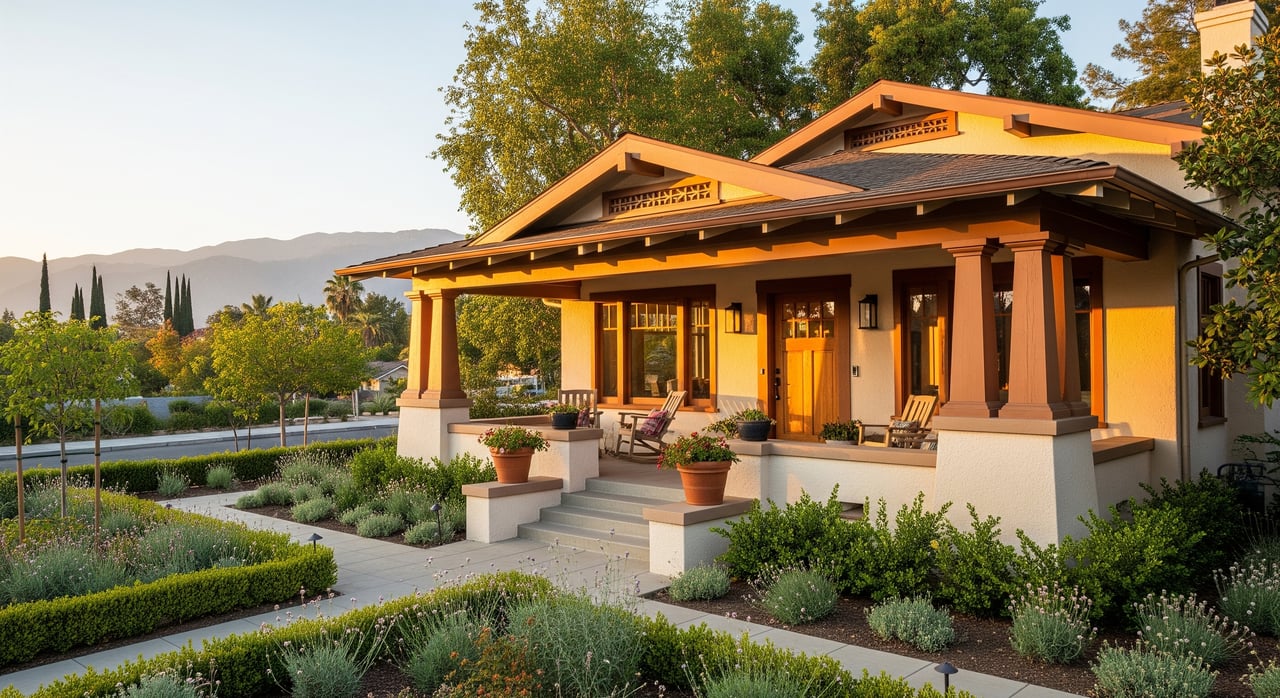
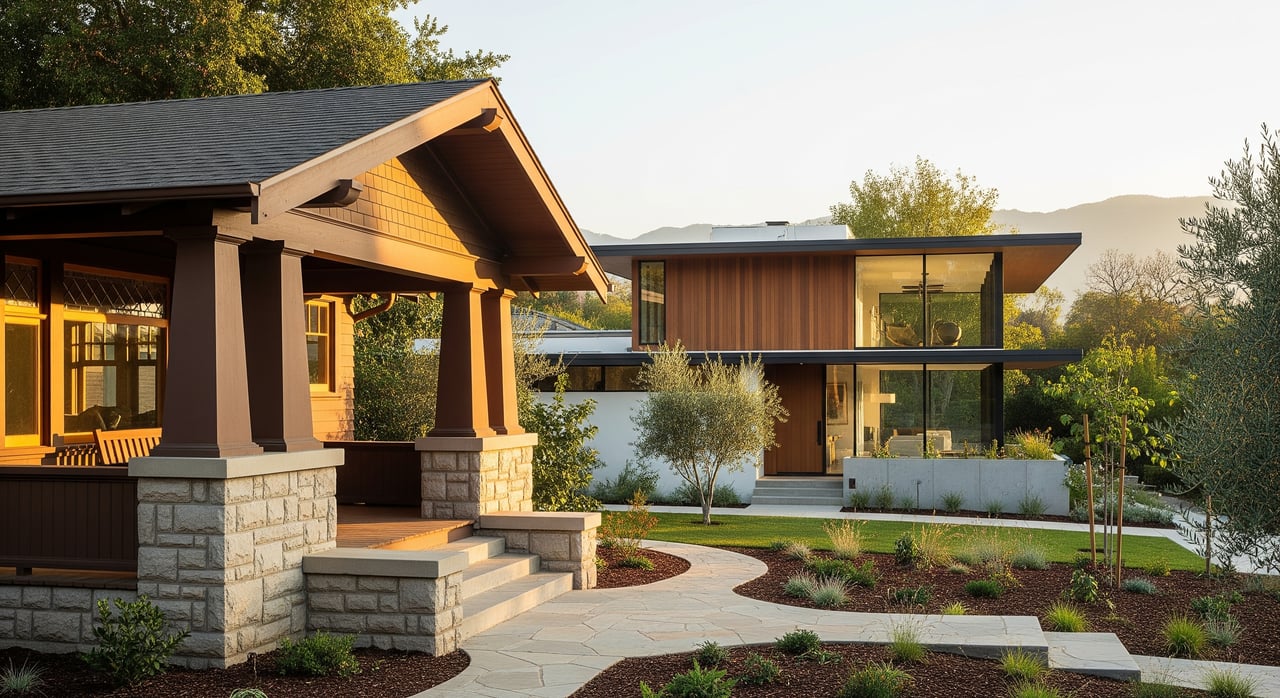
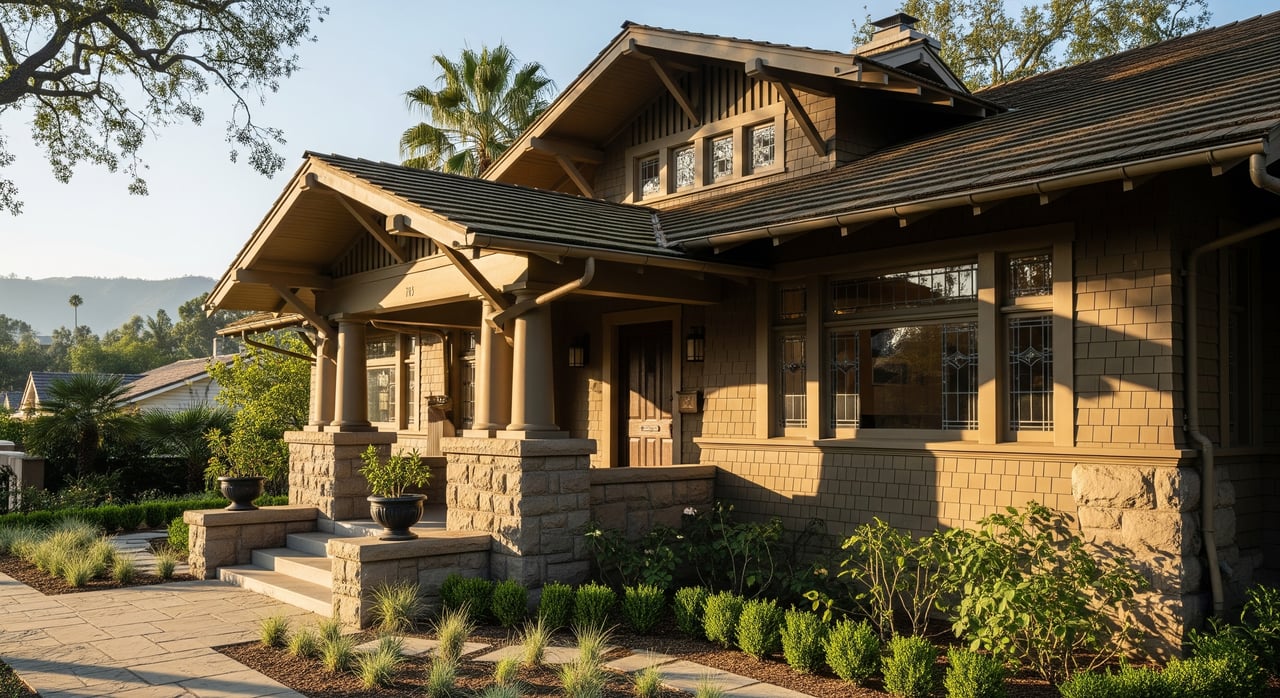
The hillside story continues into North Glendale. In Crescenta Highlands, the city notes a range of housing that includes simple Craftsman bungalows, Modern-style post-and-beam tract homes, and many ranch homes that define much of the postwar landscape.
This mix is part of what makes Glendale hillside housing feel layered rather than uniform. You may find early revival architecture, foothill-era suburban homes, ranch properties, and postwar modern influences within the broader hillside market.
Daily Rhythm in the Hills
A hillside address changes how a day unfolds. Even when regional access is strong, the practical routine often depends on the specific route in and out of a neighborhood, how steep the streets are, and how directly a property connects to major roads.
Glendale says it is minutes from downtown Los Angeles, Pasadena, Burbank, Hollywood, and Universal City, and that it sits at the center of four major freeways: I-5, SR-2, SR-134, and SR-210. That central location supports regional convenience, but it also means traffic patterns are part of the equation.
In some foothill areas, commuter cut-through traffic can affect the feel of residential streets. Glendale’s Rossmoyne traffic circulation study, for example, was created to reduce drivers using neighborhood streets to reach the 134 Freeway. If daily calm is important to you, street pattern and traffic flow deserve close attention during your home search.
Transit, Access, and Getting Around
While Glendale’s hills tend to support a car-oriented lifestyle, the city still offers notable transportation infrastructure. The Larry Zarian Transportation Center serves as a hub for Amtrak, Metrolink, Greyhound, Metro, and the Glendale Beeline.
The city says 10 Pacific Surfliner trains serve the station daily and 54 Metrolink trains run on weekdays. Glendale also notes that Beeline Route 12 operates during peak morning and evening commute times between the Transportation Center and the Burbank Metrolink Station.
For some buyers, this adds flexibility, especially if work or travel extends beyond Glendale. Still, in many hillside settings, convenience depends less on whether transit exists and more on how quickly you can reach it from home.
Downtown Glendale as the Cultural Counterpoint
One of the appealing parts of hillside living in Glendale is the contrast between residential quiet and city amenities nearby. Downtown Glendale functions as the city’s practical dining and arts core, with small-scale retail, restaurant, and service uses in traditional storefront settings.
The Alex Theatre remains one of the city’s best-known cultural landmarks. Glendale describes it as a cultural hub since 1925, with Art Deco architecture and its iconic spire still helping define the district’s visual identity.
Brand Library & Art Center adds another layer. Located in Brand Park, it offers art and music collections, galleries, recital space, and free public programs. For buyers who value architecture and culture, this balance between hillside retreat and civic life can be especially appealing.
Outdoor Access Is Part of the Lifestyle
Glendale’s hillside appeal is closely tied to open space. The city says it owns and manages more than 5,000 acres of natural open space, along with over 30 miles of fire roads and 7.5 miles of single-track trails used daily by hikers, joggers, dog-walkers, and mountain bikers.
That access is especially visible in places like Brand Park and Deukmejian Wilderness Park. If you want a home where outdoor time feels built into your routine, this setting can offer a strong advantage.
Deukmejian Wilderness Park
Deukmejian Wilderness Park occupies a rugged 709-acre site on the northern edge of Glendale. According to the city, its trails provide views of the Crescenta Valley and the Los Angeles basin.
For many residents, this kind of nearby access changes the feel of daily life. A morning walk, an evening trail outing, or simply being close to protected open space becomes part of the rhythm rather than a special trip.
Brand Park and Local Trails
Brand Park sits at the base of the Verdugo Mountains and offers hiking and biking trails, along with the Whispering Pine Tea House & Friendship Garden. The setting combines recreational access with a cultural and landscaped environment that feels distinctively Glendale.
The Catalina Verdugo Trail is another local example. The city describes it as an 8,929-foot multi-use trail in the San Rafael Hills that meanders in and out of canyons at an easy grade.
Practical Tradeoffs to Understand
Hillside living often comes with rewards, but it also asks more of you. In Glendale, those tradeoffs usually include site maintenance, fire preparedness, and a closer look at how a property functions on a sloped lot.
If you are considering a hillside purchase, it helps to think beyond the view and ask how the property will perform day to day. Parking, driveway ease, outdoor maintenance, and emergency preparedness all play a bigger role here than they might in a condo or flatland setting.
Fire Preparedness and Brush Clearance
Glendale treats hillside and canyon living as a fire-safety issue. The city’s Vegetation Management Program is aimed specifically at hillside and canyon communities, with annual inspections and fuel-modification plans in High and Very High Fire Hazard Severity Zones.
The city’s brush-clearance rules require defensible space within 100 feet of combustible buildings and can extend to 200 feet in some cases. For buyers, this means a hillside property may involve more ongoing landscape management and preparedness responsibilities than a home in a denser, more urban setting.
Historic Review in Some Areas
If a home is located within a designated historic district, some exterior changes may be reviewed by the city to help protect neighborhood character. Glendale notes that this kind of review does not change the underlying zoning, but it can affect how exterior work is approached.
That matters in architecturally sensitive hillside areas where preservation overlays are part of the market context. If architectural integrity is important to you, this can be a benefit. If flexibility for exterior changes is a priority, it is worth understanding early.
Is Glendale Hillside Living Right for You?
Glendale’s hillside neighborhoods often appeal to buyers who value architectural character, visual openness, trail access, and a quieter routine that feels connected to the landscape. They tend to be less aligned with buyers who want dense condo convenience and immediate walkability for most daily needs.
The right fit depends on what you want your home to do for you. If you are looking for a setting where provenance, topography, and daily atmosphere matter as much as square footage, Glendale’s hills can offer a compelling alternative to flatter, more uniform neighborhoods.
If you are weighing options in Glendale or the adjacent foothills, a careful, property-by-property approach is essential. Hillside homes are often most rewarding when the architecture, lot conditions, access, and lifestyle priorities all align.
If you are considering a move in Glendale or the surrounding foothill market, Chelby Crawford offers a thoughtful, design-aware perspective on architecturally significant homes and the lifestyle choices that come with them. Request a private market consultation.
FAQs
What defines hillside living in Glendale, California?
- In Glendale, hillside living generally refers to lower-density residential areas near the Verdugo Mountains and San Gabriel foothills, where the setting is more open-space oriented and typically more car-dependent than downtown.
What architectural styles are common in Glendale hillside neighborhoods?
- Glendale hillside areas include a mix of Spanish Colonial Revival, Tudor Revival, French-inspired homes, Craftsman bungalows, ranch houses, and some Modern-style post-and-beam properties, depending on the neighborhood.
What is daily life like in Glendale hillside neighborhoods?
- Daily life often feels quieter and more site-specific, with strong regional freeway access but a routine shaped by driving, neighborhood street patterns, and proximity to trails, parks, and downtown amenities.
What outdoor access comes with Glendale hillside living?
- Glendale offers extensive open space, including more than 5,000 acres of natural areas, over 30 miles of fire roads, and 7.5 miles of single-track trails, with popular access points in Brand Park and Deukmejian Wilderness Park.
What should buyers know about fire preparedness in Glendale hillsides?
- Buyers should know that hillside and canyon properties may be subject to vegetation management, annual inspections, and brush-clearance requirements, including defensible space rules that can extend beyond 100 feet in some cases.
Do historic district rules affect Glendale hillside homes?
- Yes, if a property is in a designated historic district, some exterior changes may be reviewed by the city to protect neighborhood character, even though the property’s underlying zoning remains the same.