Looking for a place where daily life feels a little more contained, a little more scenic, and a little less rushed? Sierra Madre has long appealed to buyers who want a foothill setting with a true small-town rhythm, especially when compared with larger, more spread-out parts of Los Angeles County. If you are wondering what it is actually like to live here day to day, this guide will walk you through errands, outdoor time, transportation, housing patterns, and the community traditions that shape everyday life. Let’s dive in.
Sierra Madre at a Glance
Sierra Madre calls itself the “Village of the Foothills,” and the description fits. The city sits just east of Pasadena and has about 11,268 residents within 2.96 square miles, at roughly 830 feet in elevation. That small footprint helps explain why the community often feels compact, familiar, and easy to learn.
The city also emphasizes preserving its character while supporting health, safety, and community well-being. In practical terms, that often translates into a low-rise, primarily residential environment rather than a busy commercial landscape. If you value a foothill town with a defined identity, Sierra Madre offers a distinct everyday setting.
Daily Errands in Sierra Madre
One of the clearest features of day-to-day life in Sierra Madre is how concentrated the commercial core is. The city’s historic downtown functions as a village center, with one- and two-story buildings, small storefronts, restaurants, offices, service businesses, institutional and nonprofit uses, and medical facilities. That arrangement creates a routine that can feel simpler than in larger neighboring areas.
Only 4% of Sierra Madre’s land is devoted to commercial uses, and those uses are concentrated along Sierra Madre Boulevard and Baldwin Avenue. Because so much of the activity is centered in one area, many everyday stops are clustered rather than scattered across a broad suburban grid. For some residents, that means coffee, a quick errand, a library stop, or an appointment can fit into a relatively short outing.
The city also maintains streets and sidewalks throughout the community. Public Works reports a citywide pavement condition index of 76.7 and an ongoing sidewalk repair program. While every resident’s routine is different, the physical scale of Sierra Madre supports a more contained errand pattern than you may find in larger cities nearby.
Outdoor Living Is Part of the Routine
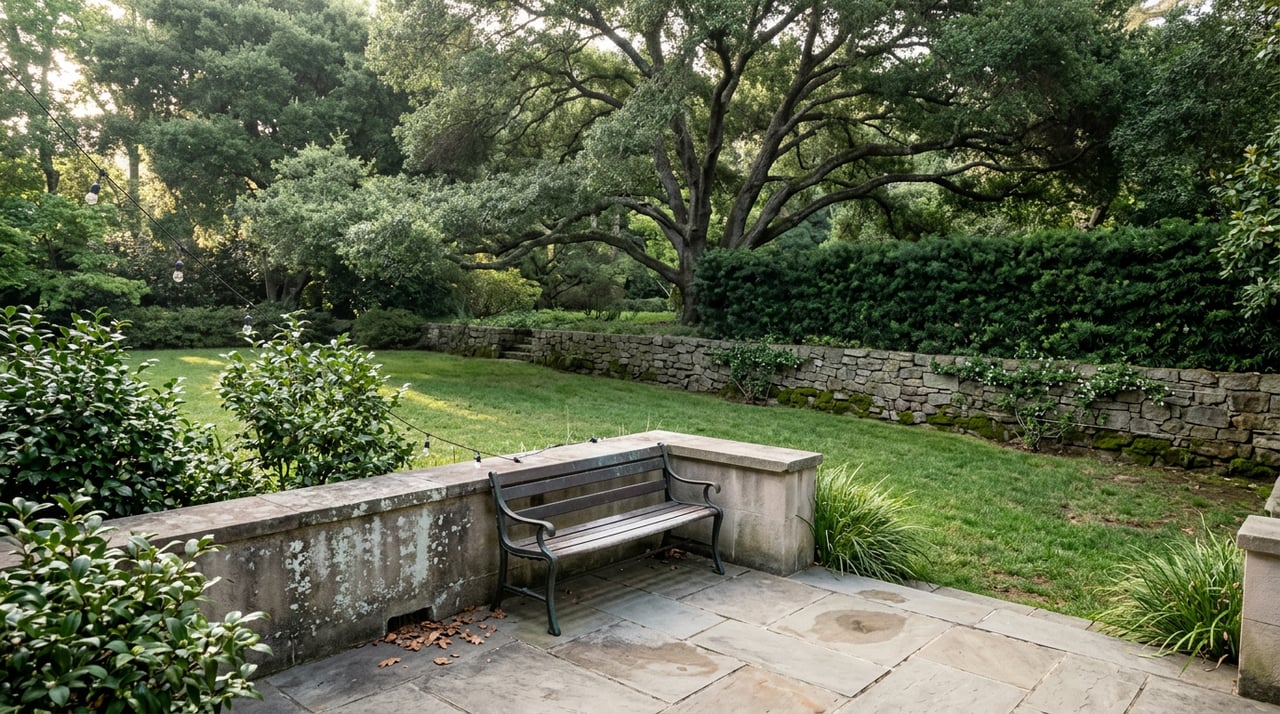
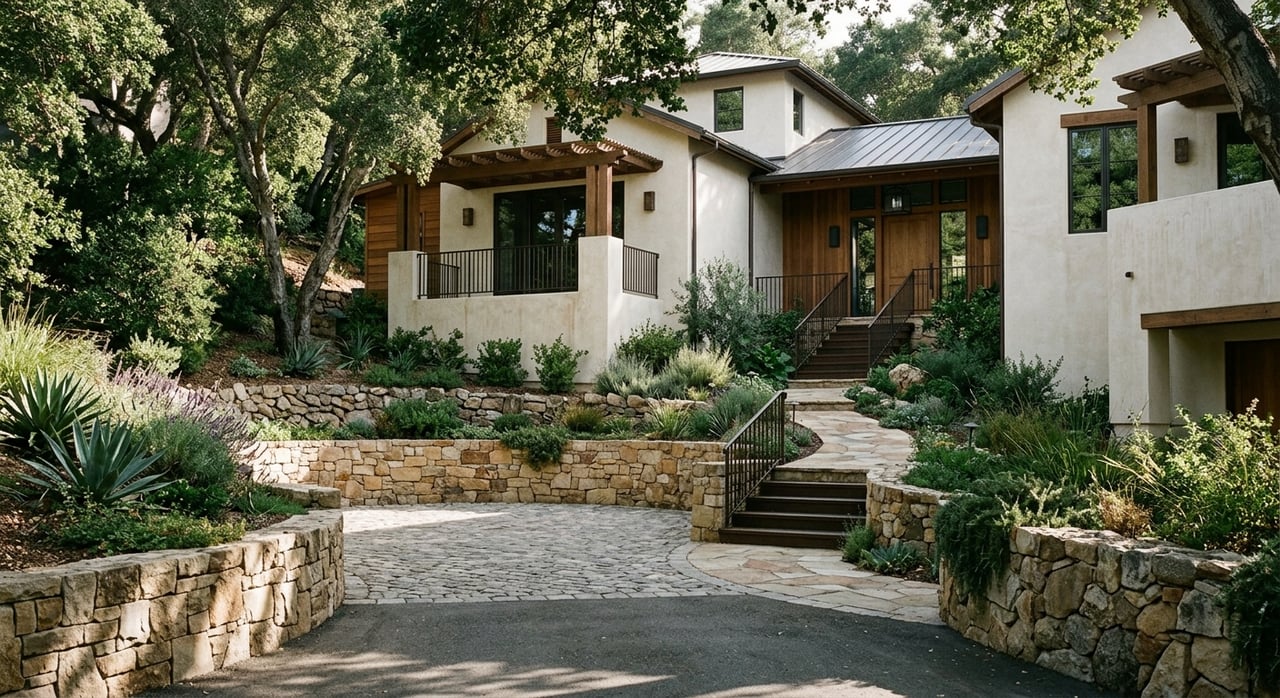
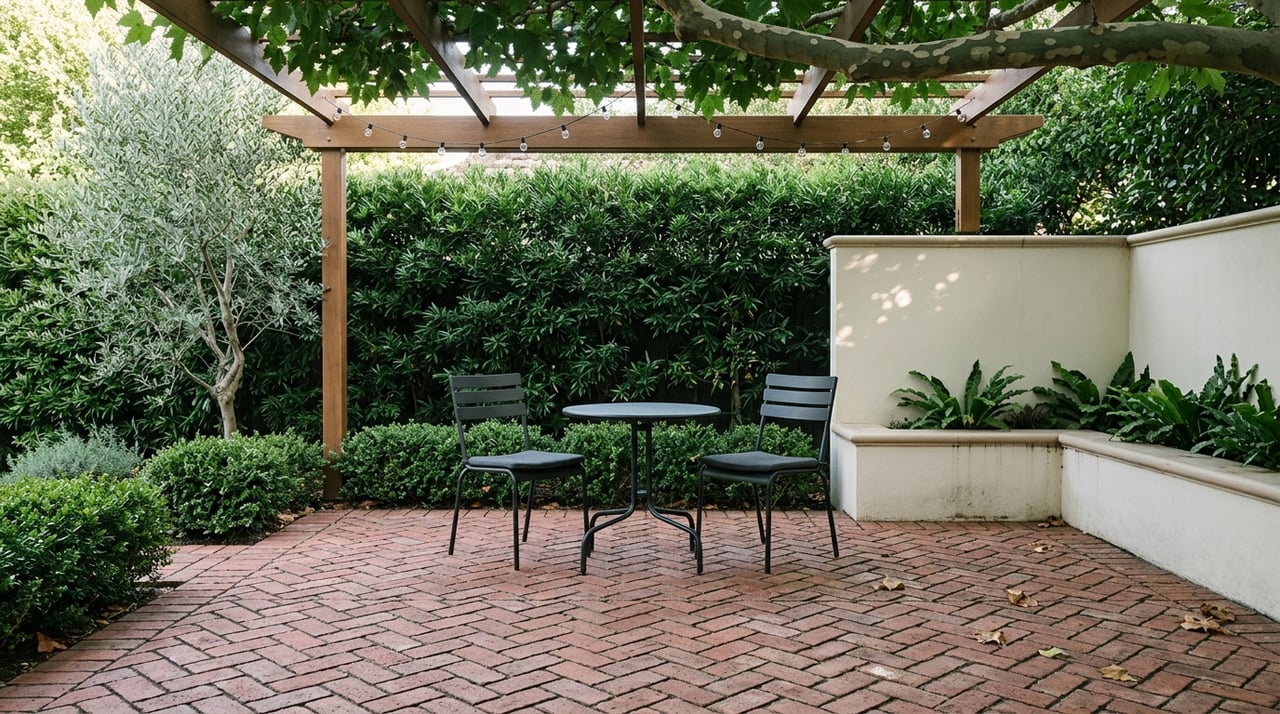
In Sierra Madre, outdoor access is not just a weekend perk. It is part of the community’s day-to-day identity. The foothill setting gives residents direct access to local trails and natural areas that shape how many people spend mornings, late afternoons, and cooler weekends.
Local Trails and Nature Access
Bailey Canyon is described by the city as a small nature study area with trails, an information kiosk, picnic areas, and a short self-guided oak woodland loop. It offers a more approachable option if you want a quick outdoor break close to home. For longer outings, the Mount Wilson Trail begins in Sierra Madre and runs about 6 miles one-way into the Angeles National Forest.
This kind of access can be a meaningful lifestyle feature if you enjoy walking, hiking, or simply having nature nearby. It also adds to the visual and emotional character of the city. Sierra Madre’s foothill backdrop is not separate from daily life here. It is woven into it.
Seasonal Closures Matter
Because Sierra Madre is in a wildfire-sensitive foothill setting, outdoor routines can change with conditions. The city adopted updated Fire Hazard Severity Zone maps in 2025, and local trail access can be affected by closure notices and hazard updates. If you are considering Sierra Madre for its outdoor lifestyle, it is wise to think of trail access as a valuable amenity that may sometimes be shaped by safety conditions.
Community Events Add Rhythm
For a city of its size, Sierra Madre has a notably active event calendar. Recurring community events include Movies in the Parks, Concerts in the Park, the Mount Wilson Trail Race, Community Bike Ride, 4th of July Festivities, National Night Out, Halloween Happening, Community Yard Sale, and free compost and hazardous-waste events. These events help create a steady sense of local participation throughout the year.
The city also has long-running traditions such as the Mount Wilson Trail Race, the Wistaria Festival, and the Fourth of July Parade. For many buyers, this is part of what makes Sierra Madre feel less anonymous than a larger metro setting. The calendar gives the town a cadence, and over time, those recurring events can become part of how you mark the seasons.
Housing Patterns and Everyday Feel
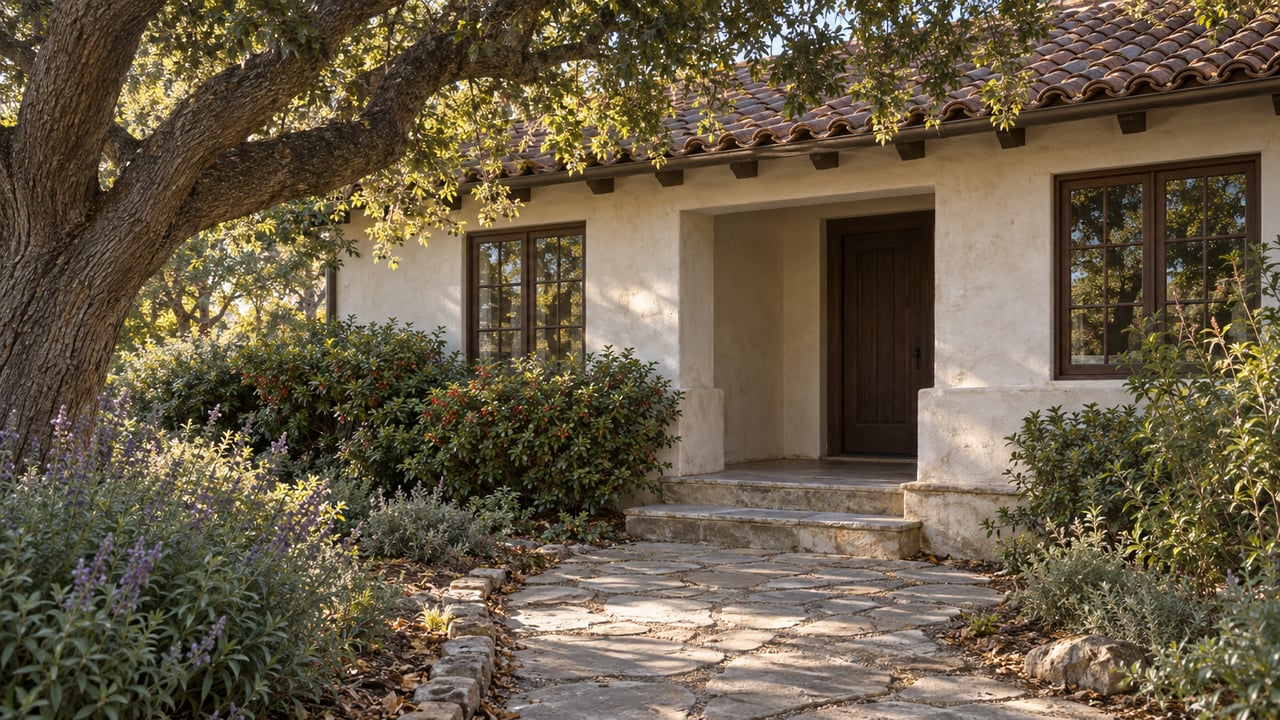
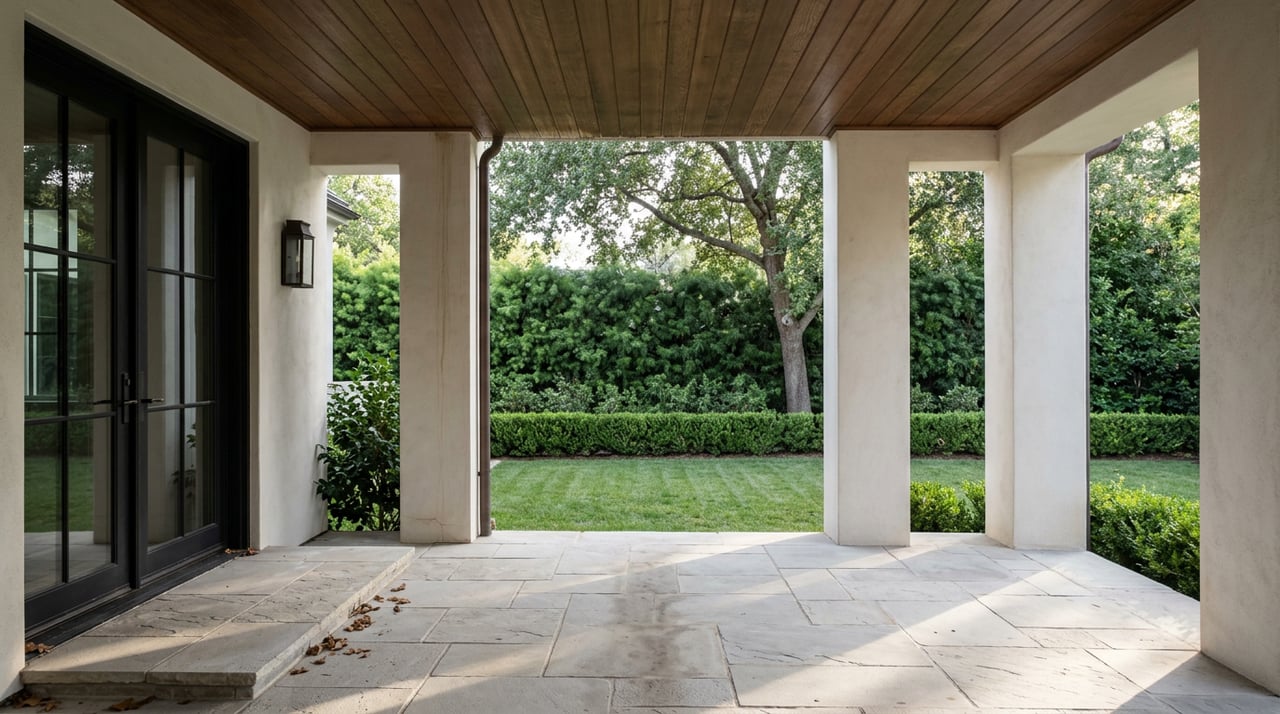
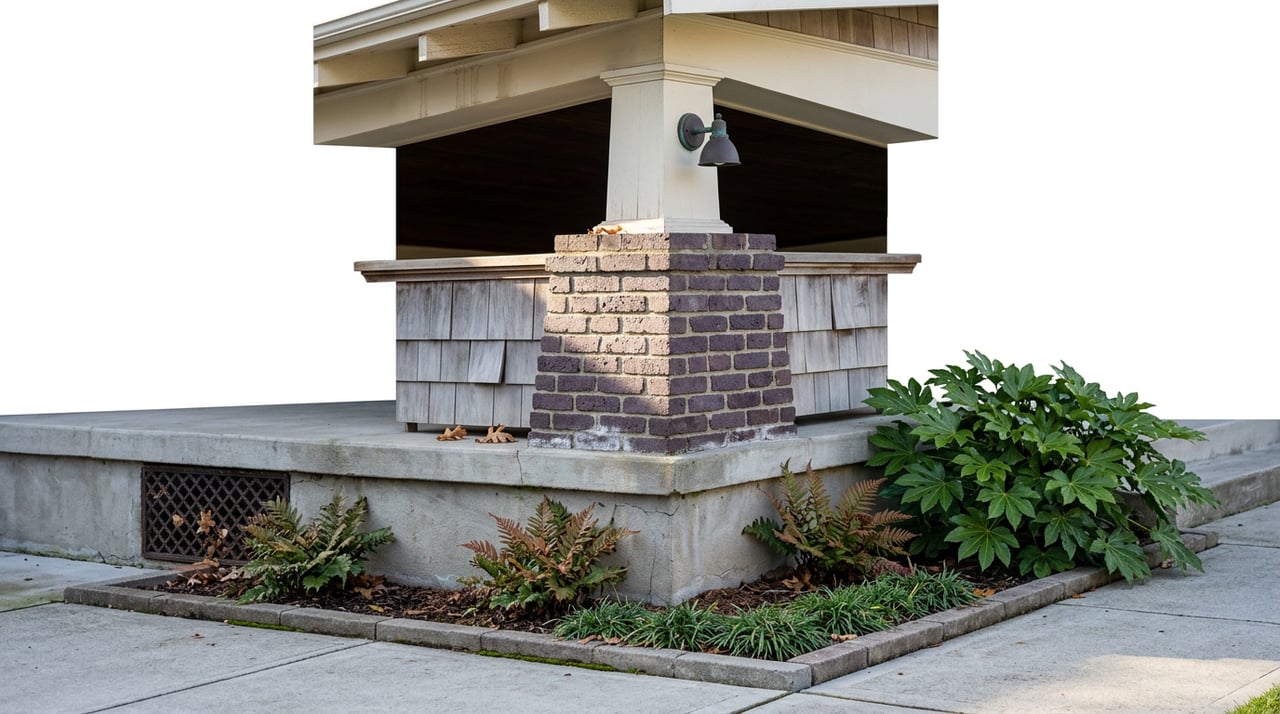
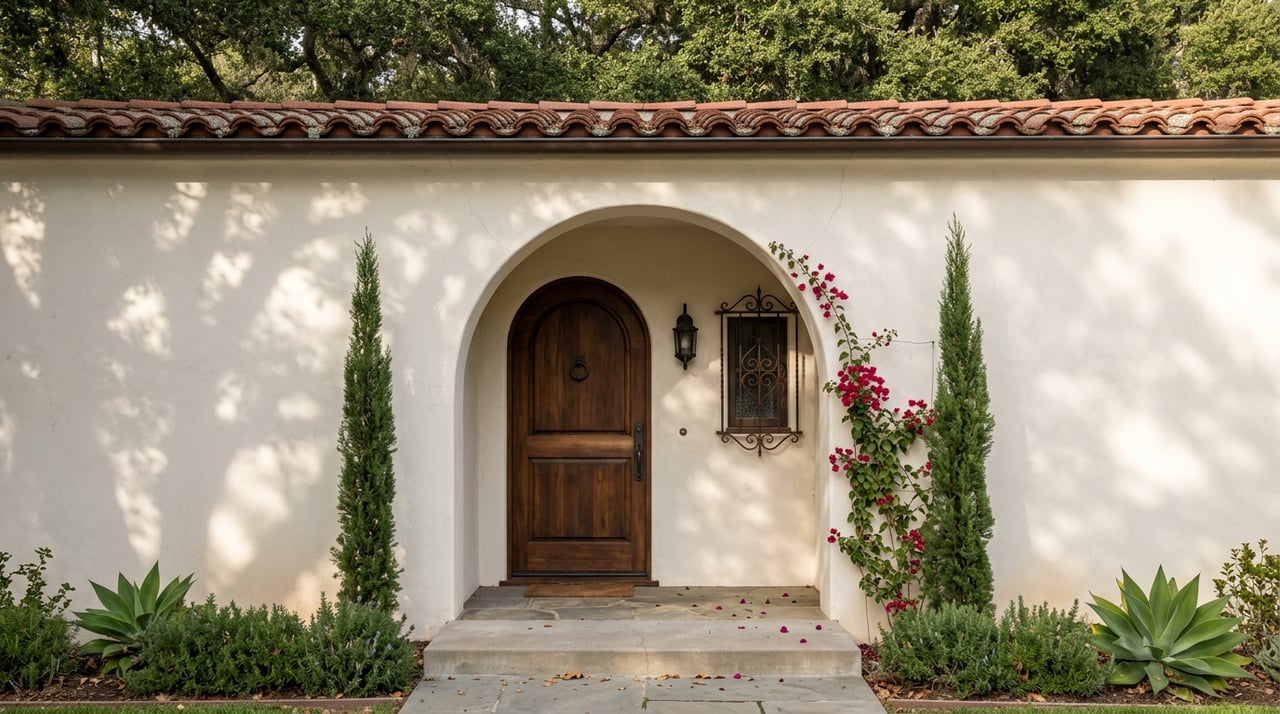
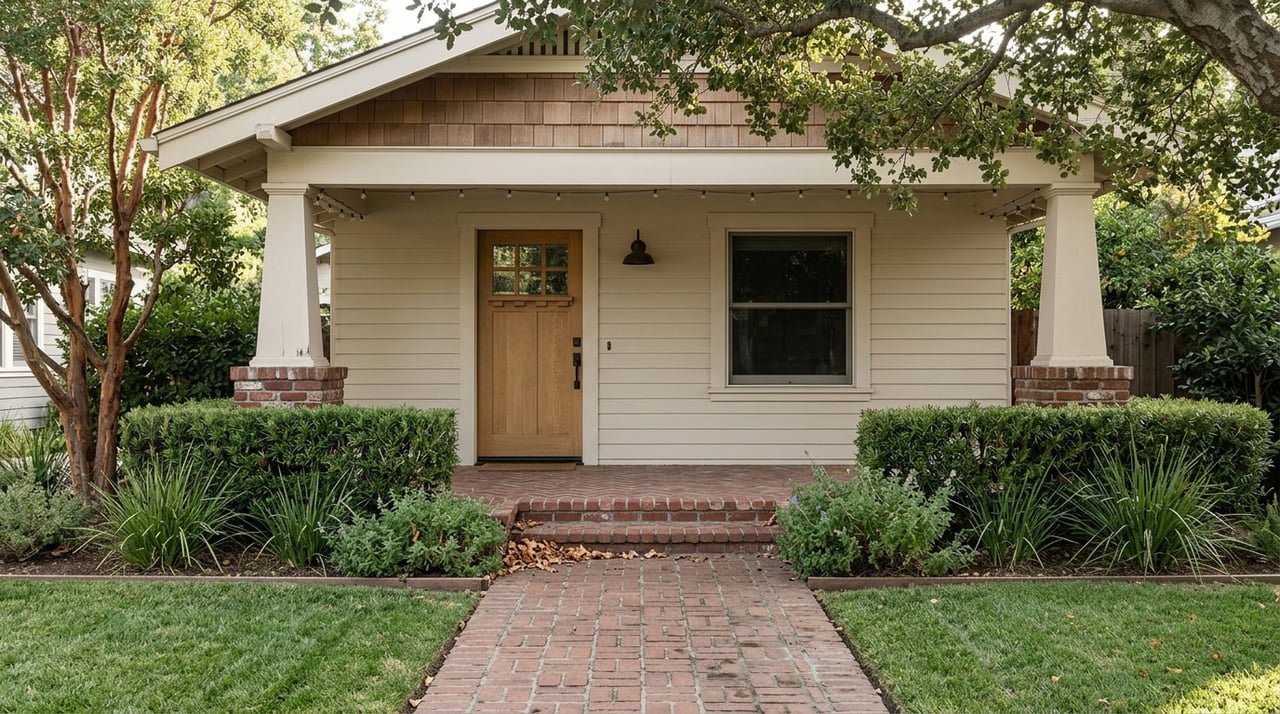
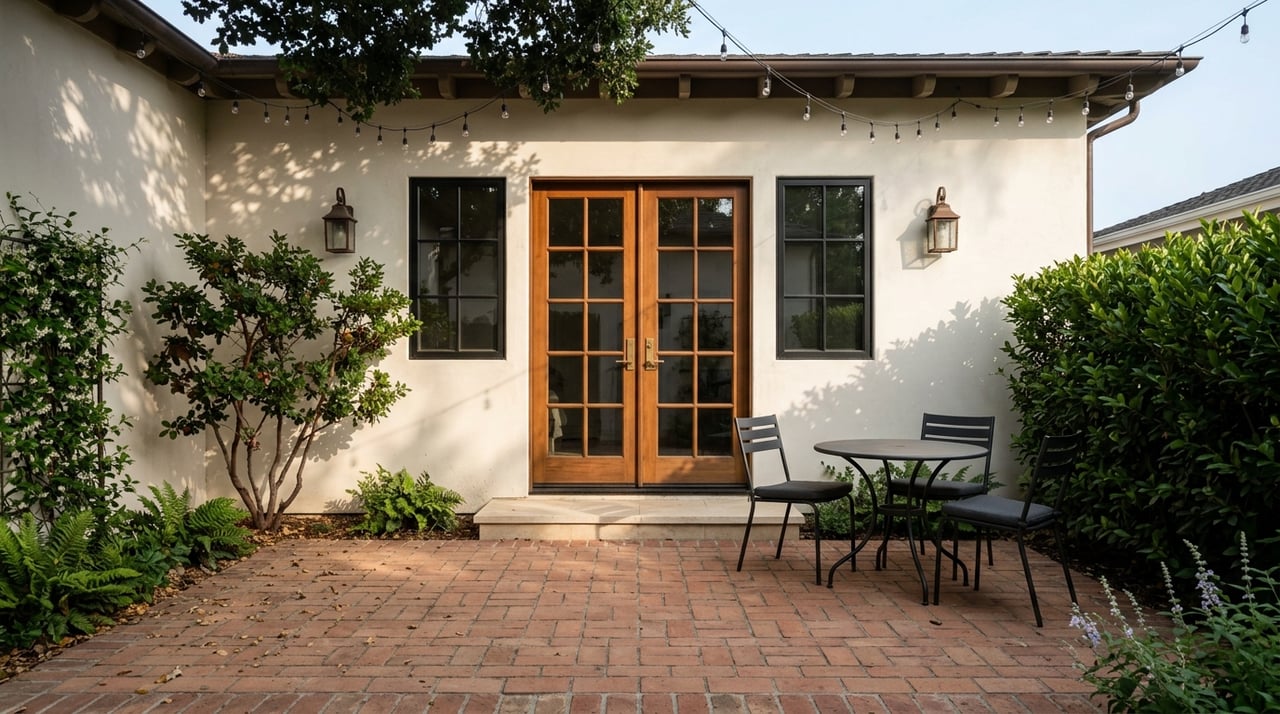
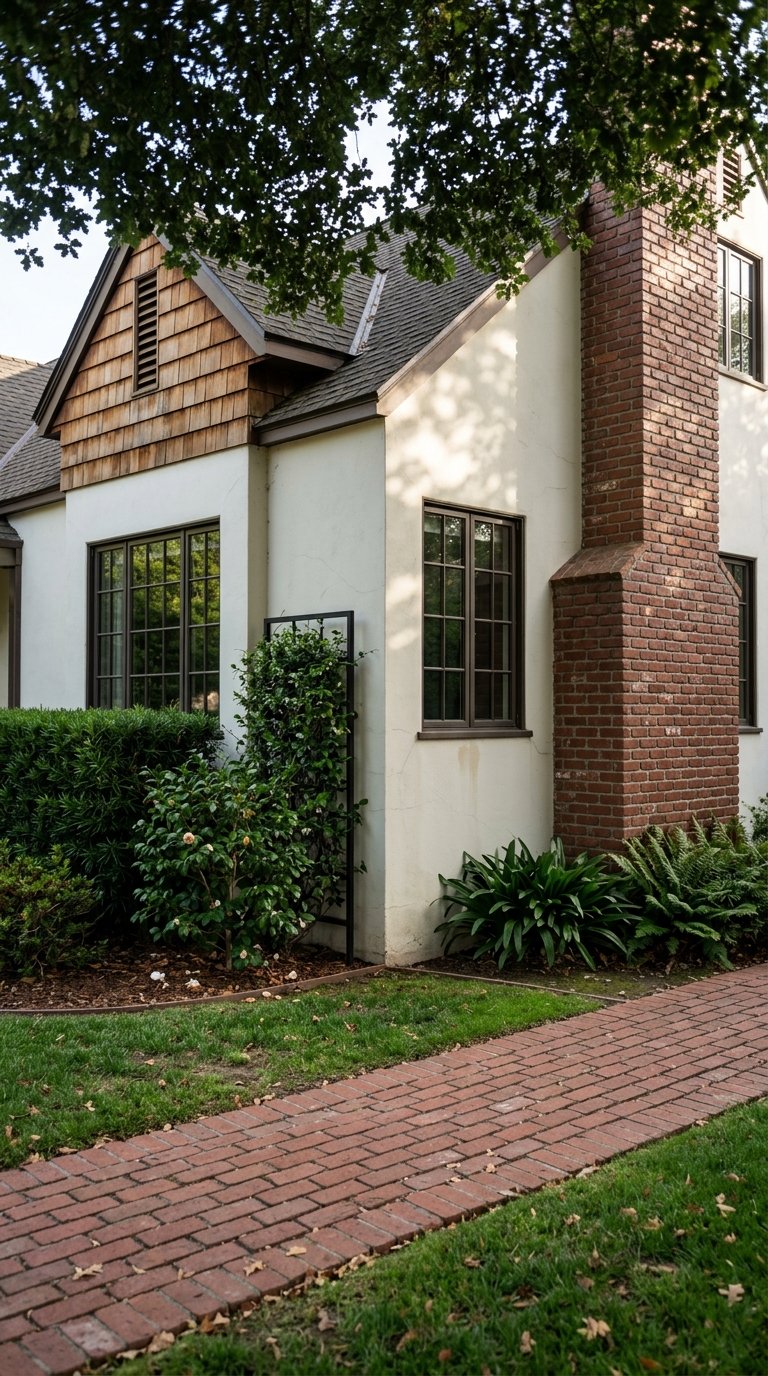
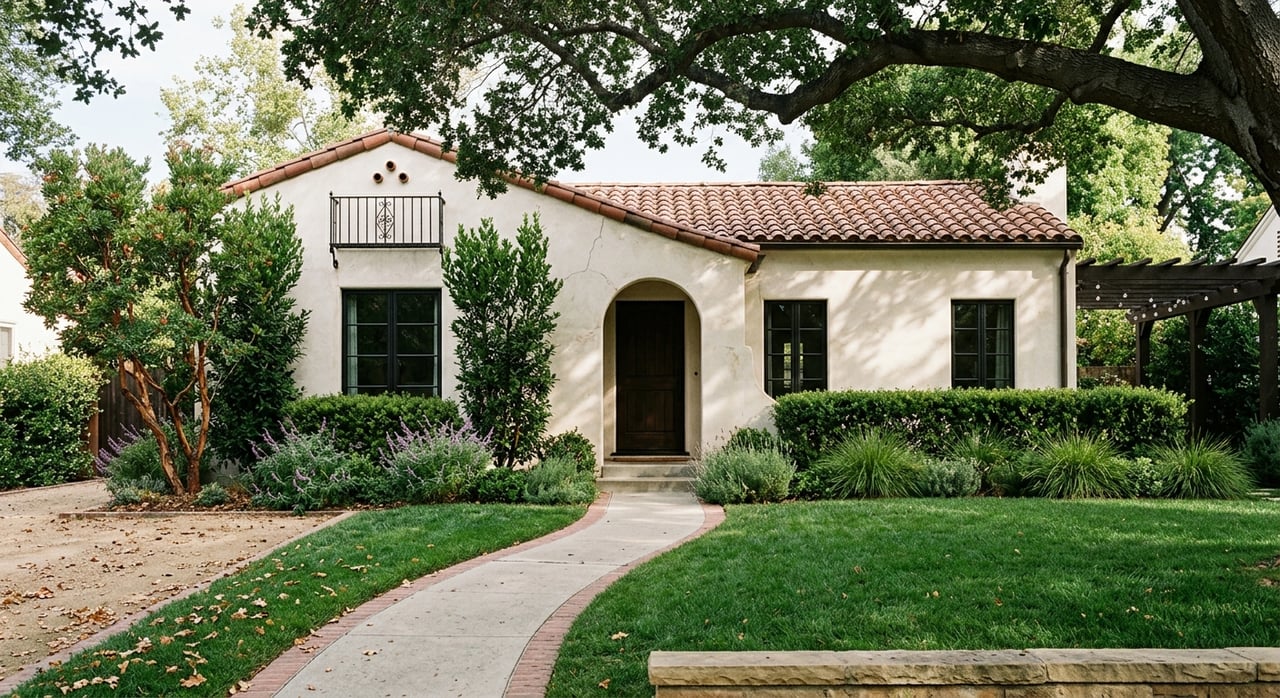
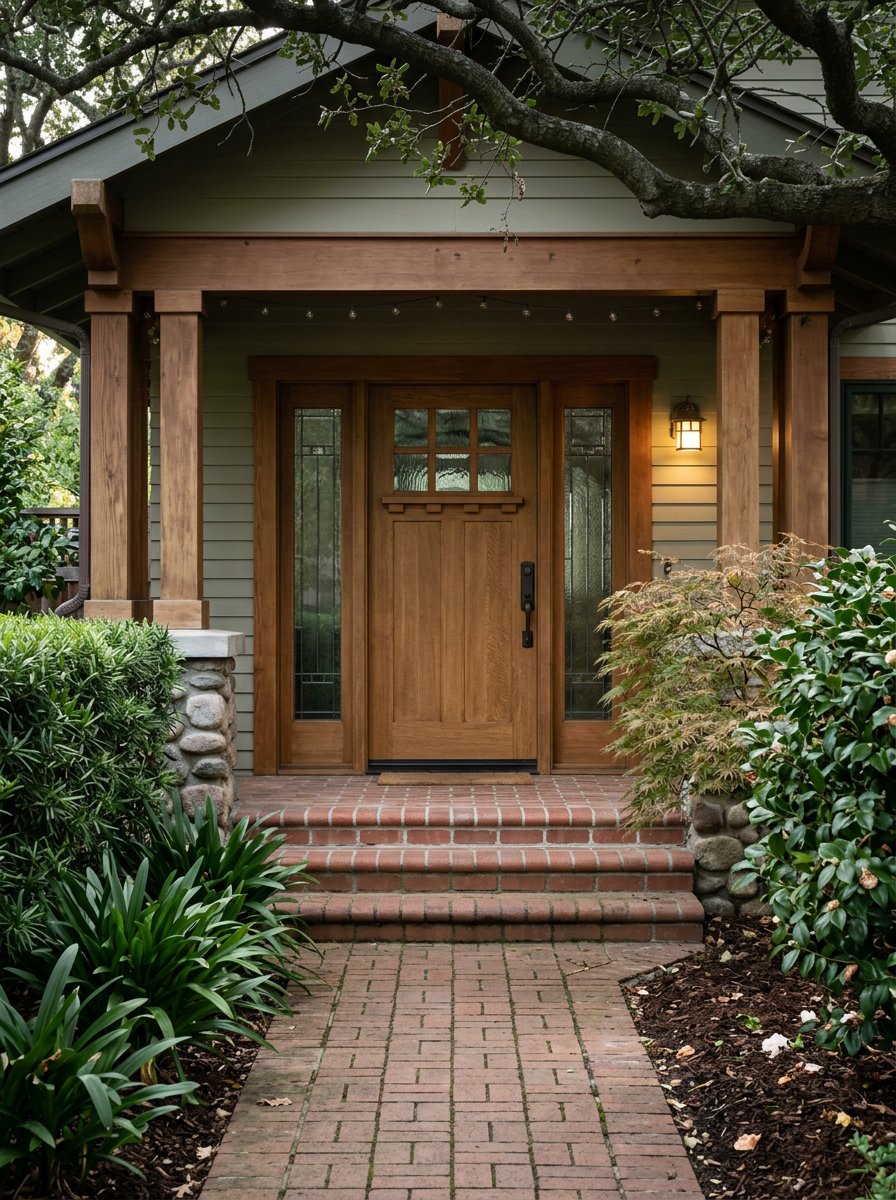
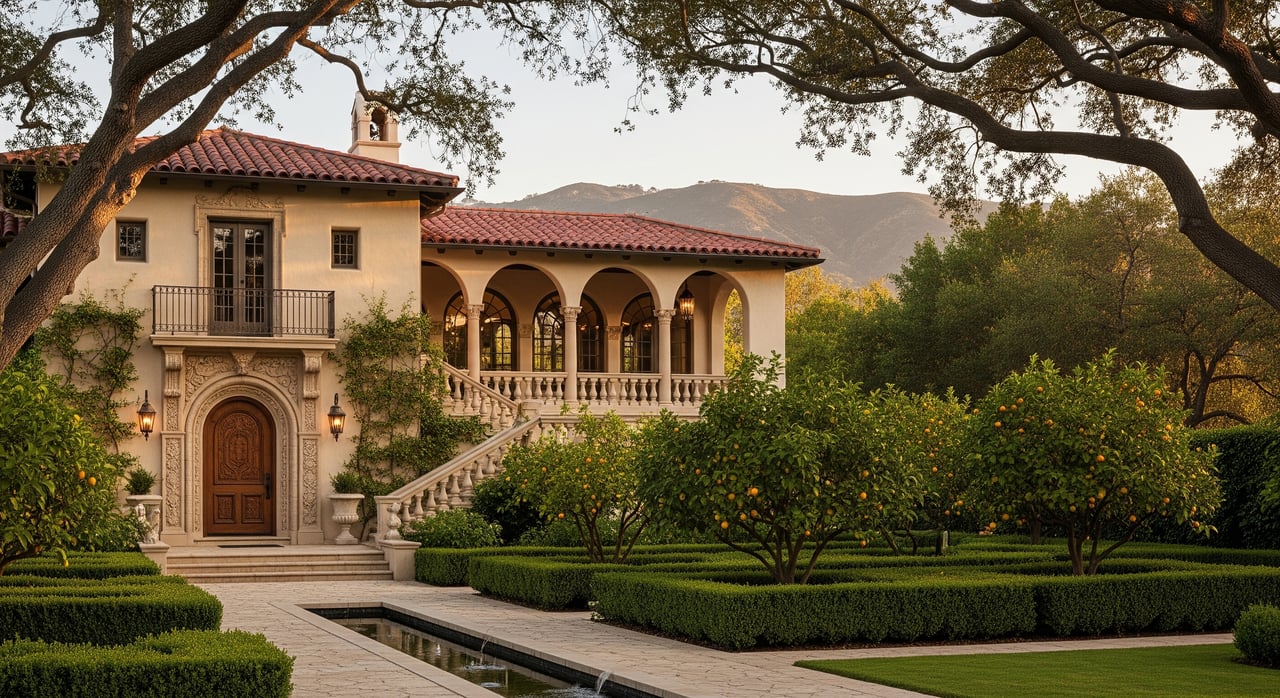
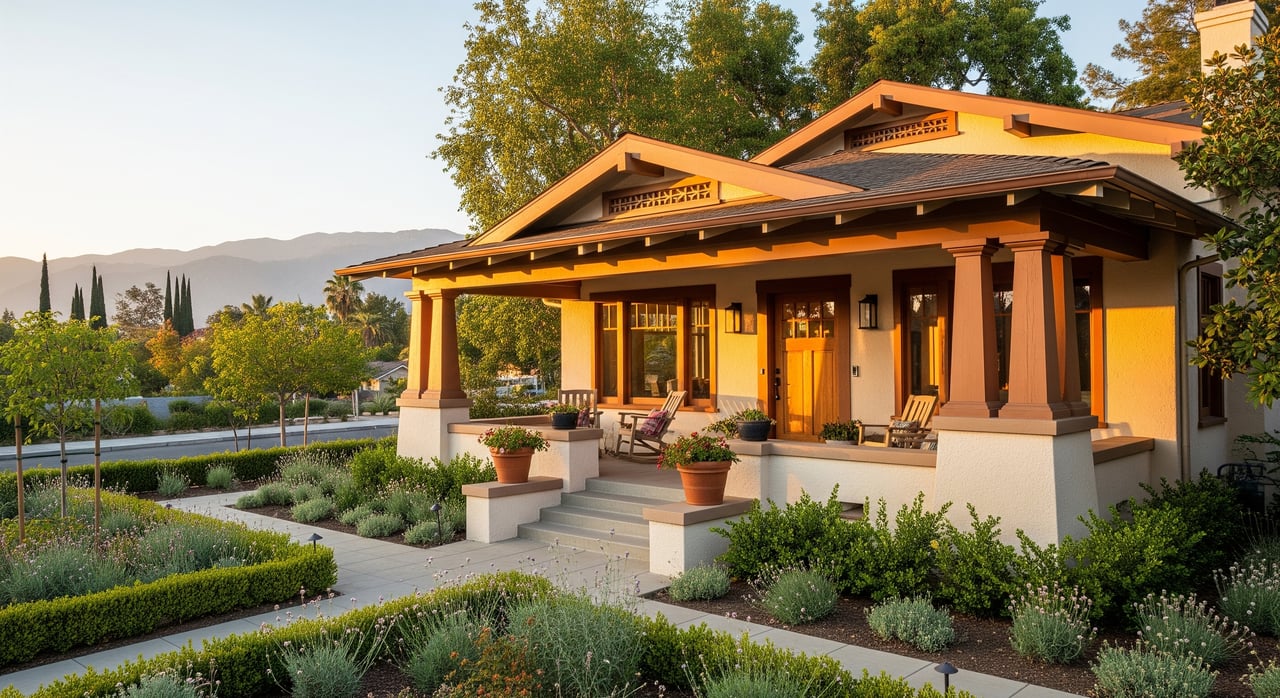
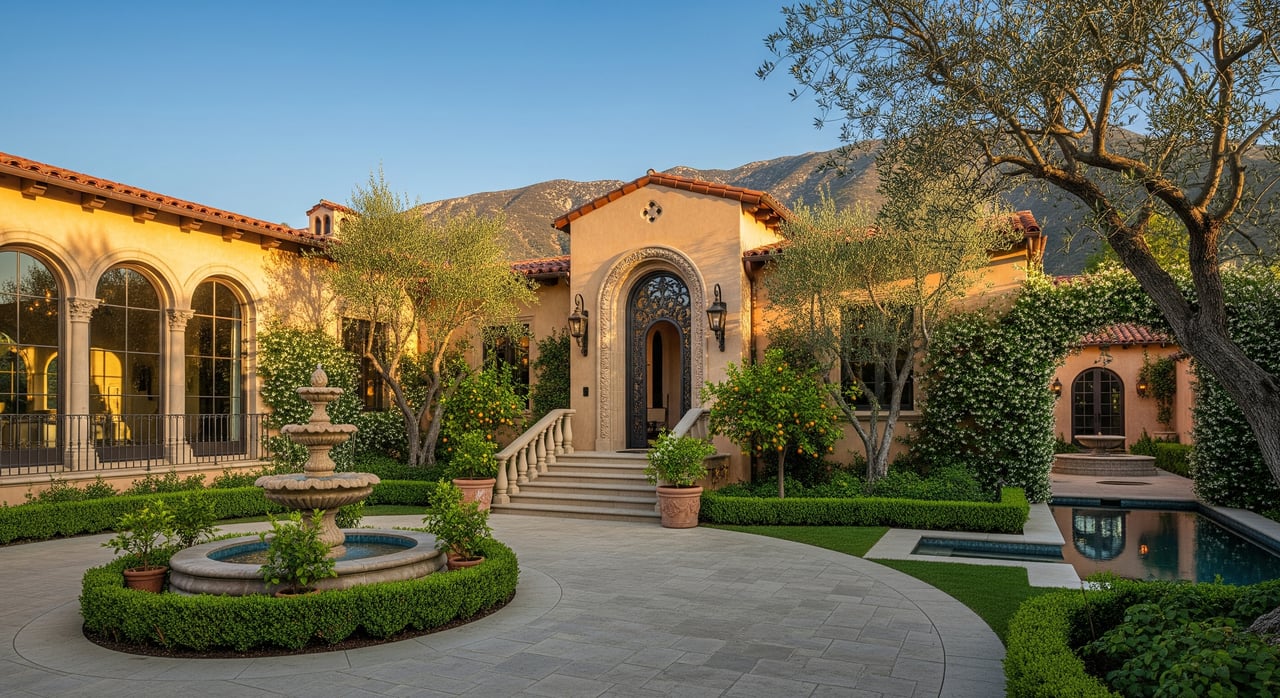
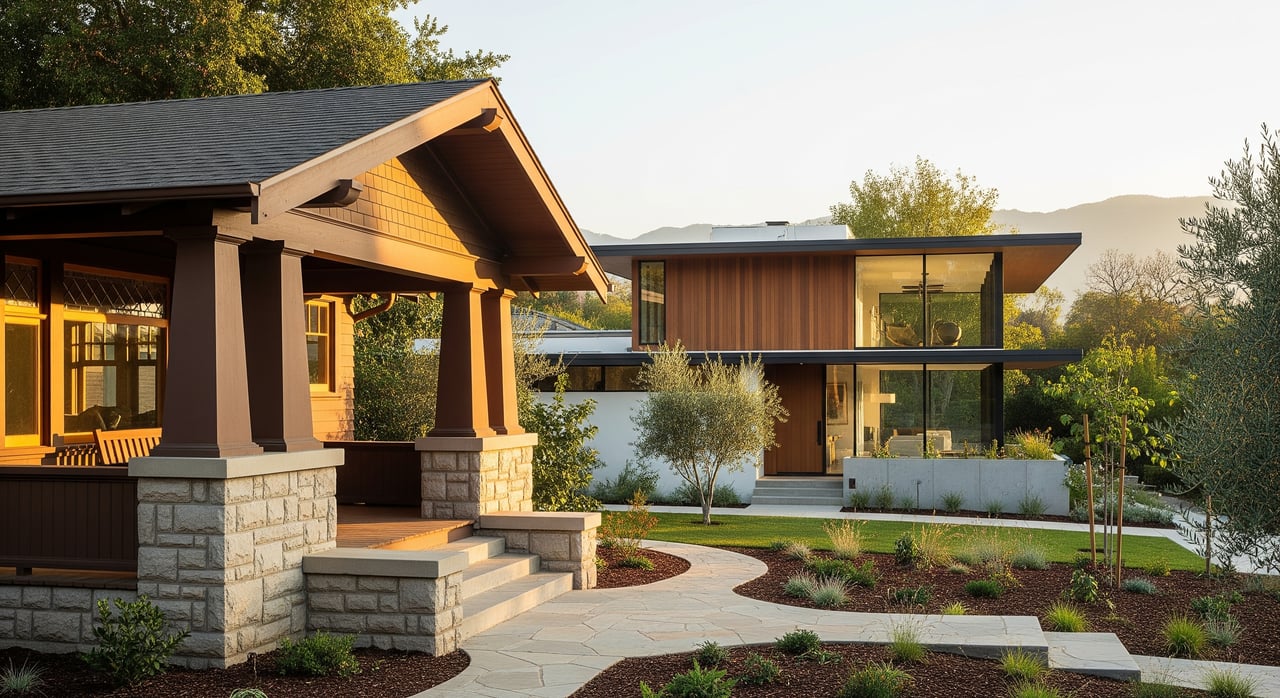
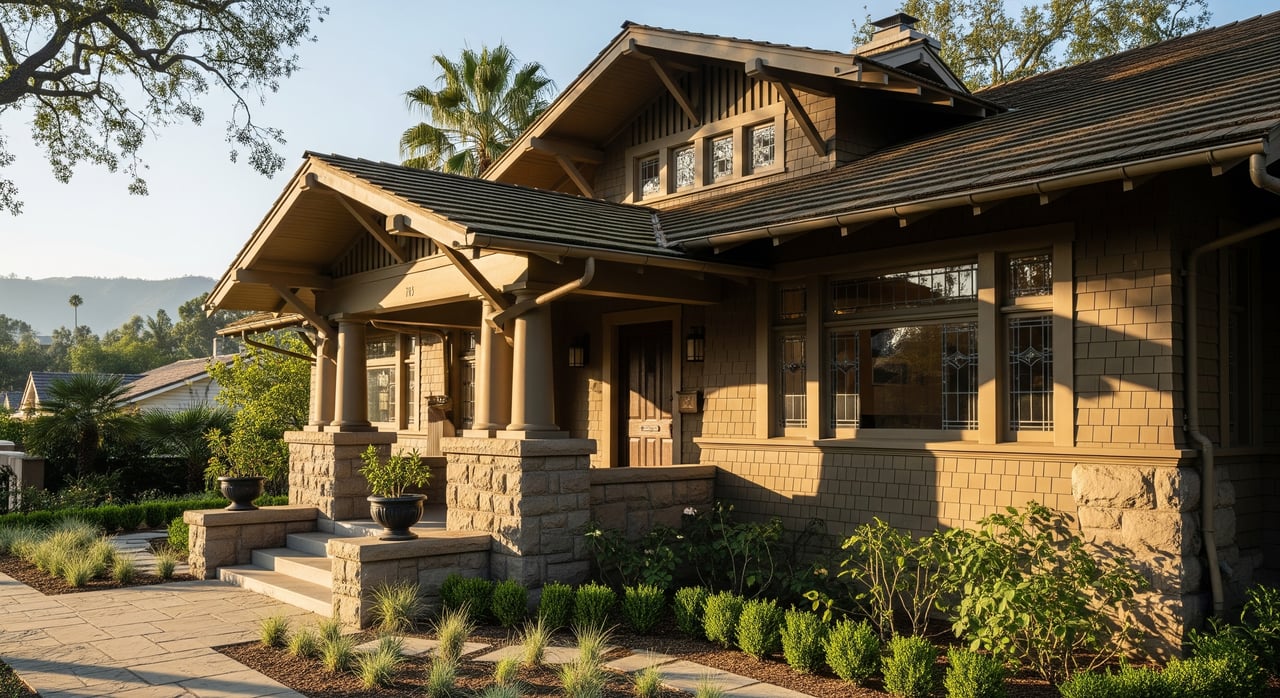
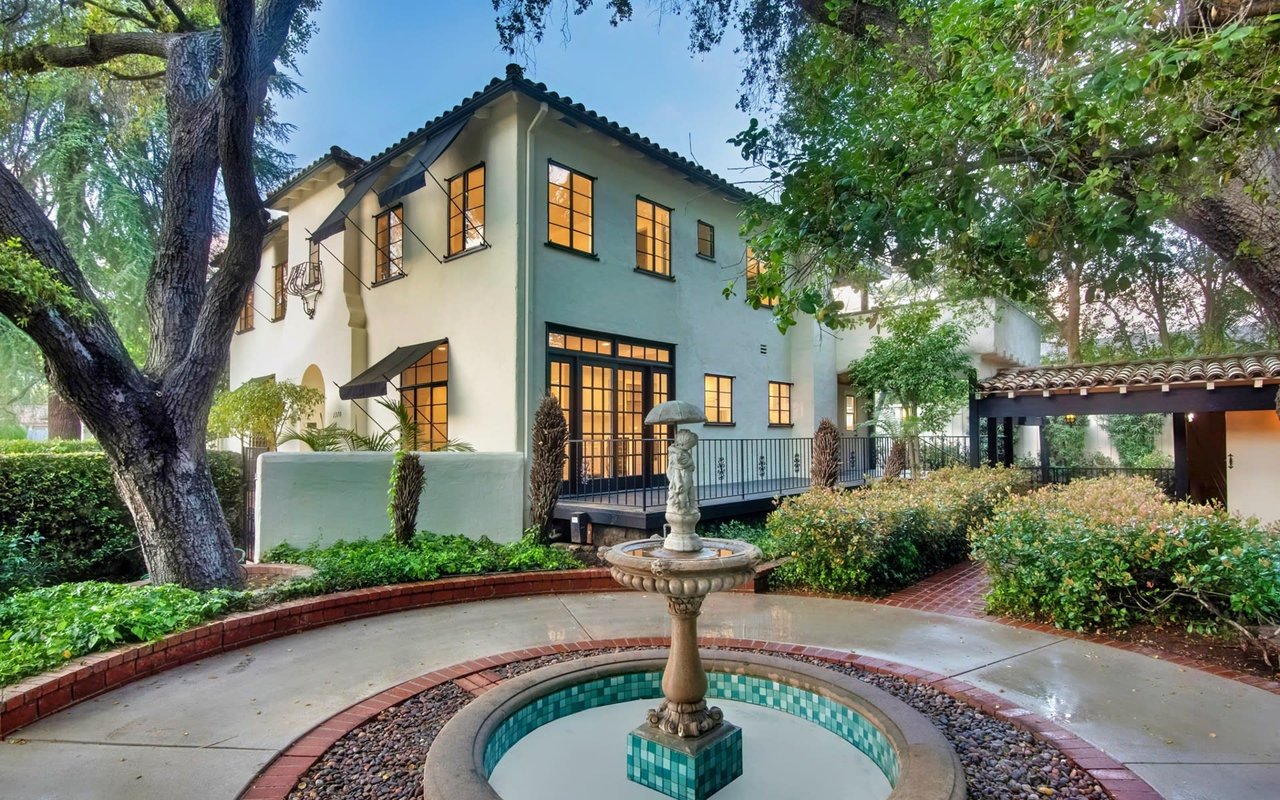
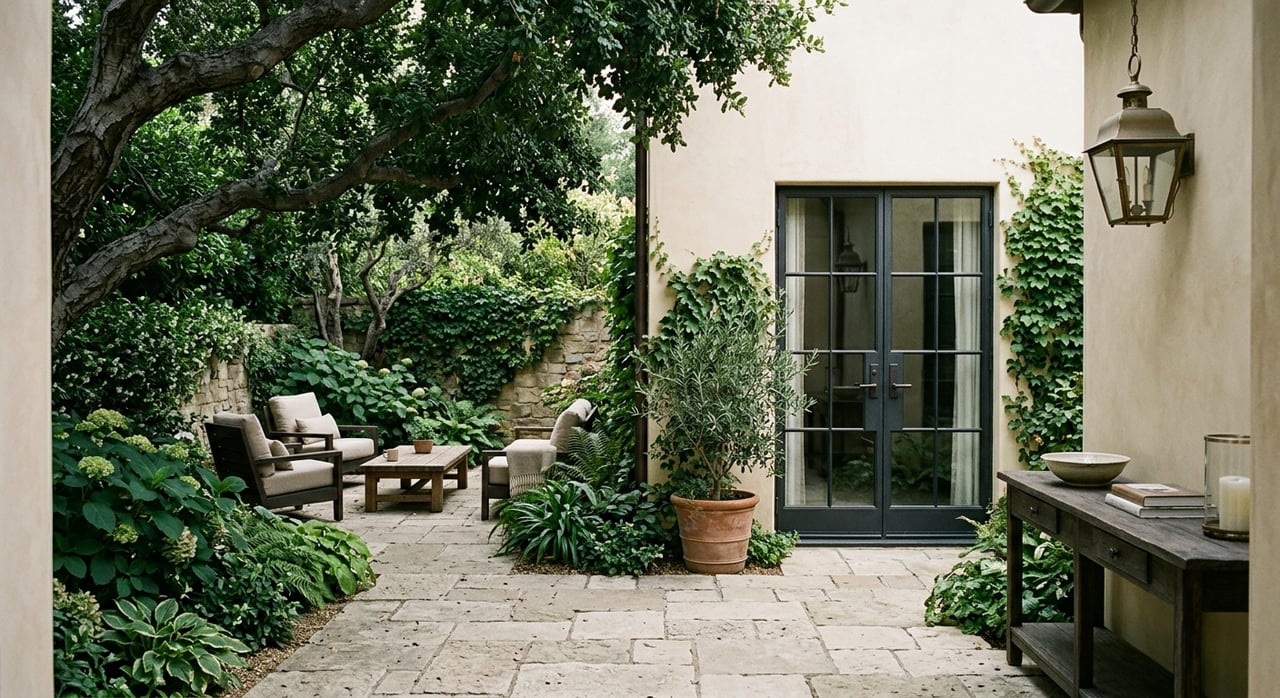
Sierra Madre remains primarily residential, and that matters when you think about day-to-day living. The housing profile is not defined by large clusters of newer high-rise or condo development. Instead, it is shaped by an older neighborhood fabric and a strong detached-home presence.
According to the SCAG local profile, Sierra Madre’s housing stock is 69.4% single-family detached, 6.4% single-family attached, 6.6% in two-to-four-unit buildings, and 17.6% in five-plus-unit buildings. The same profile shows that 80.1% of the housing stock was built before 1970. That combination suggests a community where architectural character and established neighborhoods are a central part of the residential experience.
What This Means for Buyers
If you are drawn to older homes, mature streetscapes, and a foothill setting with a strong sense of continuity, Sierra Madre may feel appealing. The housing mix points to a market where detached homes remain the dominant form, while some attached and multifamily options provide alternatives for buyers seeking lower-maintenance living.
Current Census figures add useful cost context. Sierra Madre’s owner-occupied housing rate is 55.8%, the median owner-occupied home value is $1,226,800, median monthly owner costs with a mortgage are $3,779, and median gross rent is $2,198. Those numbers help frame the market for both buyers and renters evaluating whether the community fits their goals.
A Note for Downsizers
Sierra Madre can also appeal to downsizers who want to remain in a smaller foothill community without losing access to daily conveniences. The city’s zoning information notes senior-housing-specific plans near the city center, including the Kensington assisted-living facility and the Senior Housing Project. That is helpful context if proximity to the village core and age-friendly options are part of your decision.
The Hart Park House Senior Center also plays a practical role in everyday life for older adults. The city describes it as a welcoming community resource with no membership fee and with programs and activities for seniors. For some households, amenities like this can make local living feel more supported and connected.
Getting Around Without Extra Stress
Transportation in Sierra Madre is more varied than some buyers expect from a small foothill city. While many residents use a personal car, the city also lists Access Services, Dial-A-Ride, the Gateway Coach, the Metro A Line, Metro Local Line 268, and Sierra Madre Moves among the available transportation options. This can add flexibility, especially for older adults, eligible riders, or households trying to reduce how often they drive.
Metro says Line 268 is Sierra Madre’s primary regional connection, with 7-day service to the Metro A Line, the Shops at Santa Anita, and El Monte Station. The Gateway Coach stops at everyday destinations such as Sierra Vista Park, the middle school, the library, the post office, senior housing, and Memorial Park. Sierra Madre Moves also offers on-demand Uber-powered local, regional, and medical rides for eligible residents.
Parking and Practical Logistics
Parking is another detail that matters in everyday life, especially if you are considering a lock-and-leave setup or a property with limited on-site parking. The city offers temporary overnight permits for one night at a time for up to seven consecutive days. It also offers annual overnight permits for residents who do not have additional legal on-property parking space.
These kinds of practical rules may not be glamorous, but they are part of what shapes daily convenience. If you are comparing homes in Sierra Madre, parking arrangements are worth understanding early in your search.
Library and Civic Amenities
Sierra Madre’s local amenities also support the village feel in a practical way. The Sierra Madre Public Library is a Universal Borrowing Library, and current programming includes book clubs, community reading programs, and maker tools such as a Cricut, 3D printer, and sewing machines. That adds another layer of everyday usefulness beyond traditional library services.
When a town this size supports library programming, senior resources, community events, and concentrated downtown services, it can make local living feel more complete. You may not need a major outing to feel engaged. In Sierra Madre, many of the basics of a connected routine are close at hand.
Why Sierra Madre Feels Distinct
What stands out most about Sierra Madre is not just one amenity or one housing type. It is the combination of scale, setting, and routine. A compact residential community, a defined downtown, access to trails, and a strong community calendar all shape a day-to-day lifestyle that feels more contained and grounded than many larger surrounding areas.
For buyers who appreciate architectural character, established neighborhoods, and foothill scenery, Sierra Madre offers a lifestyle that is as much about rhythm as it is about location. It is a place where daily living can feel intentionally local.
If you are considering a move to Sierra Madre or comparing foothill communities near Pasadena, working with a local advisor can help you weigh housing style, proximity to downtown, transportation needs, and the subtle differences between streets and settings. To explore Sierra Madre with a thoughtful, design-aware perspective, connect with Chelby Crawford.
FAQs
What is day-to-day living like in Sierra Madre, CA?
- Day-to-day living in Sierra Madre often centers on a compact residential setting, a historic downtown village core, nearby trails, and a steady calendar of community events.
What are errands like in Sierra Madre for local residents?
- Many daily errands are shaped by the city’s concentrated downtown along Sierra Madre Boulevard and Baldwin Avenue, where commercial uses, services, and some medical facilities are clustered.
What outdoor amenities are available in Sierra Madre for everyday use?
- Sierra Madre offers access to places like Bailey Canyon and the Mount Wilson Trail, giving residents nearby options for walking, hiking, and outdoor time.
What types of homes are common in Sierra Madre, CA?
- Sierra Madre’s housing stock is dominated by single-family detached homes, with some attached and multifamily options, and much of the housing was built before 1970.
What transportation options are available in Sierra Madre?
- In addition to personal vehicles, Sierra Madre offers options such as Dial-A-Ride, the Gateway Coach, Metro Local Line 268, connections to the Metro A Line, and Sierra Madre Moves for eligible riders.
What should downsizers know about living in Sierra Madre?
- Downsizers may want to note the city’s senior-focused housing context near the city center, the Hart Park House Senior Center, and the convenience of a smaller community with a defined downtown core.