Are you torn between the glow of handcrafted woodwork and the clean lines of glass and beam? If you are shopping in Pasadena, you are choosing between two architectural icons with very different rhythms of living. Each style brings its own strengths, renovation realities, and neighborhood settings. In this guide, you will compare layout, light, maintenance, permits, and inspections so you can buy with clarity. Let’s dive in.
Pasadena icons at a glance
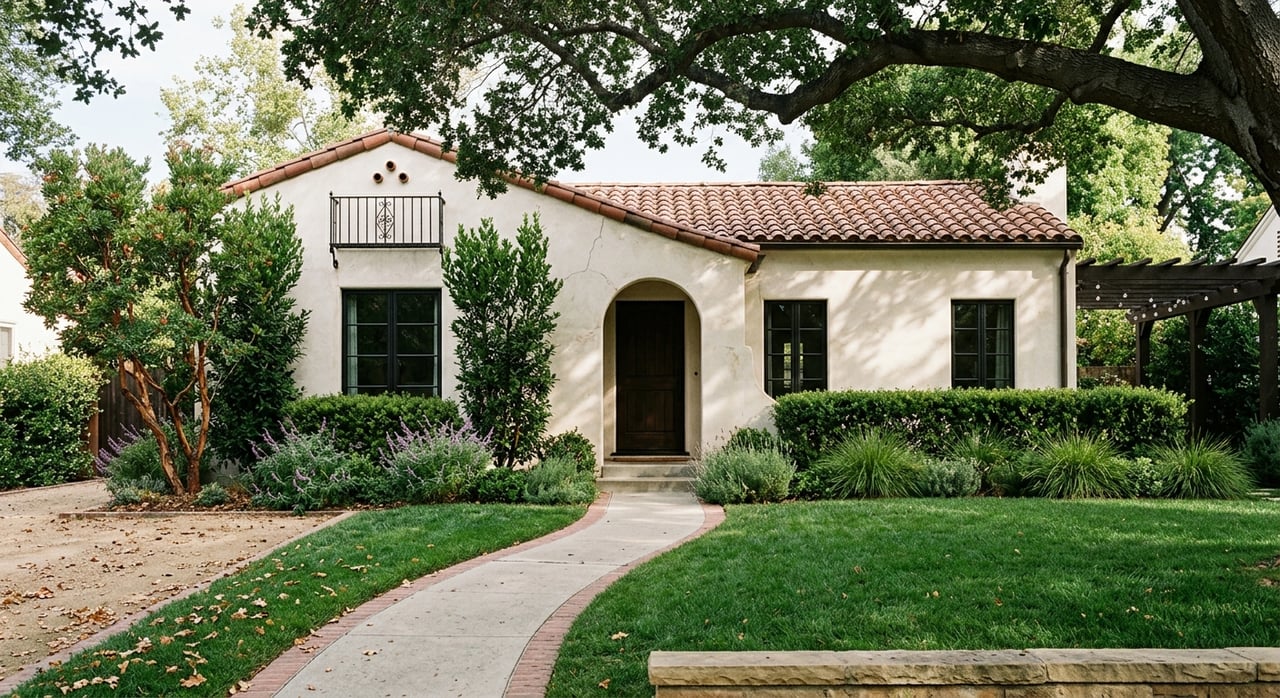
Pasadena is nationally recognized for both Arts & Crafts and Midcentury design. Craftsman homes, built roughly 1900–1930, celebrate natural materials, prominent porches, and built-ins. Pasadena’s legacy includes masterworks by Greene & Greene, such as the Gamble House, that shaped the movement’s reputation.
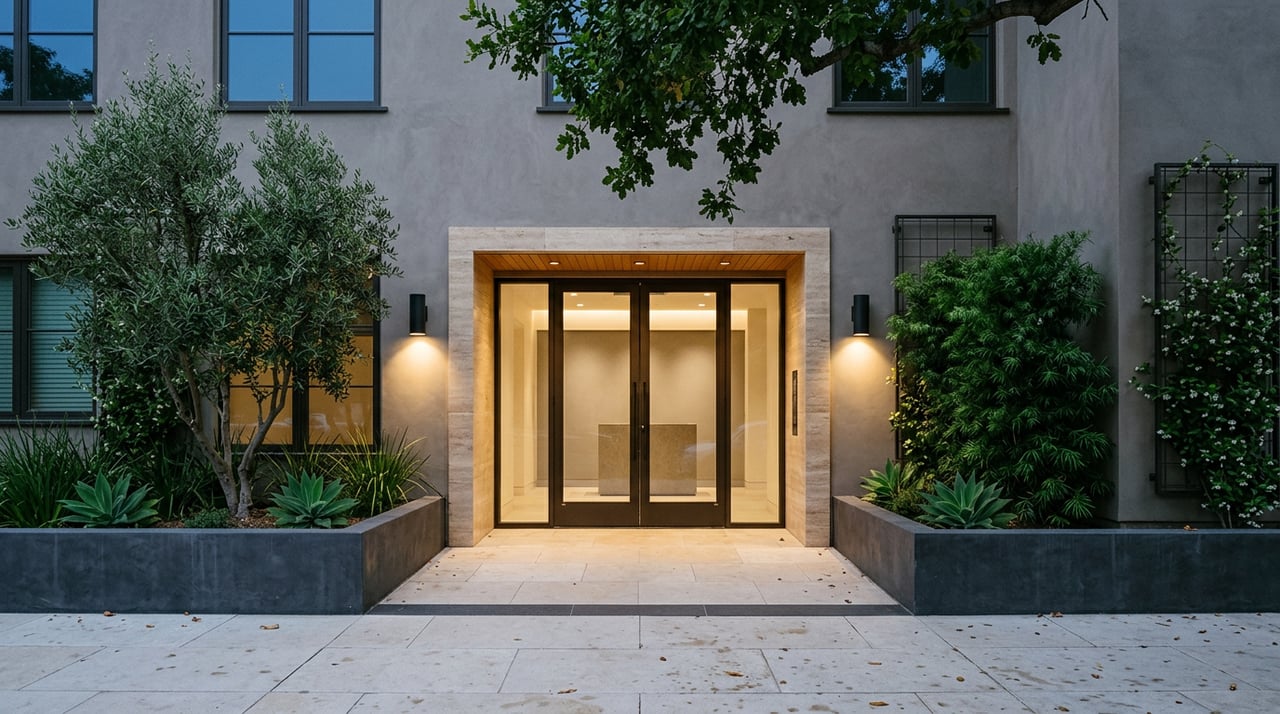
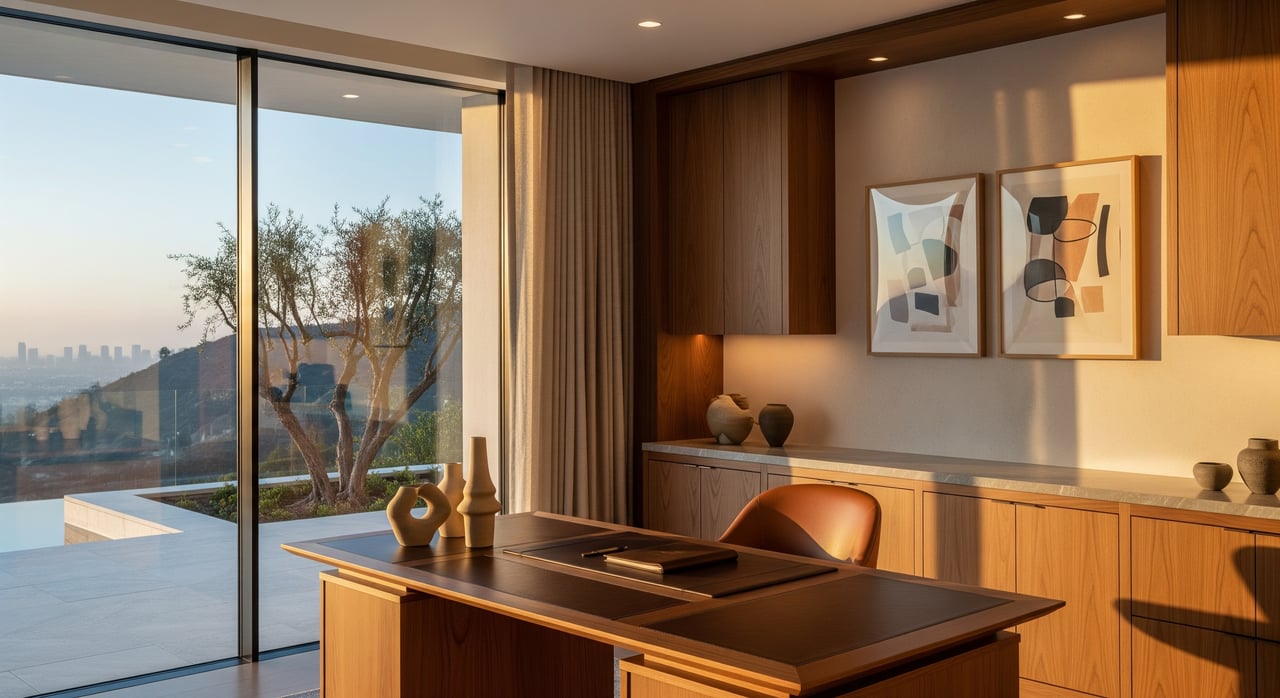
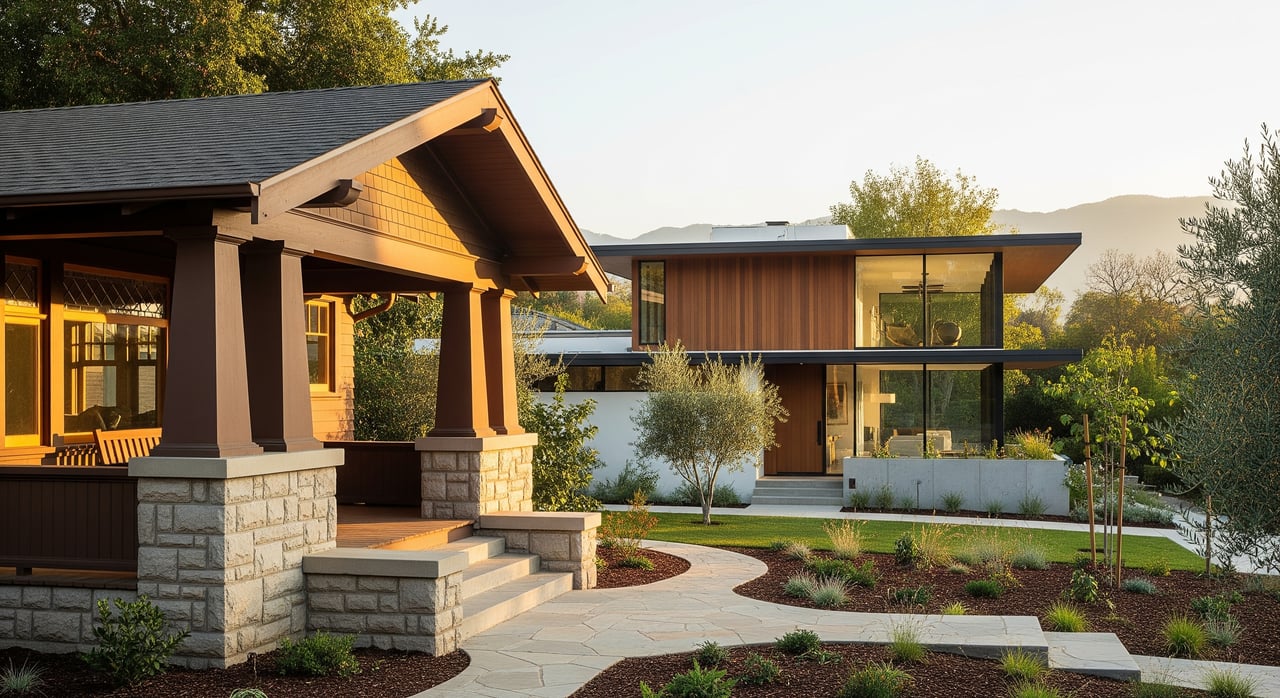
Midcentury homes, built roughly 1945–1975, emphasize open plans, indoor-outdoor flow, and large expanses of glass. You will see post-and-beam structure, low-pitched or flat roofs, and layouts that orient to private yards and patios.
The city’s preservation culture is strong. Multiple historic districts and a local Historic Preservation Ordinance guide exterior changes in designated areas. If you buy in a district, expect design review for many exterior alterations, while interior work is often less restricted unless the home is individually landmarked.
Lifestyle fit
Craftsman feel
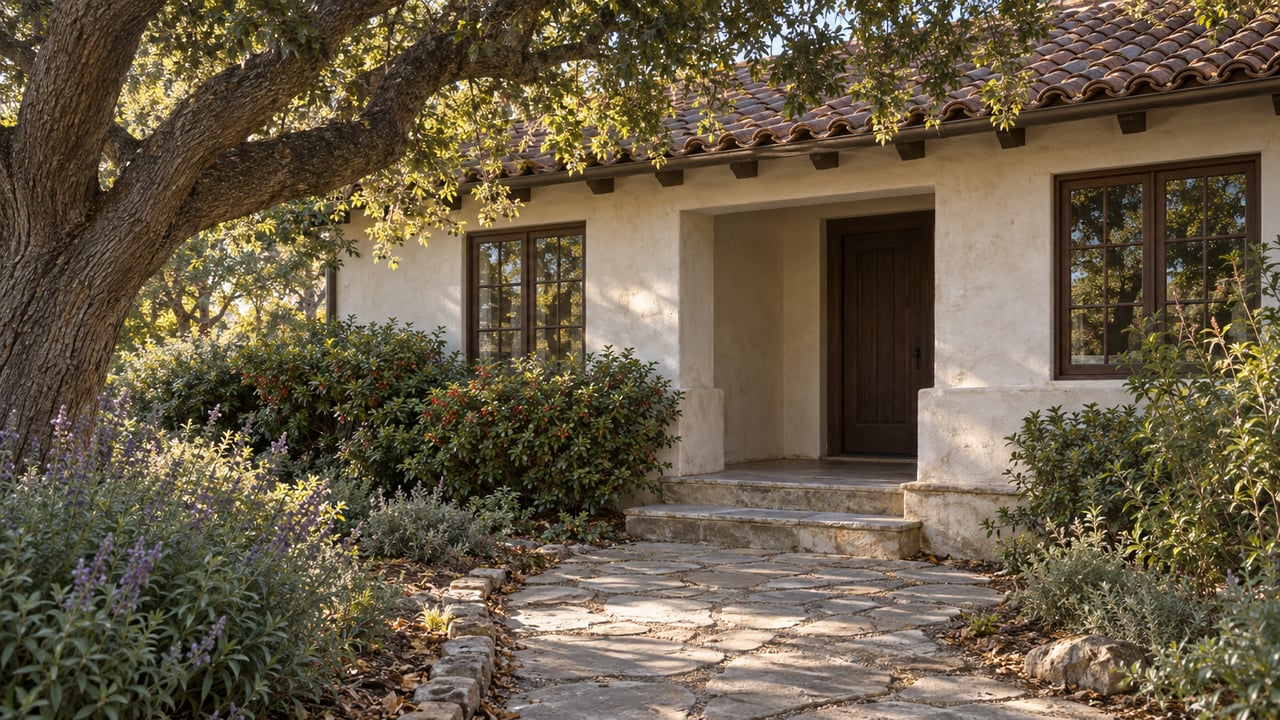
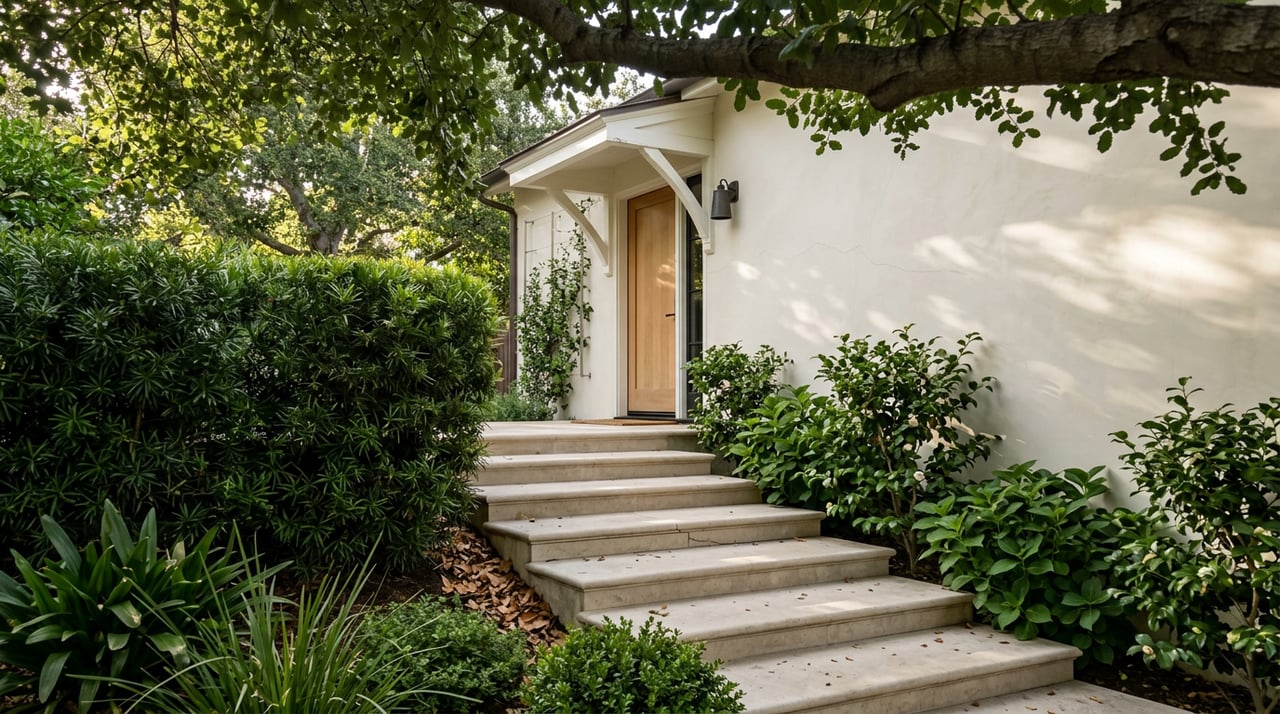
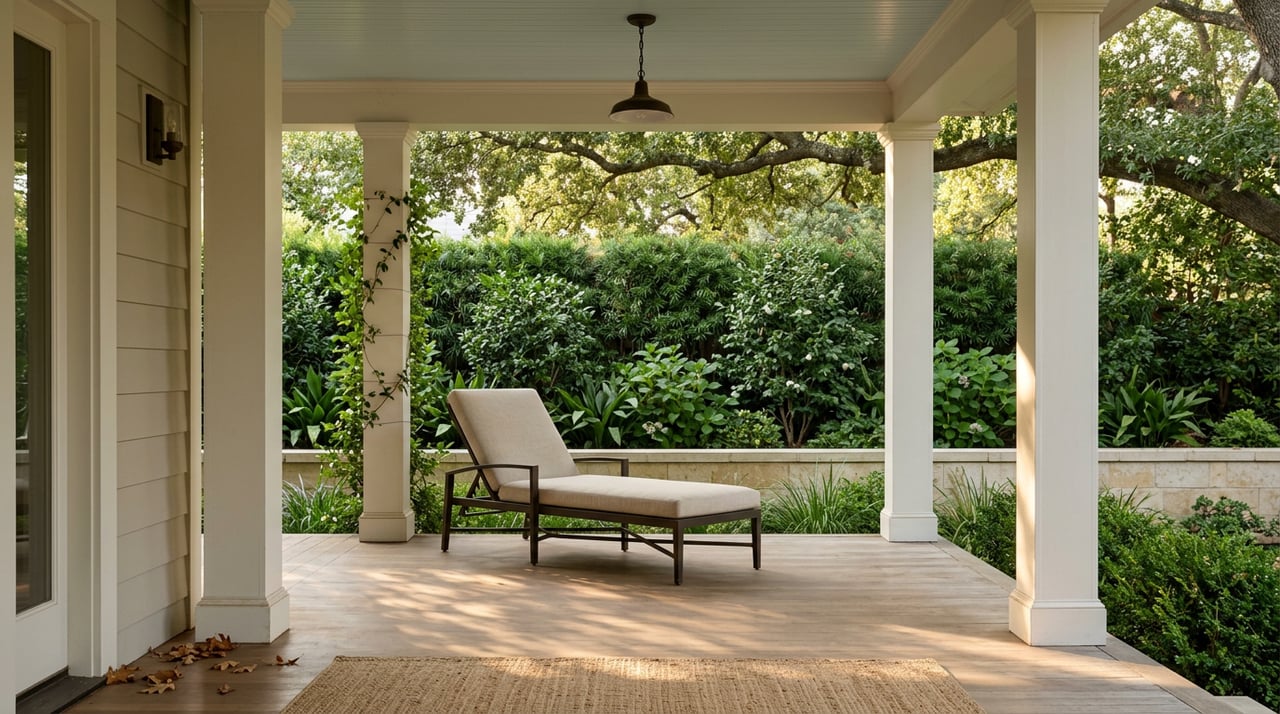
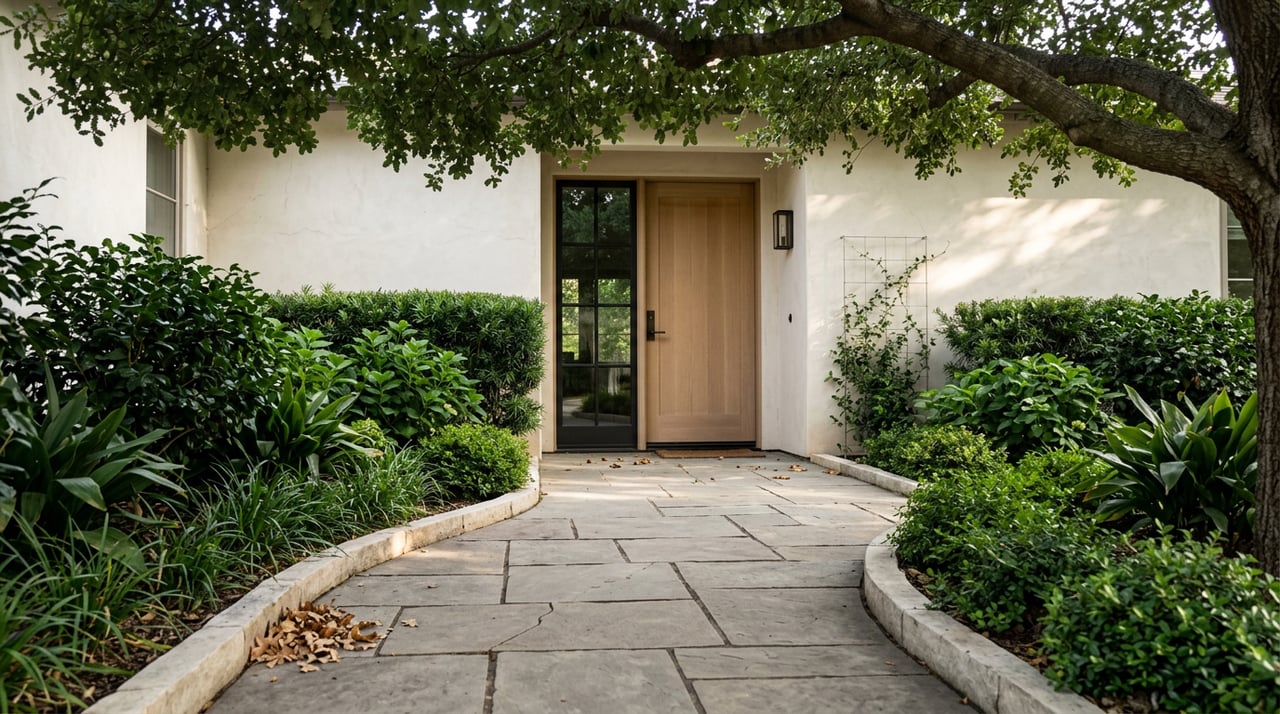
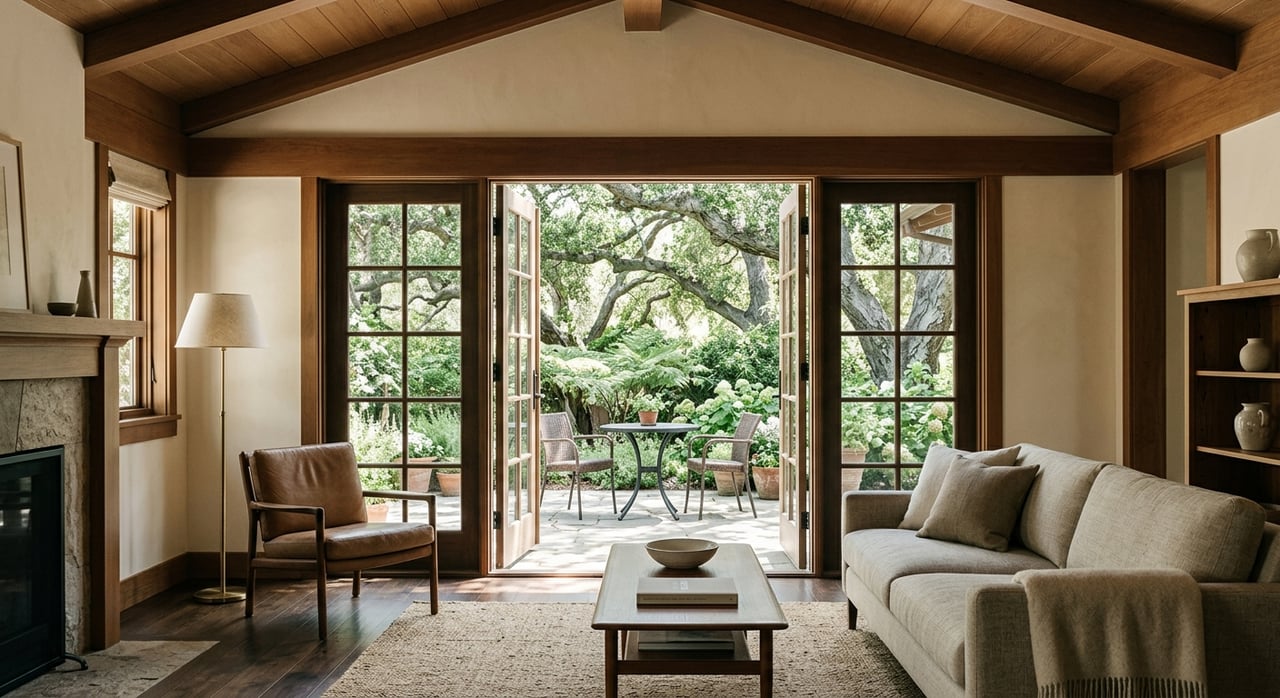
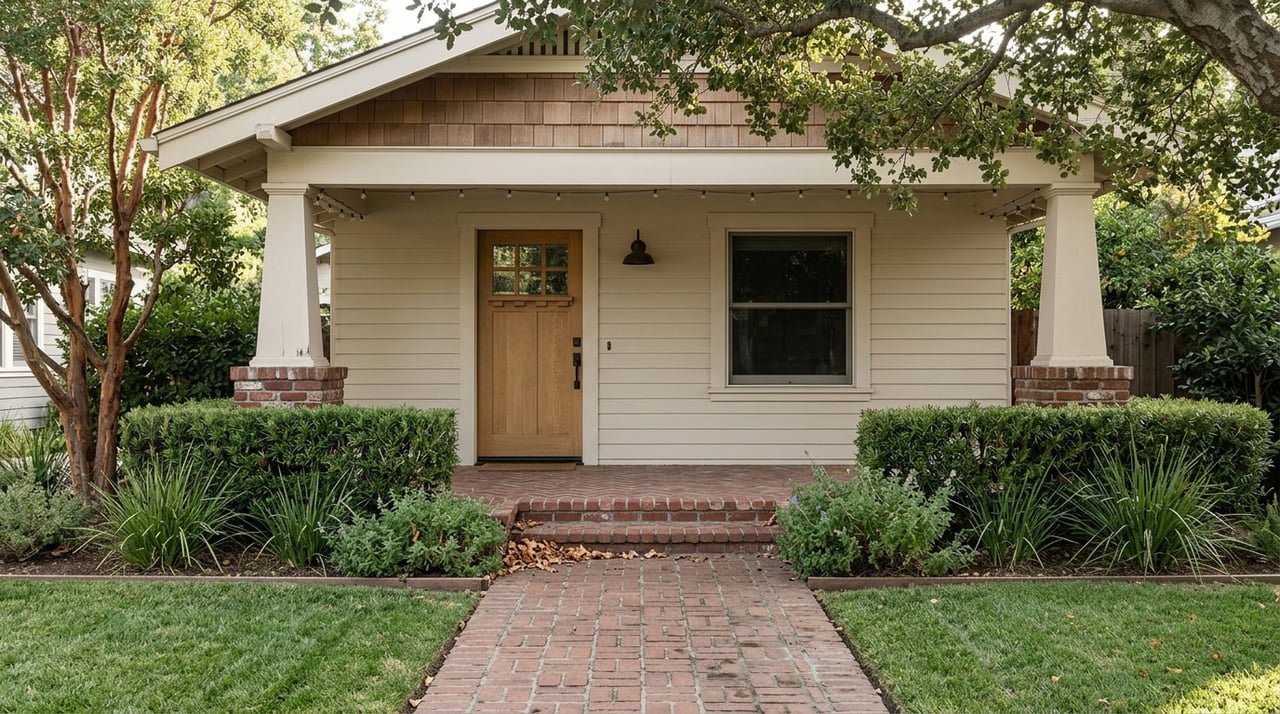
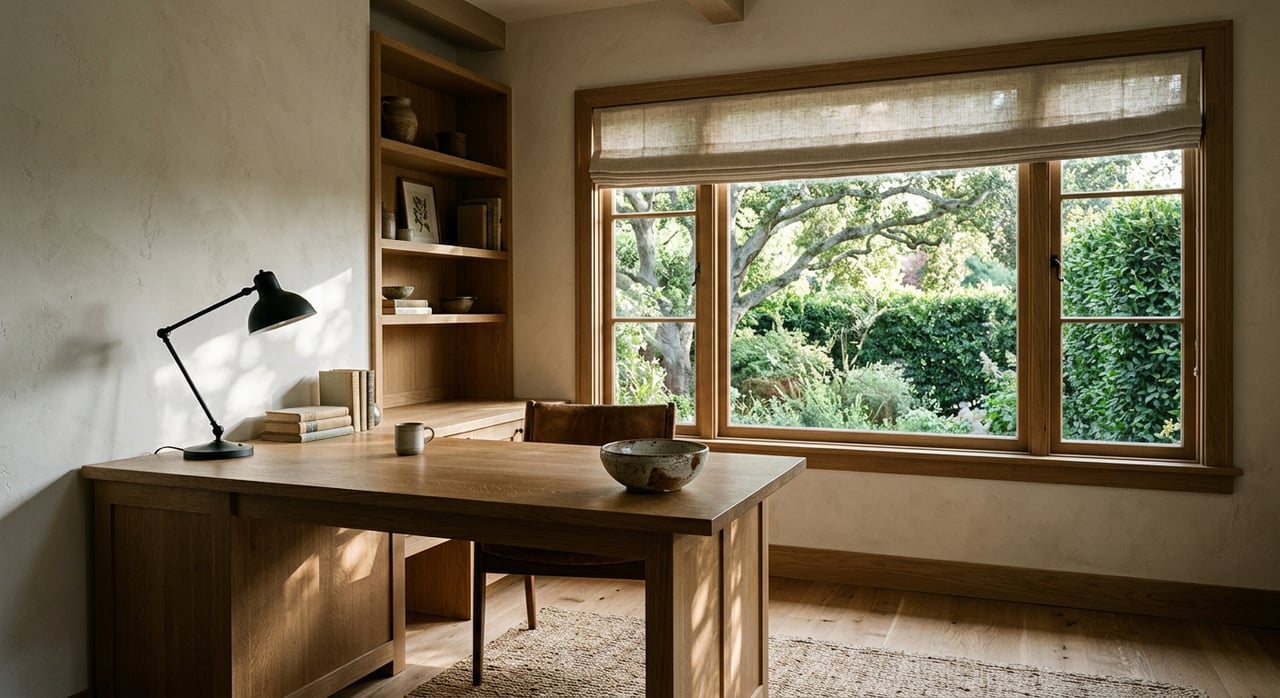
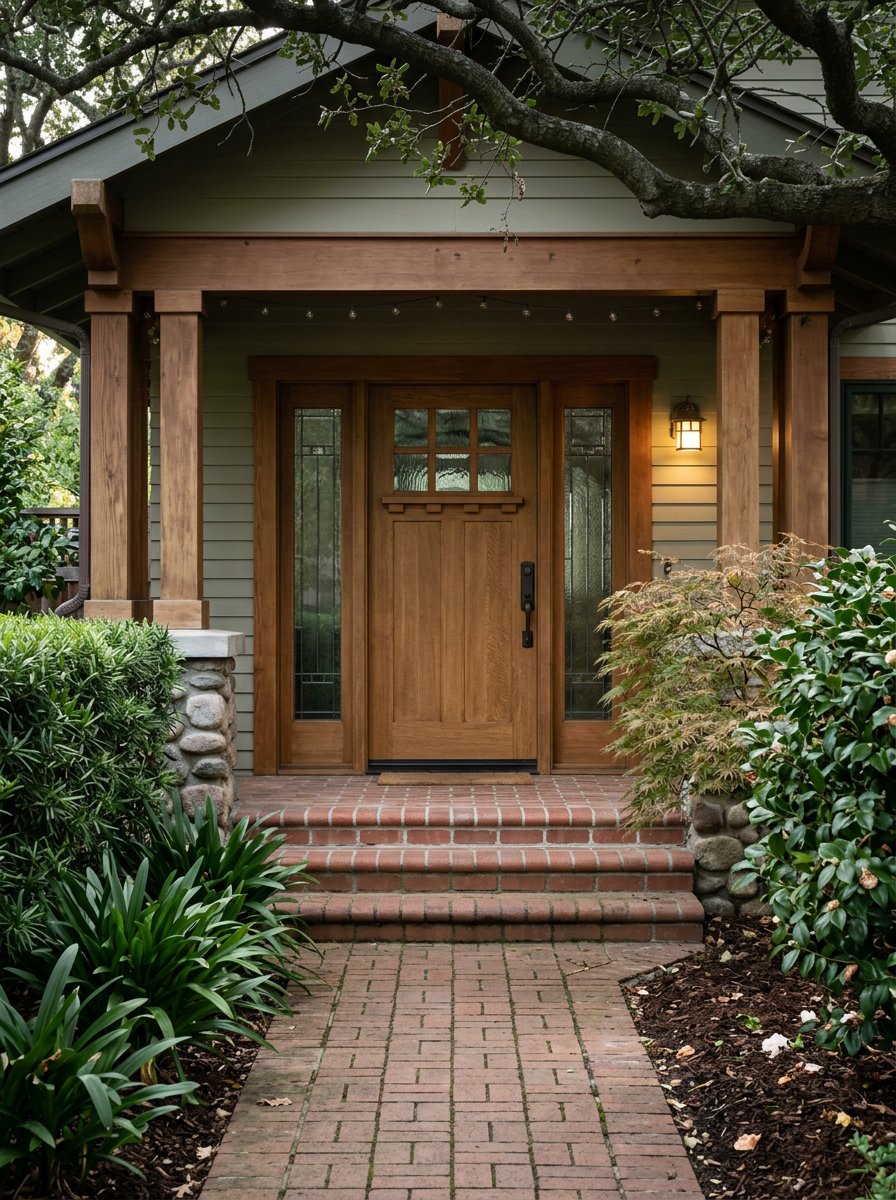
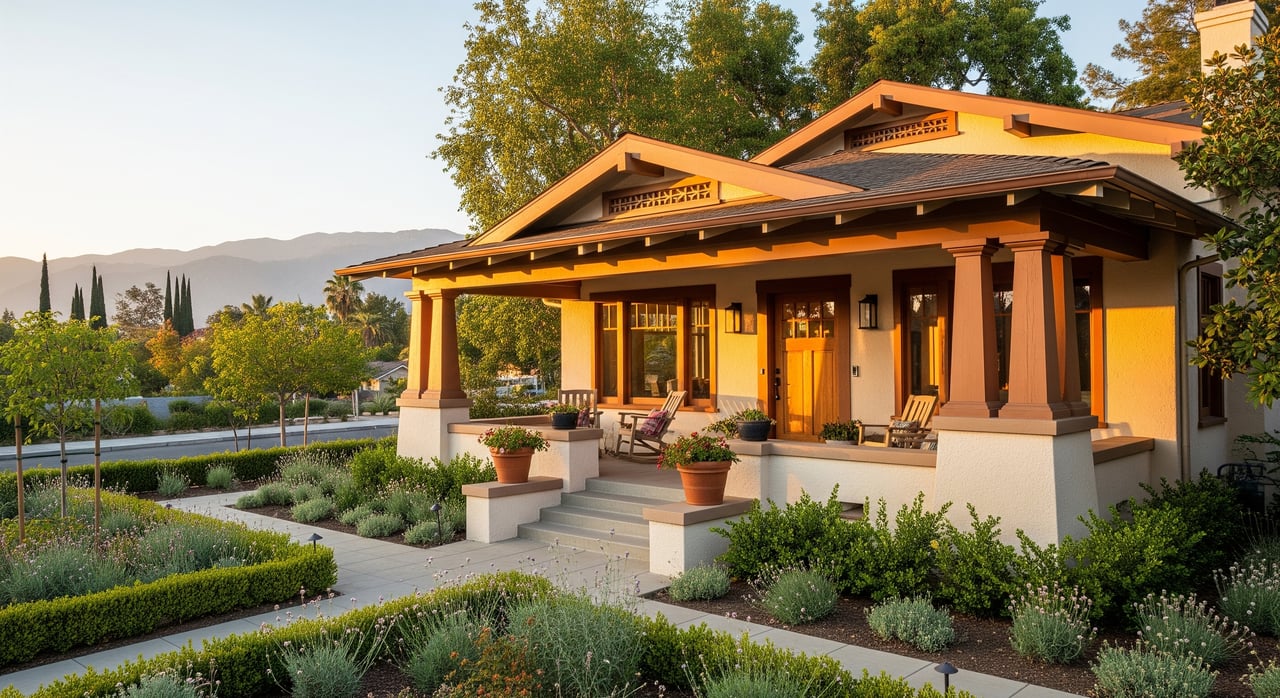
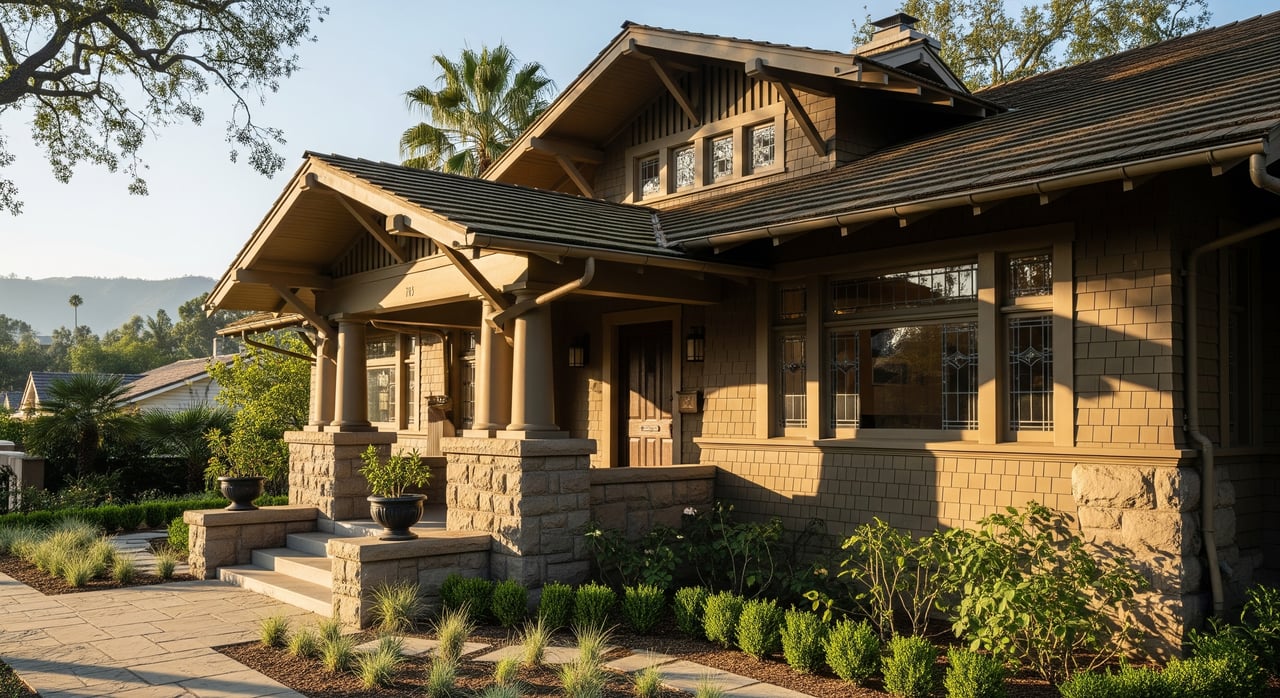
Craftsman homes often sit closer to the street with generous front porches and shaded entries. Rooms are more compartmentalized, which lends a sense of coziness and defined spaces. Built-in cabinetry, window seats, and detailed millwork create a warm, handcrafted atmosphere.
- Best if you value: a front-porch community feel, original woodwork, and a curated historic aesthetic.
- Daily rhythm: quieter front rooms filtered by porch shade and smaller, more intimate gathering spaces.
Midcentury flow
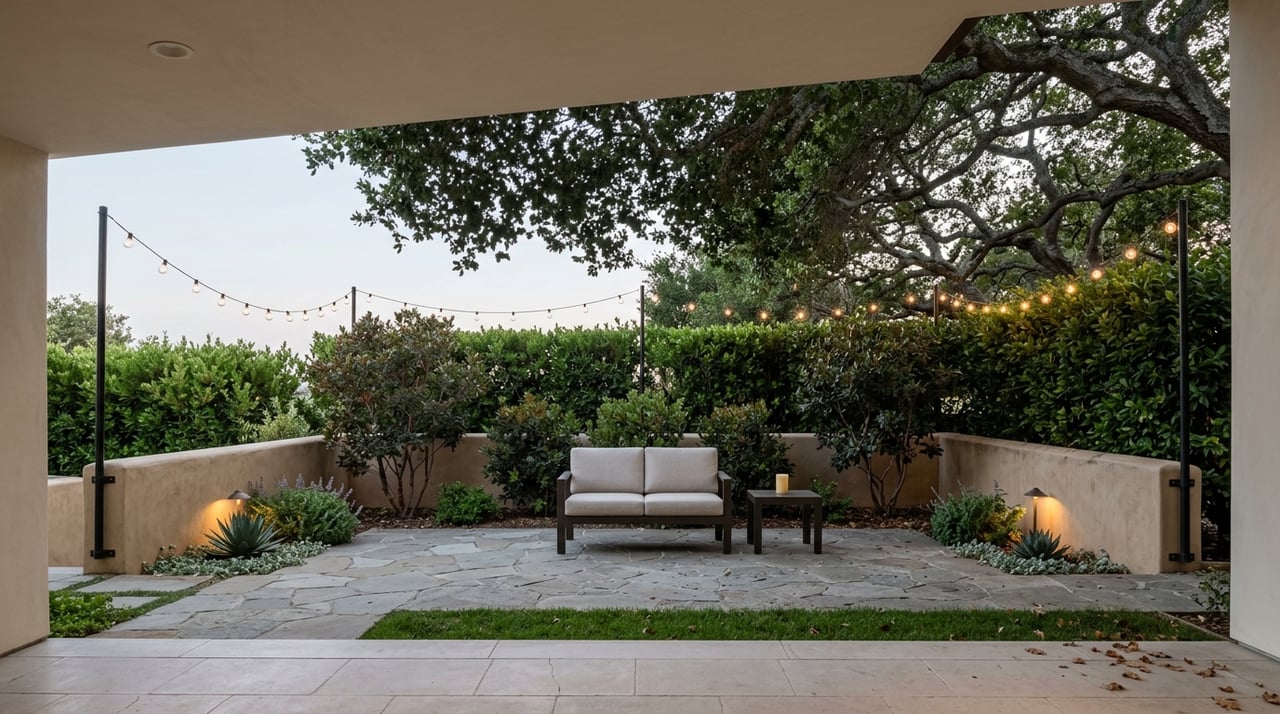
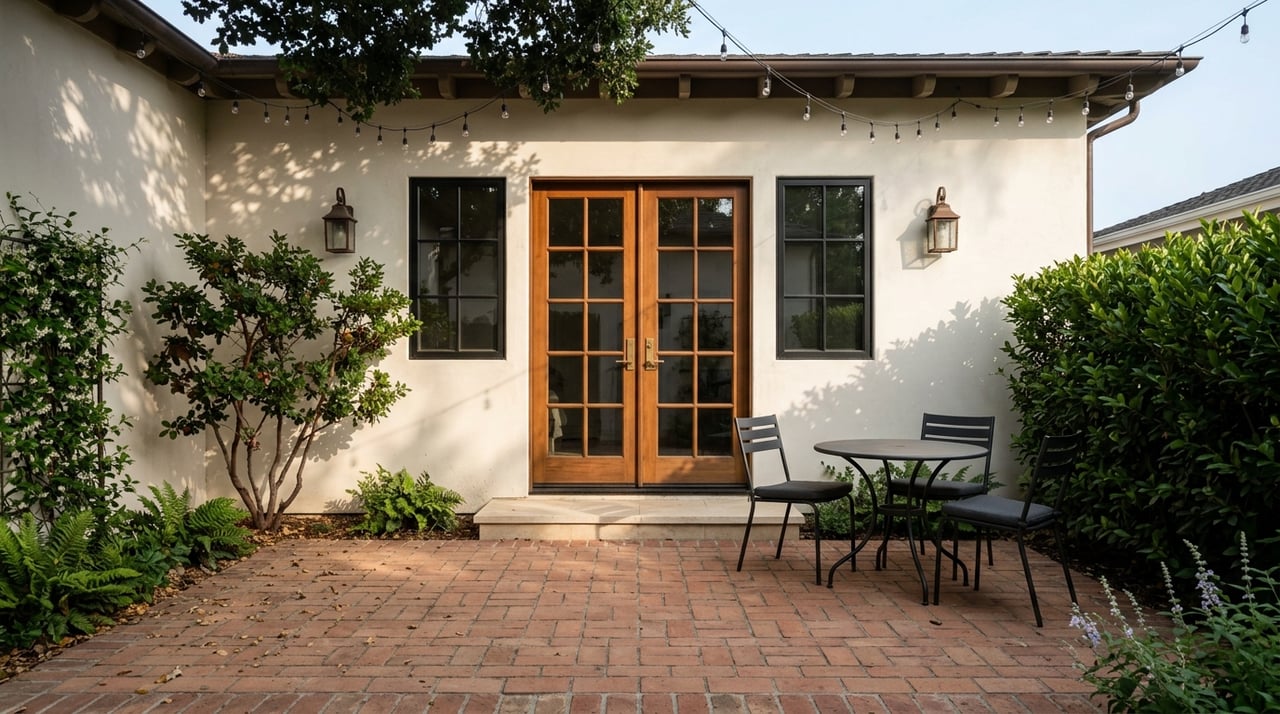
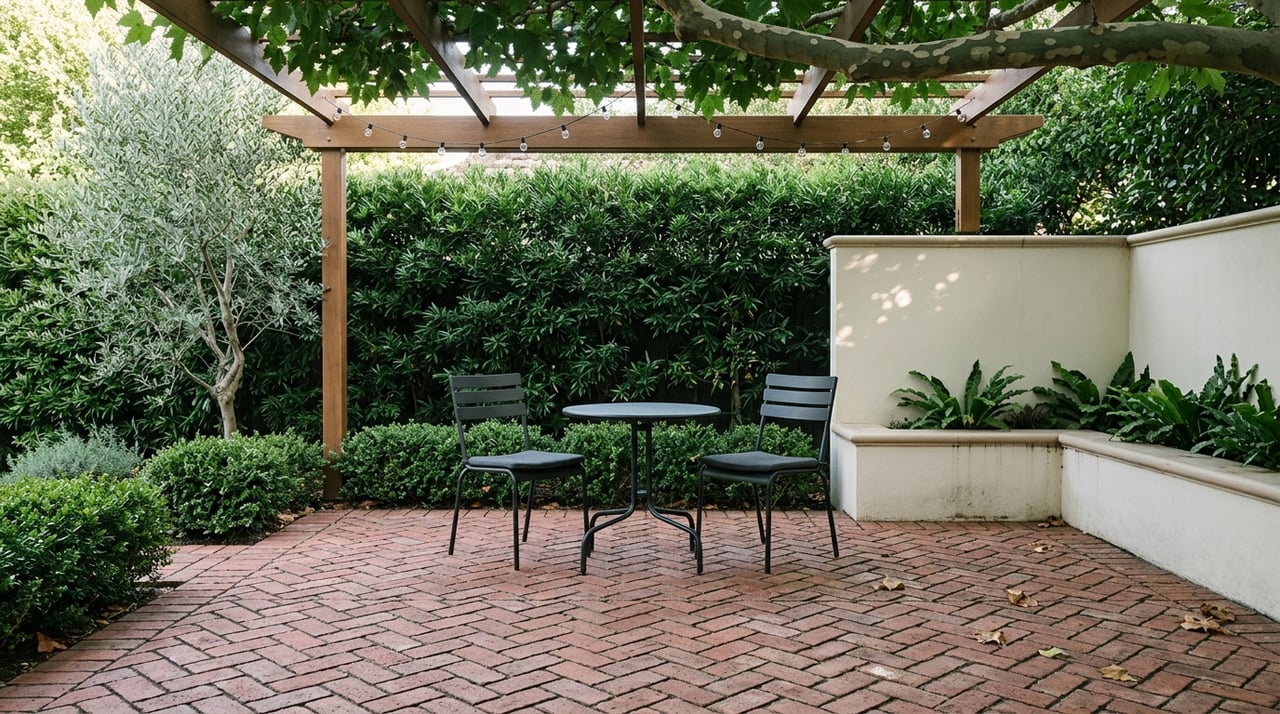
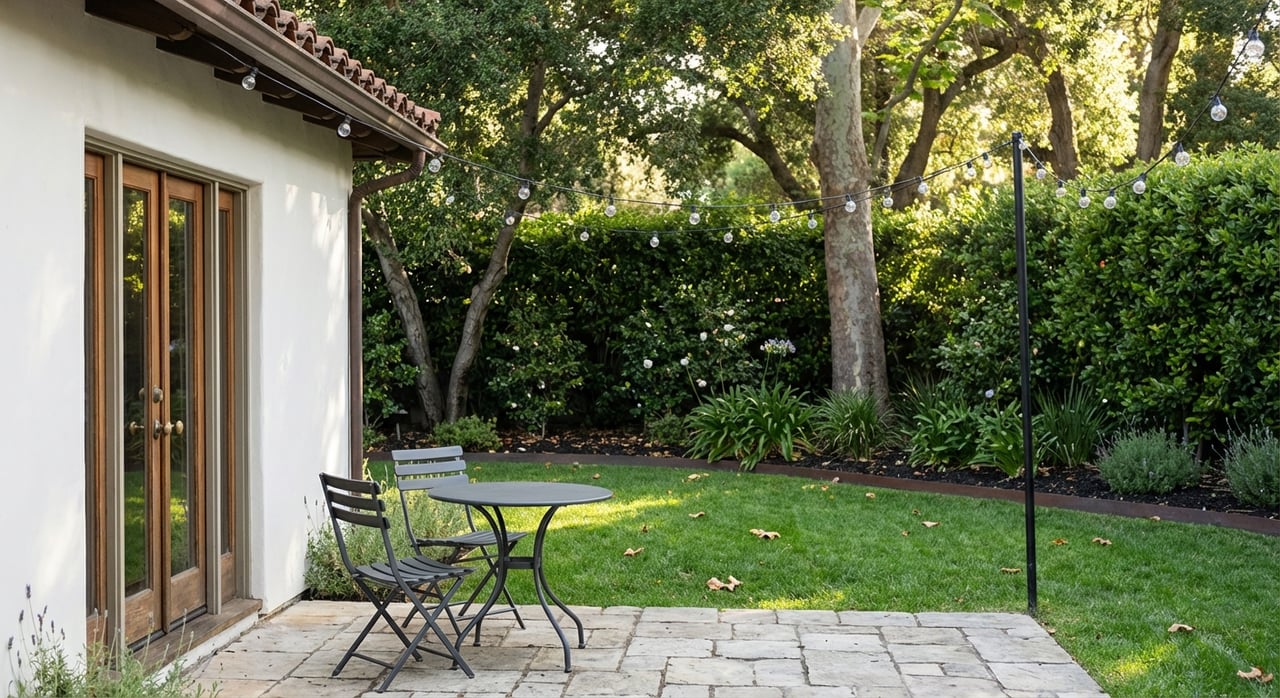
Midcentury homes typically open to private rear yards through large sliding doors and picture windows. Many are single-story or split-level with open living, dining, and kitchen zones. Daylight, views, and easy movement are central to the experience.
- Best if you value: indoor-outdoor living, flexible layouts for entertaining or work, and abundant natural light.
- Daily rhythm: bright common areas, strong garden connection, and simplified finishes.
Space, light, and layout
Craftsman interiors often have smaller room sizes and more walls between spaces. You get gentle, directional light, especially with front porches that soften sun exposure. Without changes, interiors can feel darker than newer homes.
Midcentury design favors open areas with clerestories, large panes of glass, and sliding doors to bring light deep into the plan. Orientation matters: glass facing the sun can increase heat gain, while shaded patios keep interiors comfortable. Many buyers love the visual expansion and long sightlines.
Structure and materials
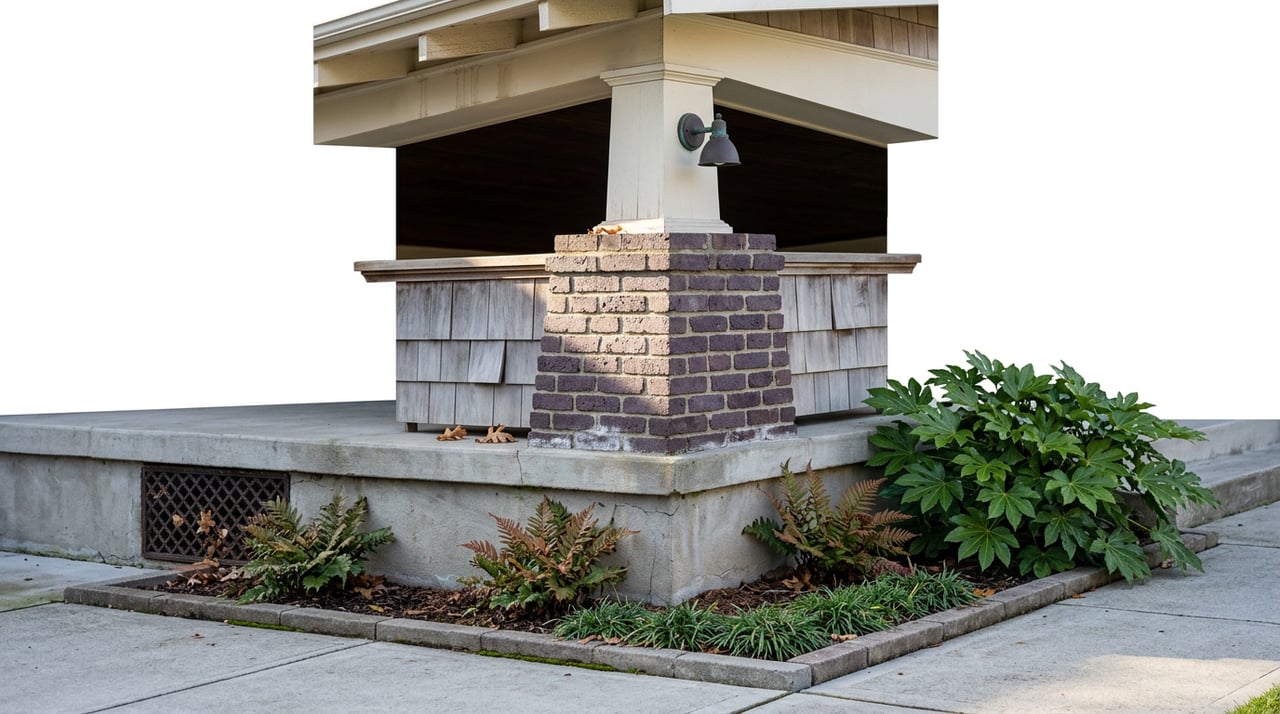
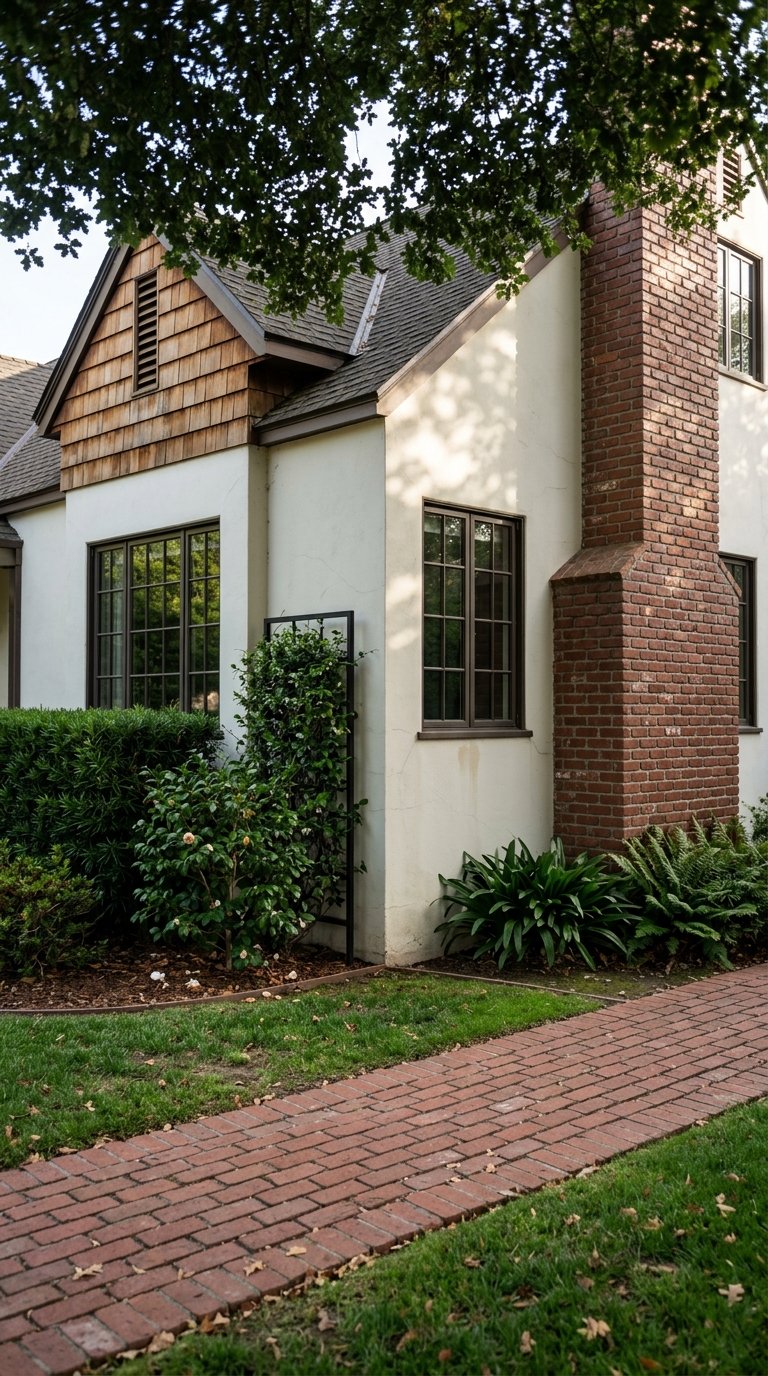
Craftsman homes are usually wood-frame with shingle or wood siding, hardwood floors, and masonry or stone fireplaces. Exposed rafters and beams are common, and their trim work is a major part of the home’s character. Older systems can include knob-and-tube wiring, early plumbing, and lead-based paint in homes built before 1978.
Midcentury homes combine conventional wood framing with post-and-beam elements and often use slab-on-grade foundations. Expect large single-pane glass in many originals, low-pitched or flat roofs, and minimalist built-ins. Drainage at flat roofs and energy performance at original glazing are frequent focus areas during due diligence.
Renovation and permits
Permits and review
In Pasadena, permits are typically required for structural changes, additions, re-roofing, and electrical, plumbing, or HVAC upgrades. Homes in historic districts may trigger design review for exterior work. The Pasadena Planning & Community Development and Building & Safety divisions outline submittal requirements, timelines, and fees for your project.
Historic incentives
Some California cities offer Mills Act contracts that can reduce property taxes in exchange for preservation commitments. Availability and criteria vary by city and parcel. In Pasadena, confirm eligibility and application timing directly with city staff before you plan budgets around potential savings.
ADUs and additions
State law has made Accessory Dwelling Units more feasible, but local zoning, lot size, setbacks, parking, and historic-district rules still apply. Site conditions and district status can shape ADU design and placement. Engage Pasadena planning staff early to gauge feasibility.
Hazardous materials
For pre-1978 homes, assume the possibility of lead-based paint. Asbestos can appear in some older floor tiles, pipe insulation, or past remodel materials. Abatement must follow federal and state guidelines and can affect scope, cost, and timelines.
Seismic, energy, and comfort
Older Craftsman homes often predate modern seismic detailing. Common retrofit measures include foundation bolting and cripple-wall bracing, along with chimney and masonry repairs where needed. Foundations and sill connections deserve careful inspection.
Midcentury slab foundations can perform well, but watch for settlement, soil movement, and house-to-foundation anchorage. Original mechanical systems may be undersized for today’s use. Energy upgrades like insulated roofing, higher-performance glazing, and updated HVAC can improve comfort while respecting design intent.
California’s Title 24 energy standards apply to many major renovations. Window replacements, insulation, and system upgrades are common triggers. Plan for code compliance as part of your design and construction budget.
Neighborhood notes
Craftsman homes concentrate in Bungalow Heaven, Old Pasadena, South Arroyo, and parts of Orange Grove. These areas deliver historic streetscapes, mature trees, and a strong sense of architectural continuity. Design review is more likely in designated districts.
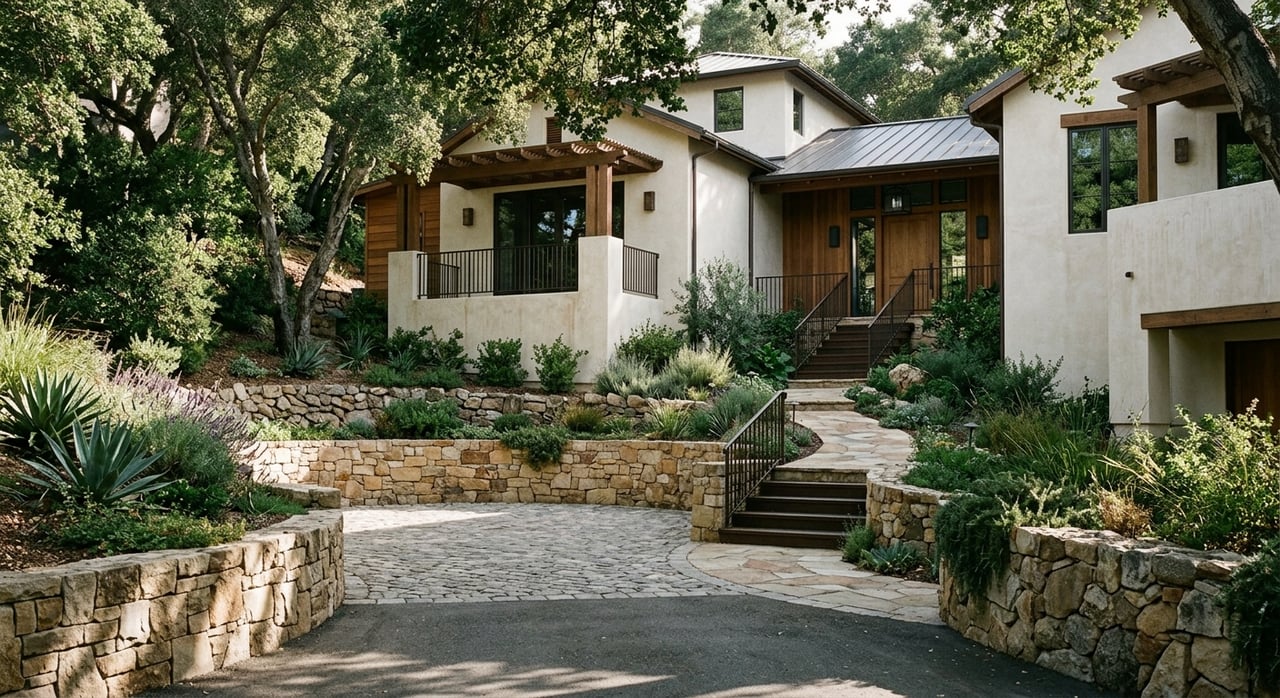
Midcentury and postwar homes cluster in Hastings Ranch, portions of East Pasadena, and select hillside tracts and corridors. Lots are often larger with more on-site parking and a suburban layout. Many properties orient to private backyards, which suits indoor-outdoor living.
Commute patterns vary based on access to the 134 and 210 corridors and routes to downtown Los Angeles or Glendale. School options include Pasadena Unified and a range of private schools, with proximity that varies by neighborhood.
Inspection priorities by style
Shared checks for both styles
- Foundation condition, drainage, and grading
- Roof age and performance
- Termite and pest evidence
- Plumbing type and condition
- Electrical panel capacity and wiring
- HVAC age and distribution
- Insulation and moisture intrusion
- Slope stability for hillside lots
Craftsman-specific checks
- Wood rot or termite damage at porches, rafter tails, window sills, and sill plates
- Presence of knob-and-tube wiring or undersized service
- Masonry fireplace and chimney condition
- Built-ins and millwork integrity, especially if water-exposed
Midcentury-specific checks
- Flat or low-pitched roof membranes and drainage details
- Slab-on-grade movement and under-slab plumbing issues
- Single-pane glazing performance and seal condition
- Original mechanicals and need for duct or distribution upgrades
Cost drivers to expect
- Electrical panel upgrades and partial or full rewiring in older Craftsman homes
- Seismic retrofits such as foundation bolting and cripple-wall bracing
- Roof replacement or membrane work on flat or low-pitched roofs
- Window replacement or retrofits to improve energy performance
- Moisture and termite remediation and repair of damaged millwork
Timelines vary by scope. Minor interior remodels can take weeks to months. Structural work, foundation repairs, or major additions can run several months to a year, especially if historic review is involved. Build in time for design revisions and hearings when working in a designated district.
Resale and value drivers
In Pasadena, authentic architecture and quality preservation matter. Well-preserved or thoughtfully updated Craftsman properties, especially those with recognized provenance, can command attention. Midcentury homes that retain character while balancing comfort and energy upgrades also perform well with design-conscious buyers. As always, neighborhood and condition are key.
Questions to ask before you write
- When was the roof last replaced, and how is drainage handled?
- What electrical upgrades have been completed, and what wiring remains?
- Has the foundation been bolted or otherwise seismically upgraded?
- What plumbing materials are present, including any under-slab lines?
- Are windows original, and have any energy upgrades been made?
- Is the property in a historic district or subject to landmark review?
- Have lead or asbestos hazards been identified or remediated?
- What HVAC capacity and distribution exist, and how does it perform in peak seasons?
Choosing with confidence
If you love porch culture, handcrafted detail, and a calm, traditional layout, a Craftsman may feel like home. If you want sunlight, flexible space, and direct garden access, midcentury likely suits your life. Both styles shine in Pasadena. The right fit depends on how you live, your appetite for upgrades, and the neighborhoods you prefer.
If you would like a private, design-savvy walkthrough of current options and a clear plan for inspections, permits, and presentation, connect with Chelby Crawford. You will get concierge-level guidance shaped by deep local knowledge and a curator’s eye.
FAQs
What is the key lifestyle difference between Pasadena Craftsman and Midcentury homes?
- Craftsman living emphasizes cozy, defined rooms and porch-centered streetscapes, while Midcentury living prioritizes open plans, large glass, and indoor-outdoor flow to private yards.
How do Pasadena historic-district rules affect exterior changes?
- In designated districts, many exterior alterations require city review; plan extra time for approvals and design revisions, while interiors are typically less restricted unless landmarked.
What inspections are most critical for a Midcentury home with a flat roof?
- Verify roof membrane age and drainage details, check slab movement and under-slab plumbing, and assess original glazing performance and mechanical system capacity.
Which style typically needs more system upgrades in Pasadena?
- Older Craftsman homes often need electrical and mechanical updates and wood repair, while Midcentury homes frequently need roof, window, and envelope improvements.
Can I add an ADU to a Pasadena property in a historic district?
- State law supports ADUs, but local zoning, site constraints, and district guidelines still apply; consult Pasadena planning staff early to confirm feasibility and design parameters.