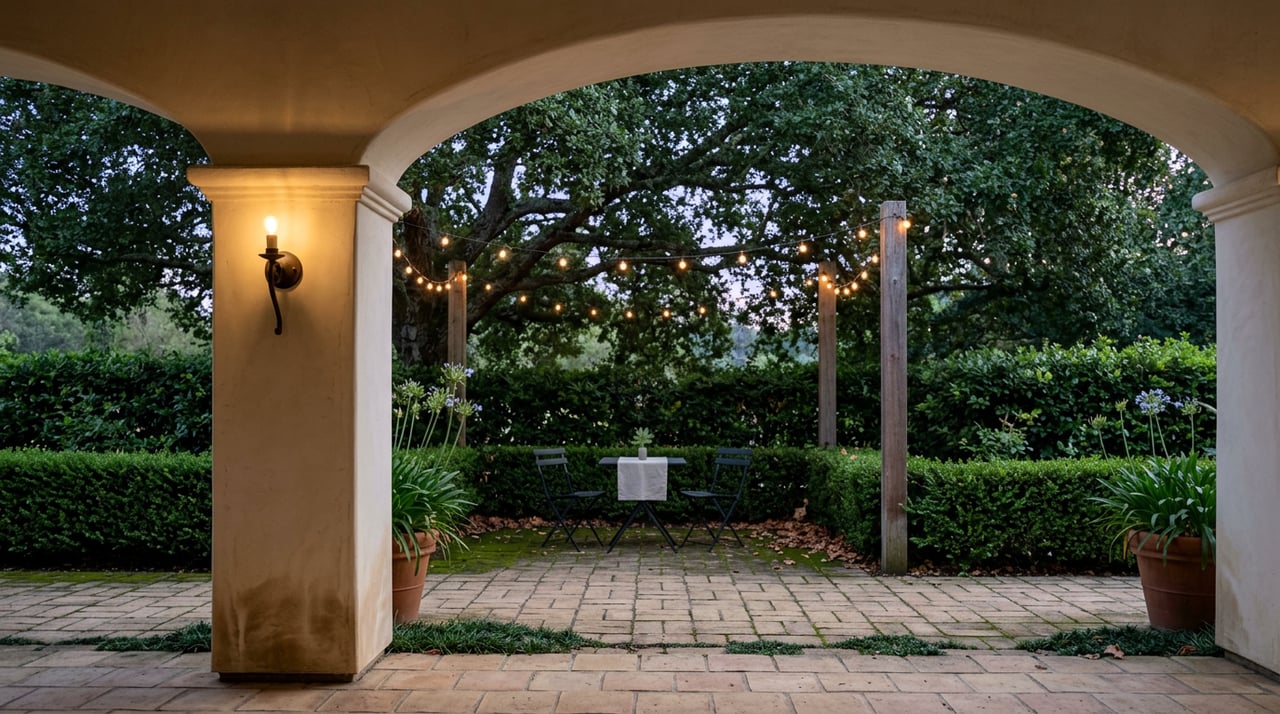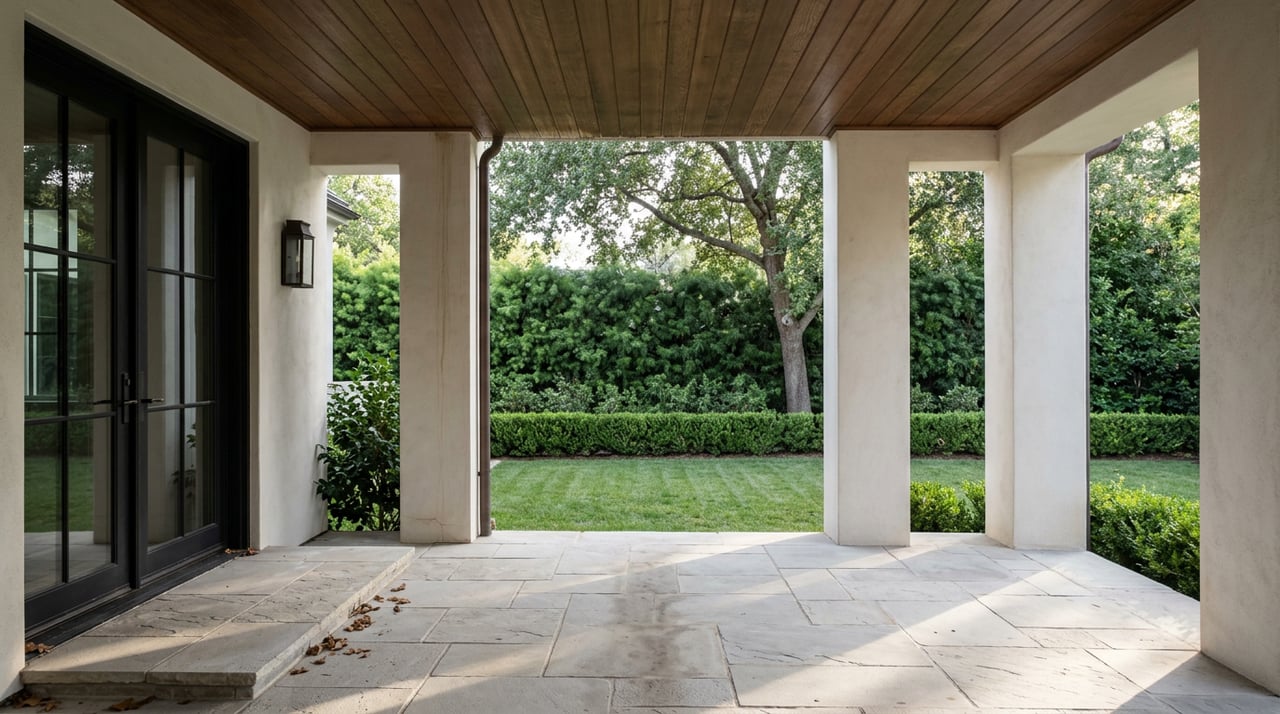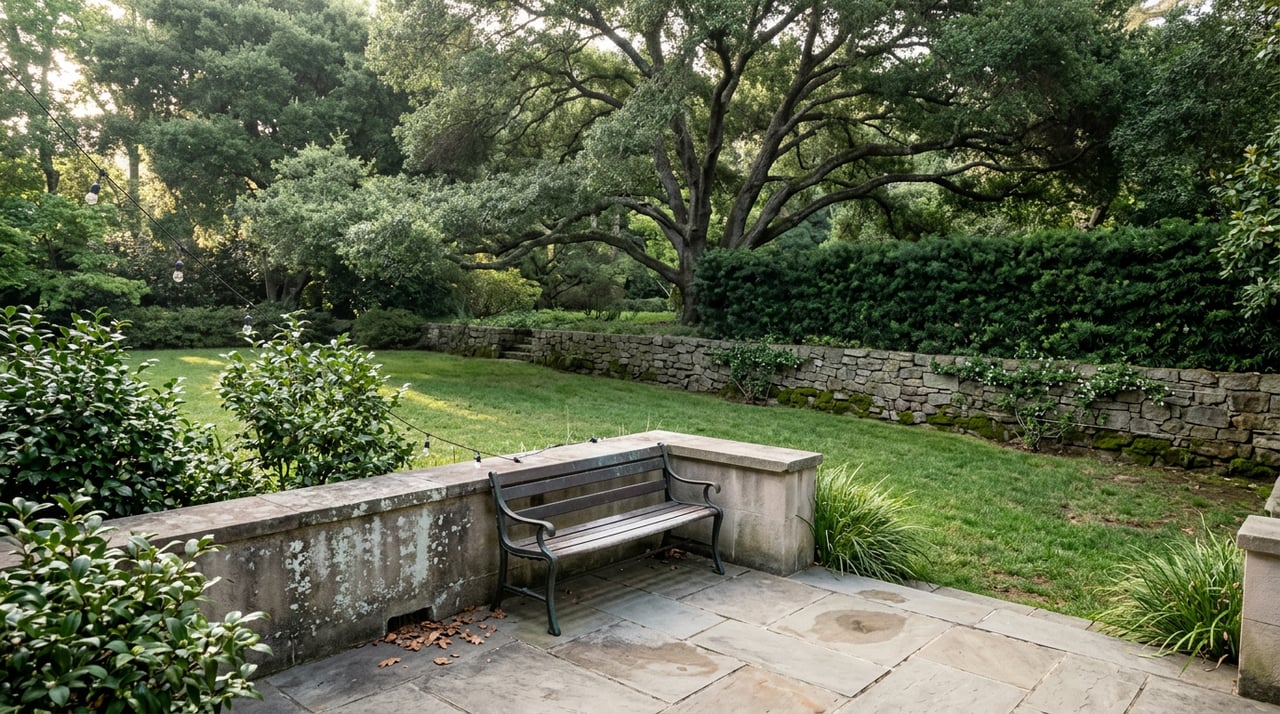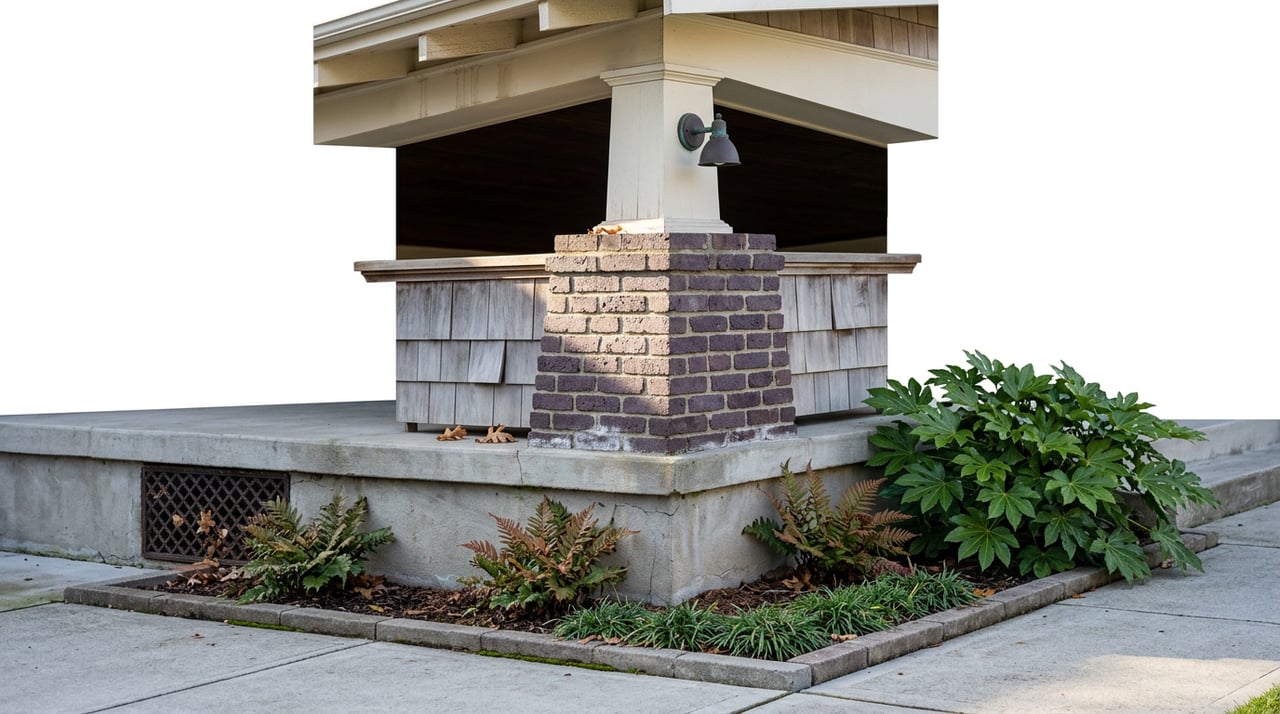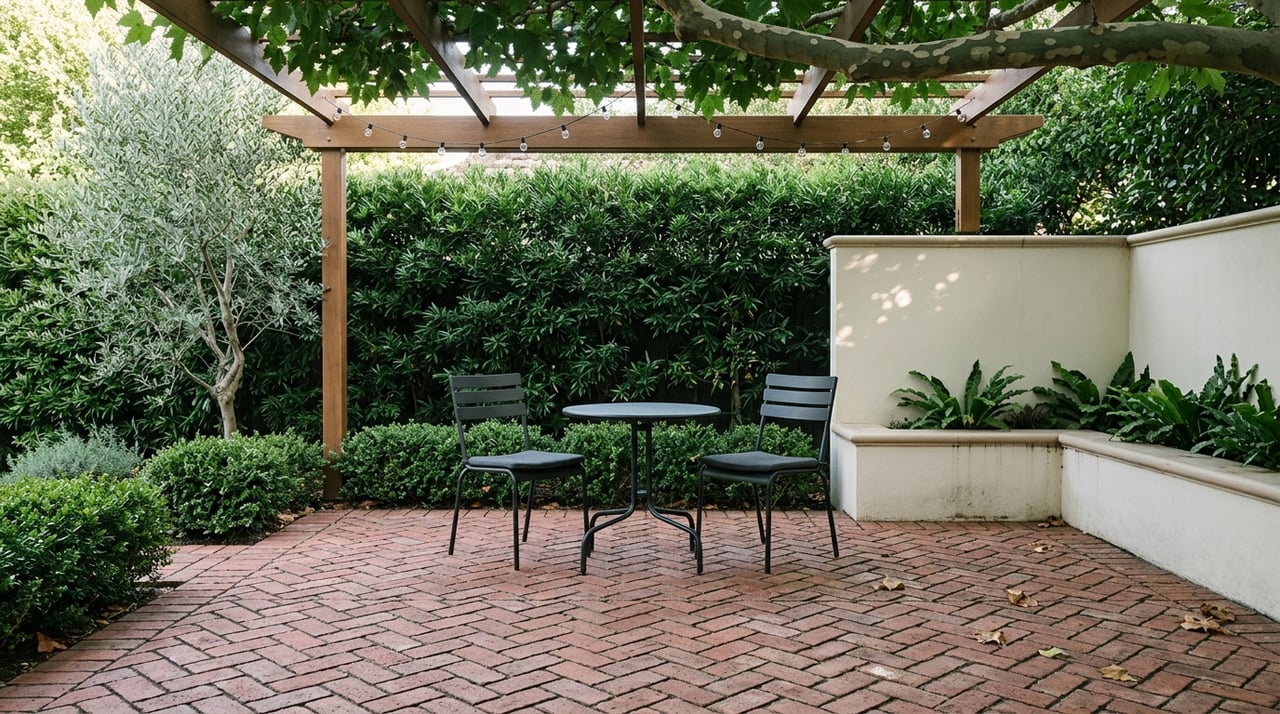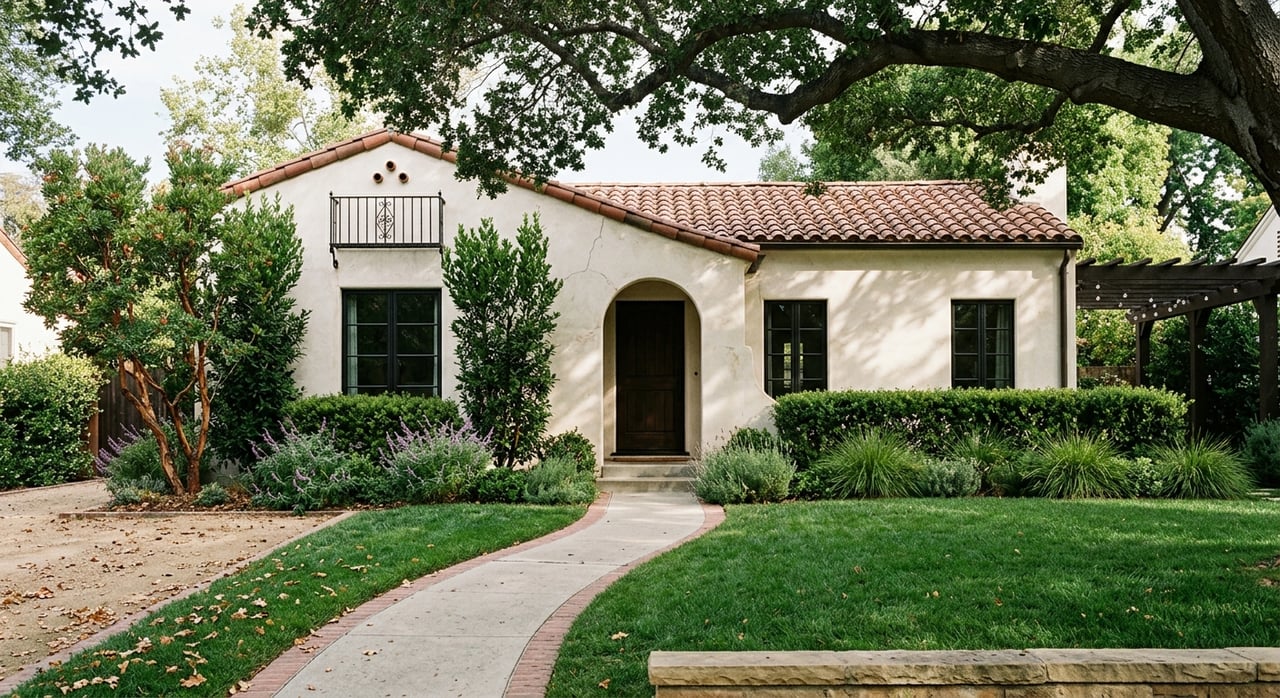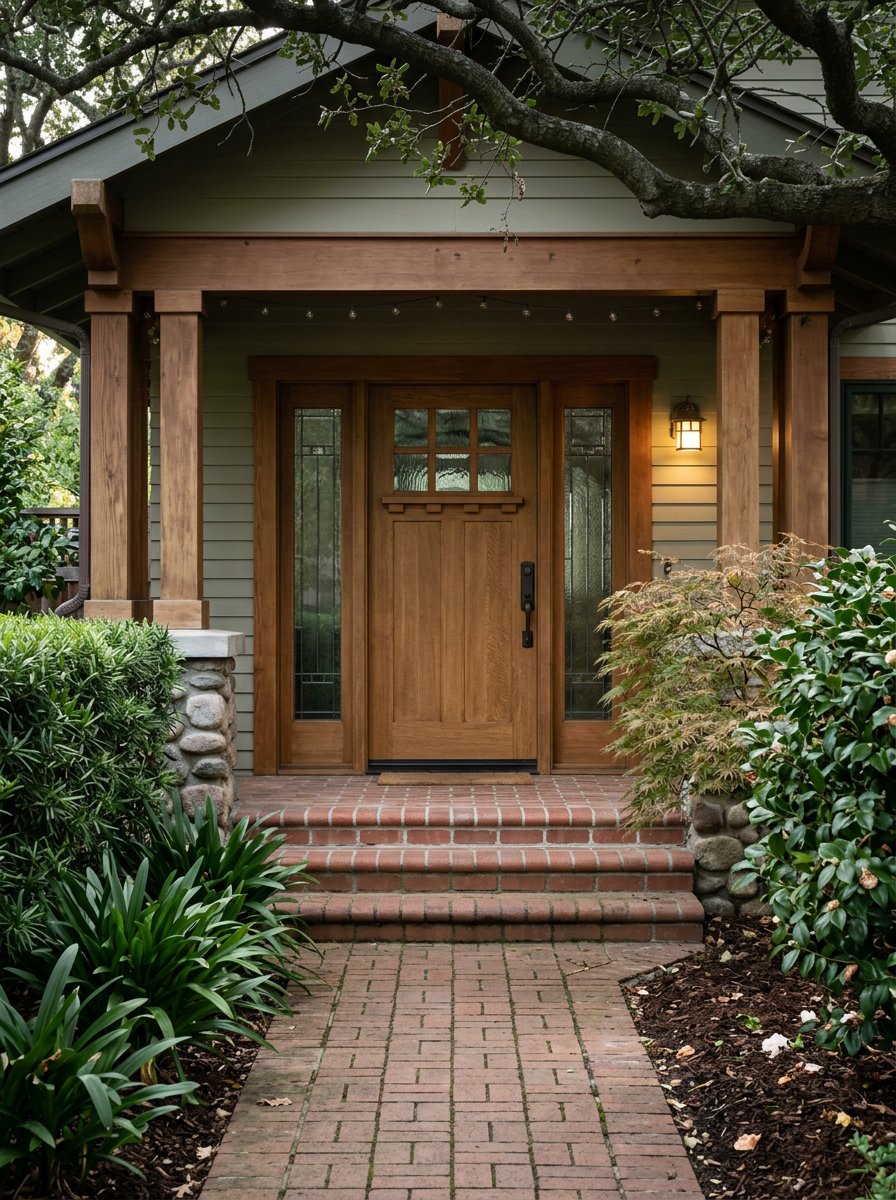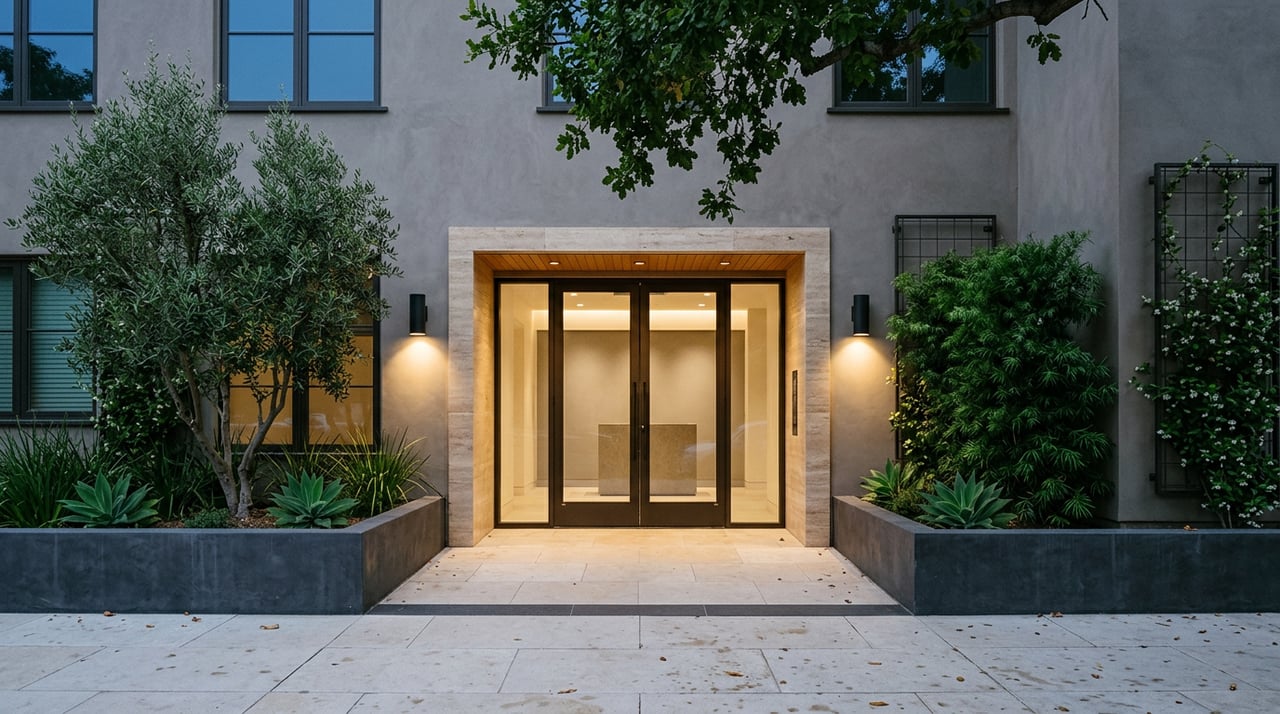
If you have ever wanted a neighborhood that feels creative without feeling performative, Eagle Rock has a way of standing out. For design-minded buyers, it offers something increasingly hard to find in Los Angeles: architectural character, local business energy, and practical access to the wider city in one place. If you are trying to balance style, substance, and day-to-day livability, this is exactly the kind of neighborhood worth a closer look. Let’s dive in.
Eagle Rock Has Real Character
Eagle Rock appeals to creative homebuyers in part because its identity feels established rather than manufactured. It began as a separate suburban city before annexation to Los Angeles in 1923, and that longer history still shows up in the neighborhood’s streetscape, housing stock, and civic character.
The City of Los Angeles community plan places Eagle Rock at the northern end of Northeast Los Angeles, near Glendale, Pasadena, Highland Park, Glassell Park, and the Verdugo Hills. That setting gives you a strong sense of place, while still connecting you to several active parts of the region.
Just as important, local planning documents describe a community that has long been active in preserving older single-family homes and supporting development that is architecturally and economically attractive. For a buyer who values design integrity, that matters. It suggests that character is not accidental here. It is part of the neighborhood’s ongoing identity.
Architecture Draws Design-Minded Buyers
For many creative buyers, the home itself is the starting point. Eagle Rock stands out because original character is woven into the neighborhood rather than limited to a few isolated streets.
Historic Homes Are Part of Daily Life
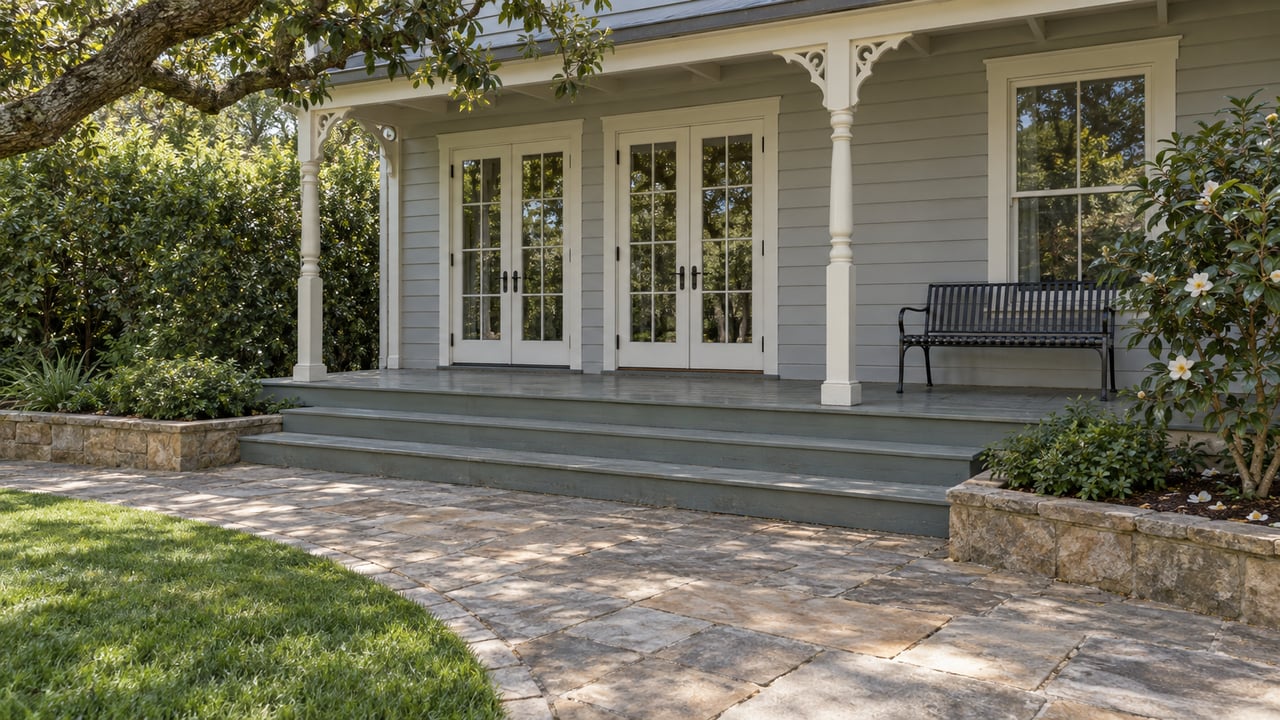
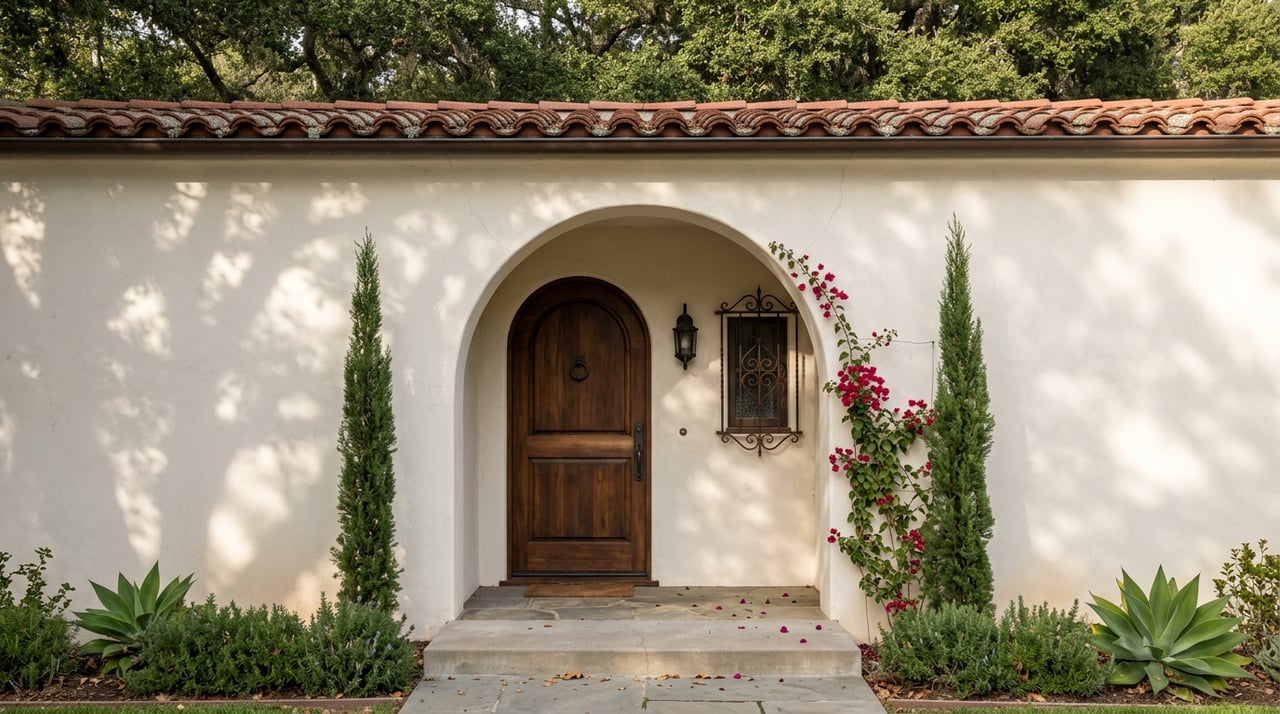
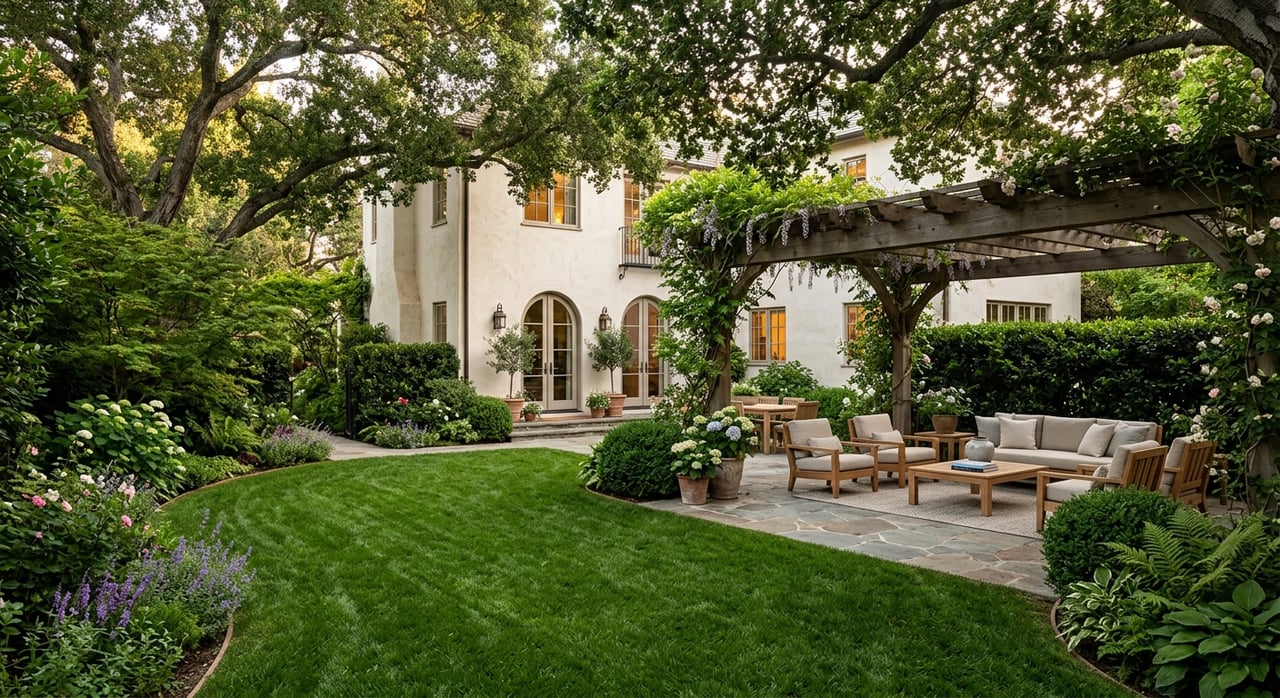
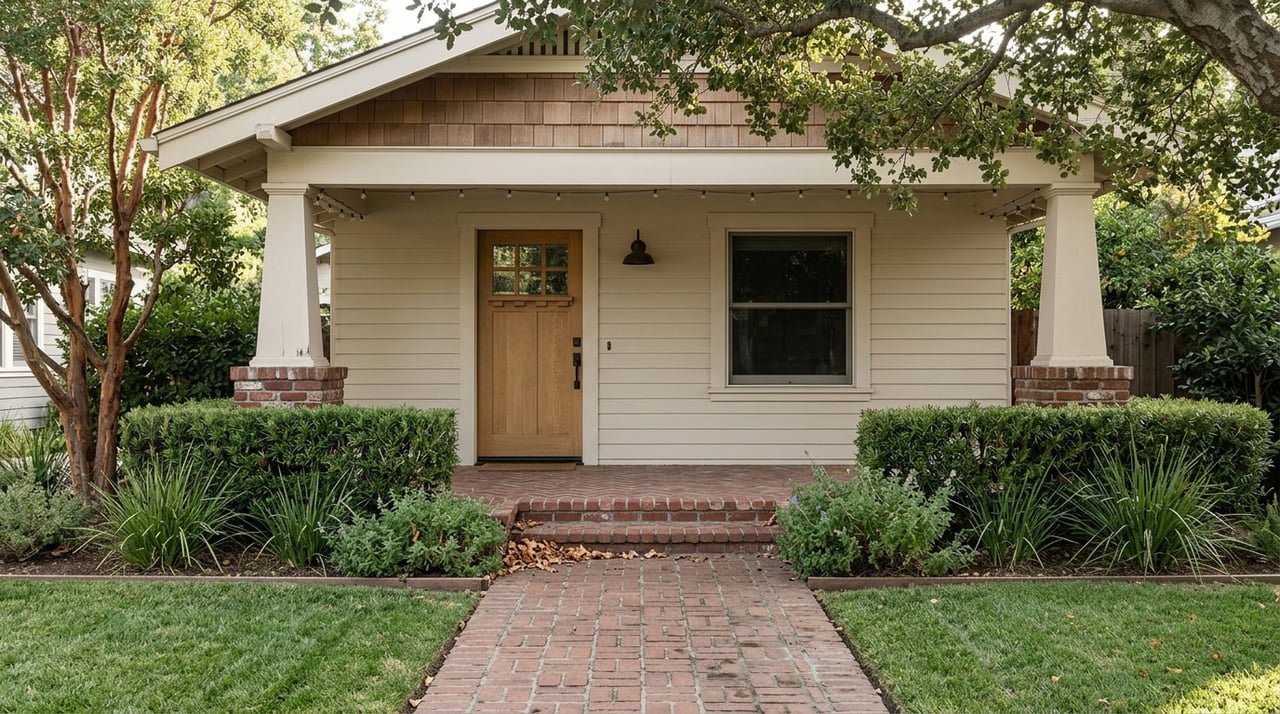
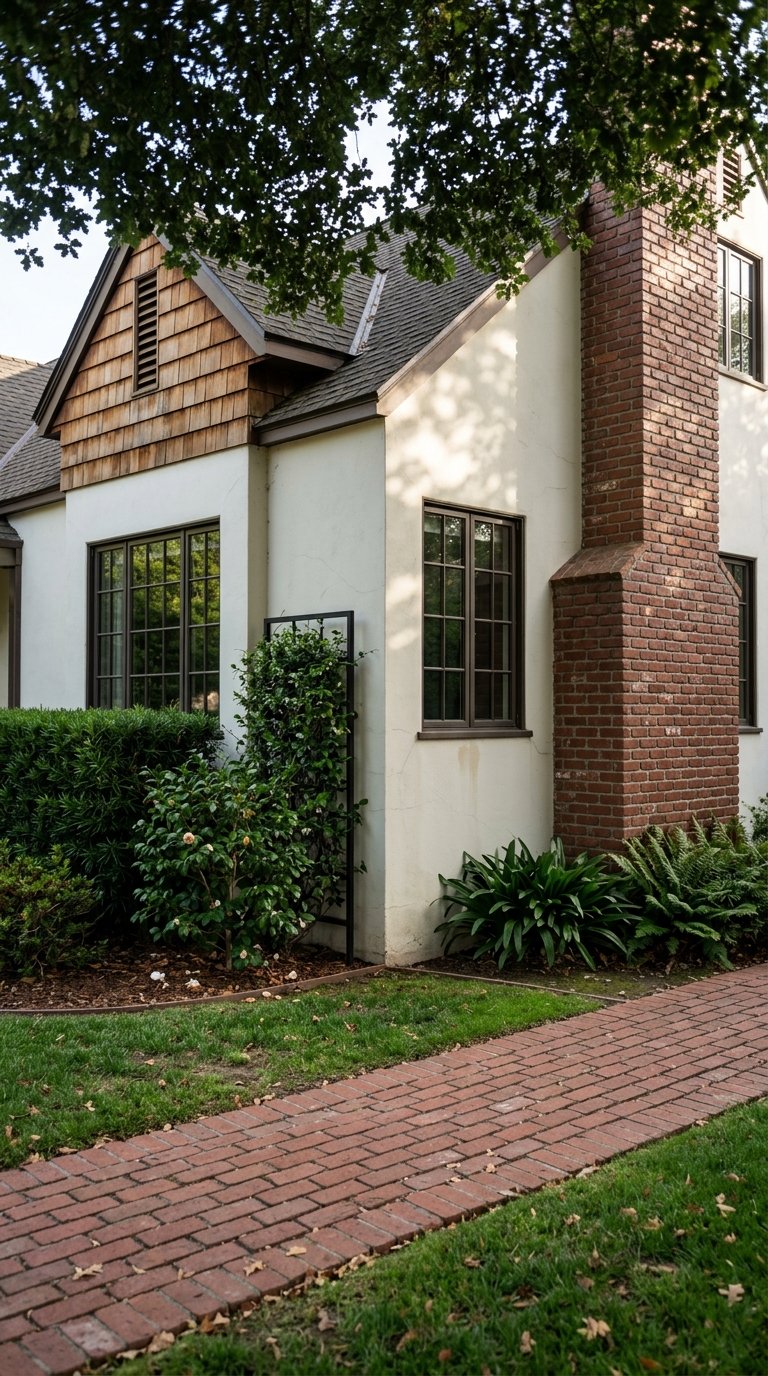
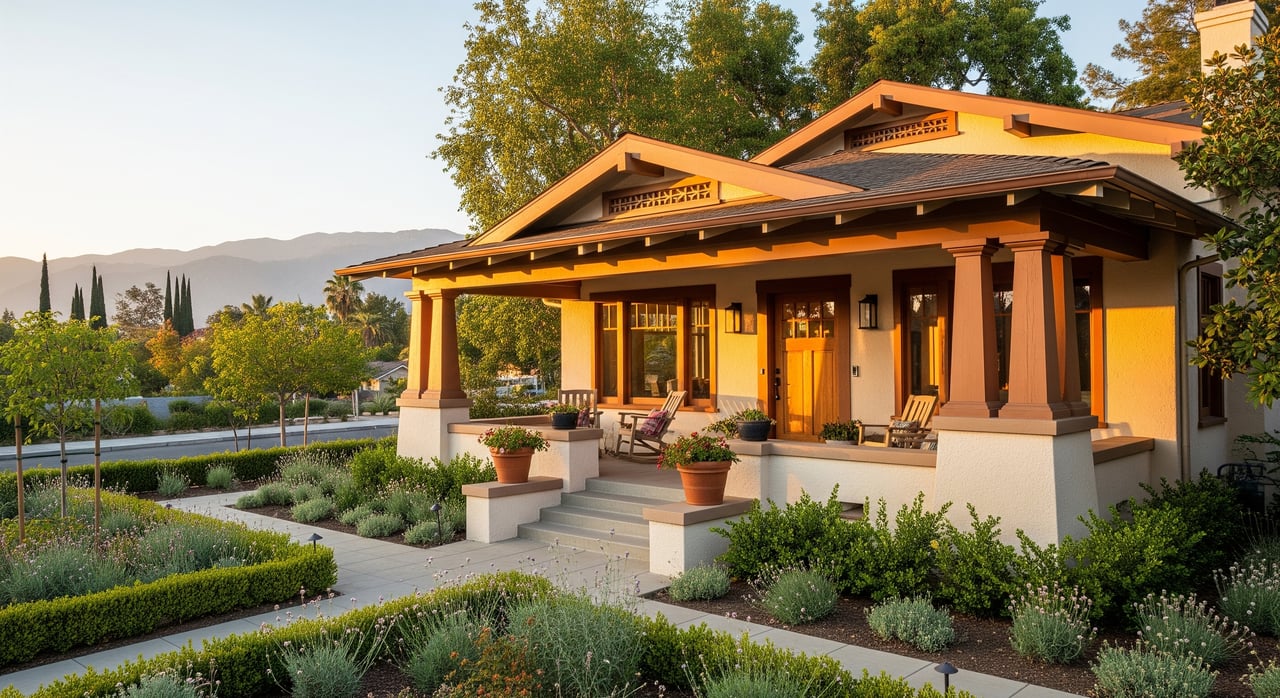
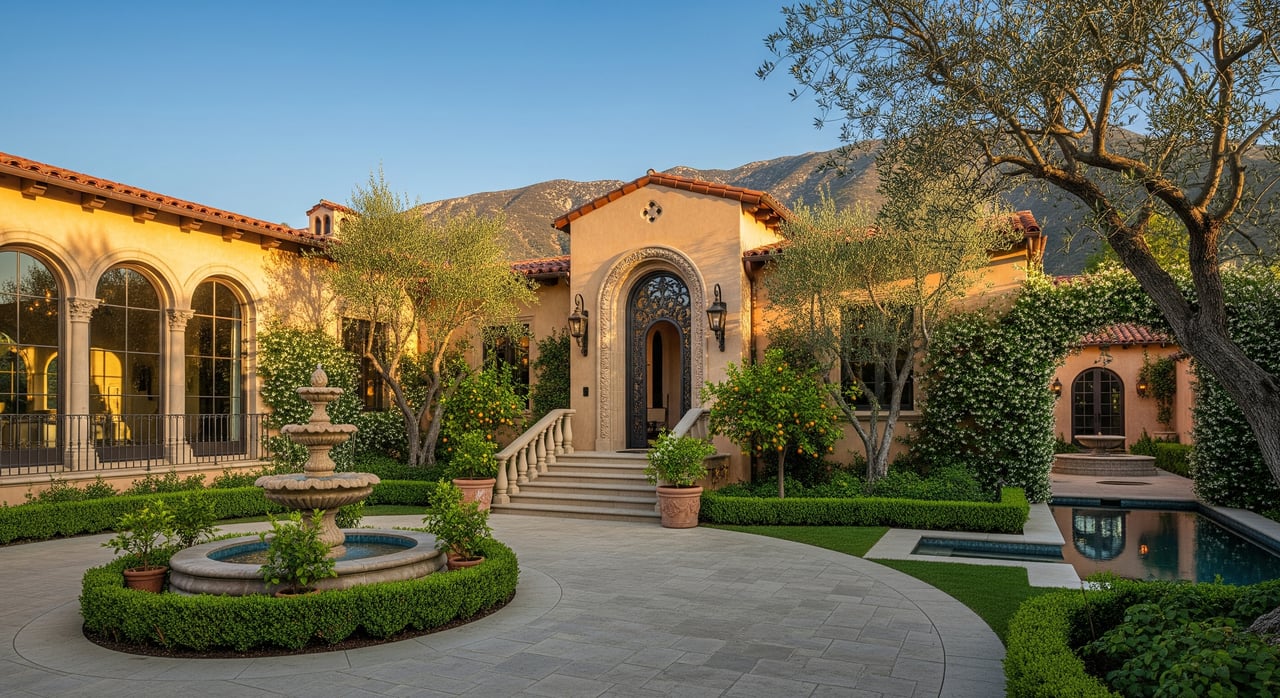
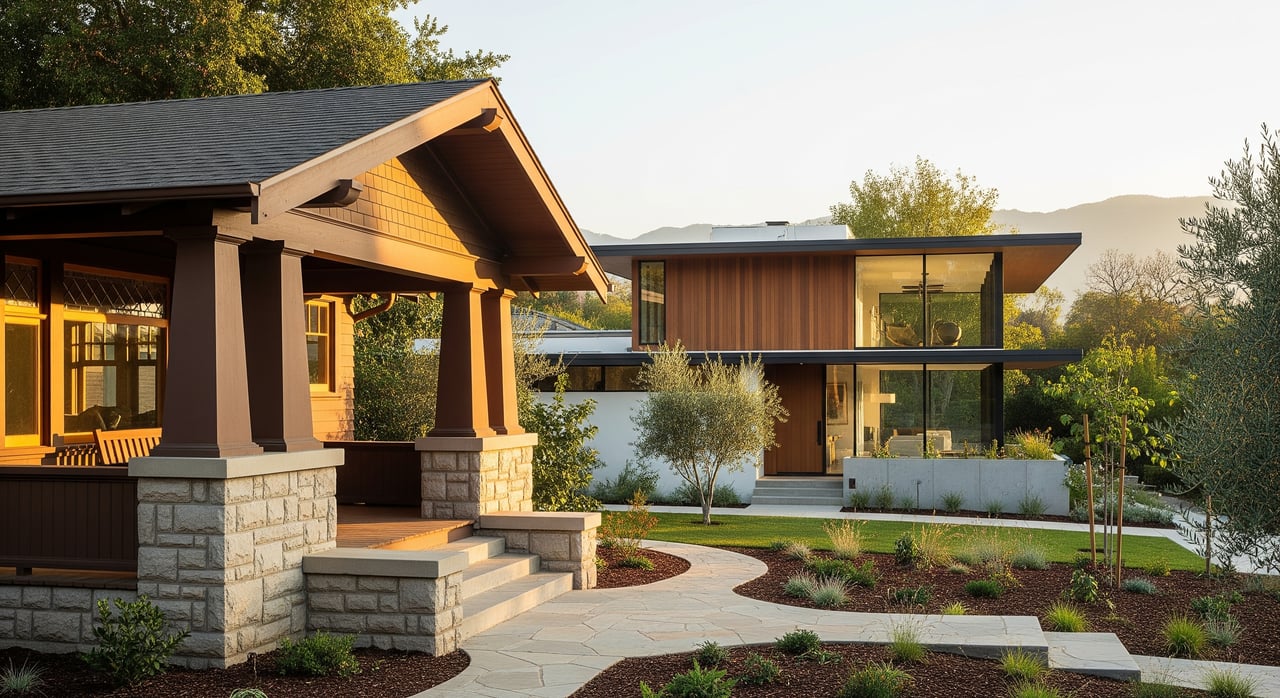
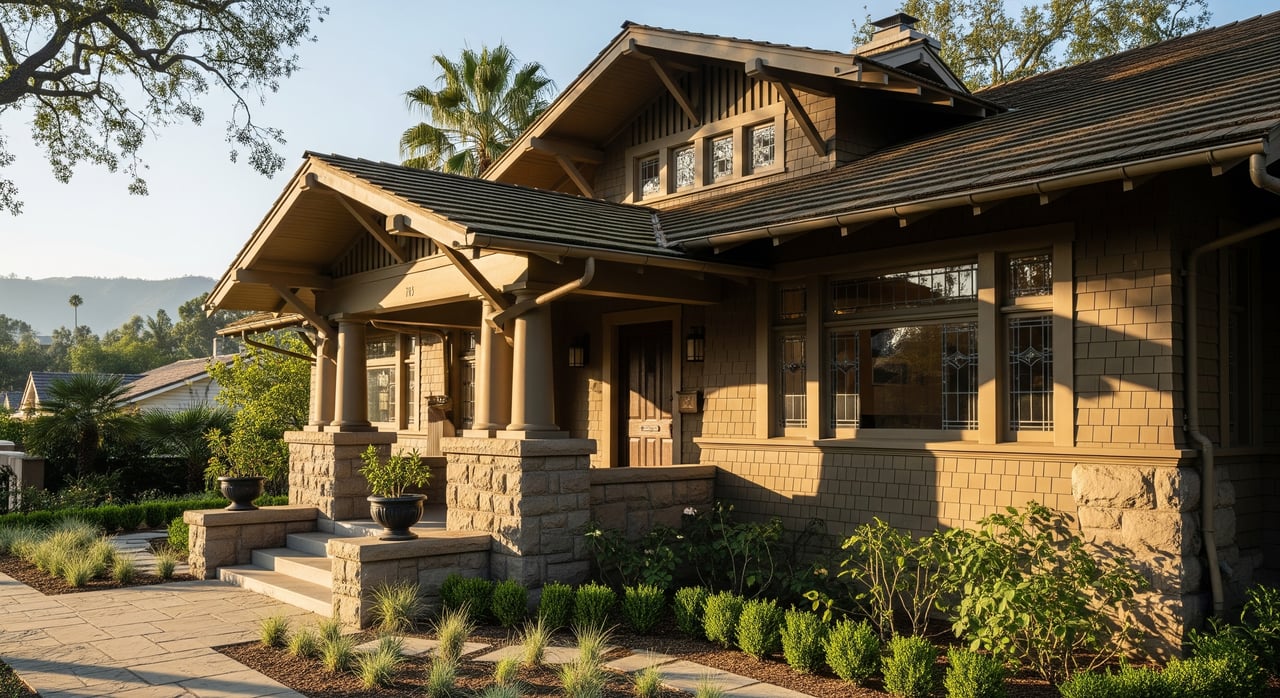
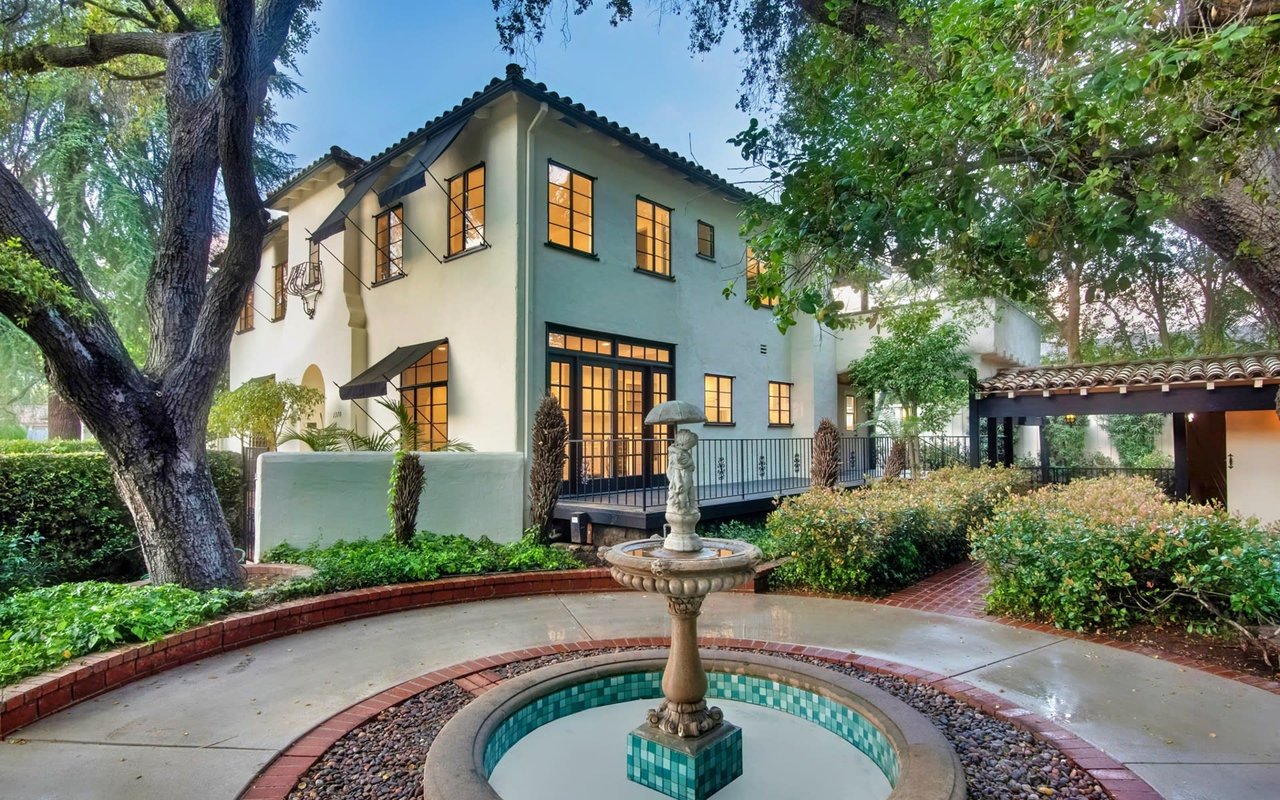
The City’s historic context statement identifies portions of Eagle Rock as Arts and Crafts neighborhoods. In practical terms, that means you may encounter Craftsman and related early 20th-century homes as part of the area’s visual fabric, along with Tudor Revival and American Colonial Revival examples noted in the historic record.
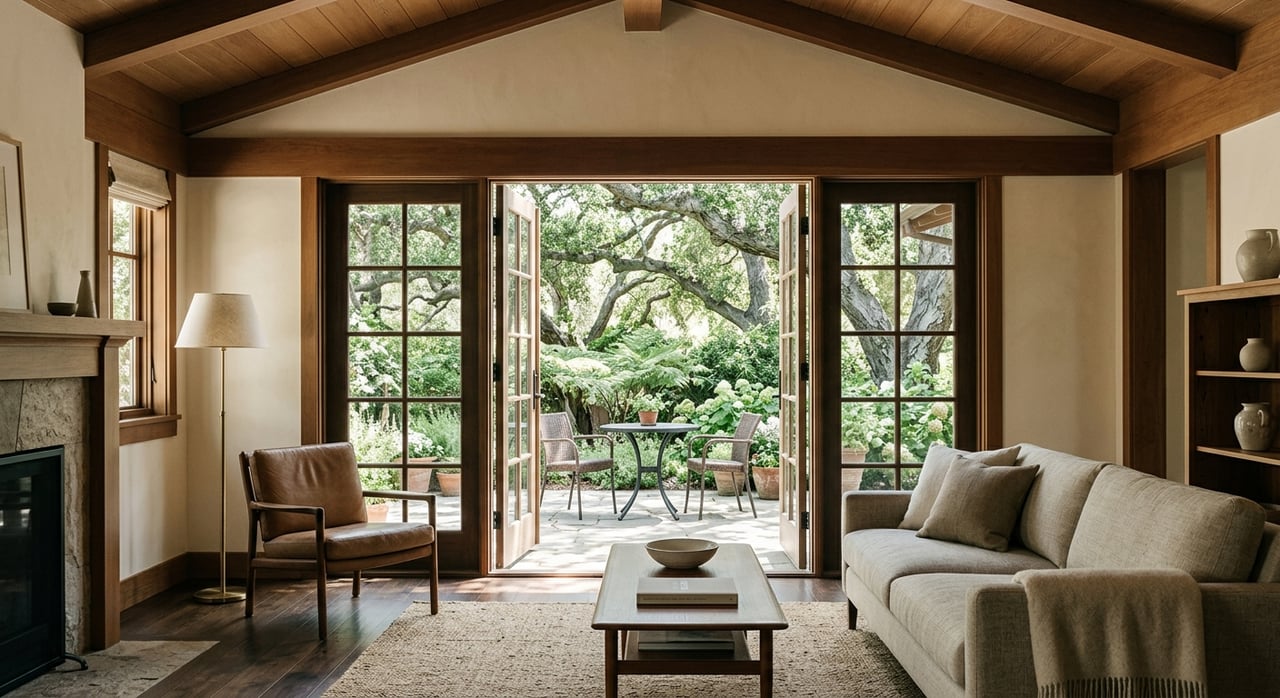
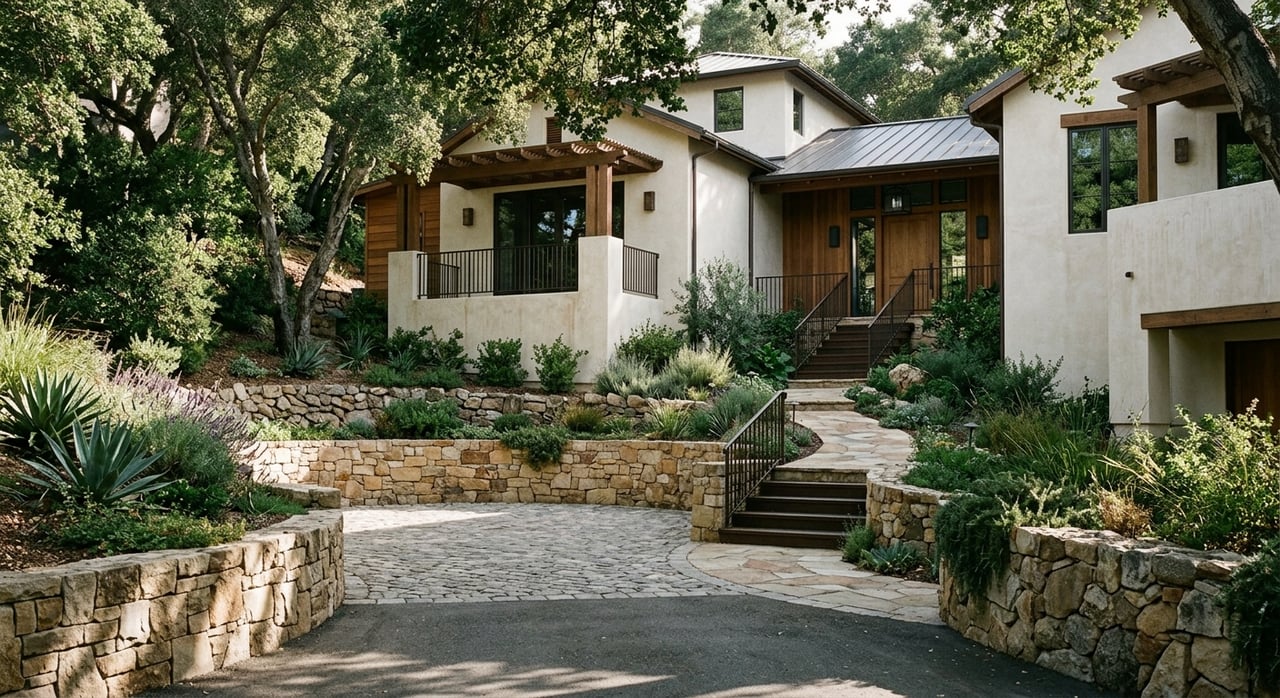
The community plan also points to a rich variety of historic homes across Eagle Rock’s hilly terrain. If you are someone who notices millwork, proportions, porches, built-ins, or the way a house sits on its lot, that variety can feel especially compelling.
Architectural Variety Adds Depth
Eagle Rock is not a one-style neighborhood. Beyond its early residential architecture, it also includes notable later landmarks that add to the area’s design vocabulary.
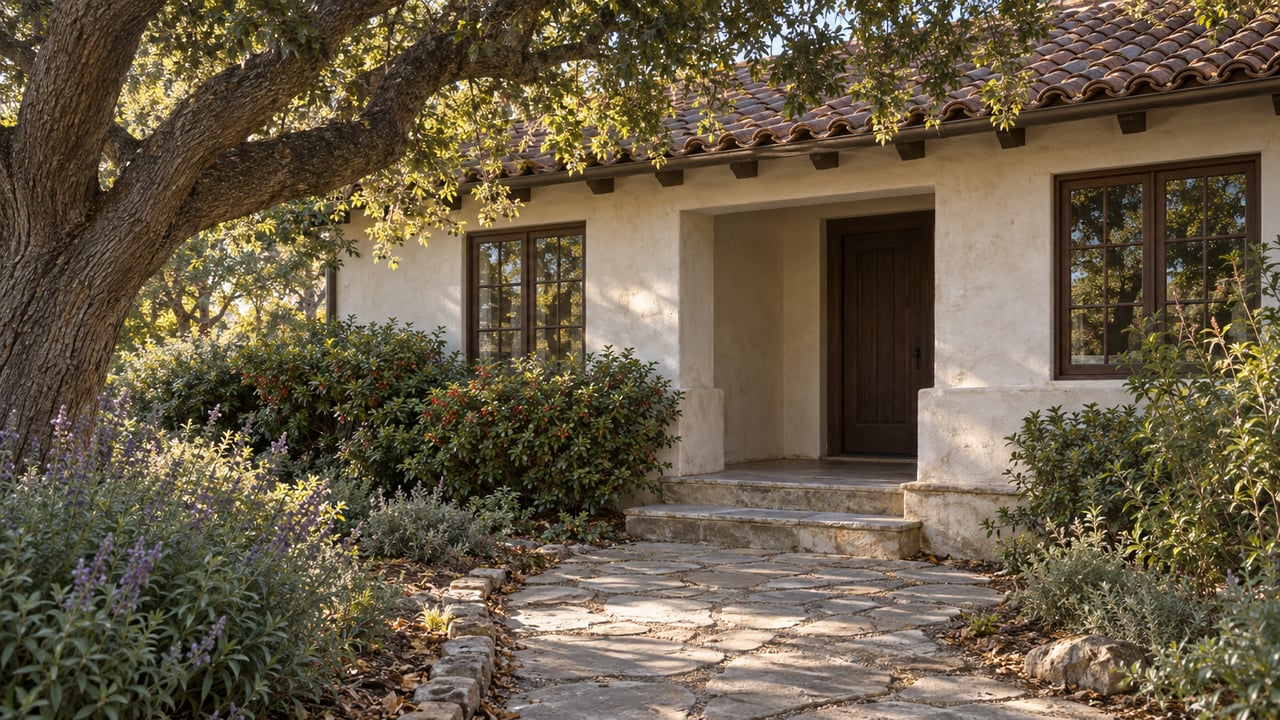
The Center for the Arts Eagle Rock occupies a historic Carnegie library building with Mission Revival architecture. The Eagle Rock Recreation Center adds another layer through a Richard Neutra-designed 1953 Mid-Century Modern landmark. Together, these buildings reinforce the idea that architecture here is part of everyday neighborhood life, not just a niche interest.
Colorado Boulevard Supports Local Texture
A creative neighborhood is not only about houses. It is also about what the public realm feels like when you step outside.
Eagle Rock’s commercial core benefits from a planning framework designed to keep it neighborhood-scaled. The Colorado Boulevard Specific Plan calls for new development to be compatible with surrounding residential areas, encourages pedestrian orientation, and supports preservation of mature trees, cultural resources, and architecturally significant structures.
That kind of planning matters because it helps protect the visual continuity that many buyers value. Instead of feeling like a generic corridor, Colorado Boulevard tends to read as a place with local texture and a stronger sense of continuity between homes, shops, and street life.
Independent Businesses Add Creative Energy
Local descriptions of Eagle Rock often emphasize a low-key, community-centered atmosphere. Occidental College describes artsy coffee shops, classic diners, tree-lined streets, vintage boutiques, and mom-and-pop markets, while the Eagle Rock Chamber of Commerce highlights community involvement and growth in new businesses.
For buyers drawn to creative neighborhoods, that mix can be a major part of the appeal. Independent businesses often shape how a place feels day to day. They make it easier for a neighborhood to feel personal, rooted, and a little more distinctive than areas dominated by interchangeable retail.
This does not mean Eagle Rock performs creativity in a flashy way. Its appeal is more grounded. You are more likely to find an arts-friendly, locally rooted atmosphere than a polished luxury district, and that balance is exactly what many design-conscious buyers want.
Arts Culture Feels Embedded
Some neighborhoods market themselves as creative. Eagle Rock has a more concrete cultural anchor.
The City of Los Angeles Department of Cultural Affairs says Center for the Arts Eagle Rock was established in 1998 to strengthen the economic, social, and creative vitality of Northeast LA through the arts. It now functions as a multidisciplinary cultural hub with concerts, readings, film screenings, artist collaborations, an annual art auction, and the Eagle Rock Music Festival.
For homebuyers, that matters because it signals that the arts are part of the neighborhood ecosystem. A place with active cultural programming often feels more layered and more connected to the people who live there. If you value communities where creative work and public life overlap, Eagle Rock offers a tangible example of that.
Small-Town Feel, Big-City Access
Creative buyers are not only choosing a vibe. You are also choosing how life works on a Tuesday morning.
One of Eagle Rock’s strongest practical advantages is regional connectivity. According to the community plan, the neighborhood has convenient access to the 134 and 2 Freeways, and Colorado Boulevard serves as a major east-west commuter route.
That gives you a residential setting with access to Glendale, Pasadena, and the broader Northeast LA employment network. For many buyers, that balance is key. You can prioritize a lower-rise, neighborhood-oriented environment without giving up connection to the wider city.
Transit Options Continue to Improve
The neighborhood also benefits from transit improvements that expand flexibility. Metro Micro currently includes a Highland Park/Eagle Rock/Glendale service zone for on-demand first-mile and last-mile trips.
Metro’s North Hollywood to Pasadena Bus Rapid Transit project is also under construction and is planned to connect North Hollywood, Burbank, Glendale, Eagle Rock, and Pasadena with dedicated-lane bus service. For buyers who think long term, that kind of infrastructure can strengthen day-to-day convenience and regional access.
Why Creative Buyers Keep Looking Here
Eagle Rock tends to resonate with buyers who care about more than square footage alone. It offers a combination that is hard to force and harder to fake: older homes with visible character, a neighborhood-scaled commercial corridor, an active cultural presence, and access to nearby job and lifestyle hubs.
In other words, it supports a way of living that feels curated without feeling overly polished. If you are drawn to homes with provenance, streets with texture, and neighborhoods that still feel locally rooted, Eagle Rock makes a persuasive case.
For buyers who appreciate architecture, presentation, and the feel of a place over time, neighborhoods like Eagle Rock deserve thoughtful evaluation. If you are considering a move in Northeast Los Angeles or the Pasadena-adjacent foothill communities, Chelby Crawford offers a curator’s eye, local perspective, and concierge-level guidance to help you find the right fit.
FAQs
Why does Eagle Rock appeal to creative homebuyers?
- Eagle Rock appeals to many creative homebuyers because it combines historic architectural character, independent businesses, arts programming, and practical access to Glendale, Pasadena, and Northeast Los Angeles.
What architectural styles can homebuyers find in Eagle Rock?
- Research notes identify Craftsman and other Arts and Crafts homes as especially relevant in Eagle Rock, with Tudor Revival and American Colonial Revival examples in the historic record, plus notable Mission Revival and Mid-Century Modern landmarks.
What makes Colorado Boulevard important in Eagle Rock?
- Colorado Boulevard is important because it serves as a major commercial and commuter corridor, and the specific plan for the area is designed to support pedestrian-oriented development and preserve mature trees, cultural resources, and architecturally significant structures.
Is Eagle Rock a practical choice for commuting?
- Eagle Rock offers convenient access to the 134 and 2 Freeways, a Metro Micro service zone, and a planned Bus Rapid Transit connection linking North Hollywood, Burbank, Glendale, Eagle Rock, and Pasadena.
Does Eagle Rock have a strong arts presence?
- Yes. Center for the Arts Eagle Rock is a city-recognized cultural hub that hosts concerts, readings, film screenings, artist collaborations, an annual art auction, and the Eagle Rock Music Festival.