Sorting out a loved one’s home in Monrovia can feel like a maze of forms, timelines, and family expectations, all while you are trying to honor a legacy. You want a clear plan that protects value, avoids avoidable delays, and keeps everyone informed. In this guide, you will learn the difference between trust and probate sales, what local taxes apply in Monrovia, which disclosures still matter, and how to structure a smooth sale in Los Angeles County. Let’s dive in.
Trust vs. probate sales in Monrovia
What a trust sale involves
If you are the successor trustee and the trust document gives you the power to sell, you can usually list and close without going to probate court. Your authority comes from the trust instrument and your fiduciary duties, which include seeking a fair price, documenting decisions, and treating beneficiaries impartially. For a practical overview of trustee powers and sale steps, review this summary on trust sale authority in California from Legal Clarity: the steps for a trust sale in California.
What a probate sale involves
If the property is part of an estate without a trust, the personal representative may be able to sell under the Independent Administration of Estates Act, often called IAEA. With full authority, a sale can proceed without court confirmation. Without full authority, the sale must be reported to the court and confirmed, which adds time and extra rules. You can read the IAEA framework here: Probate Code section 10400.
How court confirmation changes the sale
If a sale is returned to the court for confirmation, the accepted offer usually must meet the 90 percent appraisal rule based on an official probate referee appraisal. That appraisal must be current, and it sets a floor for the court’s decision. You can see the rule in Probate Code section 10309.
At the confirmation hearing, the court may allow additional bidders to submit overbids using a statutory formula. This is why some buyers are hesitant about probate properties and why accepted offers can change hands at the hearing. For a concise explanation of how overbids and court confirmation work, see this summary of California probate sale procedures.
Local taxes and costs to expect
Monrovia has both city and county transfer taxes that apply when the deed records. Escrow and title will calculate and collect these at closing.
- City transfer tax. Monrovia imposes a local real property transfer tax. Expect a city charge that is applied at recording unless an exemption applies. You can review the city ordinance in the Monrovia municipal code.
- County documentary transfer tax. Los Angeles County collects the county portion, which is paid along with the city tax at recording. The county explains the process on its documentary transfer tax page.
- Probate referee appraisal. In probate cases, the estate pays for the official referee appraisal that supports the Inventory and Appraisal. See a practical overview of probate referee fees and process.
- Court and publication costs. If a sale goes to court for confirmation, plan for court filing fees, publication and posting, and legal fees. Court approval may also be required for the broker’s compensation in a confirmed probate sale, which is outlined in practice summaries of probate sale procedures.
Build a conservative net sheet early so beneficiaries understand the likely proceeds and the role of taxes and fees. Confirm current city and county rates with your title officer.
Required disclosures and reports
Transfer Disclosure Statement (TDS)
Many fiduciary sales by trustees or executors are exempt from the standard TDS form, but the exemption is limited. If a trustee is a natural person who owned or lived in the home within the prior year, the exemption does not apply. Whether or not the TDS form is required, you must disclose known material facts. Review the specific rules in Civil Code section 1102.2.
Natural Hazard Disclosure (NHD)
California requires an NHD statement in most residential sales when public maps show certain hazard zones. Many Monrovia homes may be near mapped fire or seismic areas common to foothill communities. The NHD is separate from the TDS and is often prepared by a vendor. See the requirements in Civil Code section 1103.
Lead-based paint for older homes
For homes built before 1978, federal law requires lead-based paint disclosures and delivery of the EPA pamphlet. Trustees and executors should ensure buyers receive the required documents and that any known lead-related facts are disclosed.
Title and encumbrances
Order a preliminary title report as early as possible. It will surface liens, HOA assessments, or irregularities that can stall closing. For probate or trust sales, title companies pay close attention to authority and signatures, including trustee capacity and deed history. Here is a helpful primer on title and authority issues in probate sales.
Realistic timelines in Los Angeles County
Trust sale timeline
With clear trustee authority, full documentation, and no title or financing issues, a trust sale often runs on a typical market schedule. Many escrows close in 30 to 60 days after an accepted offer. Timing depends on buyer financing, inspections, and how quickly required reports are ordered.
Probate sale timeline
If the sale requires court confirmation, expect additional weeks to months. In Los Angeles County, many families budget 6 to 12 or more weeks from filing the petition to the hearing, plus escrow time after confirmation. Court calendars and notice rules drive this schedule. For context, see the county’s public administrator FAQs.
Bigger probate picture
Probate administration can take 9 to 18 months or longer if contested. The property sale is just one part of that process. When available and appropriate, IAEA full authority can help shorten the sale path. For the statutory framework, see Probate Code section 10400.
Step-by-step plan to protect value
Confirm authority
- Locate the trust instrument or Letters Testamentary or Administration. Verify whether the trustee or personal representative has full IAEA authority. If anything is unclear, coordinate with probate counsel.
Start title work early
- Order a preliminary title report and address liens, encroachments, or missing signatures now. Title clearance early prevents last-minute delays.
Get the right appraisals
- For probate, complete the official probate referee appraisal for the Inventory and Appraisal. For pricing and marketing, obtain a market valuation or broker opinion and document both.
Decide on IAEA strategy
- If the estate does not already have full authority and it is feasible, discuss pursuing it with counsel. Full authority can reduce the need for a court-confirmed sale.
Prepare required disclosures
- Order the NHD early, verify whether the TDS exemption applies, and always disclose known material facts. For pre-1978 homes, prepare federal lead paint disclosures.
Make smart, limited improvements
- Focus on cost-effective repairs and presentation that improve first impressions without over-investing. Clean-outs, light landscaping, paint, strategic staging, and high-quality photography typically deliver strong returns.
Use experienced fiduciary representation
- Work with a local agent who understands trust and probate mechanics in Los Angeles County, including listing language, buyer expectations, and court-related instructions where needed.
Budget closing costs early
- Include the Monrovia city transfer tax, the county documentary transfer tax, title and escrow fees, and, for probate, court and publication costs. Provide beneficiaries with a conservative net estimate upfront.
Communicate with beneficiaries
- Keep a written record of pricing rationale, repairs, offers, and market activity. Clear, steady updates reduce friction and support the trustee’s or executor’s fiduciary duties.
Marketing a legacy property
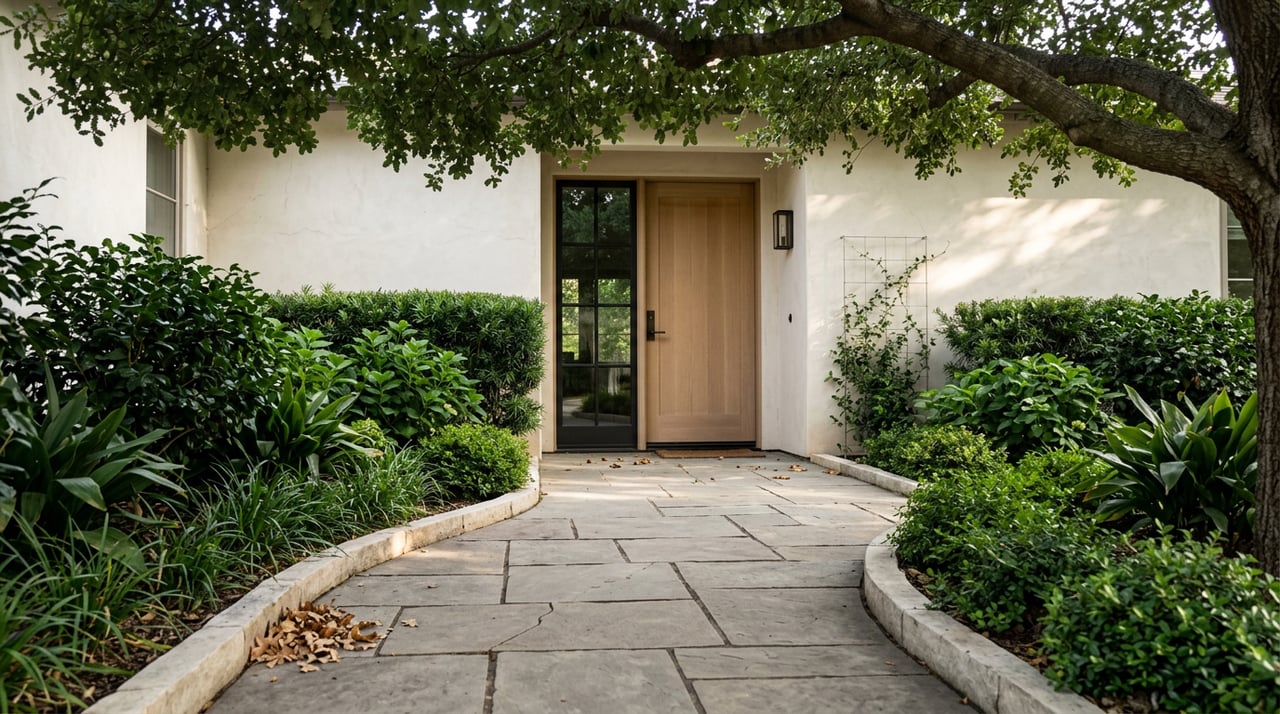
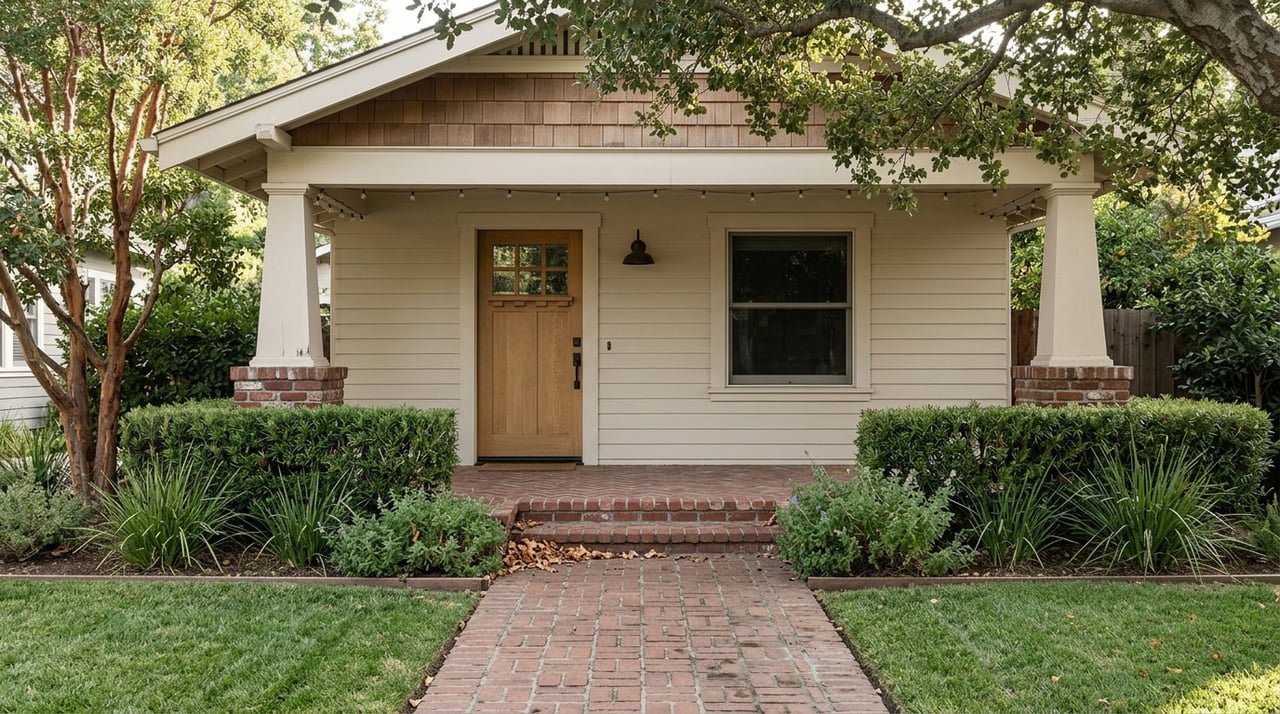
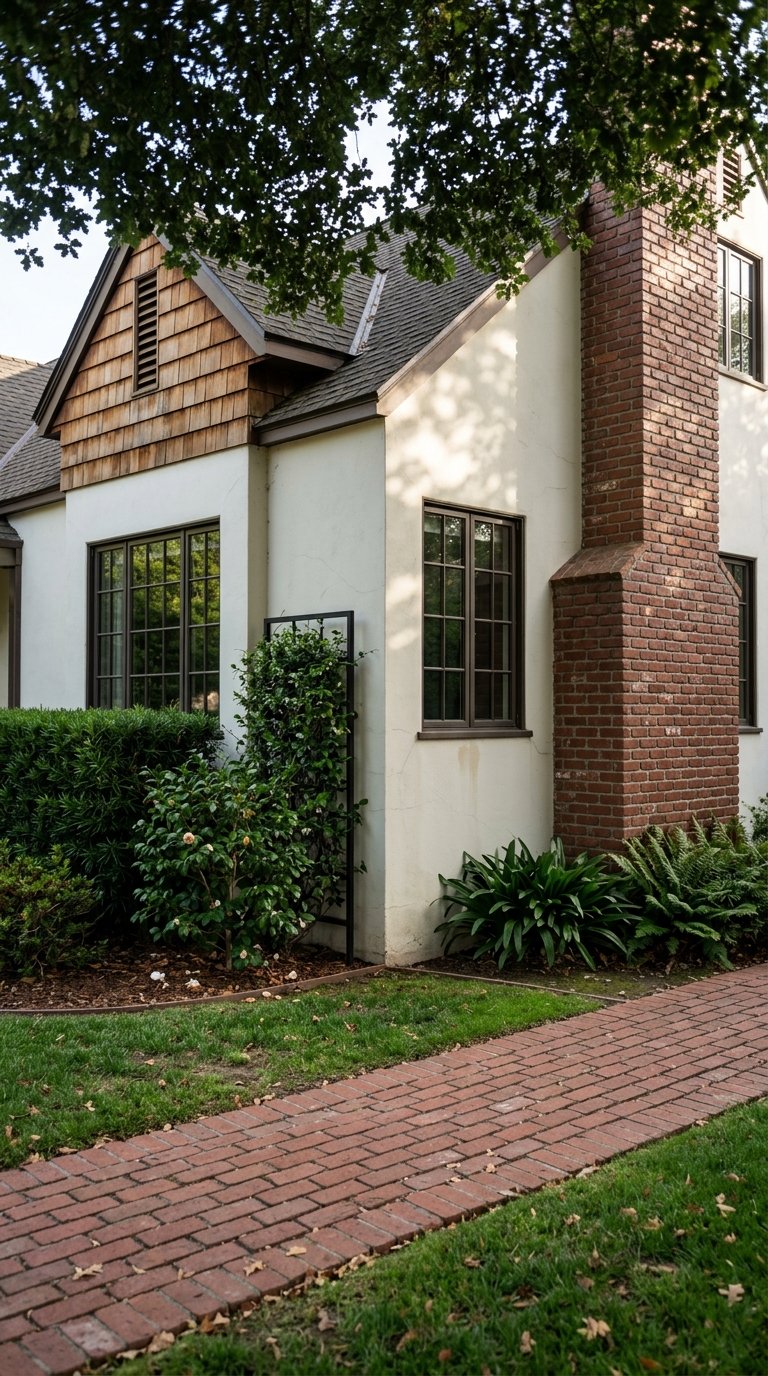
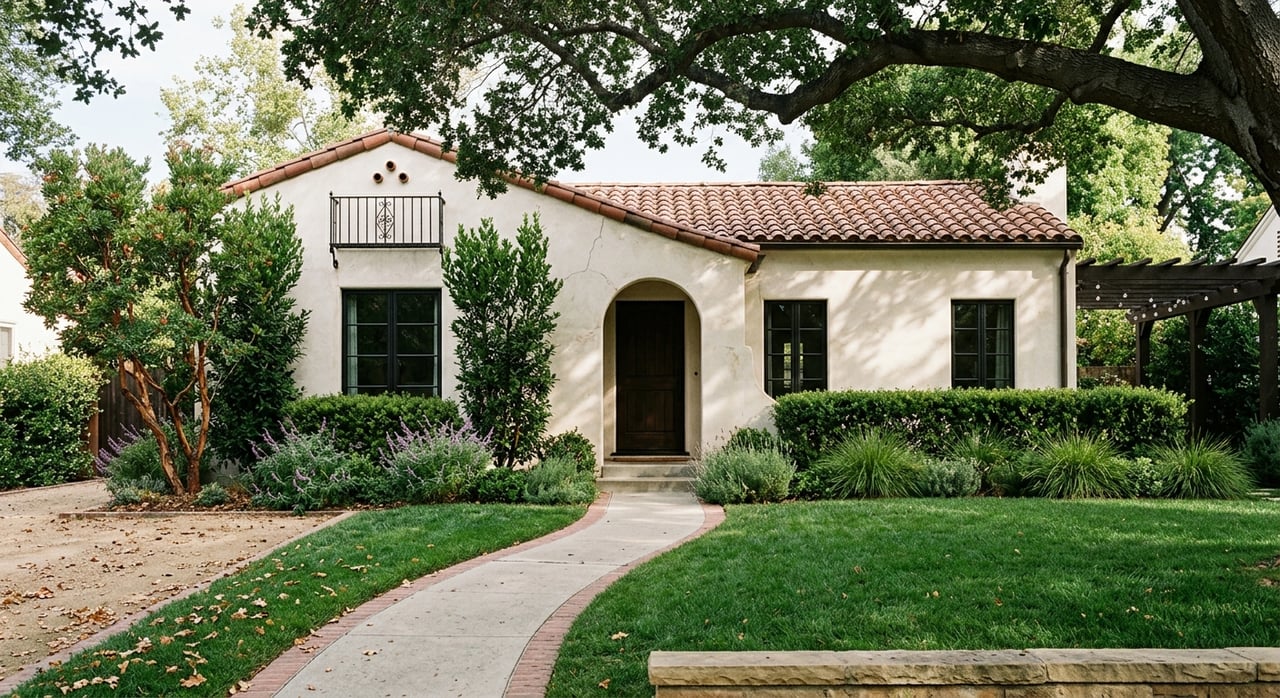
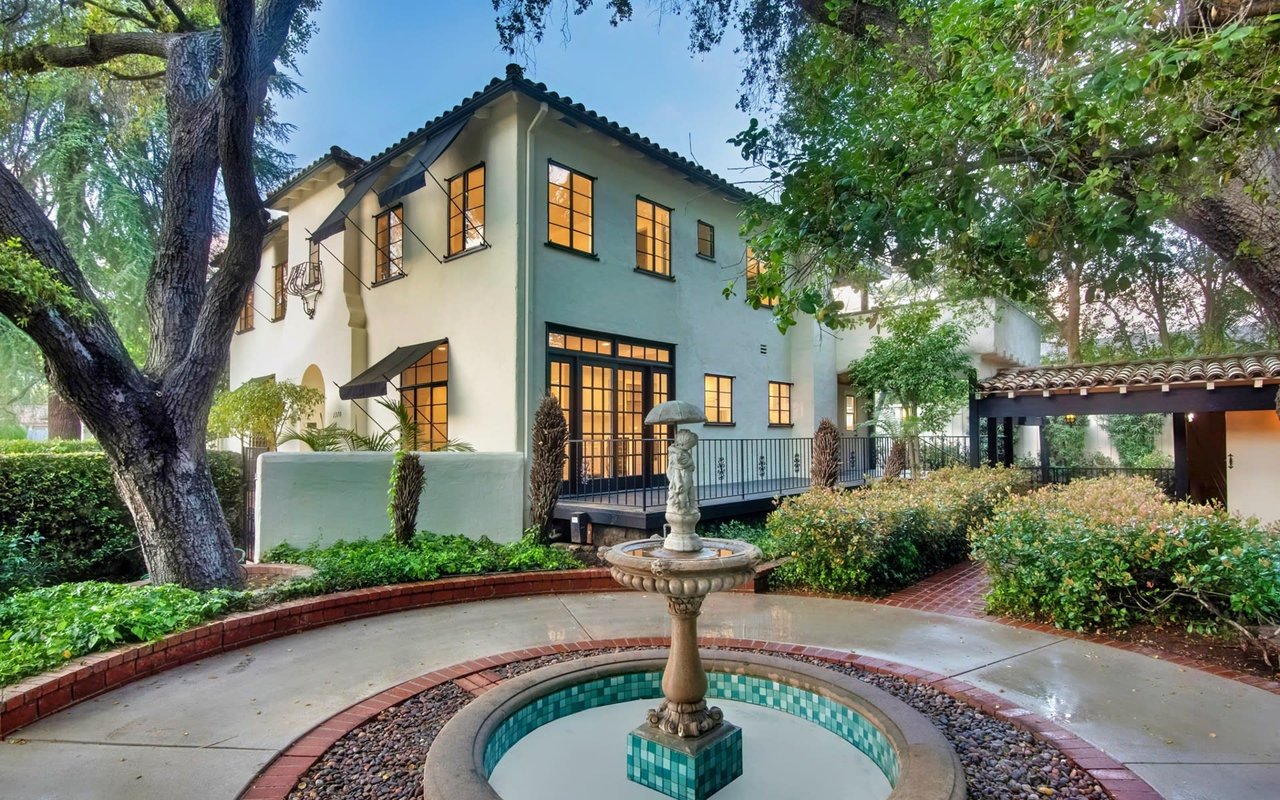
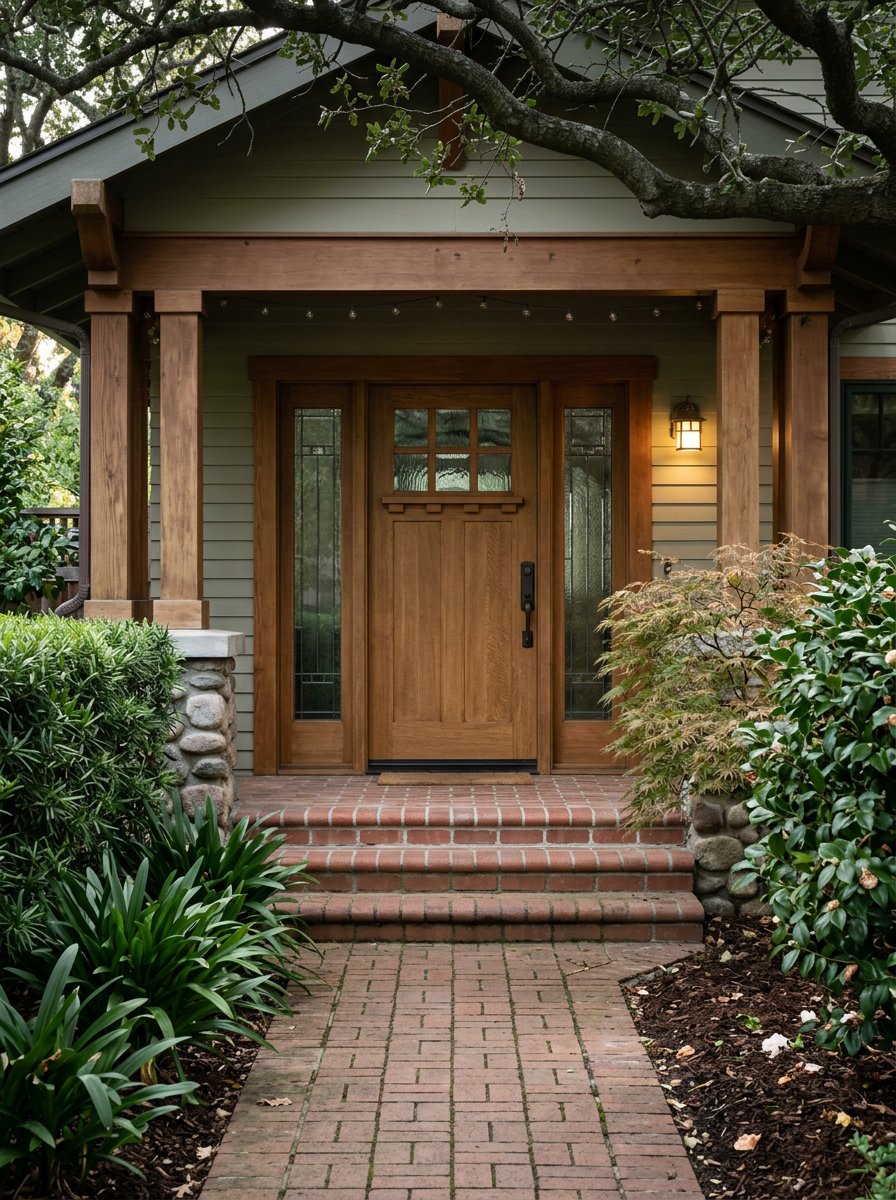
Presentation matters, even in estate and trust situations. You protect value when you help buyers see the home’s potential and respect its story. Thoughtful staging, narrative-rich copy that highlights architecture and provenance, and elegant photography all work together to attract qualified buyers. In Monrovia, that might mean focusing on Craftsman details, mature gardens, and walkable village conveniences, while keeping the process simple for your timeline and goals.
Avoid heavy renovations unless there is a clear and documented return. Buyers in this segment are often prepared to conduct their own updates, and estates are better served by low-lift improvements that create a welcoming canvas.
Common pitfalls to avoid
- Listing before confirming authority to sell or title status.
- Underestimating the impact of the 90 percent appraisal rule or the risk of overbids at confirmation.
- Forgetting to budget both the Monrovia city transfer tax and the county documentary transfer tax.
- Skipping the NHD because the TDS may be exempt.
- Waiting to communicate pricing, offers, or net sheets to beneficiaries.
When questions arise about taxes, court calendars, or exemptions, confirm details with your estate attorney and title officer. Local rules and fees can change.
If you are a trustee, executor, or heir planning to sell a home in Monrovia, you do not have to navigate this alone. With design-led presentation, careful documentation, and steady communication, you can protect value and move forward with confidence. For tailored guidance and a private market plan, connect with Chelby Crawford.
FAQs
What is different about a Monrovia trust sale vs. probate?
- In a trust sale, a trustee with sale authority can usually sell without court confirmation, while a probate sale often requires a court-confirmation process unless full IAEA authority applies, which adds steps and time. See Probate Code section 10400.
Which transfer taxes apply when selling in Monrovia from a trust or estate?
- Expect both the Monrovia city transfer tax and the Los Angeles County documentary transfer tax at recording, typically calculated and collected by escrow and title. Review the Monrovia tax ordinance and the county’s documentary transfer tax guide.
Does a trustee or executor have to complete the TDS in California?
- Often no. Many fiduciary transfers are exempt from the TDS form, but the exemption has limits, and you must still disclose known material facts. See Civil Code section 1102.2.
How long does a court-confirmed probate sale take in Los Angeles County?
- Many families budget 6 to 12 or more weeks from filing the petition to the confirmation hearing, plus escrow time afterward, subject to court calendars and notice rules. See the county’s public administrator FAQs.
What happens at a probate confirmation hearing if we already have a buyer?
- The court may allow overbids using a statutory formula, which can change the buyer and final price. For a plain-language overview, review this summary of California probate overbid practice.