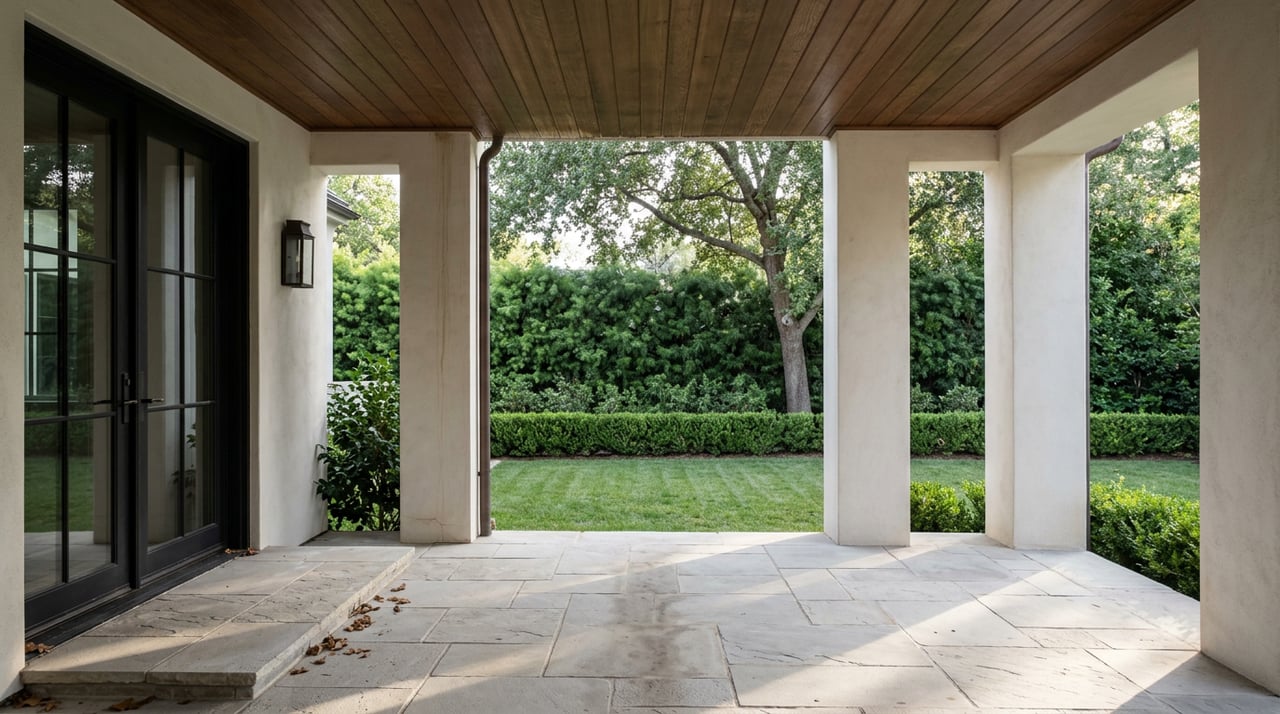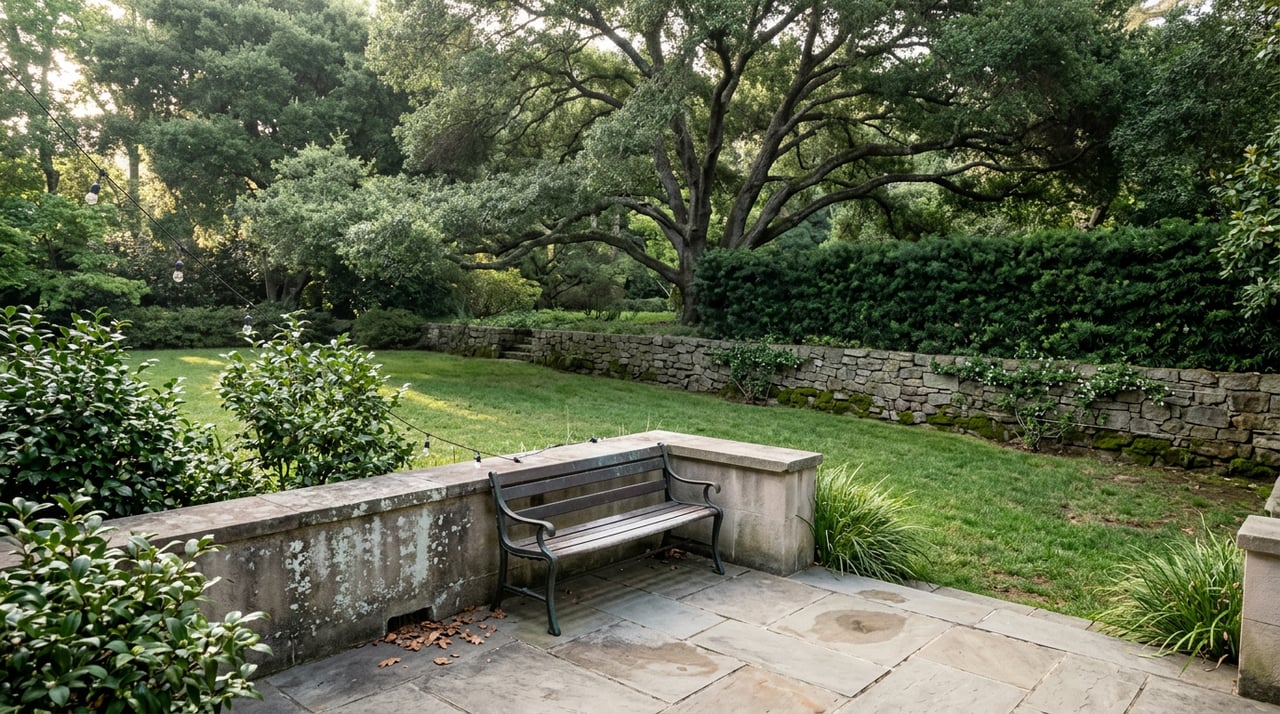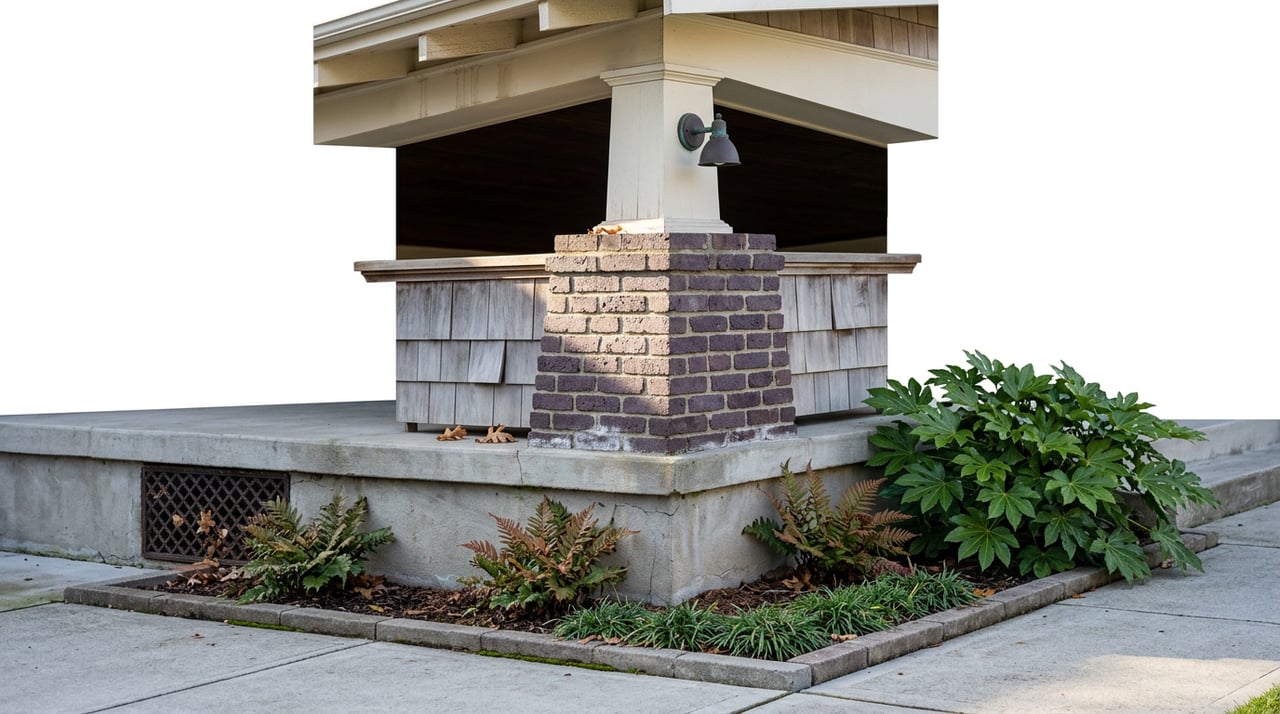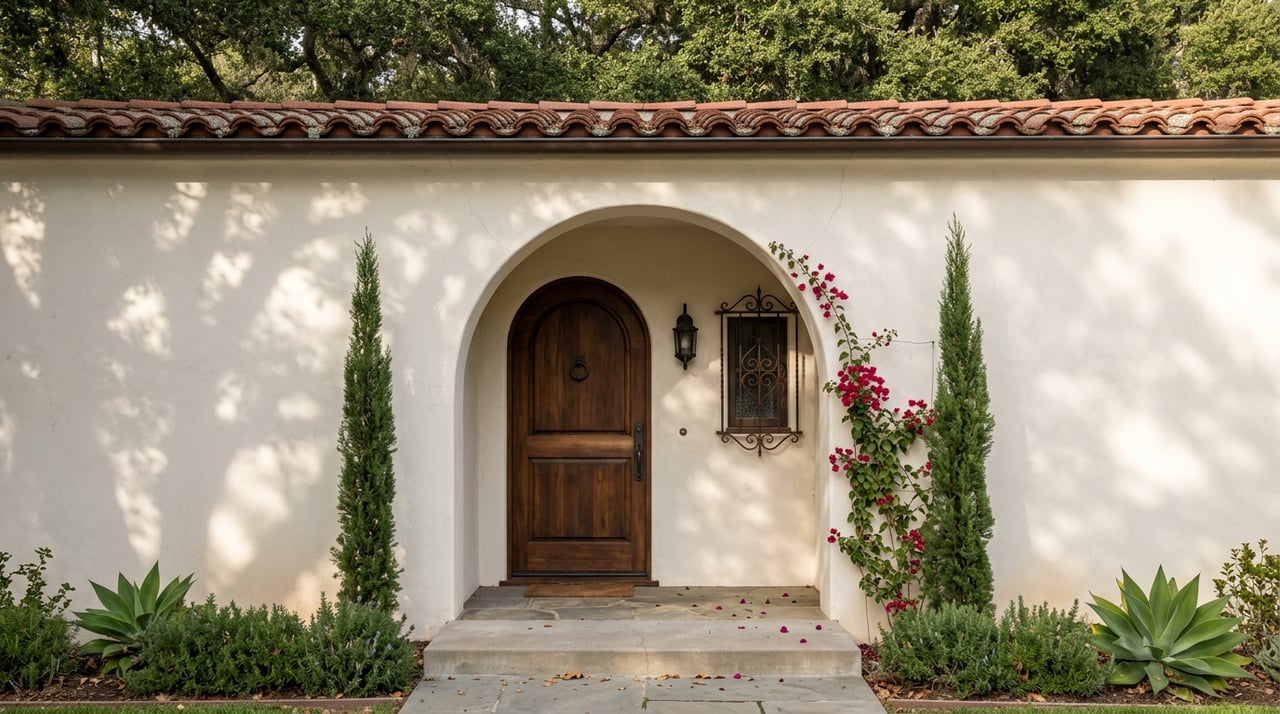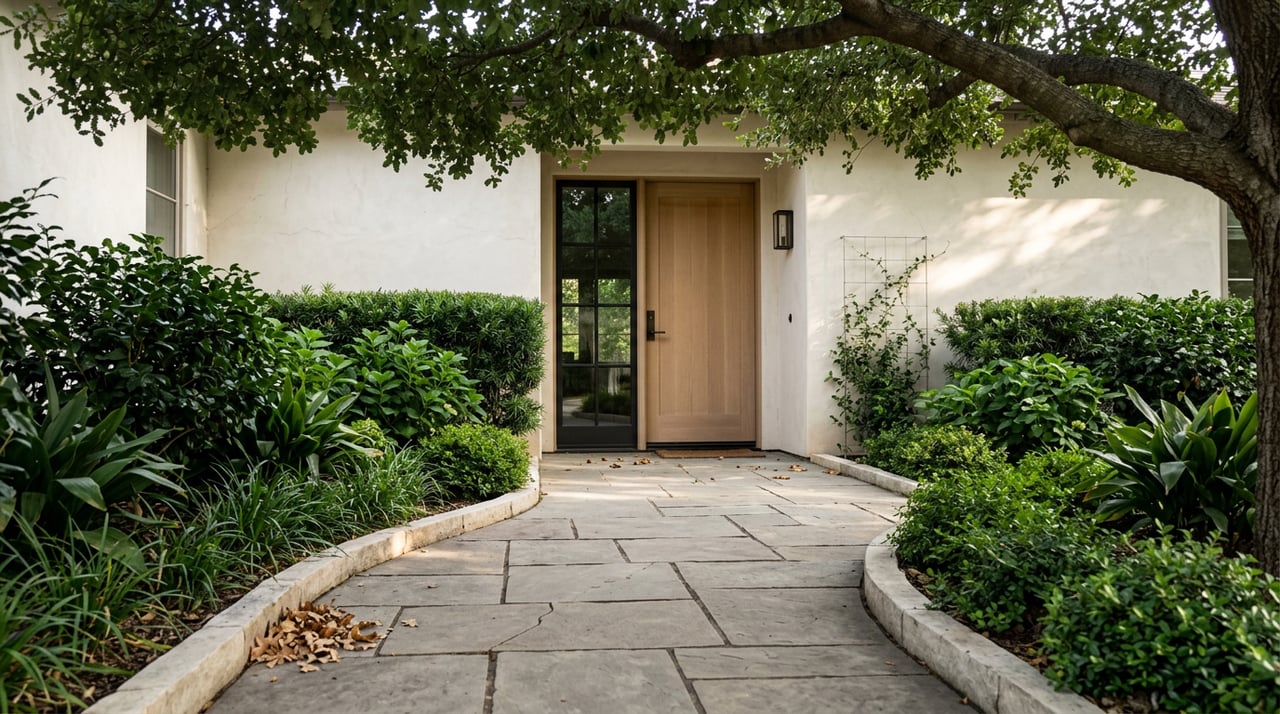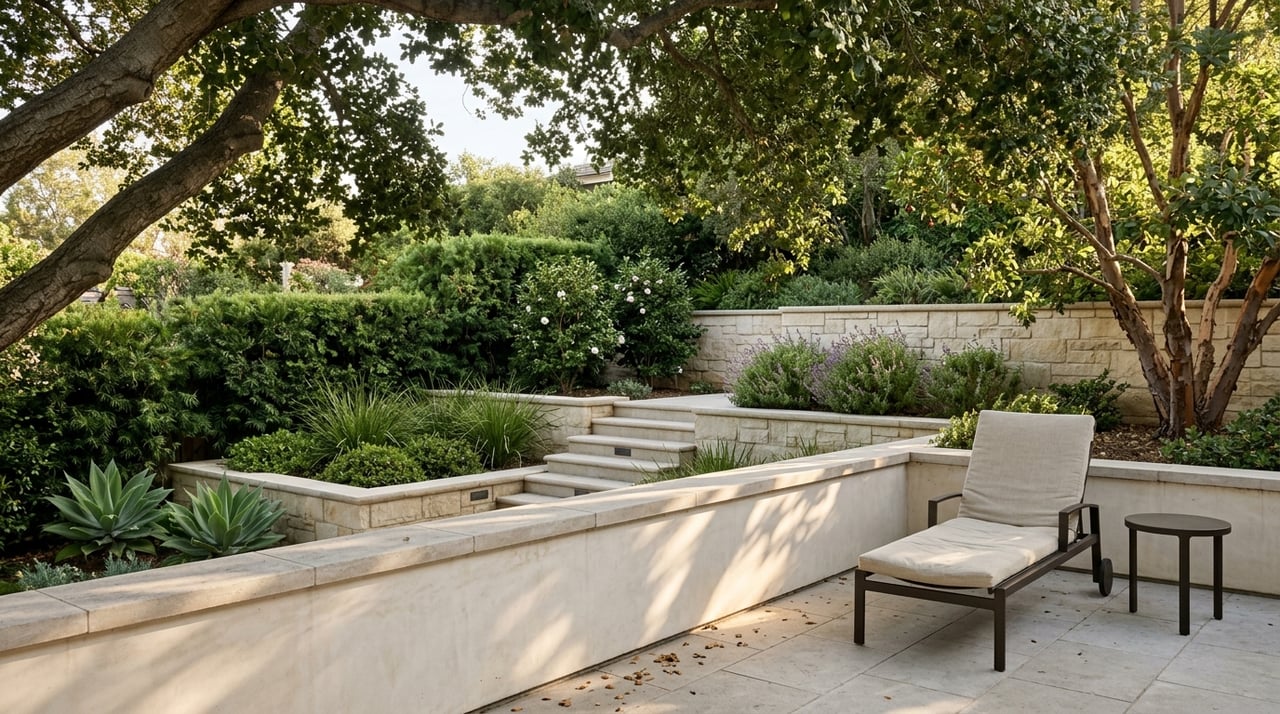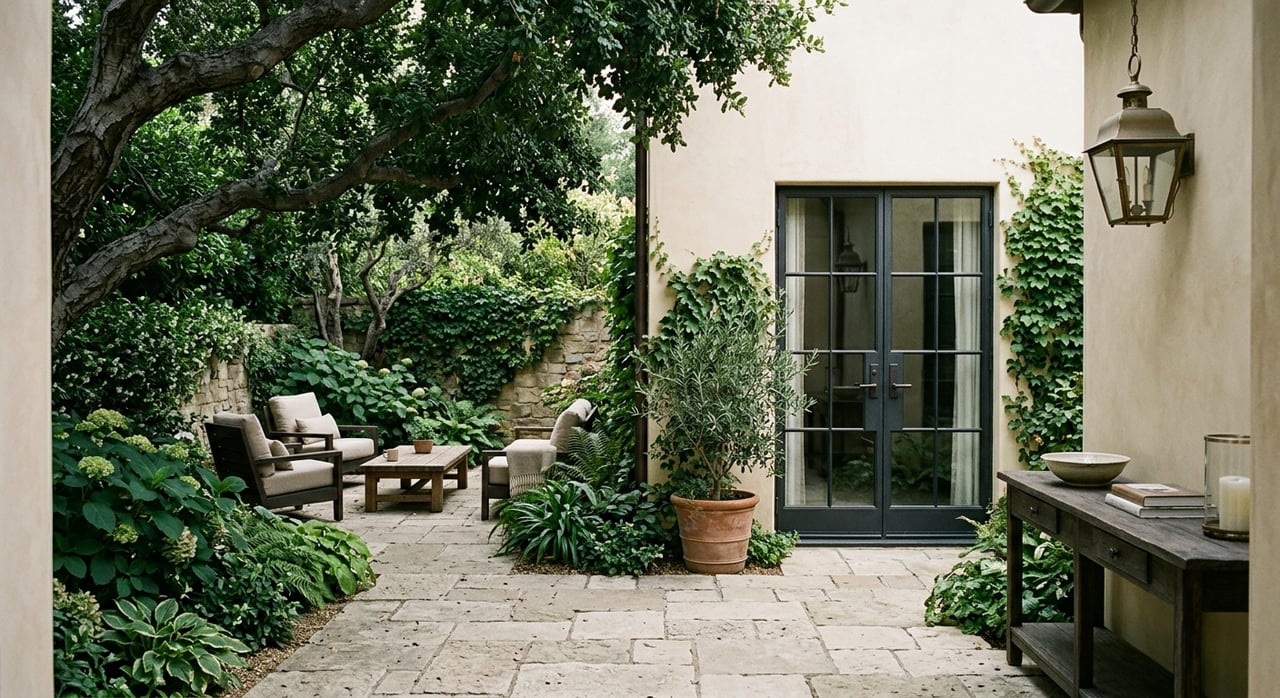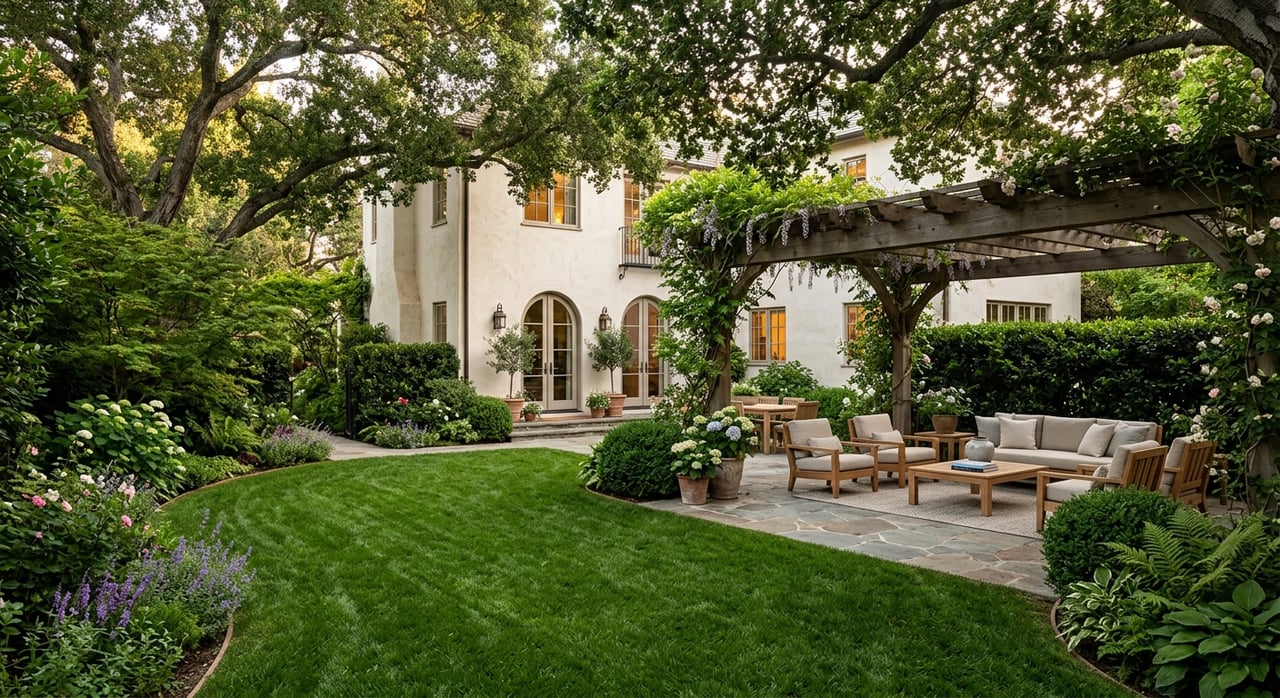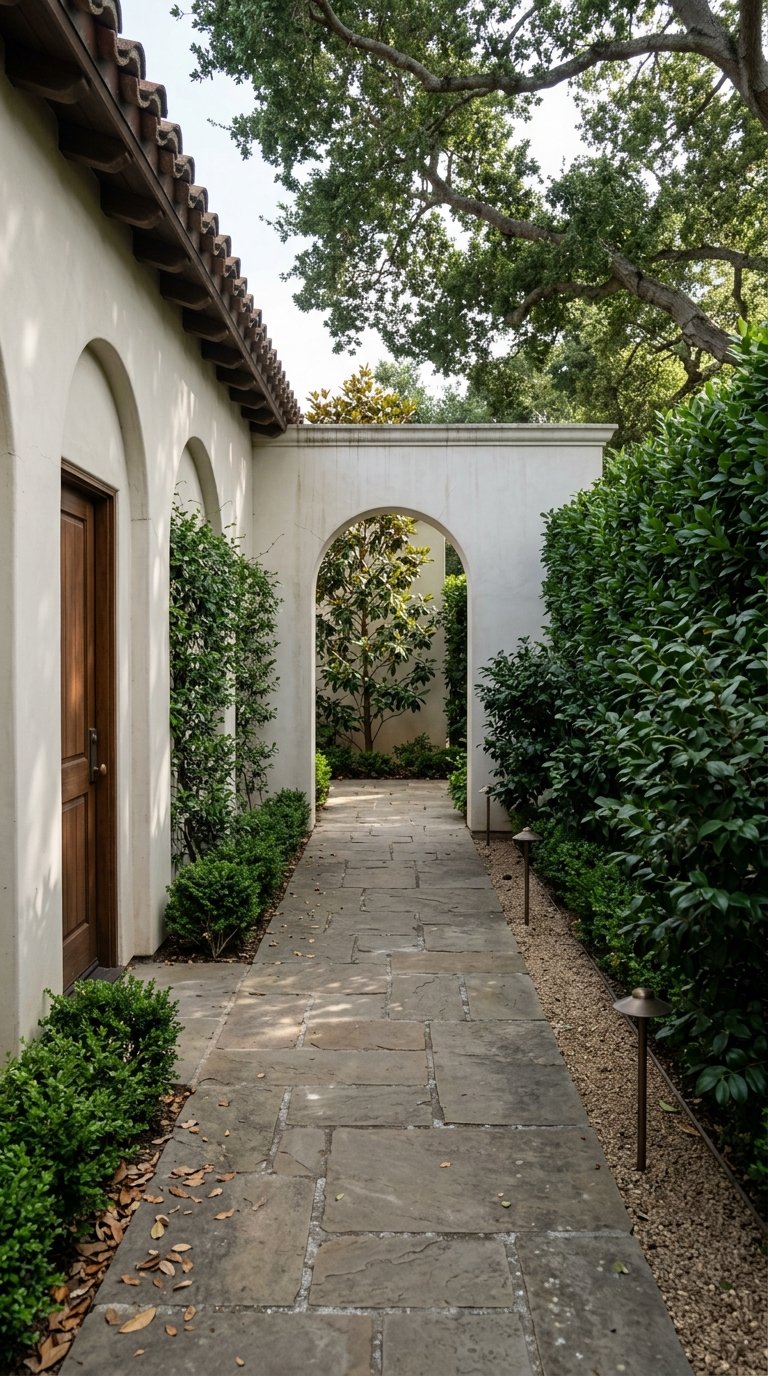
If you are selling a San Marino estate, the goal is rarely just to put a property on the market. In a city defined by long ownership, limited turnover, and architecturally important homes, your decisions can affect value, privacy, and the story a property carries forward. This guide will help you think through pricing, preparation, and marketing with a legacy-first mindset so you can move ahead with more clarity and confidence. Let’s dive in.
Why legacy matters in San Marino
San Marino is a small, high-value market with unusually strong owner occupancy and low turnover. The U.S. Census Bureau reports that the city spans 3.77 square miles, with an owner-occupied housing rate of 82.8% and 85.8% of residents living in the same home one year earlier. That kind of stability shapes how buyers and sellers view a property.
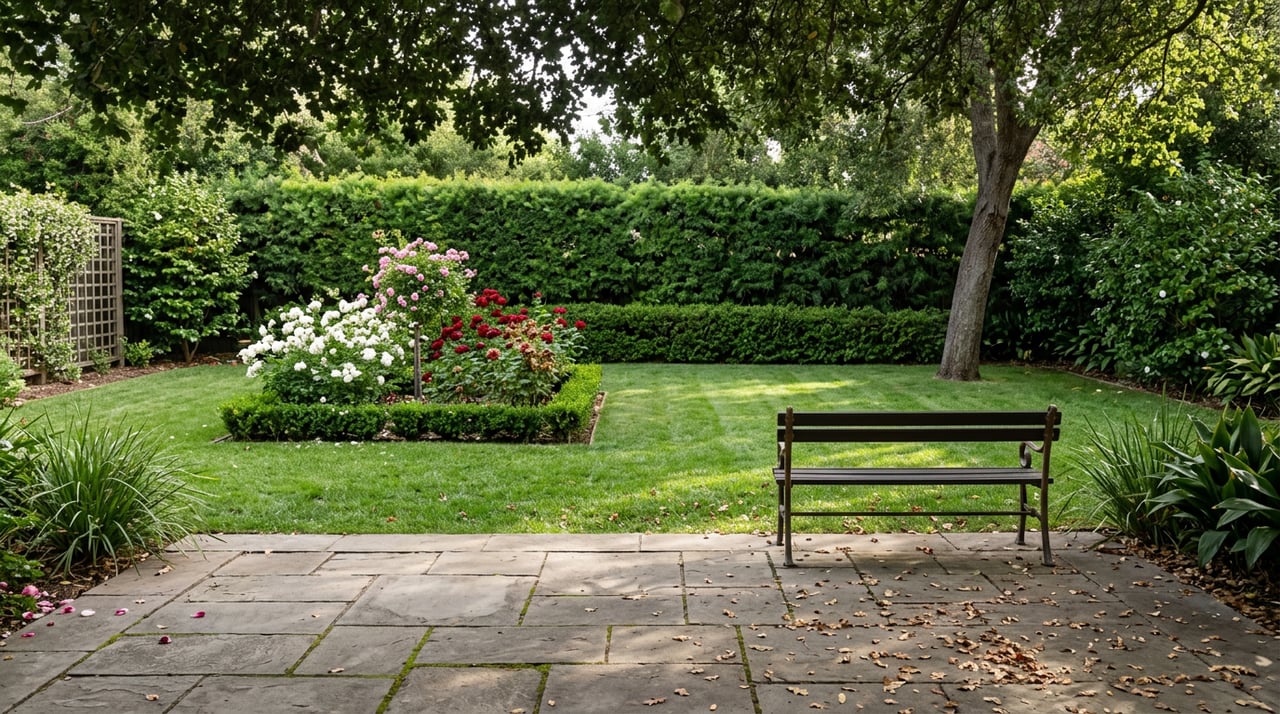
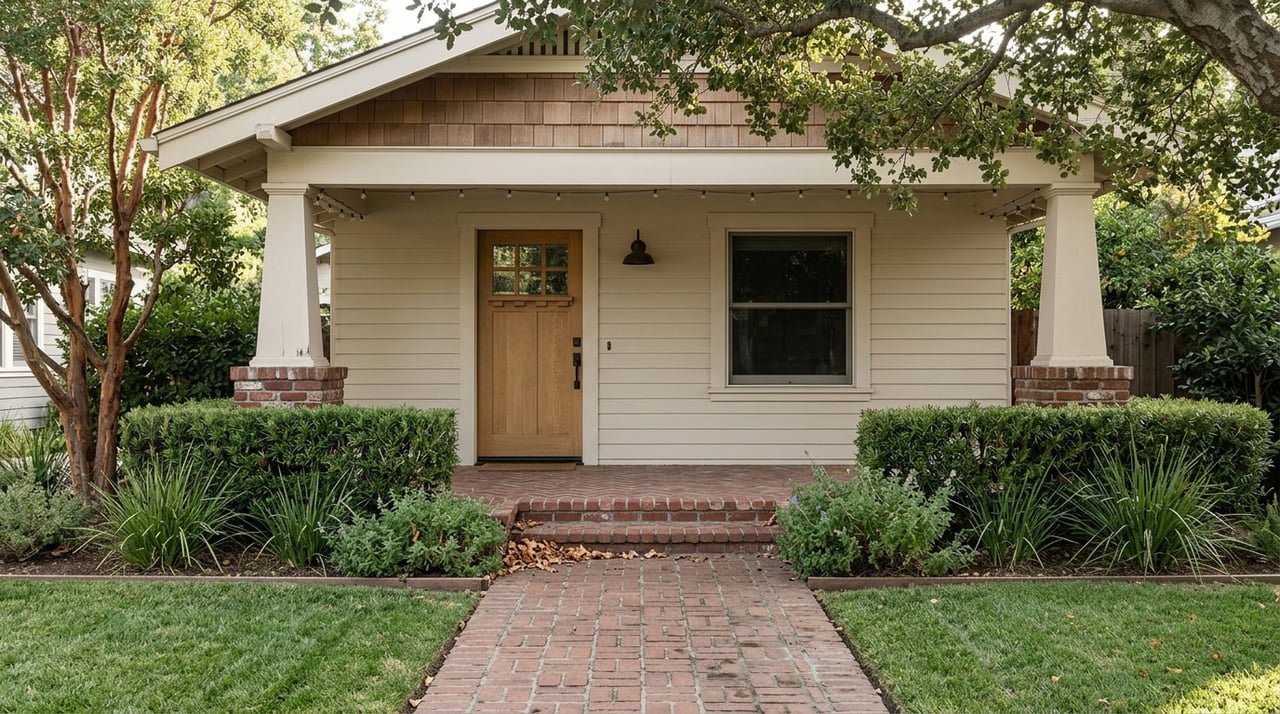
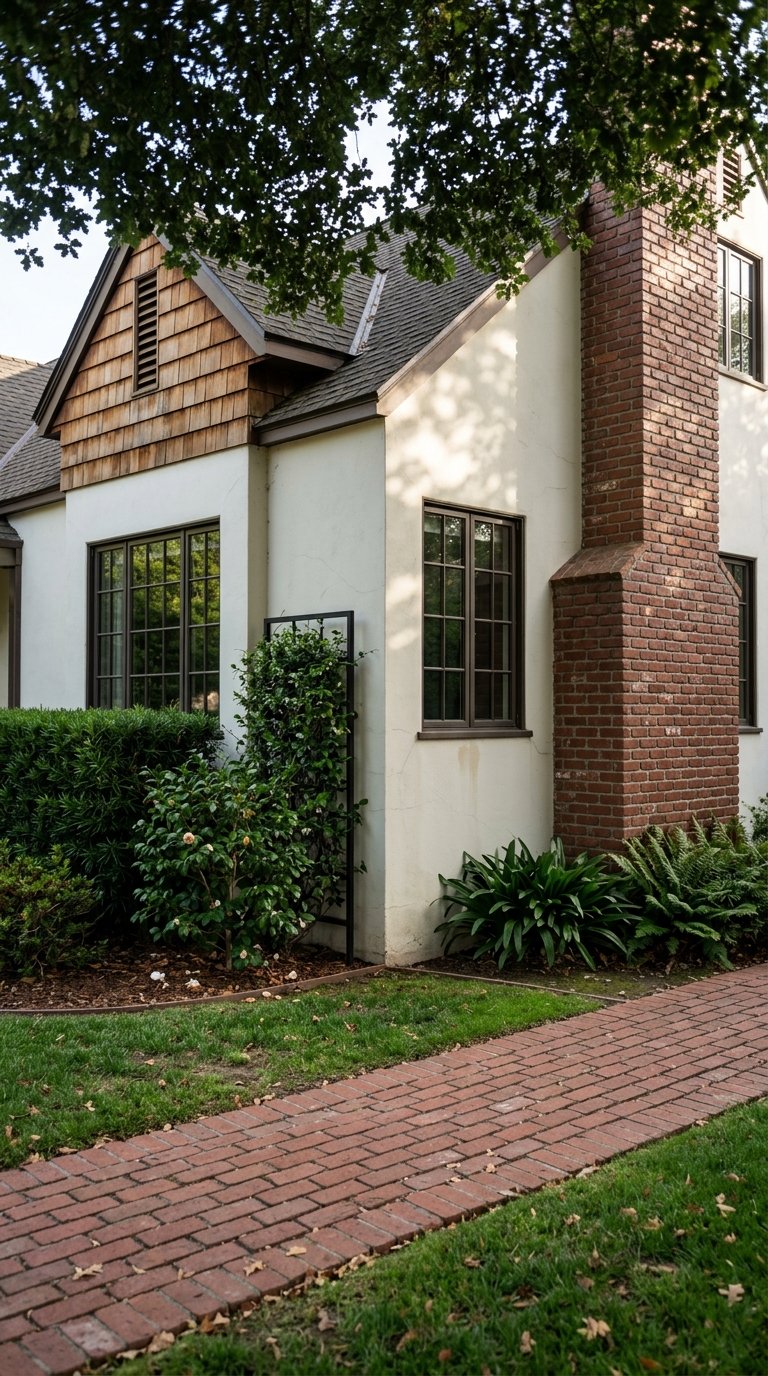
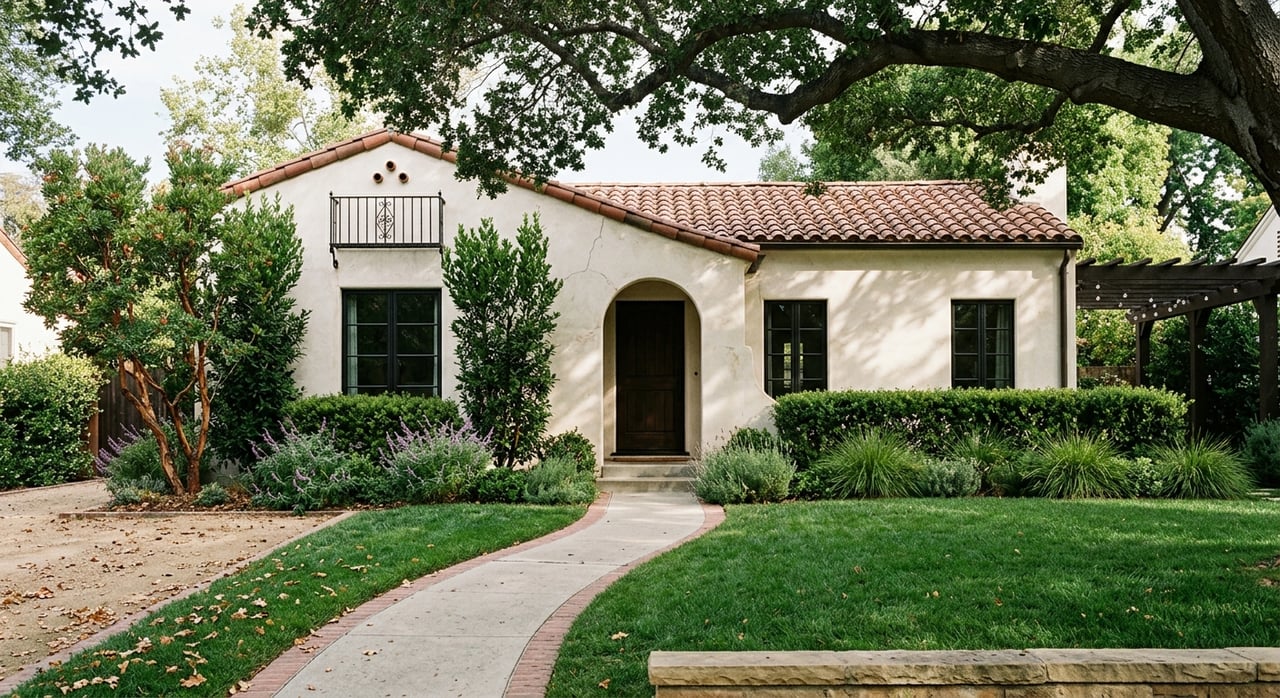
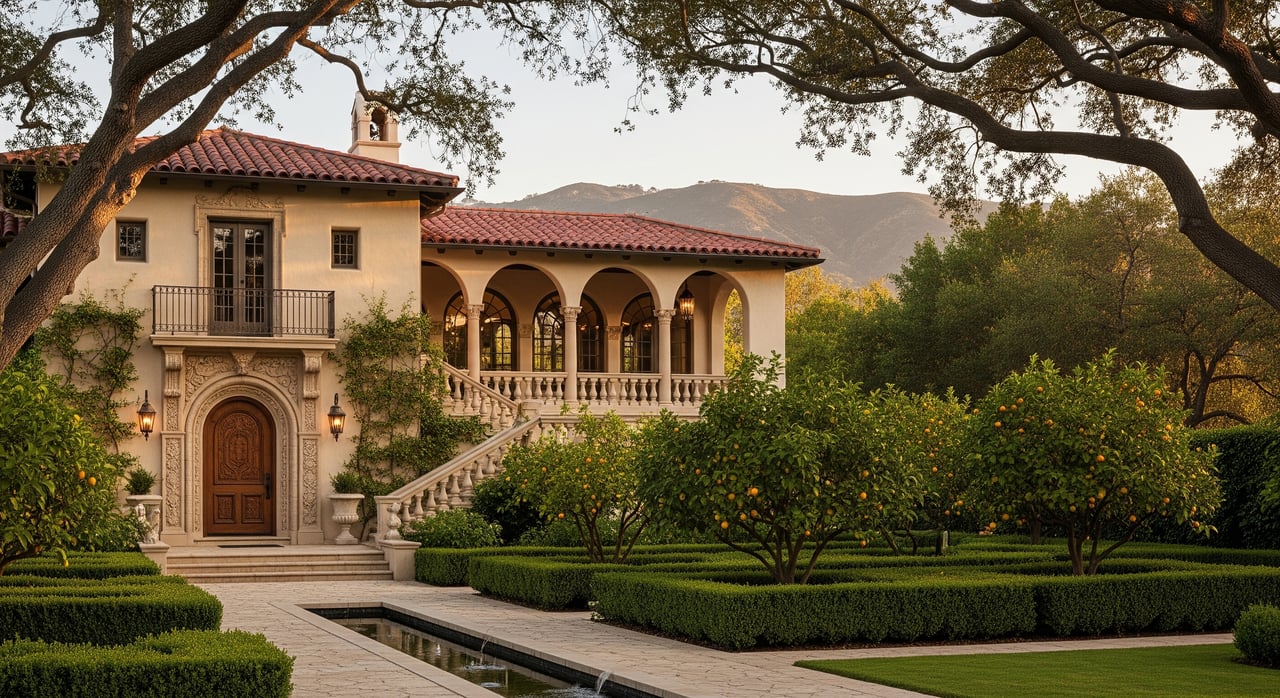
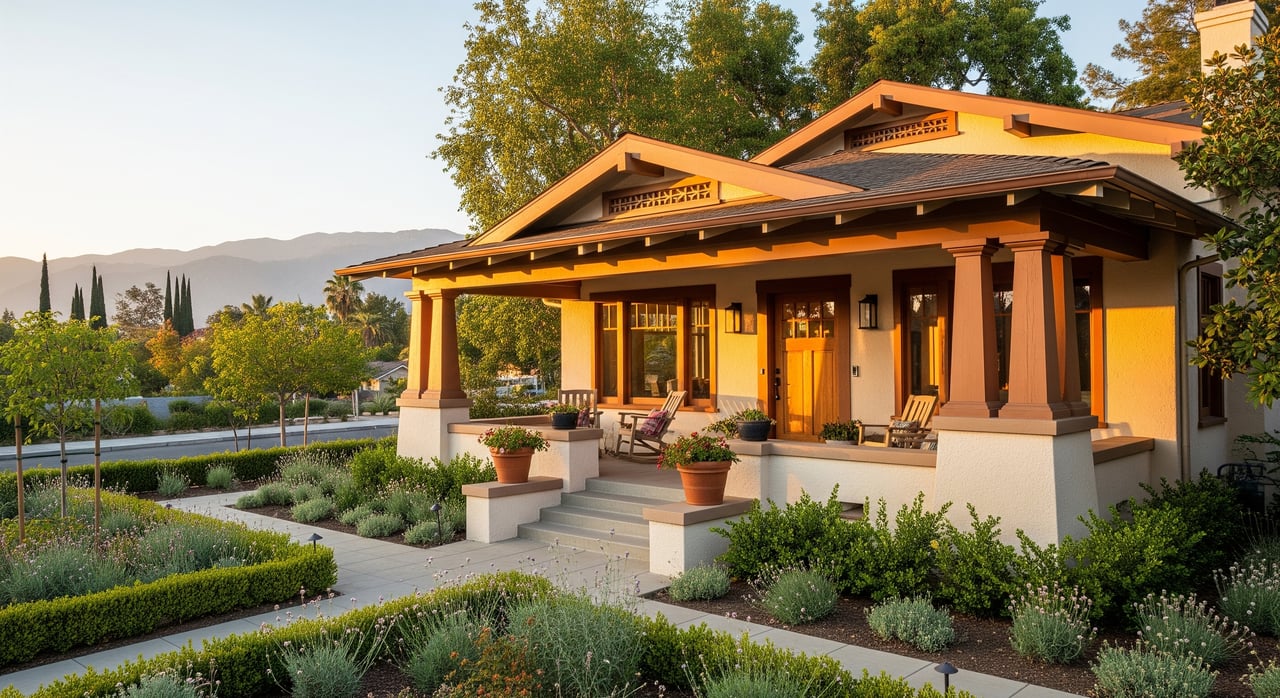
In practical terms, many San Marino homes are not treated as interchangeable inventory. The city’s planning documents describe San Marino as essentially built out, with future change expected to happen within existing neighborhoods rather than through major new development. That means lot size, mature landscaping, architectural character, and continuity with the surrounding streetscape can play a major role in how an estate is perceived.
For many sellers, legacy also includes how the home has been cared for over time. A well-preserved residence with thoughtful updates, strong documentation, and a clear architectural identity often stands apart in a market where presentation and provenance matter.
Start with legal authority
Before you think about photos, staging, or timing, confirm who has the authority to sell. If the property is held in a trust or estate, that question should be resolved first.
California Courts explains that if a property must go through probate, a judge appoints a personal representative. Formal probate can also involve court filing fees, newspaper notice, and probate-referee appraisal costs. If you are a trustee, executor, or family member, having the right paperwork in place early helps prevent delays later.
This step also helps families avoid unnecessary friction. When expectations are set clearly from the start, it becomes much easier to make decisions about repairs, pricing, disclosures, and timing.
Separate the house from the household contents
Estate sales often involve more than the real property itself. Furniture, antiques, art, archives, and personal collections can carry emotional and financial weight, especially in long-held homes.
Before listing, it helps to separate what conveys with the home from what does not. This creates a cleaner process for heirs, reduces confusion during showings, and makes it easier to present the property as a residence rather than a storage problem.
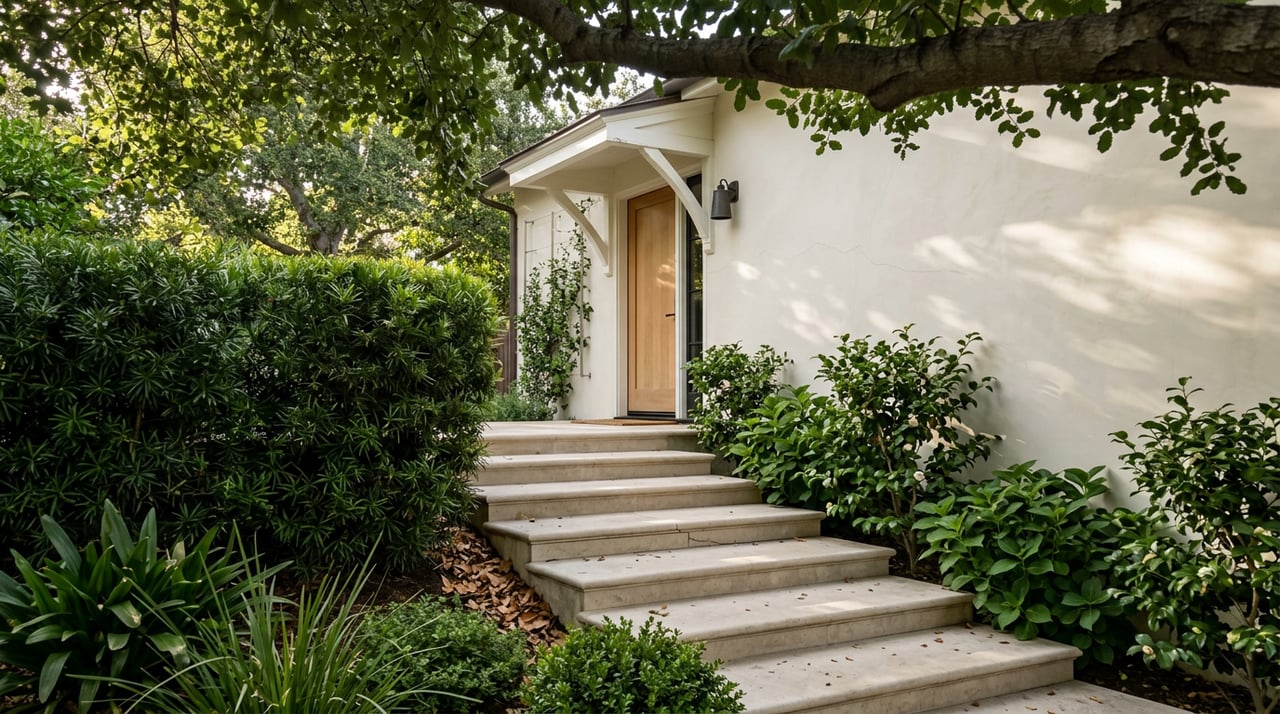
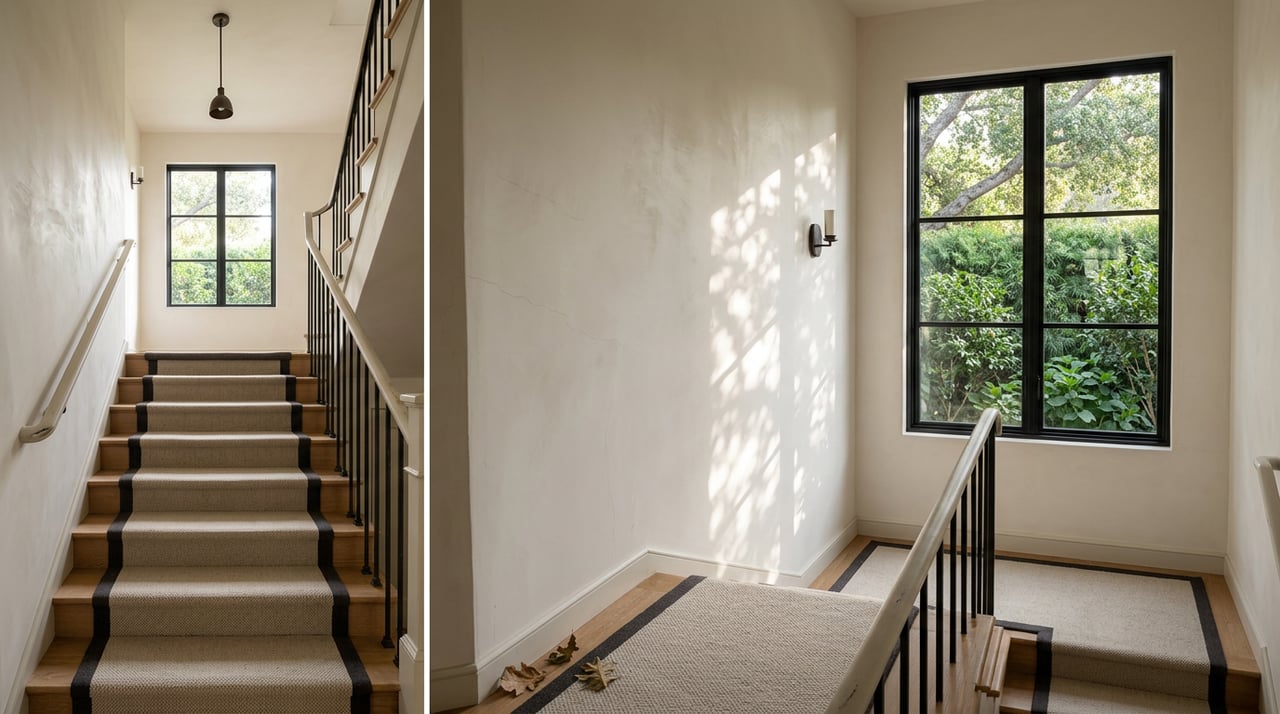
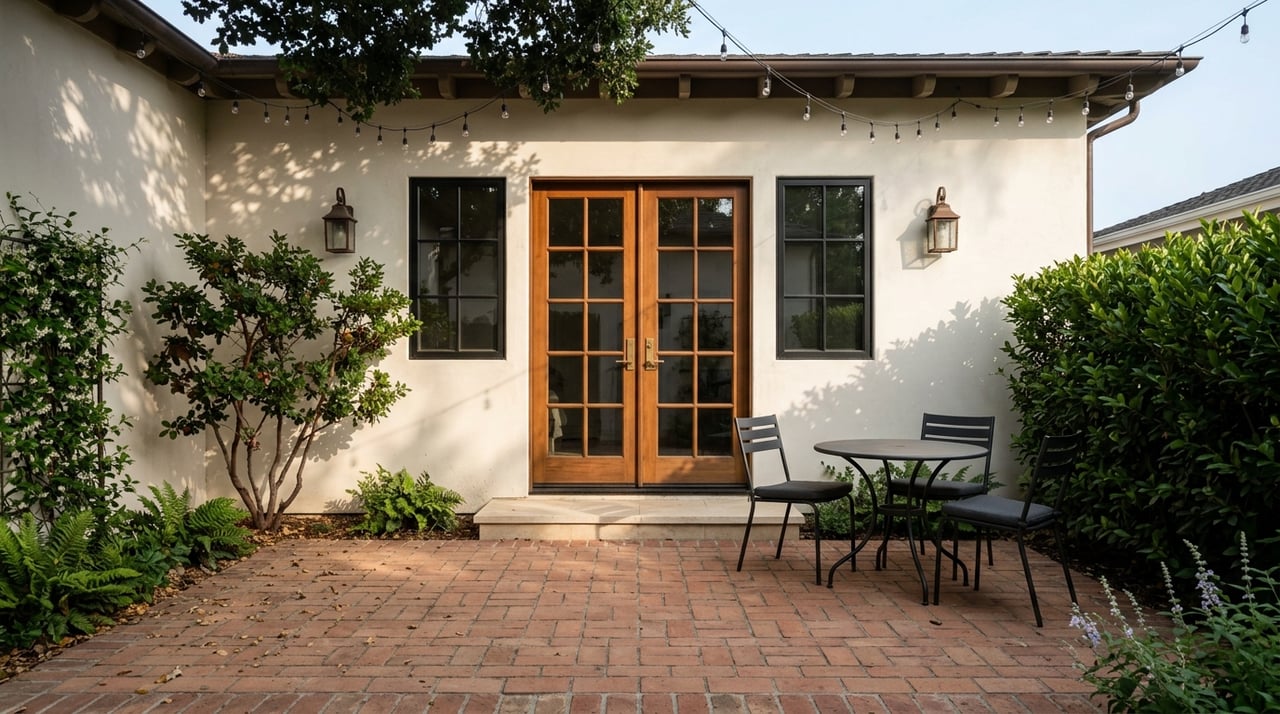
For architecturally significant homes, this step also protects the home’s story. Original light fixtures, built-ins, garden elements, plans, and period details may contribute to how buyers understand the property’s history and value.
Review preservation and design issues early
In San Marino, design context matters. The city’s design-review guide states that the process is intended to protect neighborhoods and the city’s unique character, with attention to placement, size, materials, colors, landscaping, and compatibility with surrounding development.
Even if you are selling rather than building, those local standards can shape buyer interest and future potential. A buyer considering additions, exterior changes, or restoration work may look closely at whether a property has features that are sensitive to preservation review or neighborhood compatibility expectations.
Historic status can be especially important. The Los Angeles Conservancy notes that San Marino adopted a historic preservation ordinance in 2018 that allows local landmark designation and preservation design review for designated structures. If your estate has architectural pedigree, documented history, or recognized significance, it is wise to identify that upfront rather than treat it as an afterthought.
Understand the property’s site potential
Not every San Marino lot offers the same opportunities. The city code for the R-1 single-family zone generally allows one single-family dwelling per lot unless an accessory dwelling unit permit is approved. The city’s housing element also states that ADUs and JADUs on single-family lots are reviewed ministerially and can be approved within 60 days when standards are met.
That does not mean every estate has the same expansion or secondary-unit potential. The housing element notes that San Marino’s R-1 zoning districts range from 60,000-square-foot lot requirements down to 9,000 square feet per unit, so parcel-by-parcel differences can be substantial.
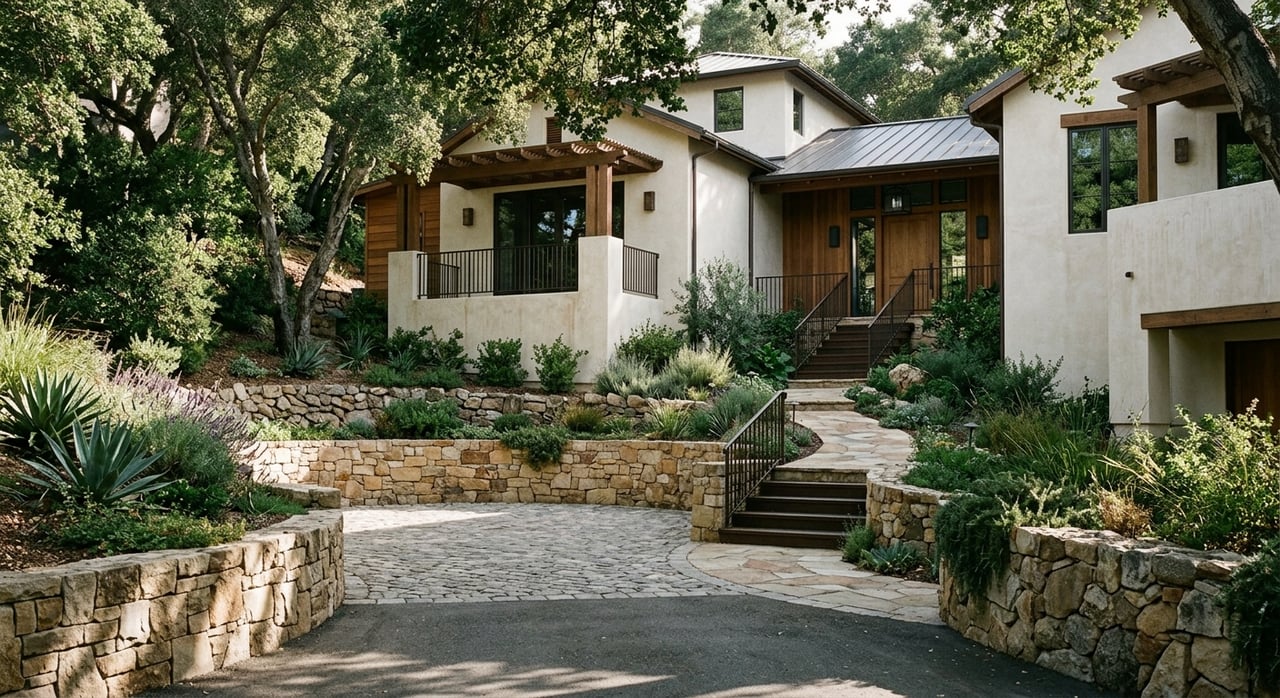
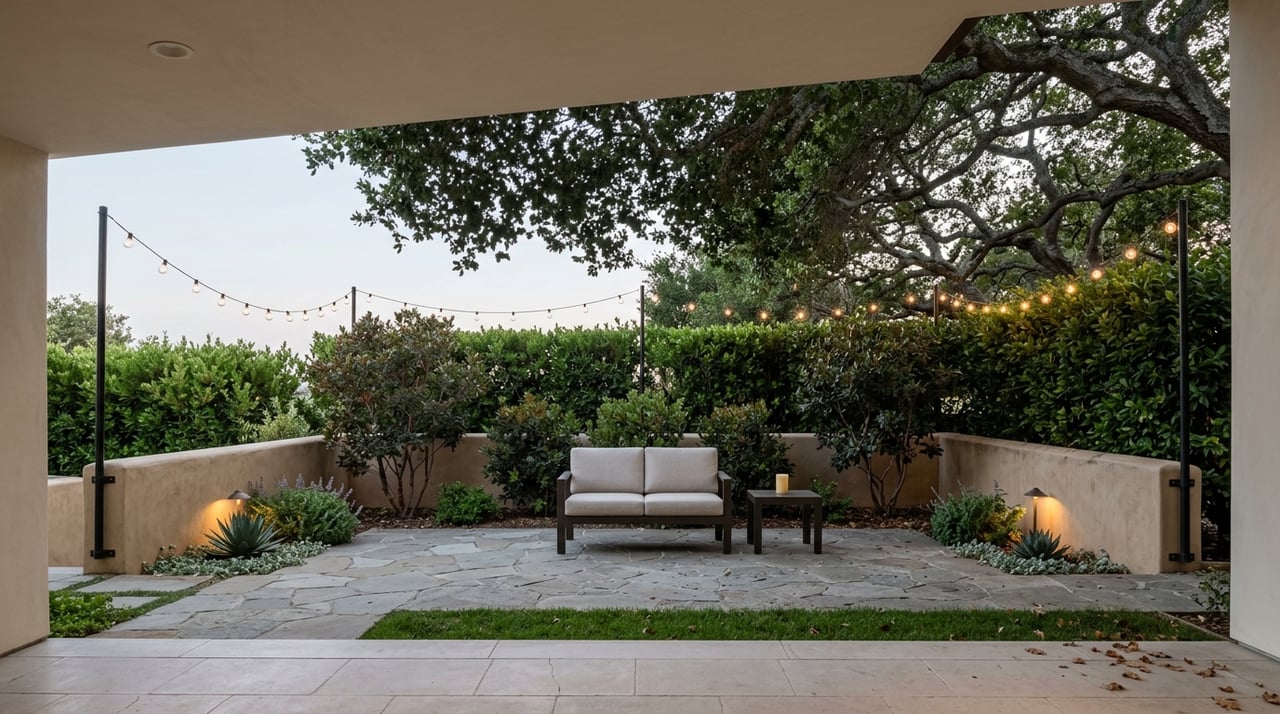
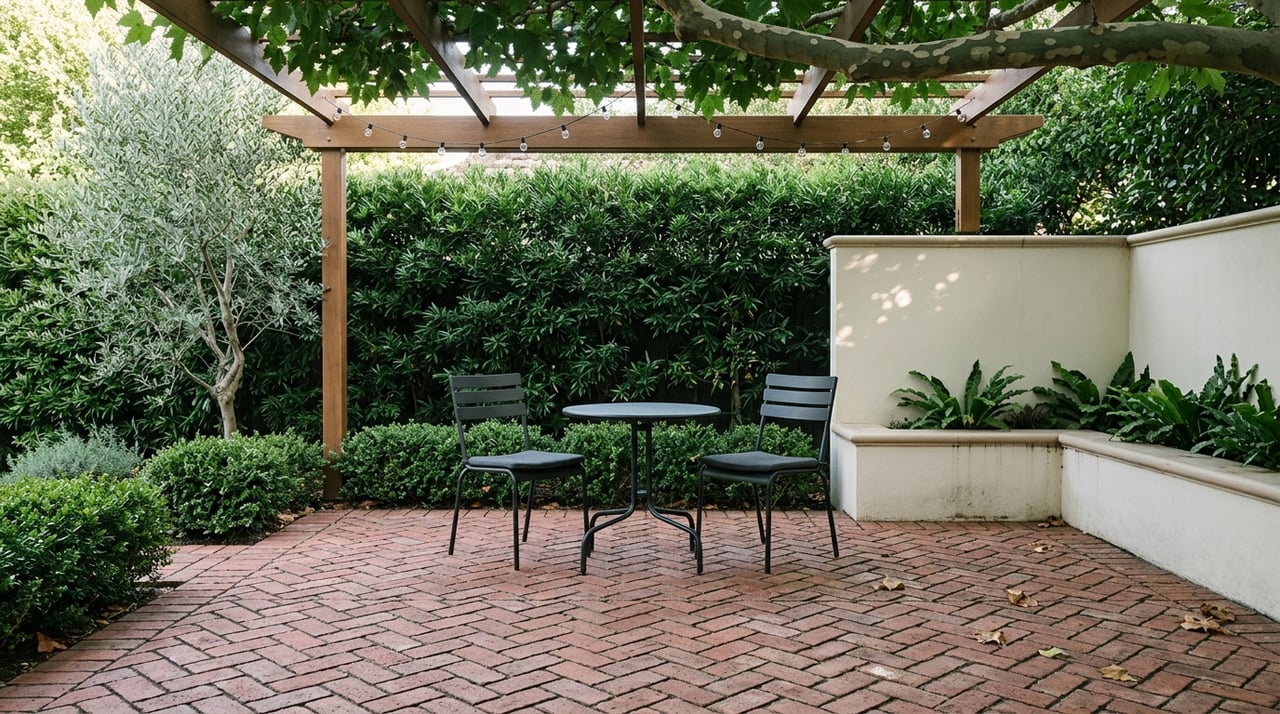
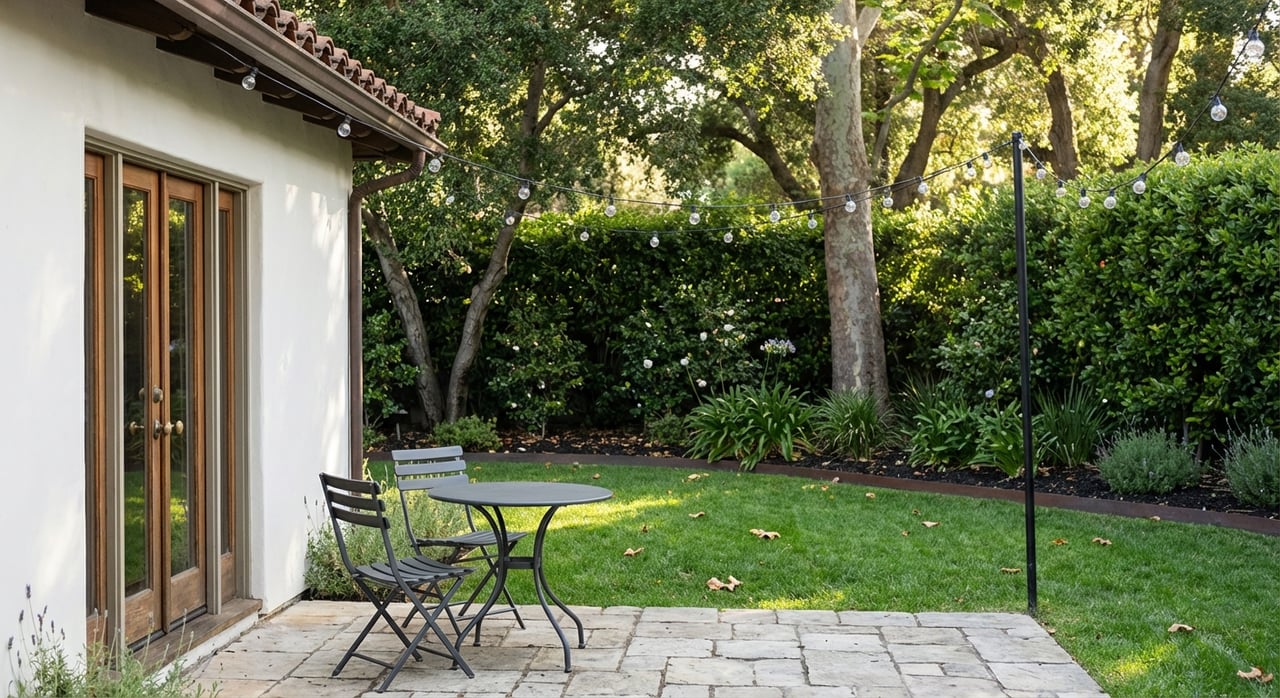
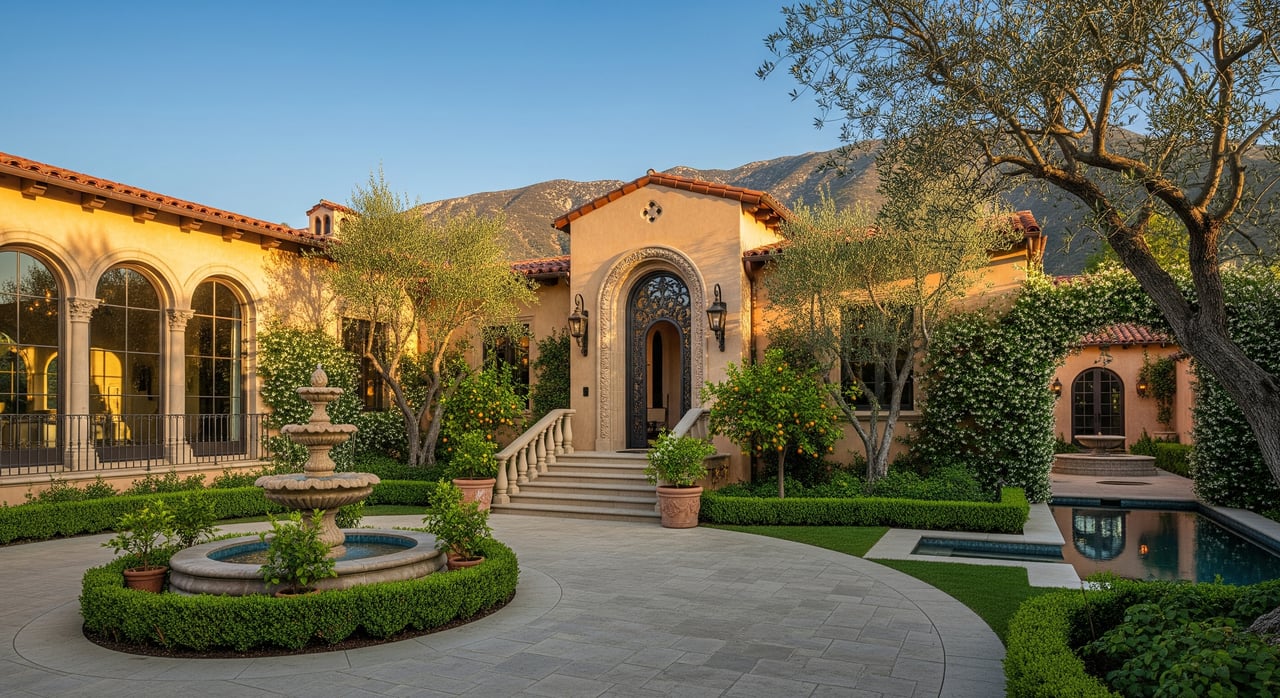
For sellers, this matters because buyers may value more than the main house. Lot configuration, usable outdoor space, privacy, and any permitted secondary-unit potential can influence the final price, especially in a city where land is scarce and future change is limited.
Price by micro-market, not city average
San Marino commands premium pricing, but broad averages only tell part of the story. Redfin reported a March 2026 median sale price of $3.25 million, median days on market of 23, and a sale-to-list ratio of 106.5%, with 70% of homes selling above list price. Zillow’s April 30, 2026 data showed a typical home value of $2.85 million, 29 homes for sale, and a median list price of $3,548,333.
Those numbers point to a high-priced, low-inventory market, but an estate should not be priced by citywide headline alone. Zillow data in San Marino shows neighborhood value ranges from about $1.28 million in South East to $5.48 million in Lacy Estates. That spread shows how quickly values can shift depending on location and property profile.
For an estate-level sale, the right comp set should reflect more than bedroom count and square footage. Street presence, lot quality, architectural pedigree, orientation, garden setting, and preservation level often matter just as much.
Presentation should protect provenance
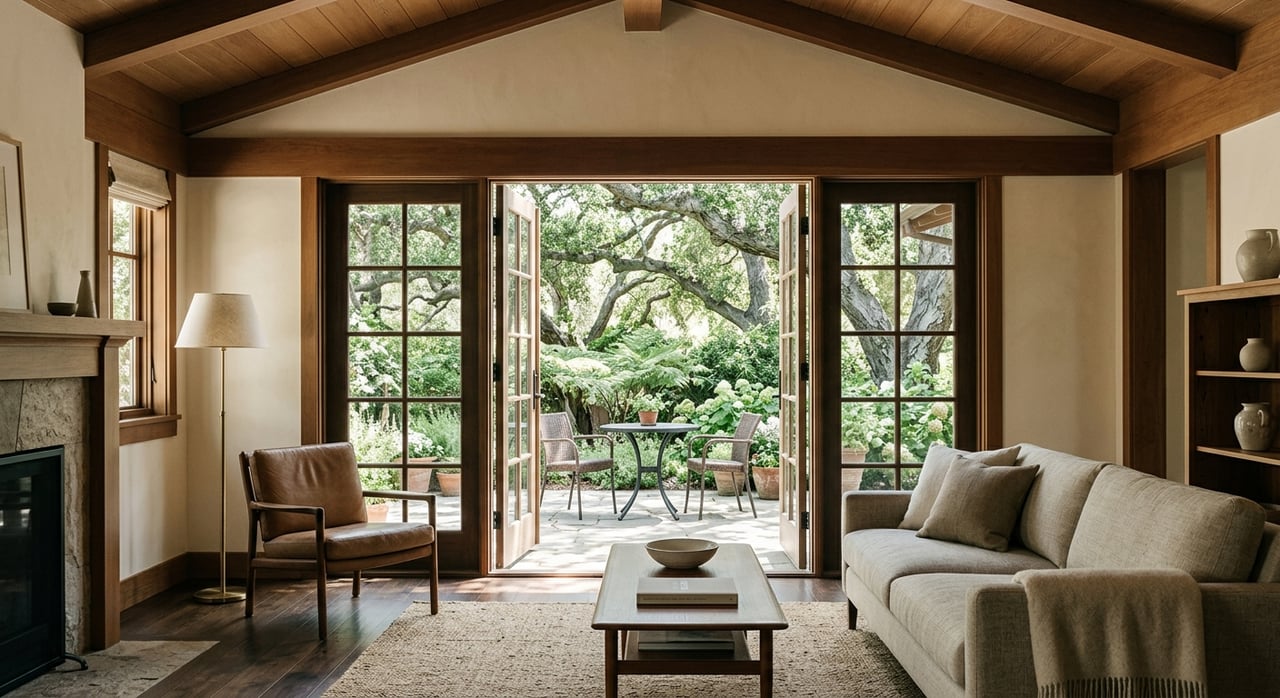
In a market like San Marino, presentation is not just cosmetic. It is interpretive. Buyers at this level often respond best when they can understand what is original, what has been updated, and what makes the home distinct.
For notable properties, the strongest marketing materials are often documentary in nature. Original plans or permits, architect attribution, historic photographs, landscape history, and a concise record of preserved versus updated elements can create confidence and deepen buyer interest.
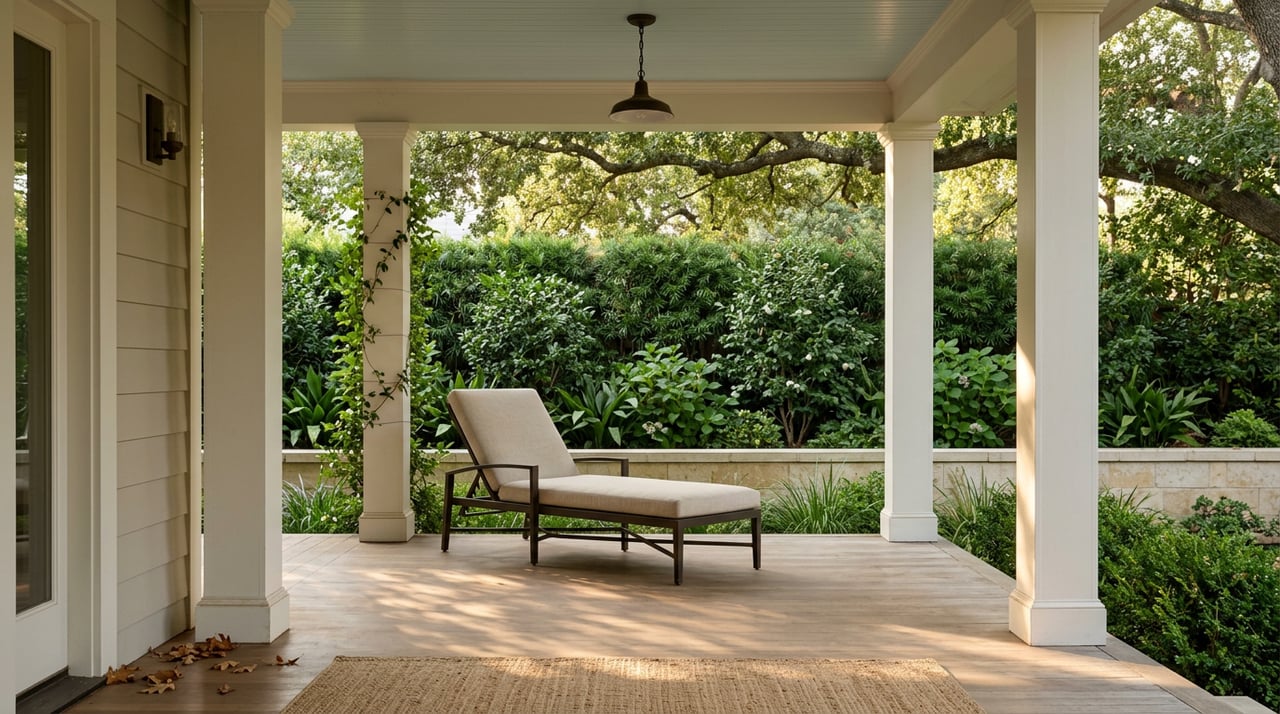
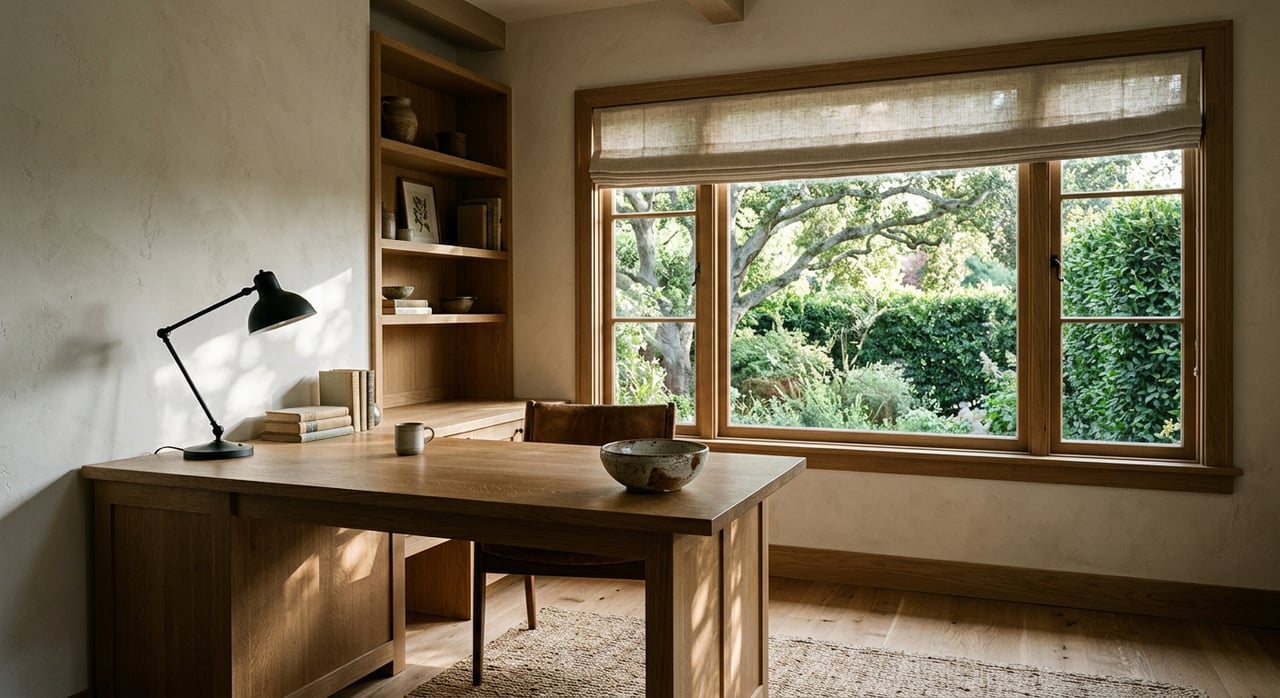
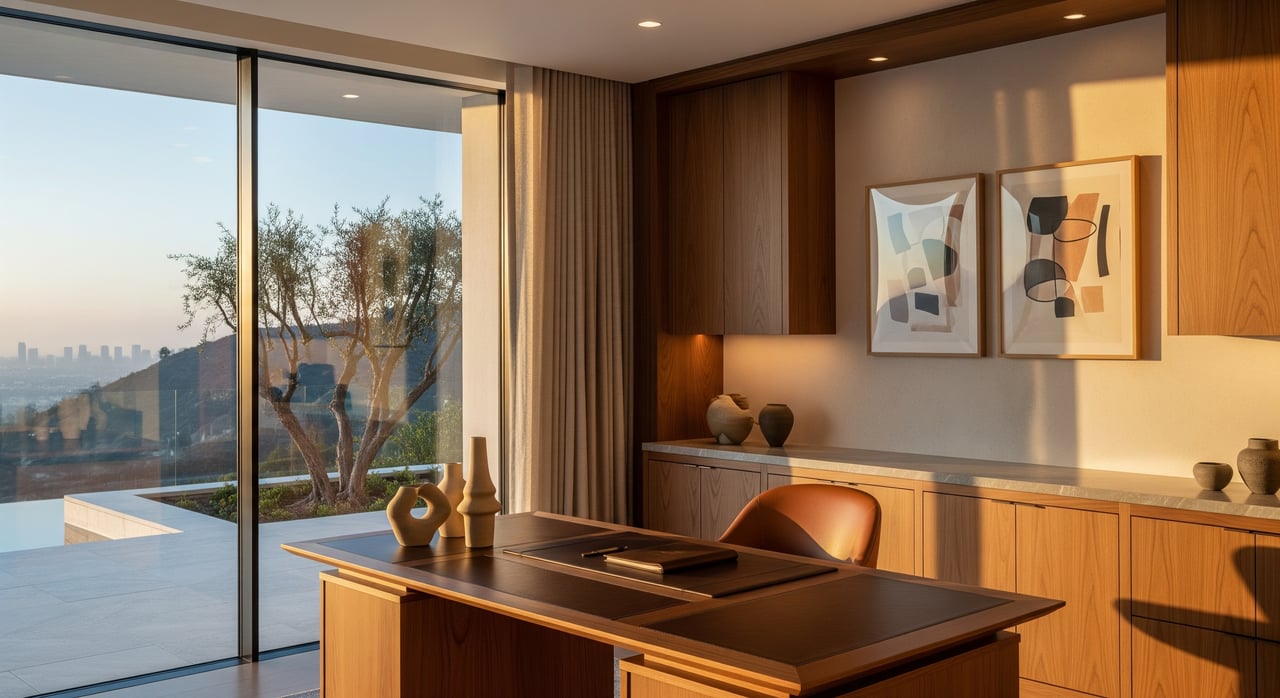
This is where a curator-led approach can be especially valuable. Thoughtful staging, restrained styling, and strong photography should support the architecture rather than compete with it. The goal is to help buyers see the home’s substance, not overwhelm them with noise.
Protect privacy during marketing
Privacy is often part of legacy too. San Marino’s design-review guide emphasizes privacy, neighbor communication, and sensitivity to surrounding properties. That local culture supports a measured approach to showings and promotion.
For estate-level sellers, that can mean carefully scheduled appointments, qualified-buyer screening, and marketing that creates interest without feeling intrusive. The right strategy balances discretion with momentum.
This matters even more when multiple family members are involved. A calm, orderly rollout can reduce stress, protect the household, and keep the process focused on serious buyers.
Build family consensus before negotiations begin
Many estate sales become harder not because of the market, but because decision-makers are not aligned. If several heirs or trustees are involved, it helps to agree early on pricing philosophy, timing, privacy expectations, and how offers will be reviewed.
That internal clarity can improve negotiation outcomes. Buyers tend to respond well when the process feels organized, timelines are realistic, and the seller side communicates consistently.
The safest sequence is often straightforward:
- Confirm authority to sell
- Separate personal property from real property
- Identify preservation or code-sensitive features
- Decide on the right level of privacy
- Finalize pricing and launch strategy
That order fits the realities of California probate rules, San Marino’s design-review culture, and local property-tax considerations.
Know when Proposition 19 may matter
For some San Marino sellers, a legacy-minded sale also involves tax planning around the next move or a family transfer. Los Angeles County states that eligible homeowners age 55 or older may sell a home, buy a replacement home anywhere in California, and transfer the original home’s tax base within two years of the sale. The California Board of Equalization also explains that eligible homeowners may transfer their base-year value up to three times, and that Proposition 19 is not retroactive.
Los Angeles County also notes that parent-child transfers after February 16, 2021 have new residency and filing conditions. If this issue is relevant to your sale, it is important to account for those rules early in the planning process.
While tax and legal guidance should come from the appropriate professionals, understanding that these rules may affect timing and family decisions can help you shape a smarter sale strategy from the start.
What a strong San Marino sale looks like
A successful estate sale in San Marino is rarely about speed alone. It is about matching the property to the right buyer, presenting it with care, and protecting the qualities that make it meaningful.
That usually requires a blend of valuation discipline, architectural sensitivity, and steady execution. In a market shaped by long-held ownership and a strong sense of place, sellers are often best served by a process that respects both the numbers and the narrative.
If you are preparing to sell a San Marino estate and want a discreet, design-minded strategy that honors the home’s character while positioning it for today’s market, Chelby Crawford can help you plan the next step with clarity and care.
FAQs
What makes selling a San Marino estate different from a typical home sale?
- San Marino is a small, built-out, high-value market with low turnover, so pricing, architectural character, lot quality, privacy, and provenance often carry unusual weight.
What should a trustee or heir do first before listing a San Marino estate?
- Confirm who has legal authority to sell, determine whether probate is required, and organize the documents needed before making pricing or marketing decisions.
How should a San Marino estate be priced?
- It should be priced using the right micro-market and comp set, with attention to lot size, street presence, architectural pedigree, outdoor space, and neighborhood-level value differences.
Do historic or preservation issues matter when selling a San Marino property?
- Yes. San Marino has a historic preservation framework and design-review culture, so architectural significance, landmark status, and preserved features can affect buyer interest and future plans.
Can ADU potential affect a San Marino estate’s value?
- In some cases, yes. San Marino allows ADUs and JADUs on single-family lots when standards are met, but site potential varies based on zoning and parcel characteristics.
What does Proposition 19 mean for San Marino home sellers?
- Eligible homeowners age 55 or older may be able to transfer their tax base to a replacement home in California within two years of the sale, and parent-child transfer rules now have added residency and filing conditions.