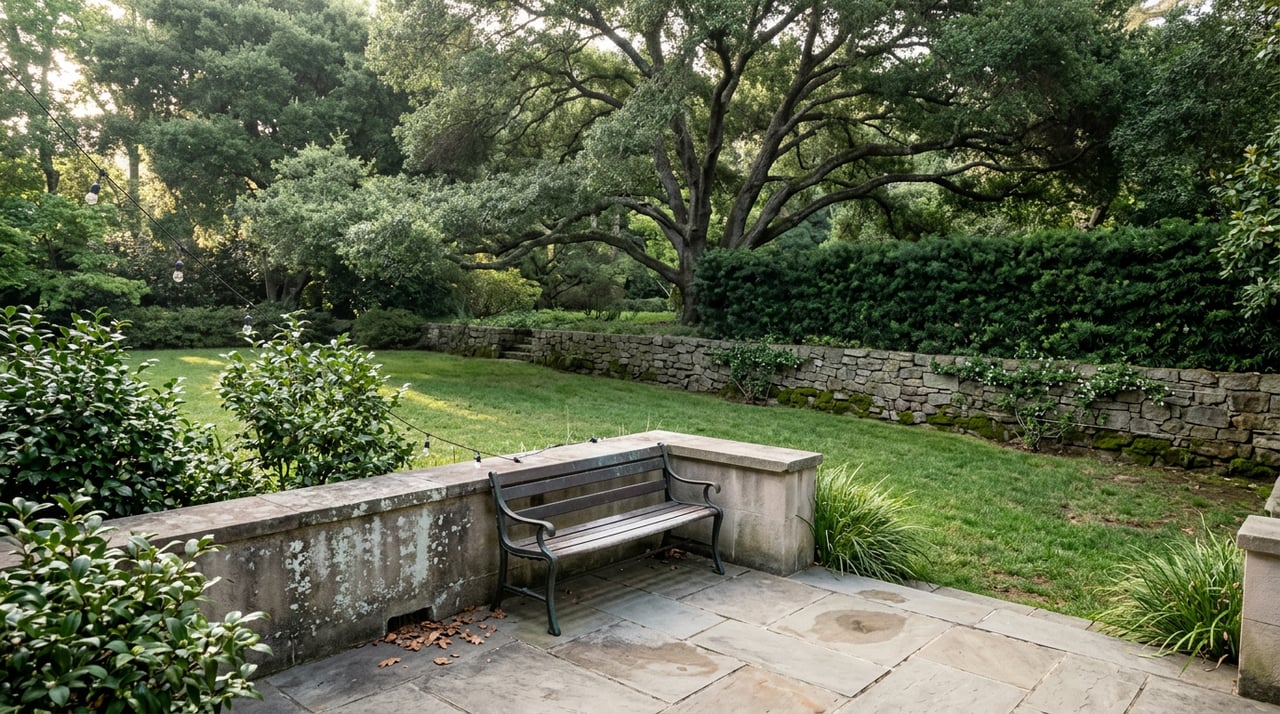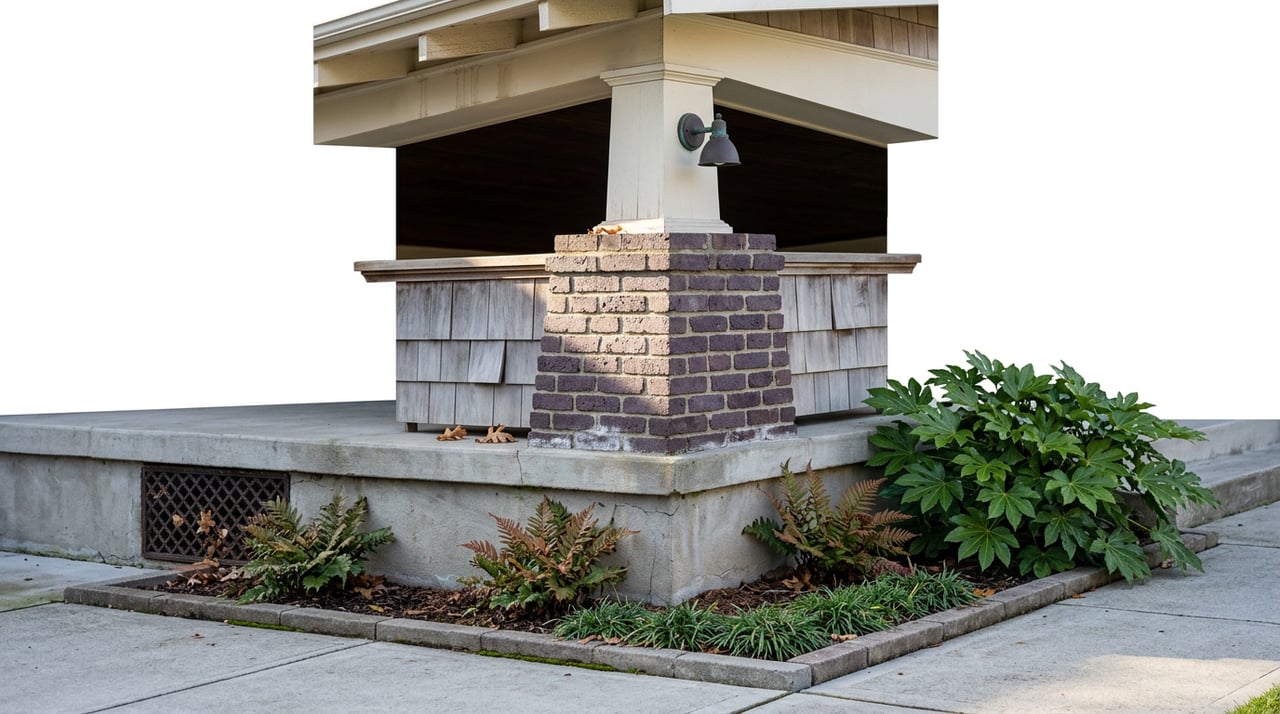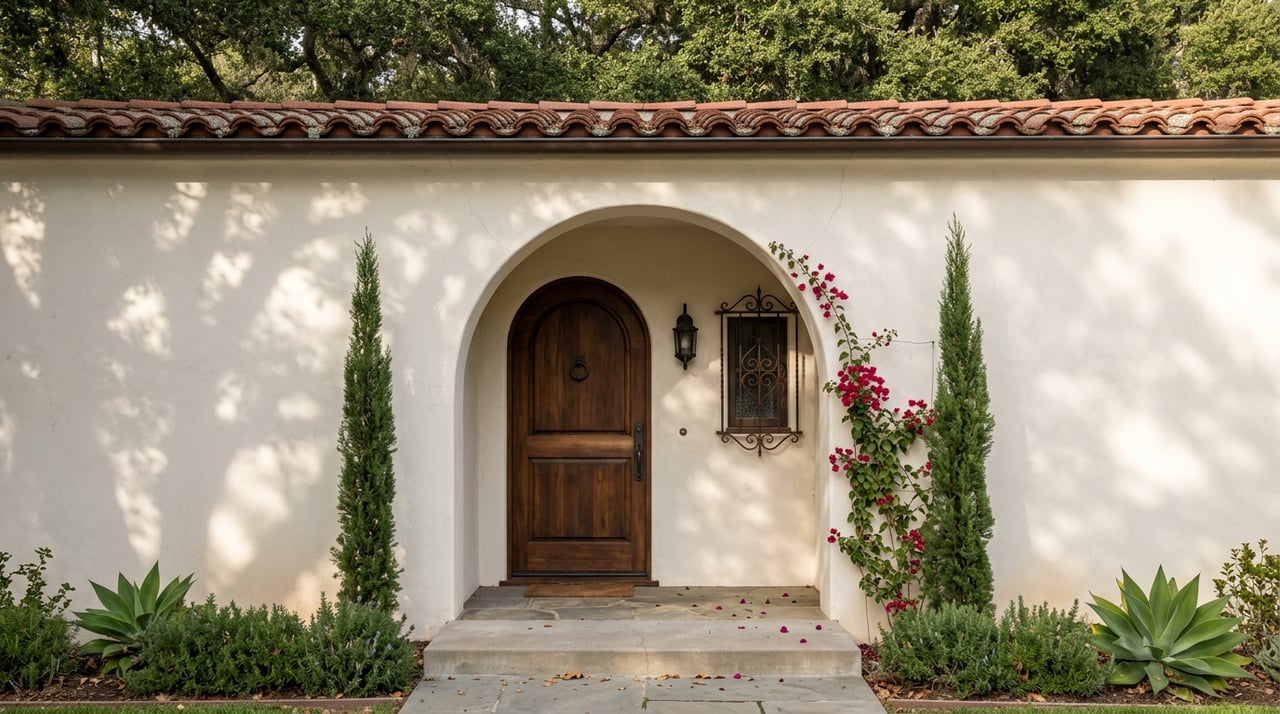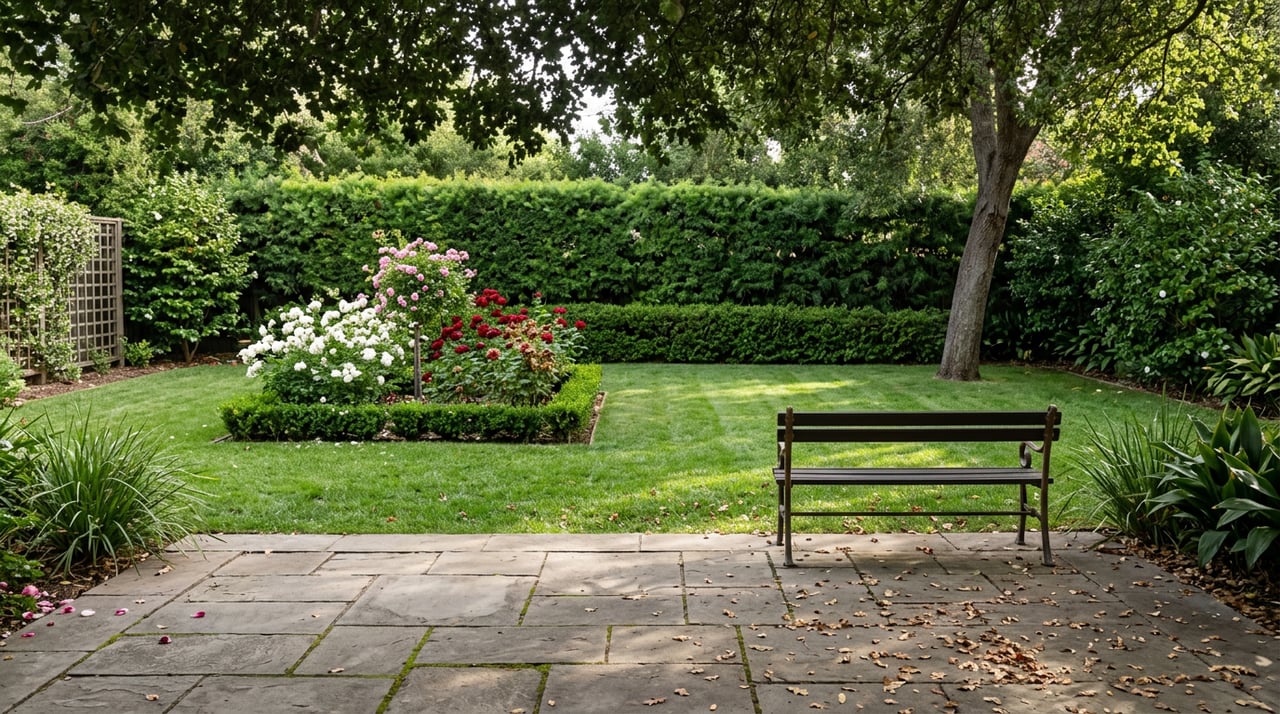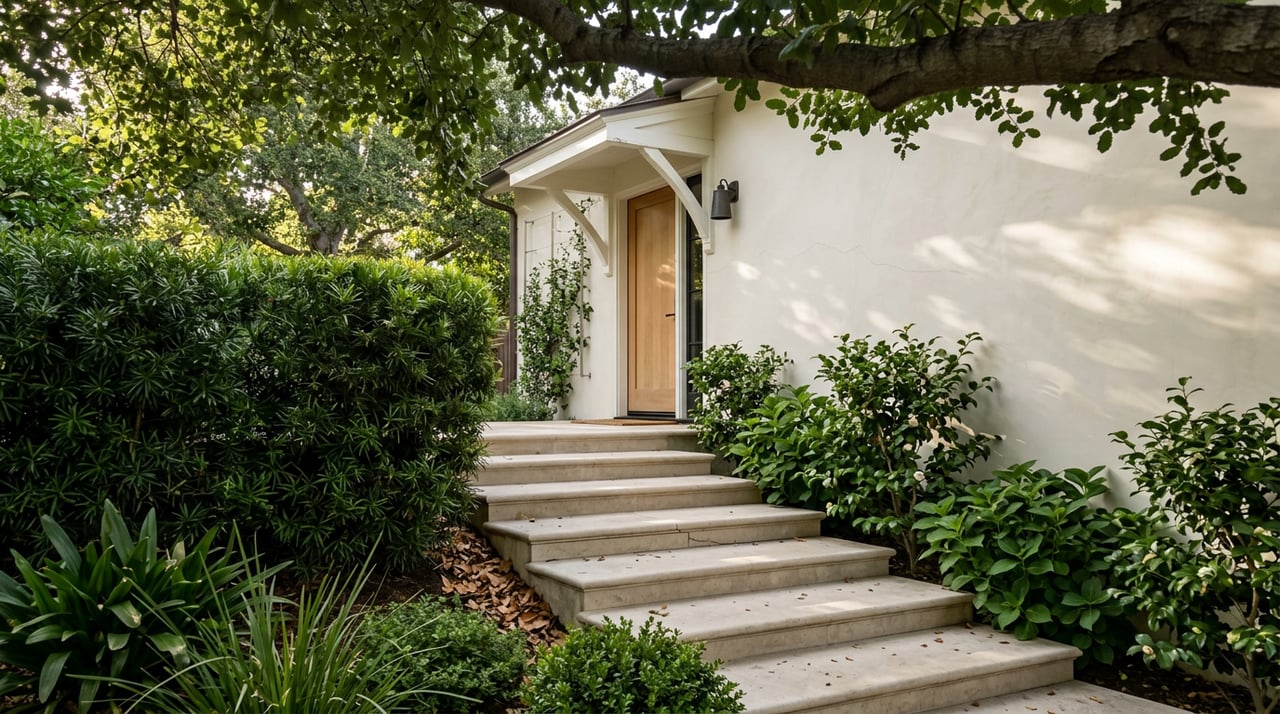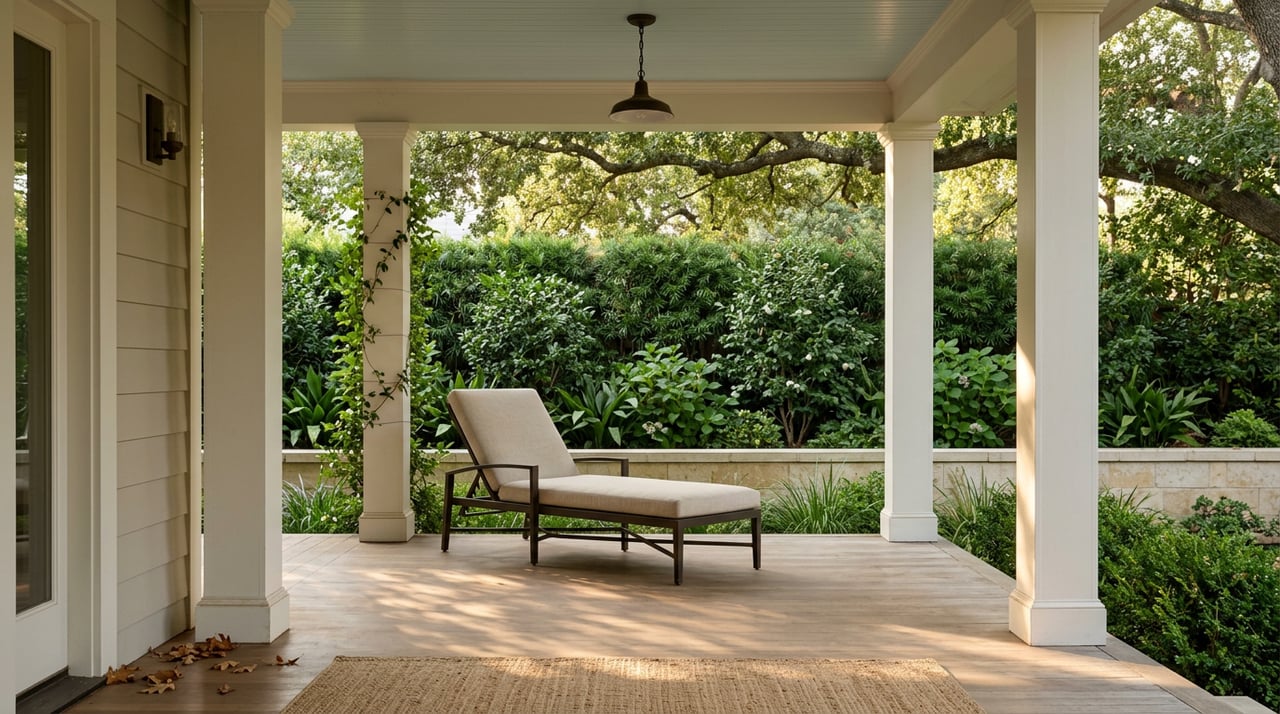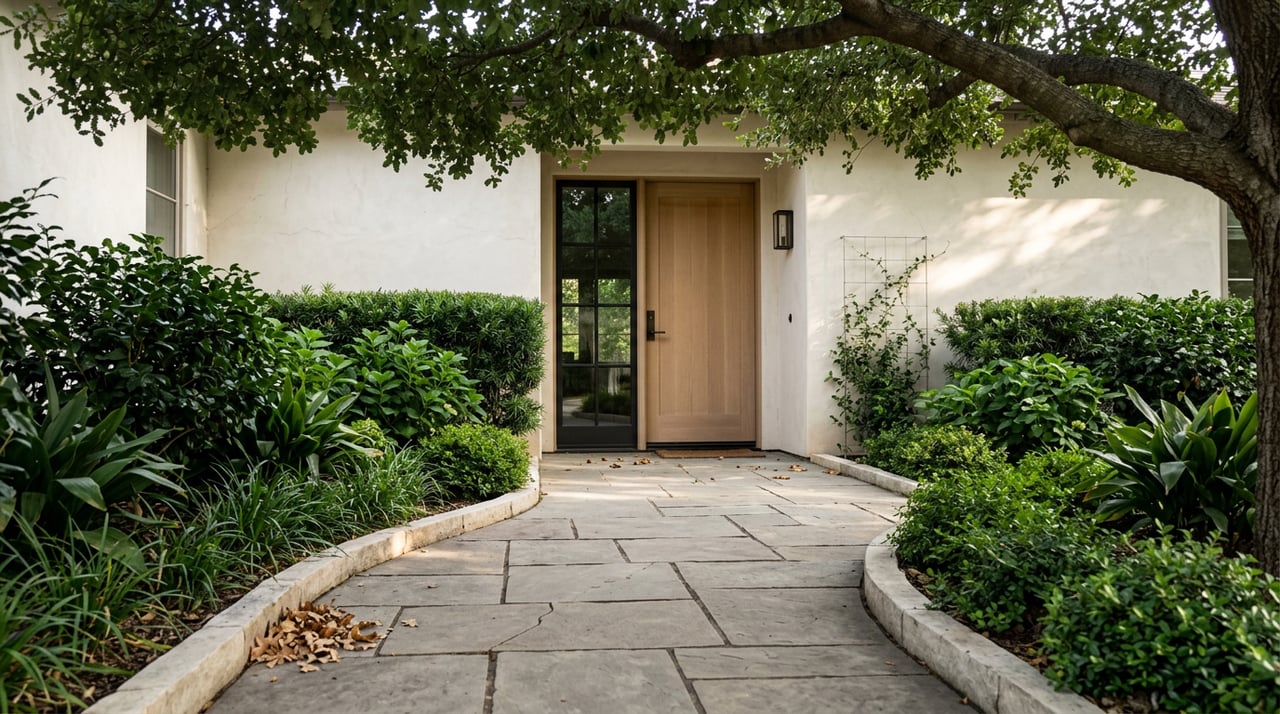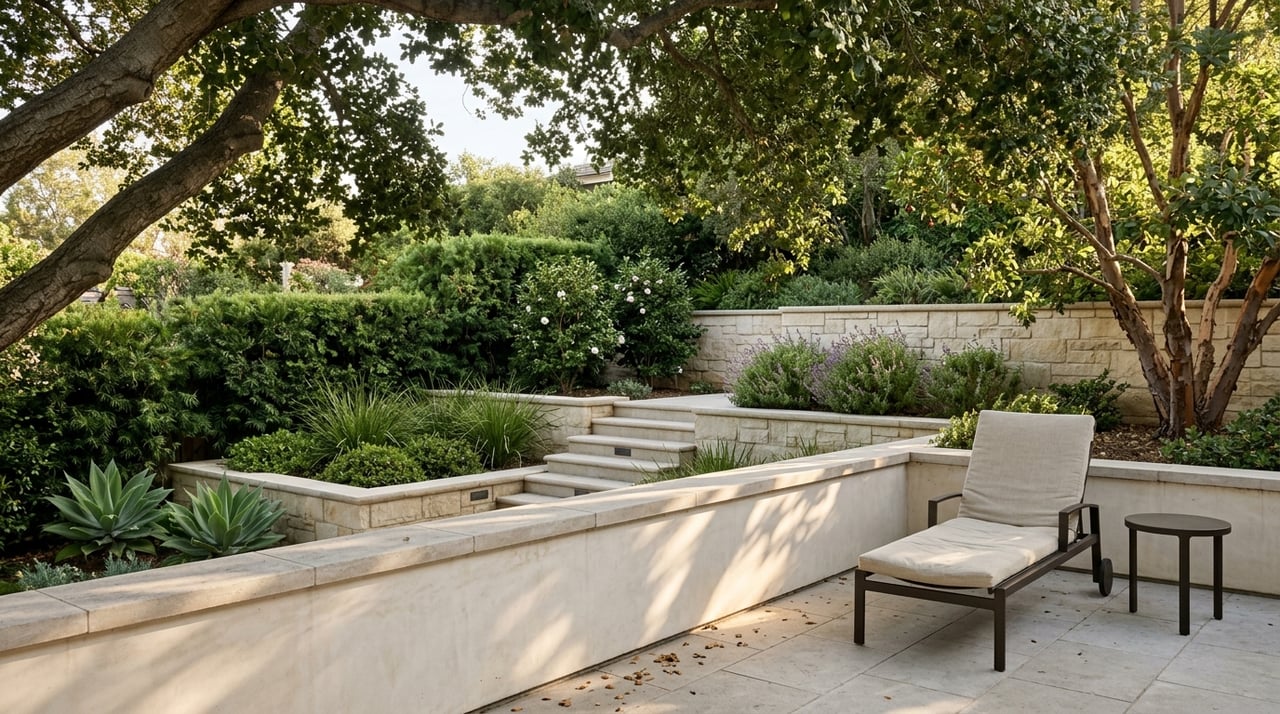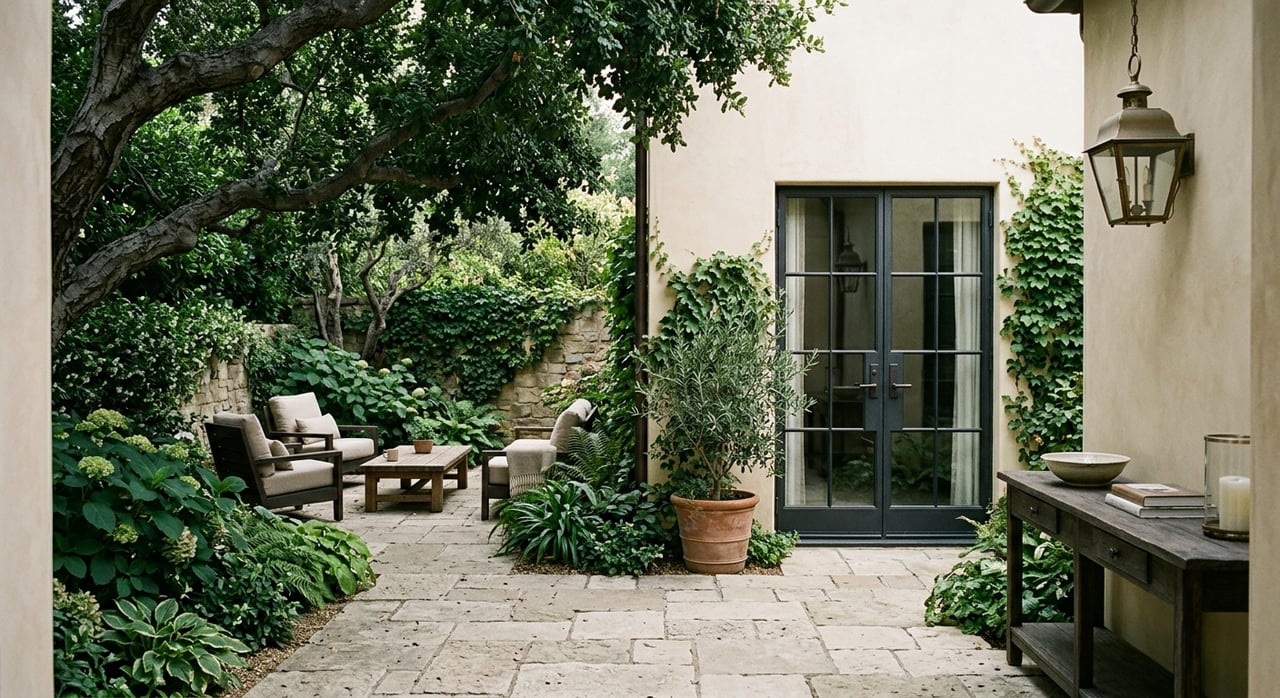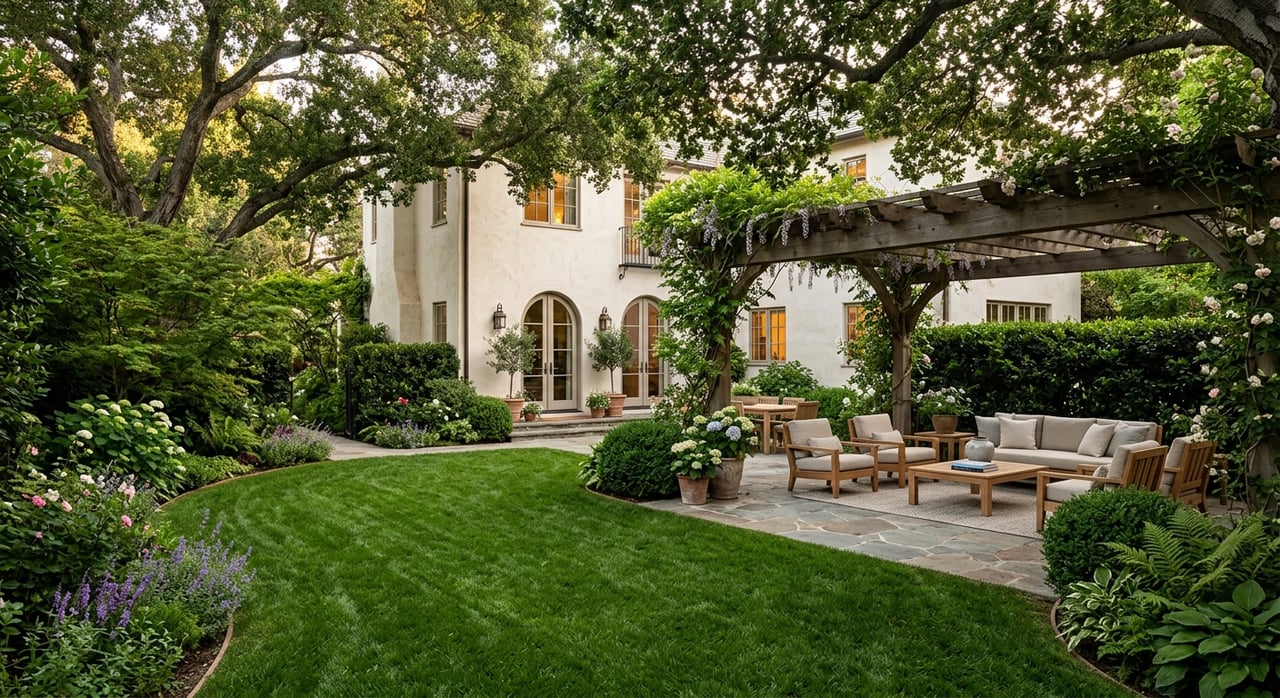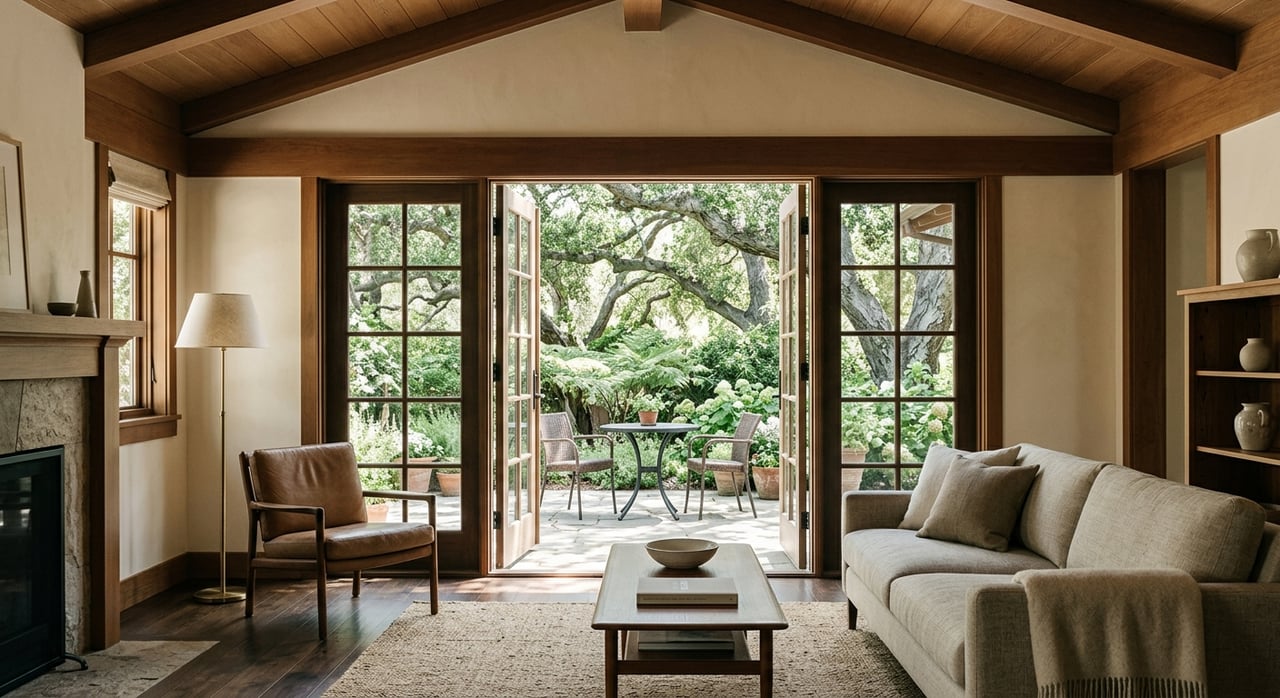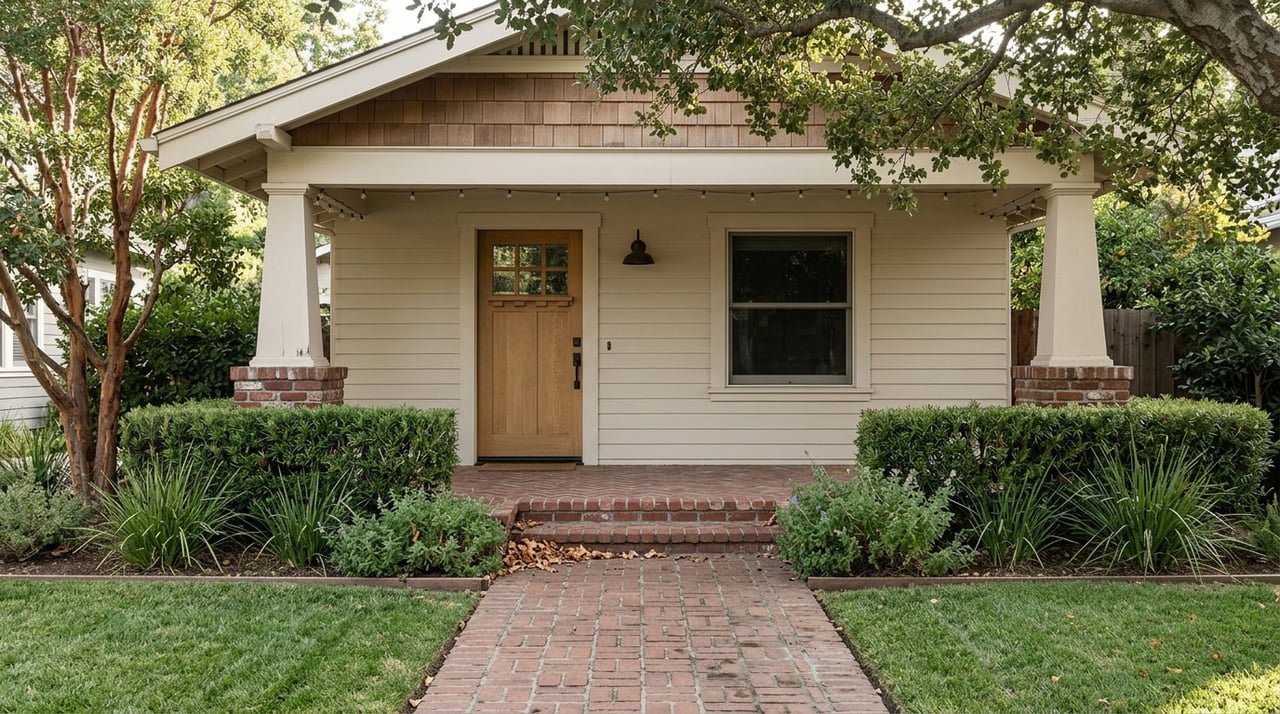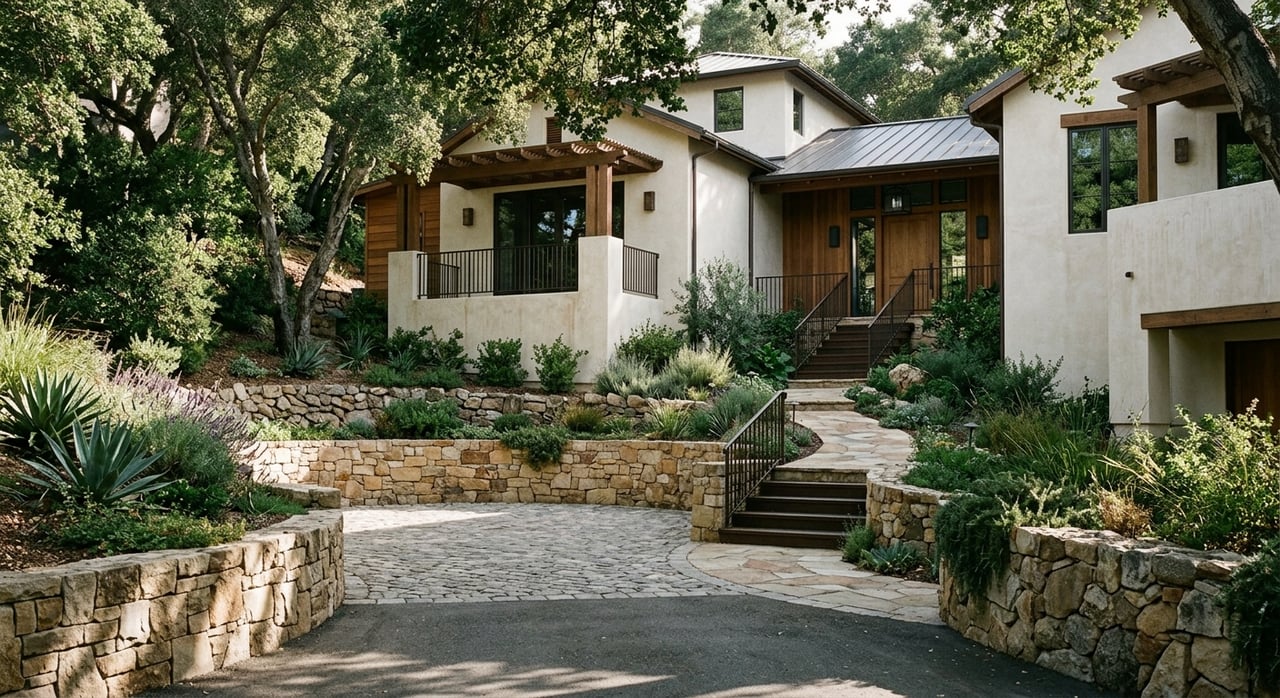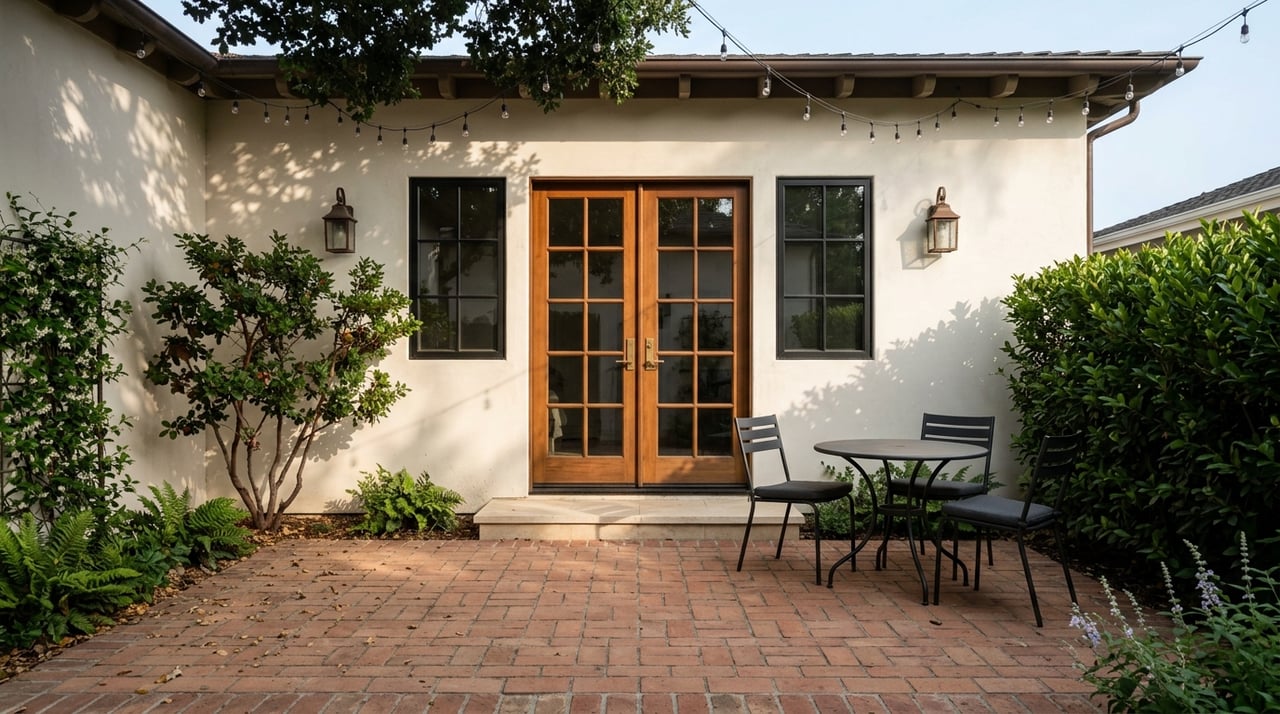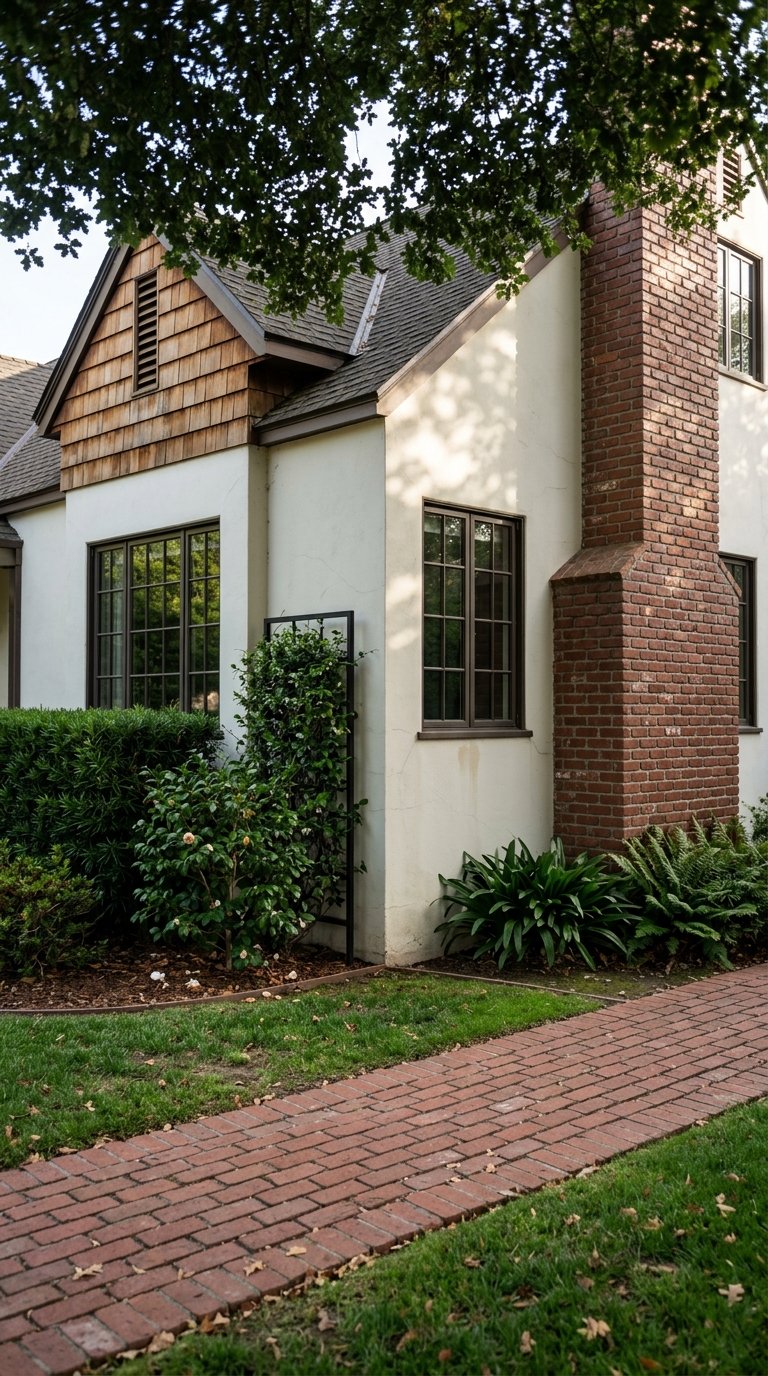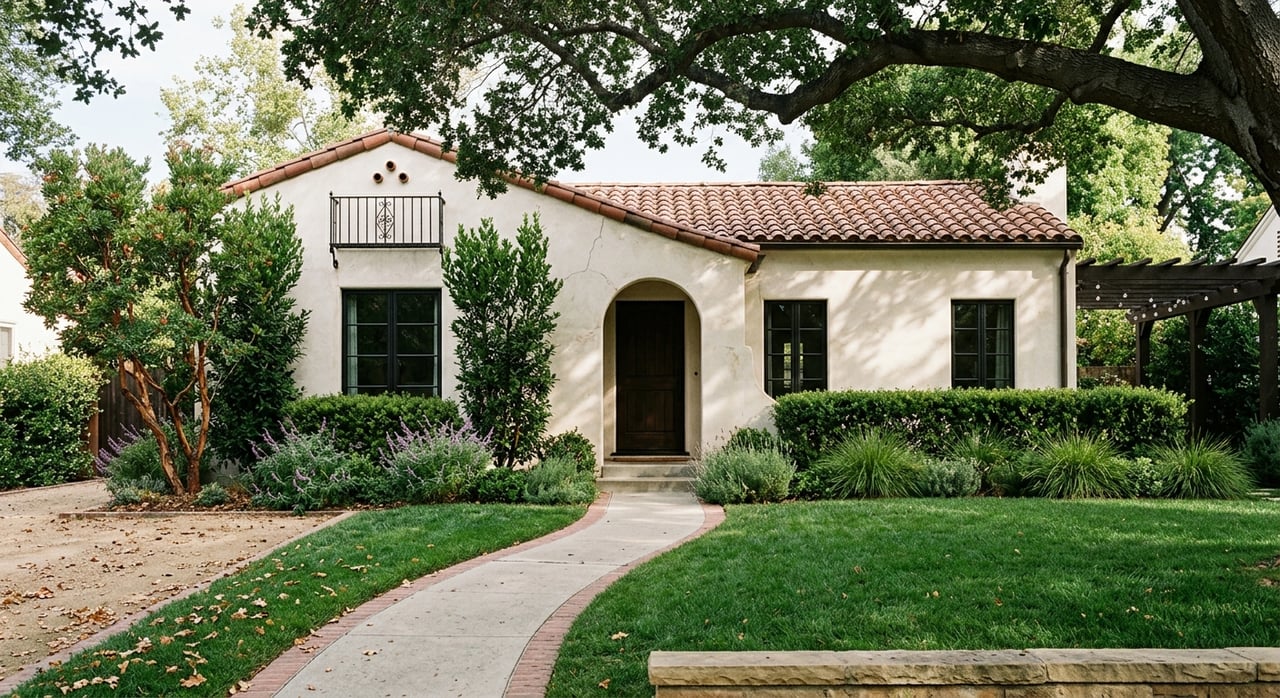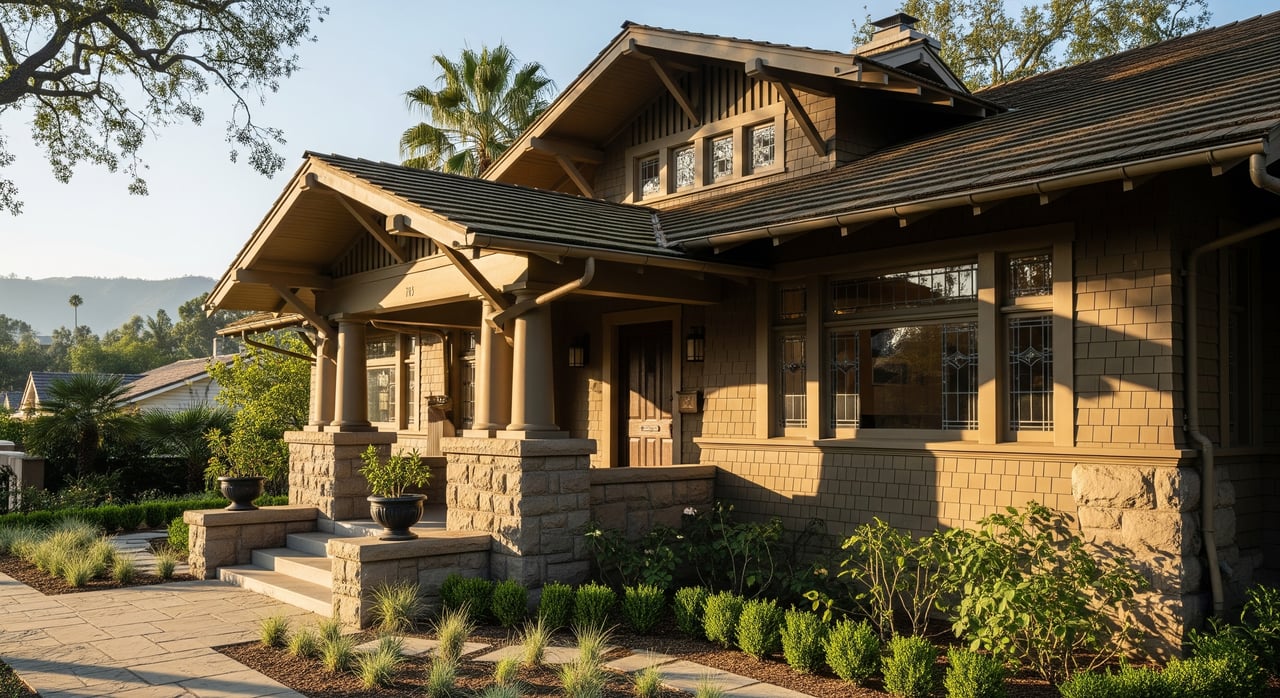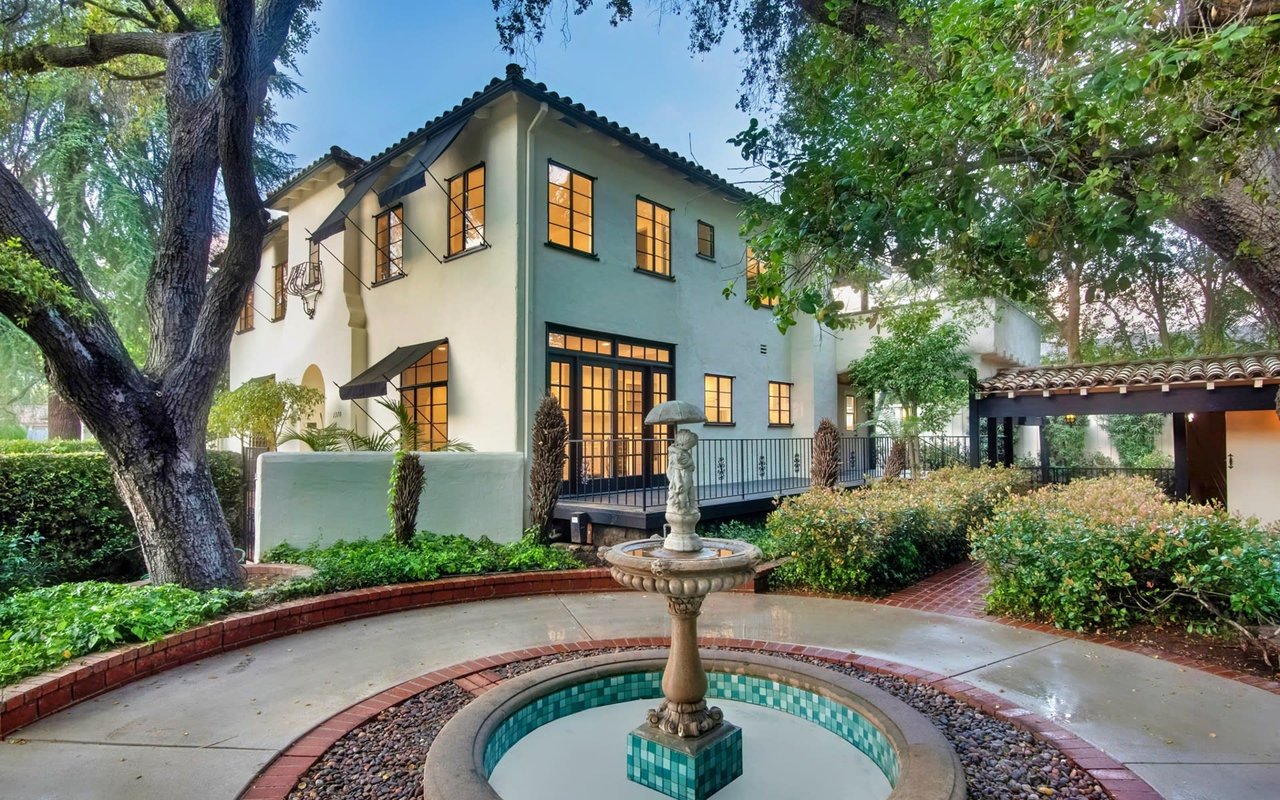
Two houses came on the market in Arcadia this summer within fifty thousand dollars of each other. One sat on a quarter acre in Santa Anita Oaks, a short walk to Arcadia High School, a 1950s ranch with good bones and a kitchen that hadn't been touched since the Clinton administration. The other sat on a full acre in Upper Rancho, under mature oak and camphor canopy, a similar vintage home that several buyers had already priced out as a teardown. Same city. Same price bracket. Almost nothing else in common, and neither listing said a word about the decision that would actually determine what each buyer paid the county for the next several decades.
That decision isn't about contractors or finishes. It's about how California taxes the difference between fixing a house and replacing one.
The Choice Every Older Arcadia Home Eventually Forces
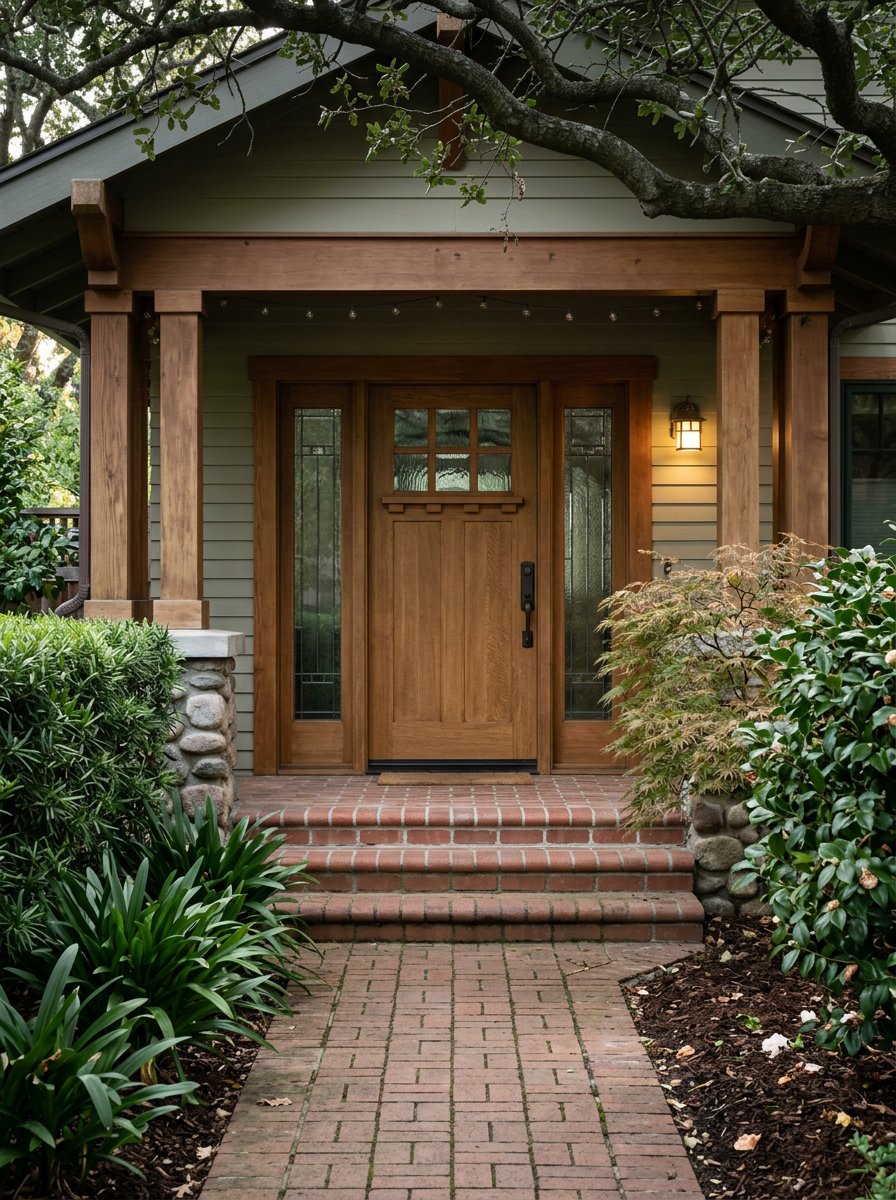
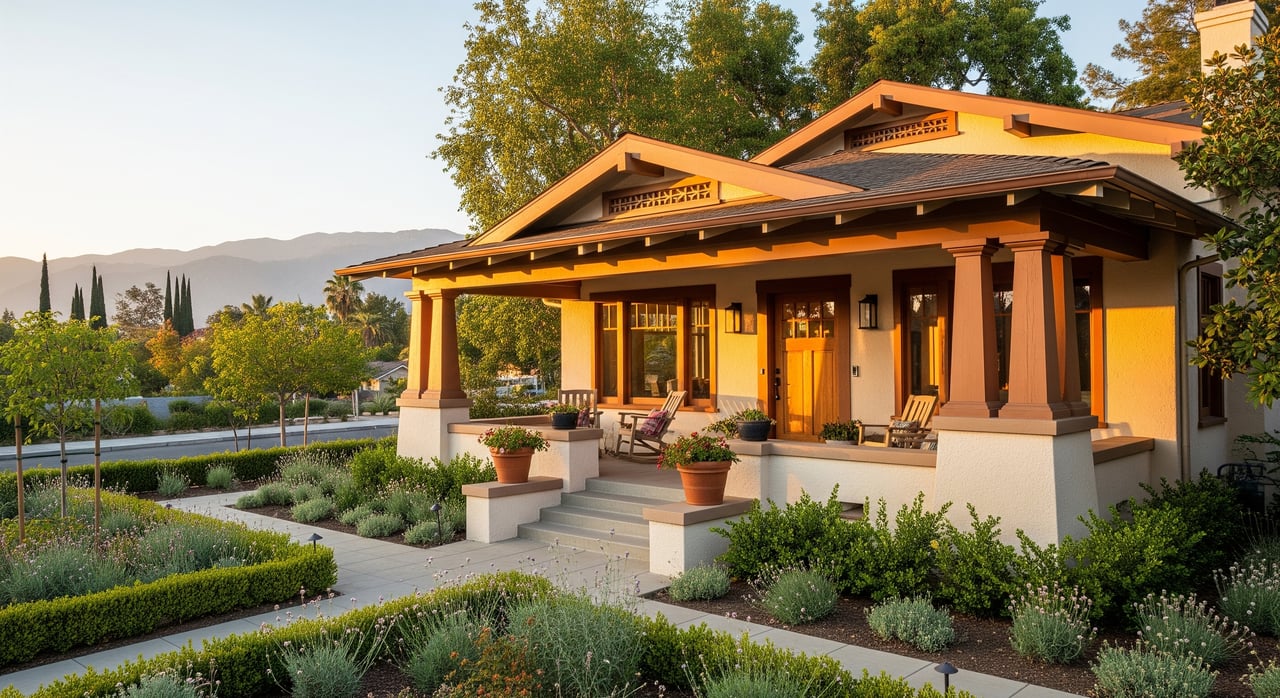
Arcadia's housing stock still carries a lot of mid-century ranch and Craftsman construction, homes built between the 1940s and 1960s on generous lots that predate the city's more recent wave of custom rebuilds. Buyers who fall for one of these homes tend to land in one of two camps fairly quickly. Either the layout, the systems, and the bones support a renovation, or the property is really a lot with a house sitting on it, and the plan from day one is to clear it and start over.
Both paths can produce a wonderful home. They do not produce the same tax bill, and the gap between them is bigger than most buyers assume when they're still comparing granite samples.
The Rule That Changes Everything After Closing
California's Proposition 13 caps how much a property's assessed value can climb each year, while new construction can trigger reassessment of the new work. The California State Board of Equalization is specific about what counts and how it's treated, and the two renovation paths land in very different places under that rule.
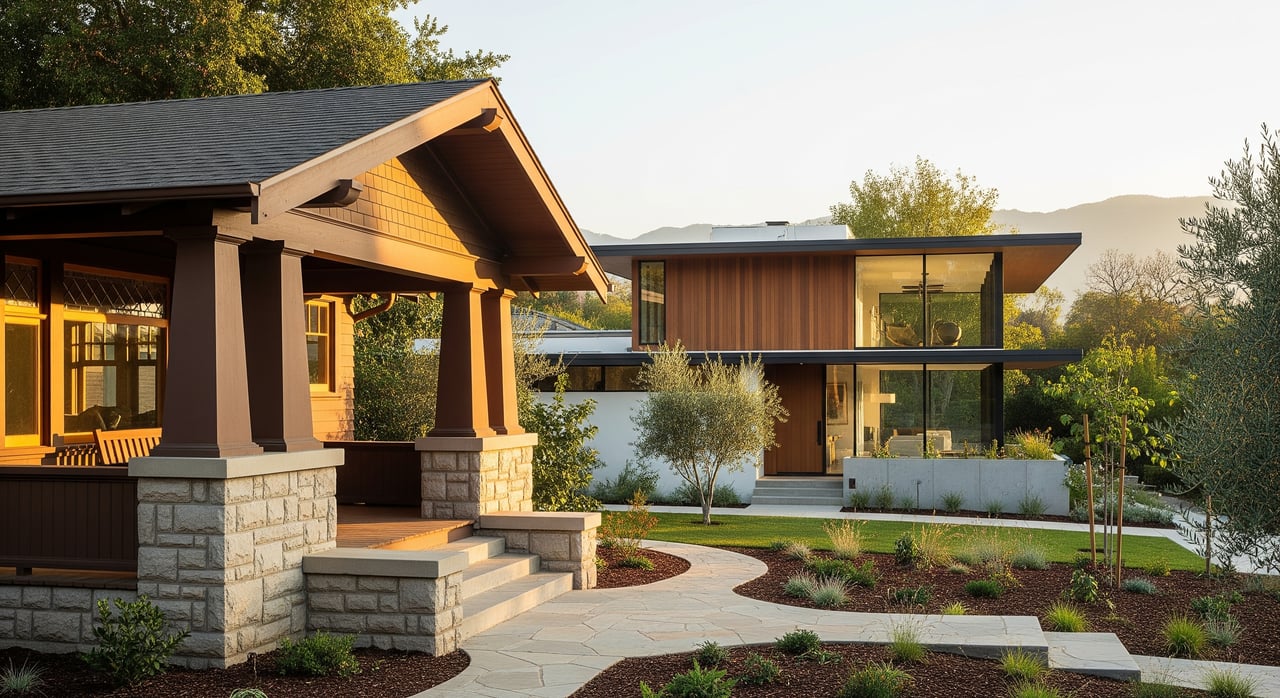
An addition or a remodel, even a meaningful one like a primary suite or a converted garage, is reassessed only on the value of the new work. The rest of the home keeps its existing protected assessment untouched. A full teardown and rebuild is a different animal entirely. The state treats the entire new structure as new construction and reassesses it at full current market value on completion
Here's the comparison as it actually plays out on an Arcadia parcel:
| Remodel or Addition | Full Teardown and Rebuild | |
|---|---|---|
| What gets reassessed | Only the new square footage or improvement | The entire structure, at full market value |
| What stays protected | The original home's existing base year value | Nothing on the structure |
| When the new bill arrives | A supplemental assessment on the addition only | A supplemental assessment on the full new home |
| Typical buyer surprise | Manageable, scoped to the project | Often larger than buyers modeled before breaking ground |
A buyer comparing a move-in-ready home against a rebuild candidate on a similar lot needs to run that math on the finished structure, not the purchase price on the listing sheet. The new-construction assessment depends on what gets built.
Arcadia's 2016 Floor-Area Ordinance
The rebuild math has a second constraint that predates the tax question entirely. In 2016, Arcadia's City Council adopted a floor-area-ratio ordinance specifically to slow the pace of oversized new construction on older lots, a response to years of resident complaints about what the city was calling mansionization. Jason Kruckeberg, the city's assistant city manager and development services director at the time, described floor-area ratio to reporters as a land use tool that measures how much house a lot is allowed to support, and the example the city used was simple, as KPCC reported: a fifty percent ratio caps a home on a 10,000 square foot lot at 5,000 square feet, regardless of what the buyer's budget could otherwise support.
The ordinance also set new side yard and rear yard minimums, and it followed a grassroots push from a group called Save the Arcadia Highlands that had tried to get a stricter measure on the November ballot before a paperwork issue with the signature drive stalled it.
Same City, Five Different Markets
The citywide median price that shows up on a portal search is an average built from neighborhoods that behave like separate markets. Through the second quarter of 2026, Arcadia's median price per square foot ran close to San Gabriel's and not far ahead of Alhambra's, a narrow gap for cities with such different reputations. What actually separated Arcadia's total sale prices from its neighbors by hundreds of thousands of dollars in that same window wasn't a steeper cost per square foot. It was lot size. Arcadia buyers are paying for more land and larger structures, not a higher rate per square foot of the same house.
That distinction matters directly for the remodel-or-rebuild question. Upper Rancho, north of Foothill Boulevard, carries the largest lots in the city. Southwest Arcadia and the Baldwin Stocker area run smaller lots and tighter budgets, which is also where buyers still find entry points into Arcadia Unified school boundaries without competing at the top of the market. Santa Anita Oaks and Lower Rancho sit in between, close enough to the high school and to Baldwin Avenue's shops and restaurants to draw a different kind of buyer than the acreage in the north end.
Through April, May, and June of 2026, homes across these tiers moved fast, with median days on market holding in the high single digits to mid-teens and multiple-offer situations common in the $1.5 million to $2.5 million range. That kind of pace rewards buyers who've already done the sub-market homework before they tour, not after an offer deadline has passed.
Which am I actually buying here, a house or a parcel?
That's the honest question on a rebuild candidate, and the answer changes the entire financial model. On a remodel candidate, you're buying a protected tax basis and a livable structure you're improving in place. On a rebuild candidate, you're buying a lot and a future supplemental tax bill sized to the home you haven't built yet.
What to Confirm Before You Write the Offer
- Pull the parcel's current assessed value from the county assessor's records so you know the protected base you'd be preserving with a remodel.
- Check what a rebuild can support on the lot before assuming it can match the square footage you have in mind.
- Ask whether any prior owner secured Design Review Committee approval that might be grandfathered under earlier standards.
- Model the supplemental tax bill for a full rebuild at projected market value, not at construction cost, since the state assesses the finished home rather than what it cost to build.
- Confirm whether the home falls in a zone with additional setback or side-yard requirements beyond the citywide minimums, since these vary by area and can affect what a rebuild footprint actually looks like on the lot.
A Few Questions Worth Asking Directly
Does a small addition, like a patio cover or a pool, trigger the same kind of reassessment as a full rebuild? It triggers a reassessment, but a much smaller one. The state treats additions like patio covers, decks, and pools as new construction, so the improvement itself gets valued and added to the base. The rest of the home's existing assessment stays exactly where it was.
Is Arcadia currently a buyer's market or a seller's market? Based on the pace through the second quarter of 2026, it favors sellers, particularly in the $1.5 million to $2.5 million band where multiple offers and fast closings have been the norm.
Every one of these questions has a different answer depending on which Arcadia lot you're standing on, and the difference rarely shows up in a listing description. If you're weighing a remodel against a rebuild, or trying to understand what a specific Upper Rancho or Baldwin Stocker parcel would actually support, Chelby Crawford can walk through the assessment and floor-area math with you before you're standing in front of a deadline. Request a private market consultation to start with the numbers that matter for your specific address.
This article is general information, not legal, tax or financial advice. Consult a qualified professional about your situation.