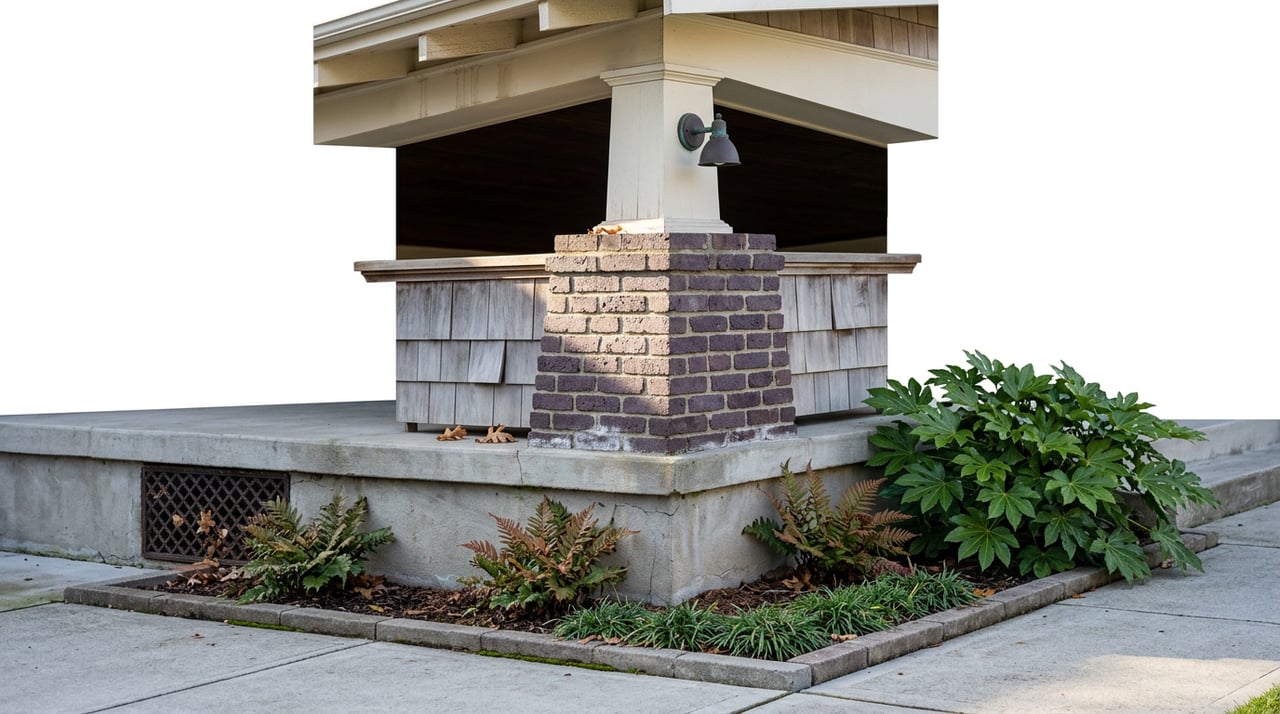
A buyer in South Pasadena signs a purchase agreement, orders an inspection, and gets back the report every agent in this market has seen a hundred times: cripple wall bracing that was never bolted, knob and tube behind the plaster, a chimney with hairline separation at the roofline. None of that is unusual for a house built before 1940 in this part of the San Gabriel Valley. What catches people off guard is what happens next, and it depends on something that has nothing to do with the price of the house.
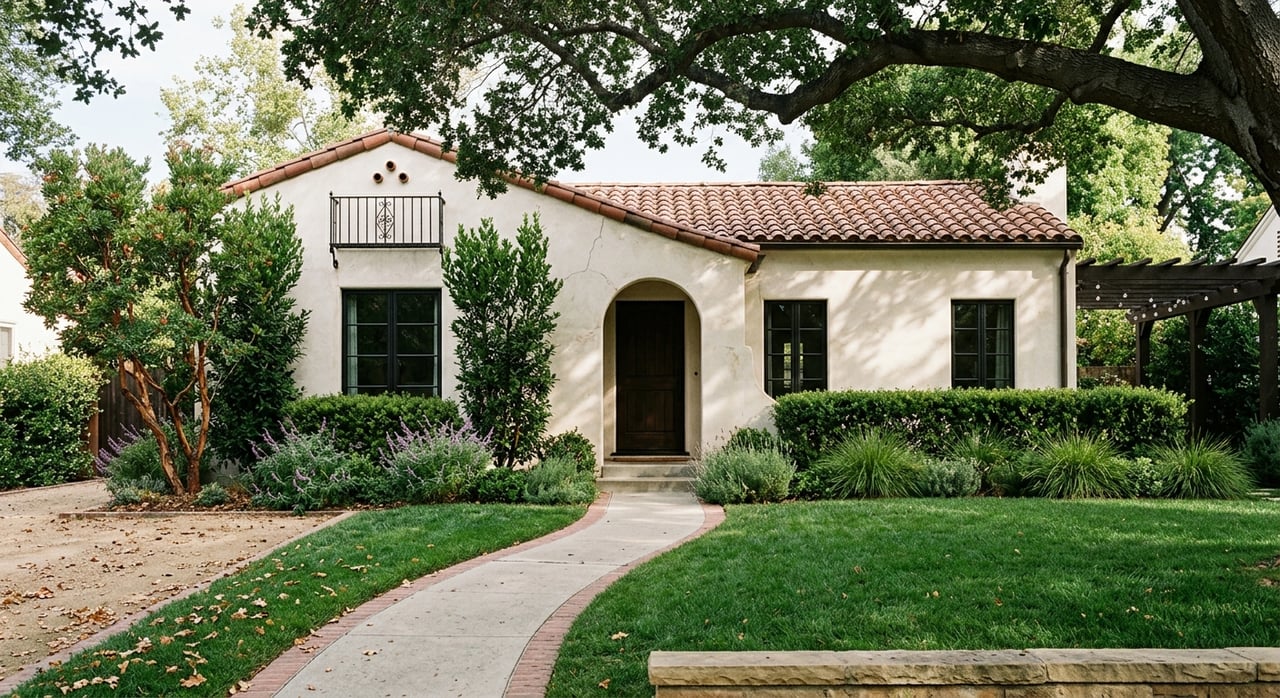
South Pasadena's historic preservation program, unlike the one next door in Pasadena, has no valuation cap. Pasadena excludes most single-family homes assessed above $2 million from its Mills Act contracts, with a short list of exceptions for Greene and Greene work, individually listed National Register properties, and designated historic monuments. South Pasadena set no such ceiling. A designated landmark or a contributing property in one of the city's historic districts can carry a Mills Act contract and its attached maintenance obligations whether it sold for $950,000 or $3.5 million. That single structural difference changes who needs to ask the preservation question before writing a repair credit into an offer, and it is doing so at a moment when this market is giving buyers and sellers almost no slack to figure it out mid-escrow.
What the Inspection Report Actually Says
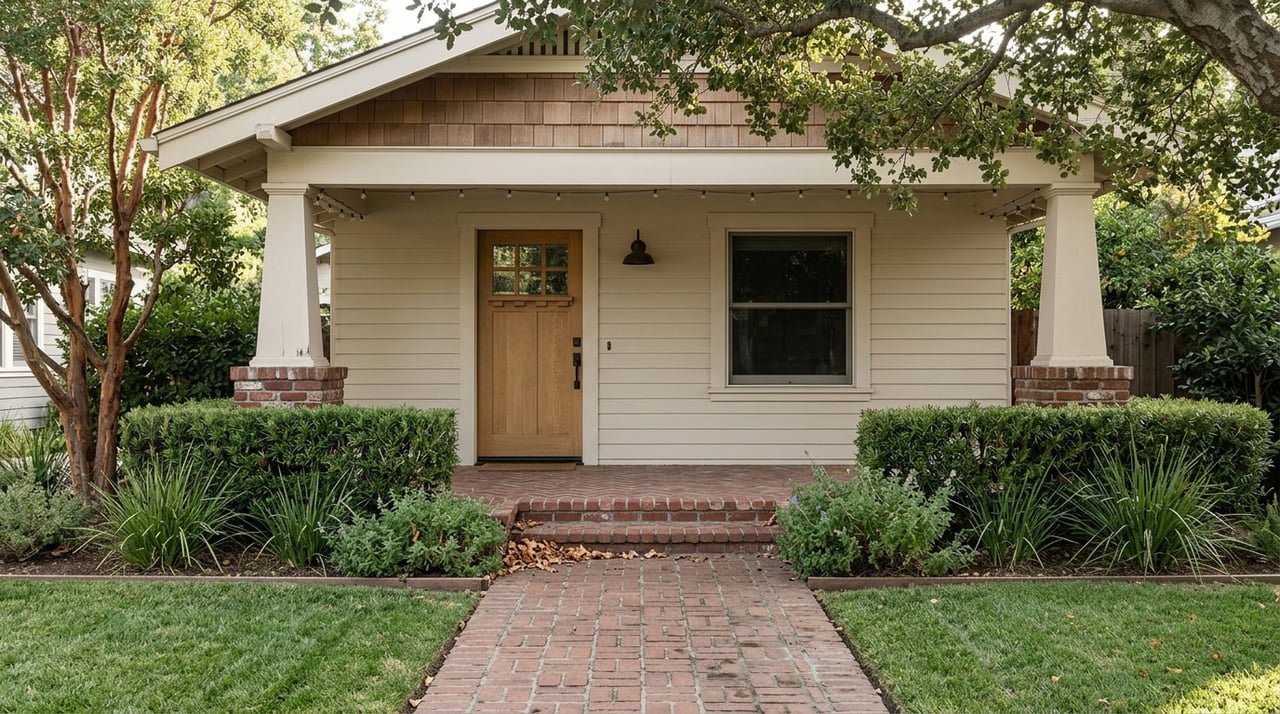
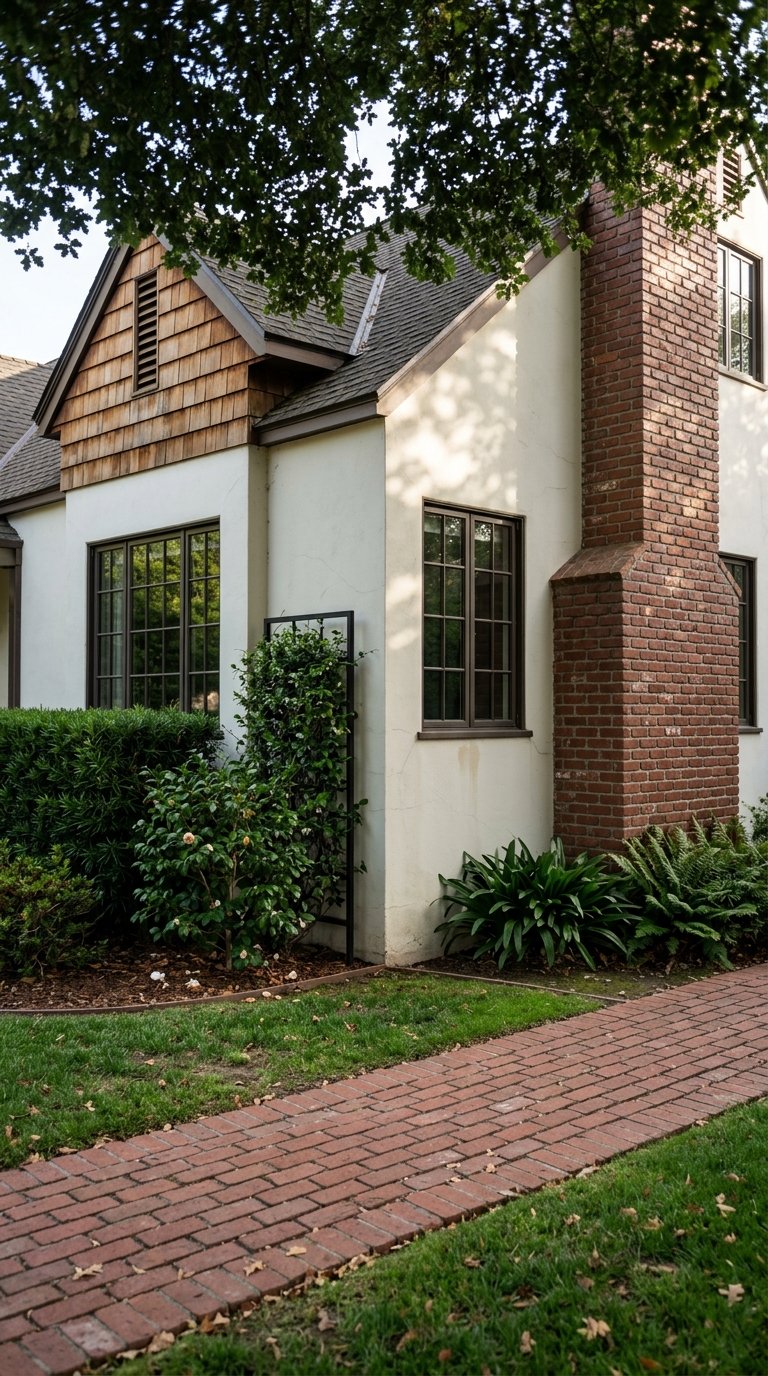
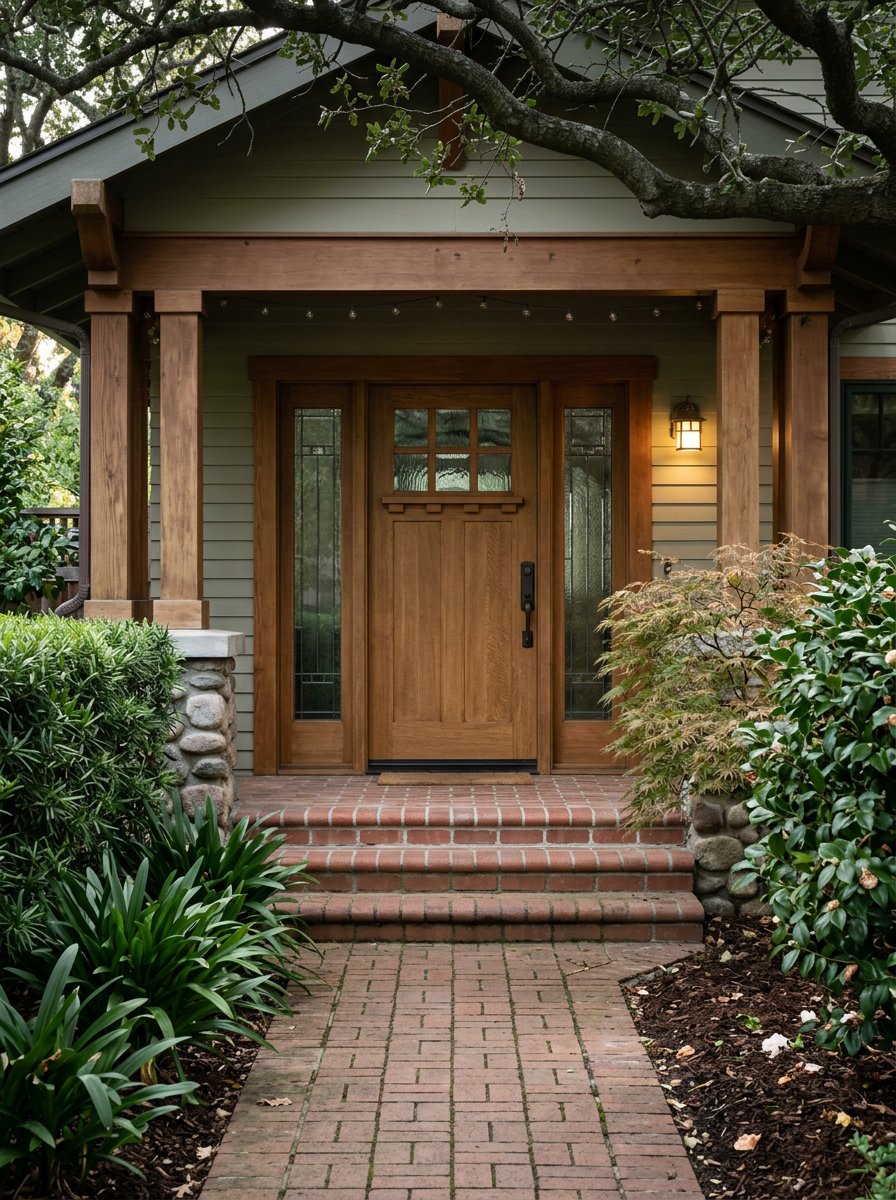
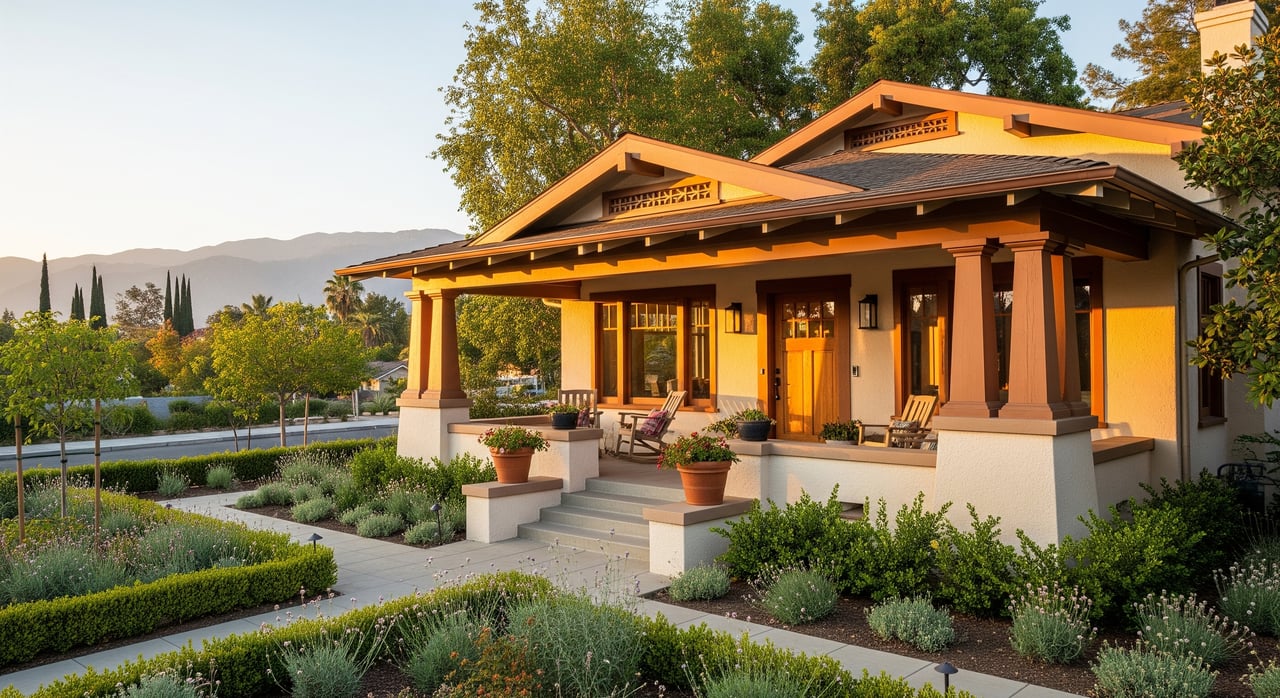
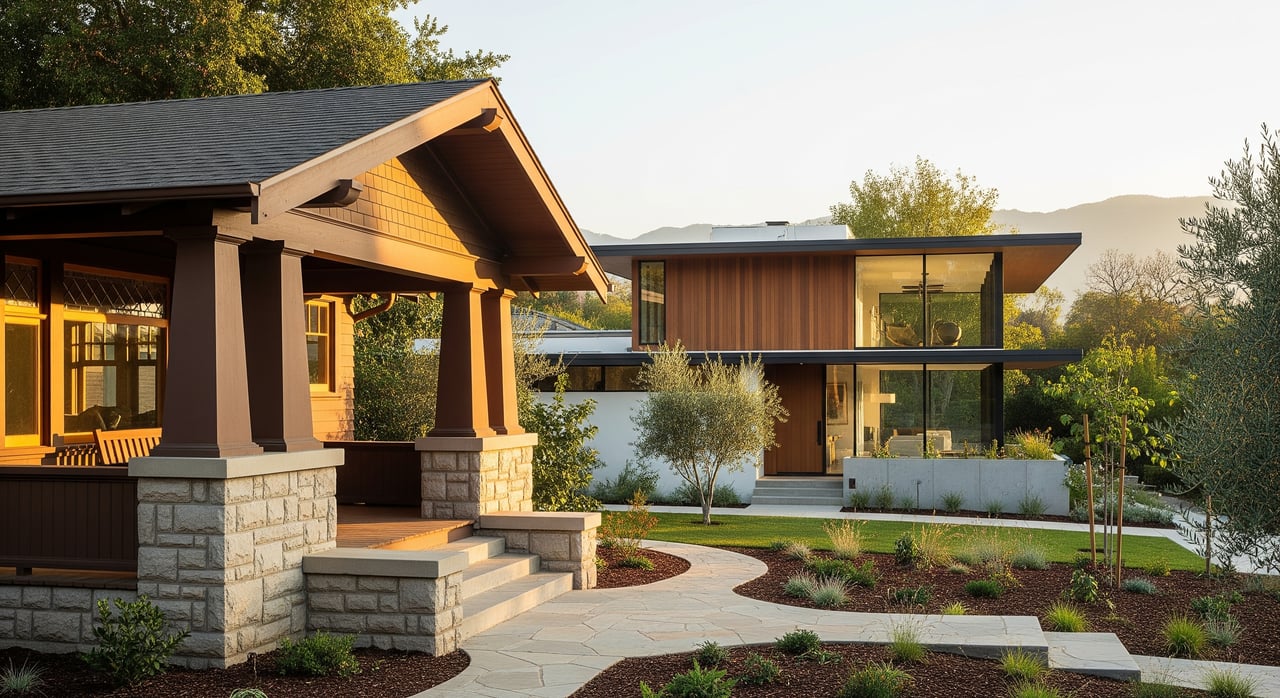
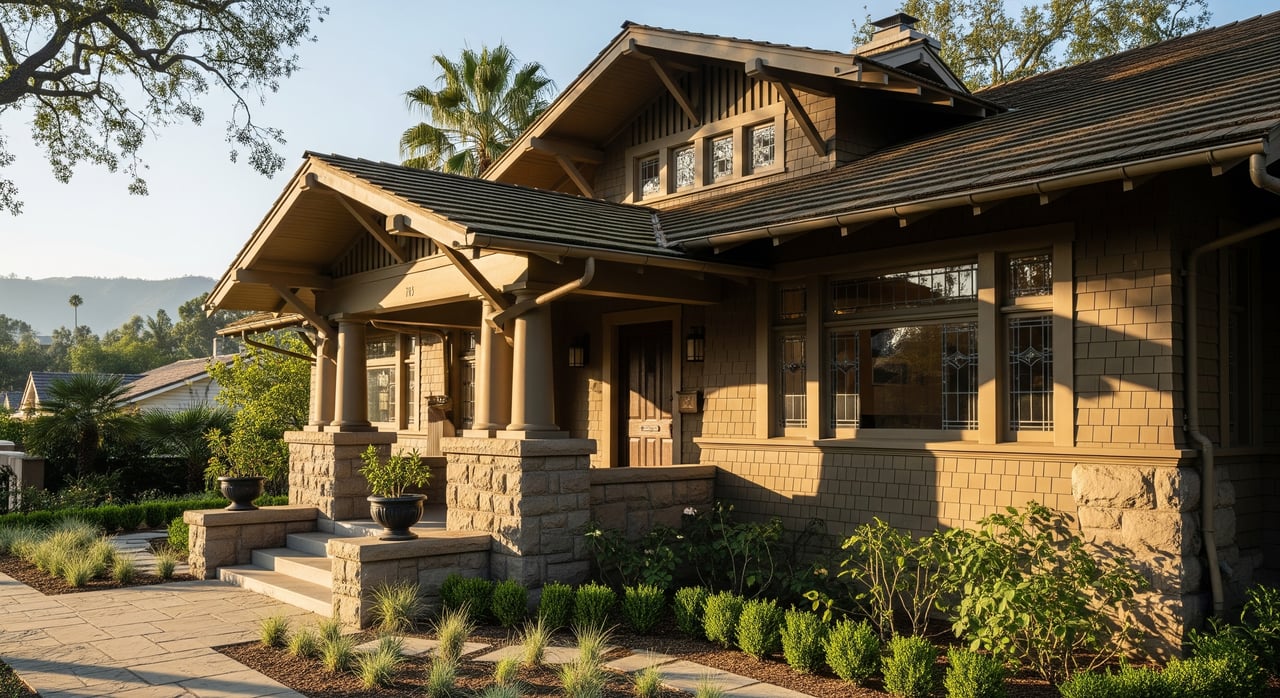
South Pasadena's housing stock is dominated by the same building era that defines much of the western San Gabriel Valley: raised foundations over crawl spaces, built between roughly 1900 and 1940, sitting near the Raymond Fault, which runs from the San Gabriel Mountains through Arcadia and South Pasadena before continuing toward Highland Park. Home inspectors working this housing stock document a consistent list of findings. The foundation question centers on cripple wall bracing and anchoring, since most homes from this period were built before bolting a house to its foundation was standard practice. Original wiring is often knob and tube behind lath and plaster, sized at 60 to 100 amp service, sometimes with amateur splices from decades of small fixes. Plumbing runs commonly include galvanized supply lines and cast iron drains, both of which fail from the inside out in ways that don't always show on the surface. Brick chimneys, a signature feature of the Craftsman houses that fill South Pasadena's older blocks, are also the most earthquake vulnerable component in the house, prone to cracking and separation from decades of thermal cycling and prior seismic events.
None of this is a reason to walk away from a South Pasadena purchase. It is simply the baseline condition of buying into a housing stock this age, and most transactions absorb it with a negotiated credit or a repair contingency. The complication starts when the house carrying these findings also happens to be a designated historic resource.
The Cap Pasadena Has and South Pasadena Doesn't
Both cities run Mills Act programs under the same state law, but they administer them differently.
| Pasadena | South Pasadena | |
|---|---|---|
| Valuation cap, single-family homes | $2 million assessed value, with exceptions for Greene and Greene properties, historic monuments, and individually listed National Register properties | No valuation cap |
| Eligible properties | City landmarks, historic monuments, contributing or individually listed properties | Landmarks, contributing properties in local historic districts, National or California Register listings, or properties the preservation commission identifies as appropriate |
| Application timing | Application guidelines administered by the Planning and Community Development Department | Proposals accepted in the first quarter of each year, with a Historic Preservation Commission decision by the end of September |
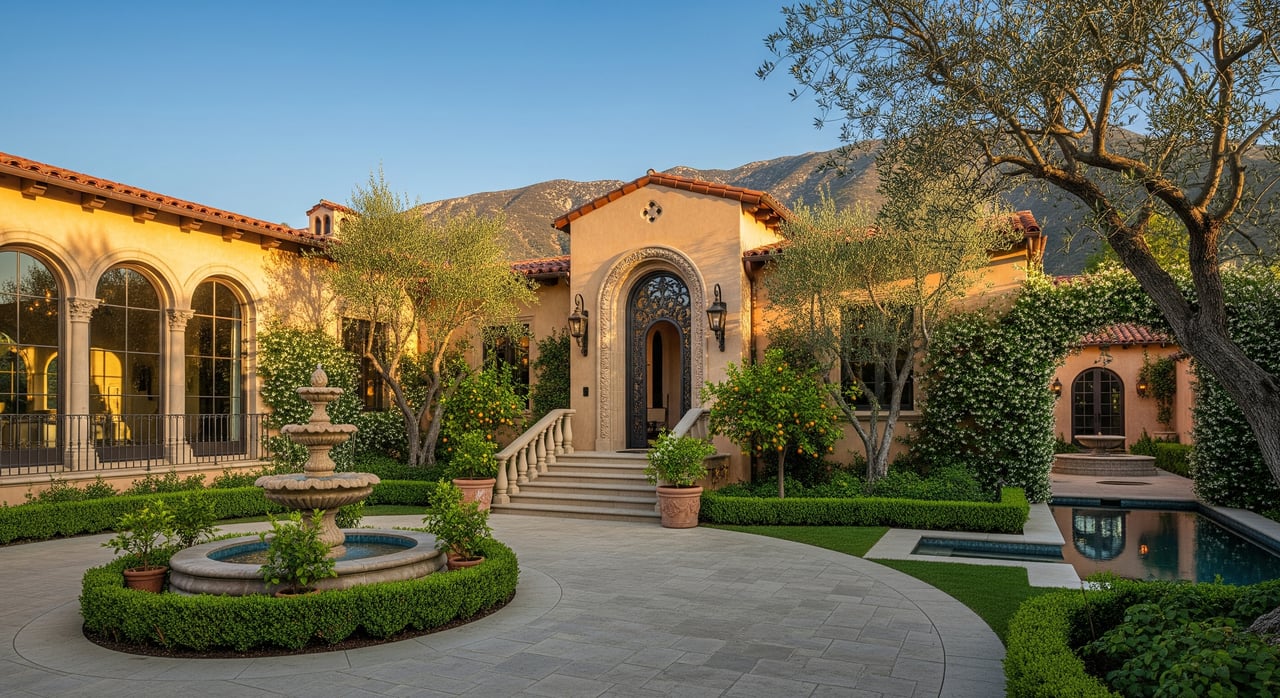
The practical effect is that South Pasadena's version of this program reaches further up the price ladder than Pasadena's does. A hillside estate near the Arroyo that would be excluded from Pasadena's Mills Act by its assessed value alone can still carry a contract in South Pasadena if it holds landmark or contributing status. That matters because a Mills Act contract is not simply a tax line item. It comes with a recorded, 10-year maintenance and rehabilitation plan, and because the agreement is recorded against the property rather than the owner, it transfers to whoever buys the home.
Why the String Attaches at the Worst Possible Moment
Here is where the inspection findings and the preservation program intersect. A property's contributing or landmark status, separate from whether it carries an active Mills Act contract, is what triggers historic preservation review before certain repairs proceed, particularly exterior work. A chimney rebuild changes the exterior. A window replacement tied to an electrical or insulation upgrade changes the exterior. Cripple wall bracing, if it requires opening up siding to install proper anchoring, can touch the exterior too. None of the sources describing South Pasadena's program spell out a universal rule that every repair on every designated property must clear a review board before a permit is pulled, and the specifics vary by scope of work and by whether the home has a signed contract or is simply a contributing resource. What is consistent across the research is that designated and Mills Act properties are subject to ongoing compliance obligations, periodic inspections, and standards drawn from the Secretary of the Interior's guidelines for rehabilitation work.
That is the second clock. A standard inspection contingency in this market runs on a fixed number of days. A preservation review process does not share that clock, and if a buyer or seller doesn't confirm early whether a given repair needs that extra step, they can find out only after the contingency period has already closed.
Why the Timing Risk Is Sharper Right Now
South Pasadena's market has almost no room to absorb a surprise delay this year. As of June 2026, the city recorded a median sale price near $1.9 million, up 16.1 percent from June 2025, while the number of closed sales fell to just 14 units for the month, a 22 percent year over year drop in volume. Homes that do sell are moving fast, averaging 50 days on market in June, down from 54 the prior month. At the same time, roughly 60 active listings sat with a median asking price near $1.66 million, a gap of about $250,000 below where homes were actually closing, with an average of 99 days on market among that unsold group.
Read together, those numbers describe a market that rewards a clean, well-priced listing and punishes one that stalls. A seller who lists a contributing property without confirming what preservation review would require for a known inspection item risks becoming one of the 99-day listings rather than one of the 50-day sales. A buyer competing for a well-priced historic property has less negotiating room to discover mid-escrow that a repair credit they assumed would close in three weeks actually needs sign-off on a slower municipal calendar. Price alone doesn't sort you out of this risk, either. A smaller bungalow with landmark status sits on the same fault line and carries the same recorded maintenance plan as a multimillion-dollar estate down the street, so the inspection findings and the review question travel together regardless of which end of the market you're shopping.
What to Confirm Before You Write the Offer or the Listing
Buyers should ask, before the inspection contingency clock starts, whether the property is a local landmark, a contributing resource in a historic district, or under an active Mills Act contract, and if so, request a copy of the recorded maintenance plan. Sellers holding a designated property should have that documentation ready before repair negotiations begin, not after. Either side considering a repair that touches the exterior, structural anchoring, or original chimney or window assemblies should confirm with the city's planning staff whether that specific scope requires preservation review before assuming a standard contractor timeline applies.
If you're weighing how Pasadena's capped version of this program compares, we've broken down its $2 million threshold and application steps in a separate guide on Pasadena's Mills Act program. The mechanics differ enough between the two cities that assuming one program's rules apply in the other is its own source of delay.
A Few Questions Worth Asking Directly
Does a South Pasadena Mills Act contract transfer when the home sells? Yes. Because the agreement is recorded against the property rather than the individual owner, a buyer inherits the existing contract's obligations along with the home.
Do these review requirements apply to every historic-era home in South Pasadena, or only ones with a signed Mills Act contract? Contributing status within a locally designated historic district can trigger exterior review on its own, separate from whether the owner has also entered a Mills Act contract. Confirm both the designation status and any recorded agreement, since they carry different obligations.
How long does it take to get a new Mills Act contract approved in South Pasadena? The city accepts proposals in the first quarter of each calendar year and the Historic Preservation Commission issues decisions by the end of September, a timeline that matters for anyone hoping to secure a contract as part of a purchase rather than after closing.
Buying or selling a designated property in this market rewards the same thing a good escrow always rewards: finding out what you don't know early, while there's still time to price it in. Chelby Crawford works this housing stock closely enough to know which repairs move fast and which ones need a call to the city first. Request a private market consultation before your inspection period starts, not after.