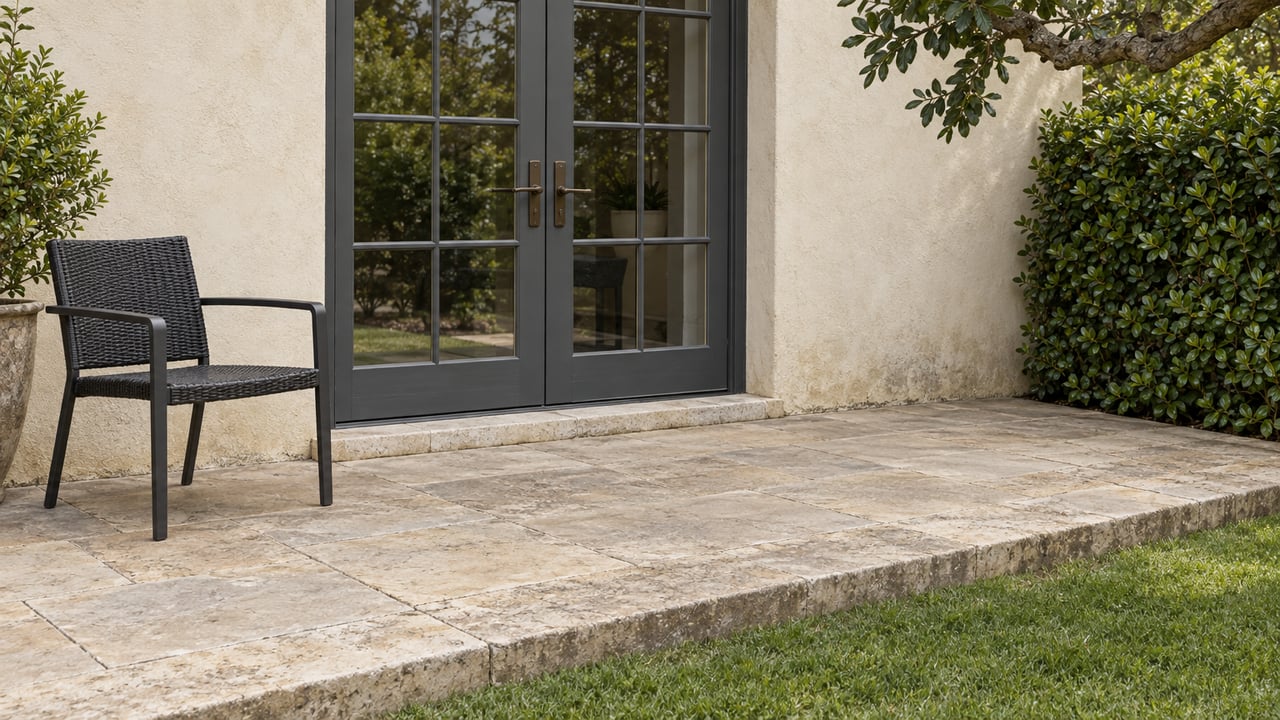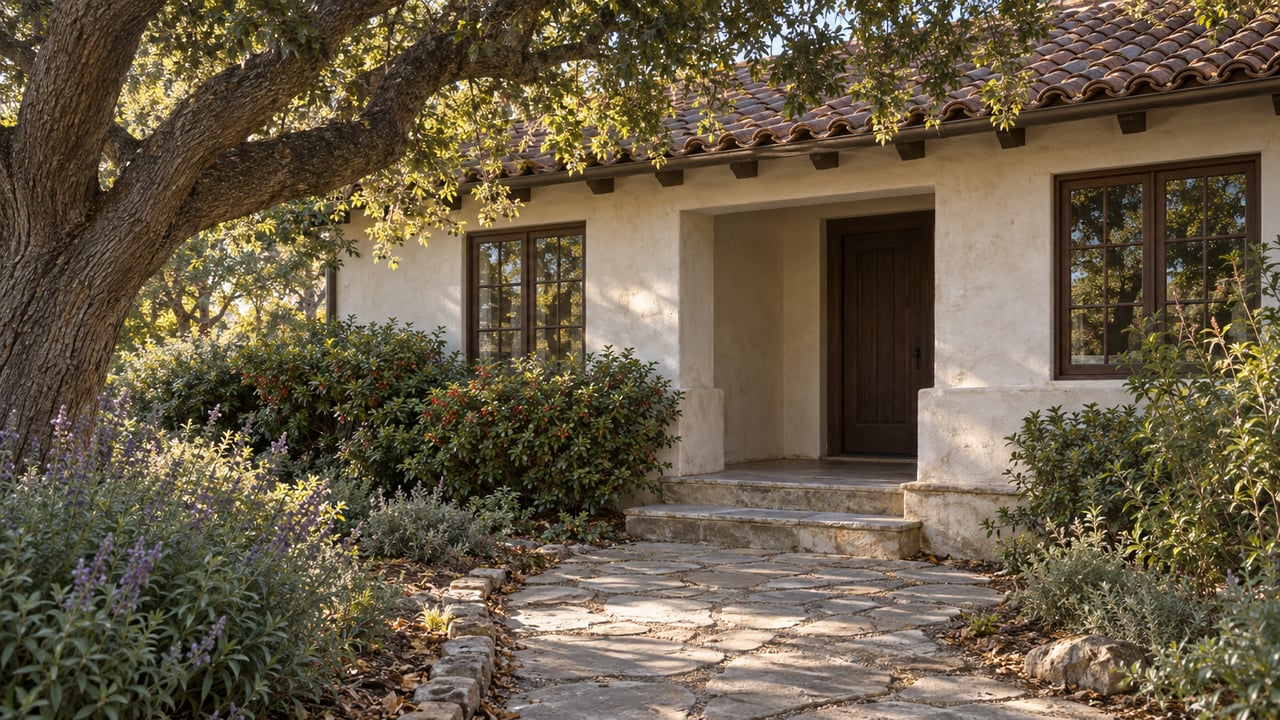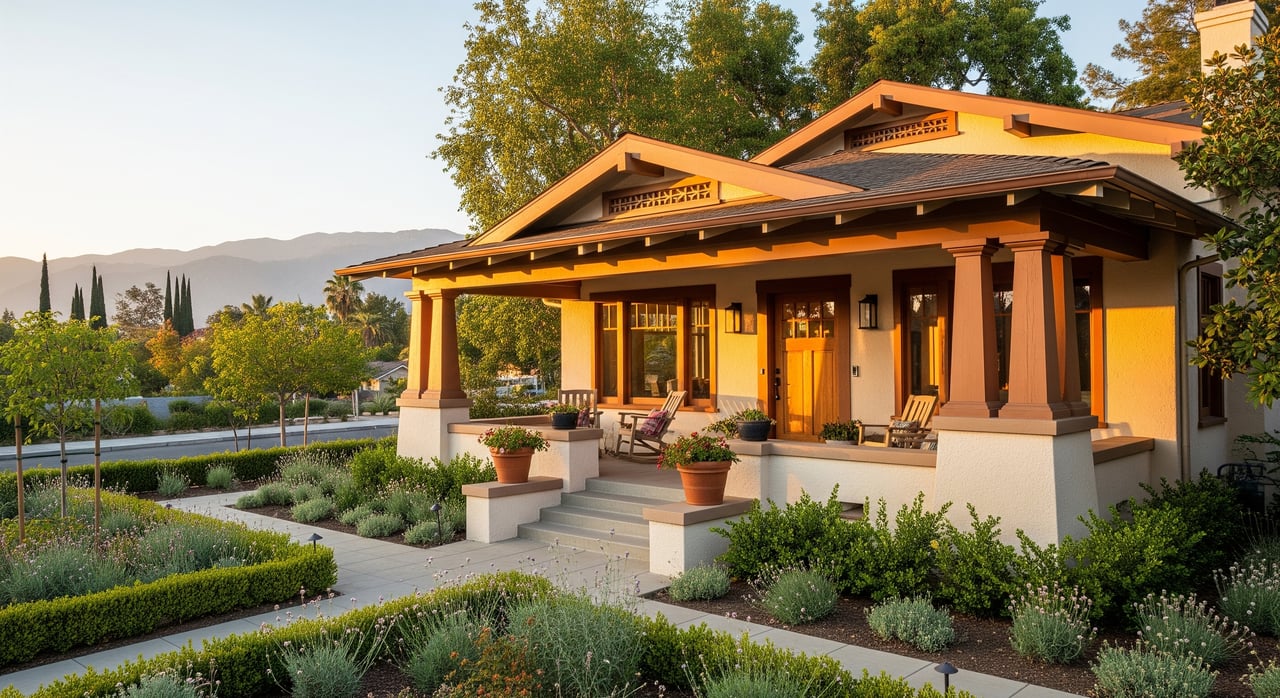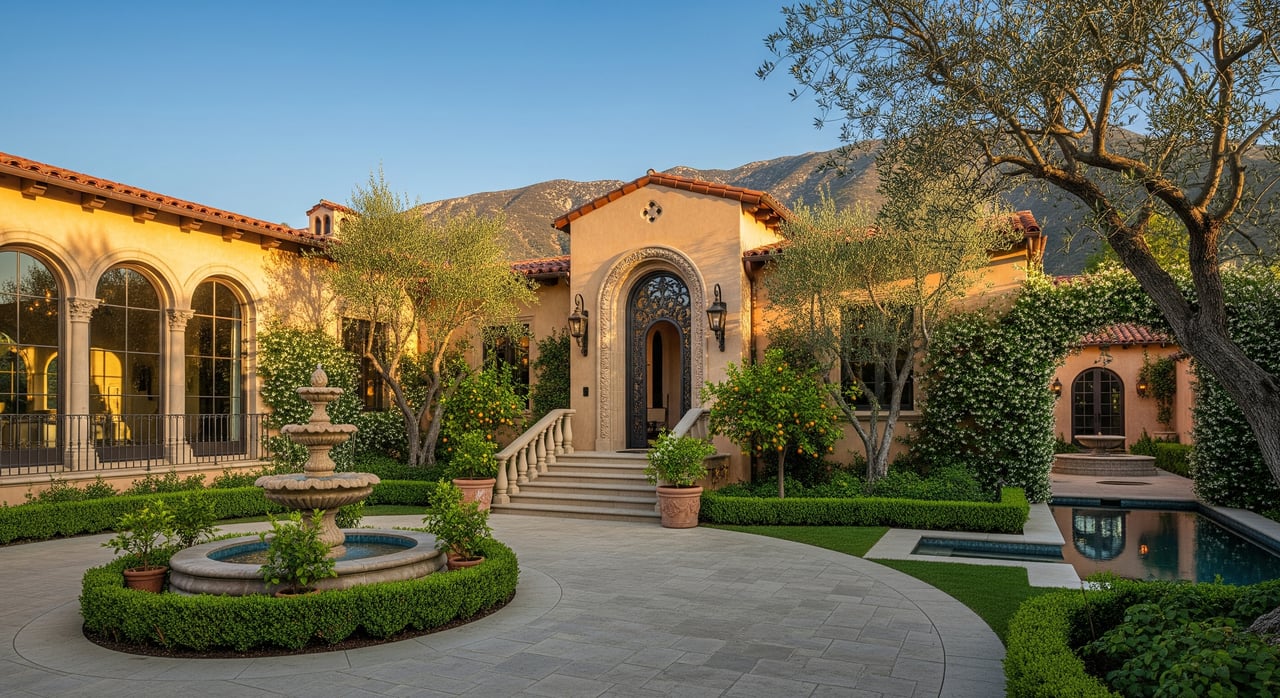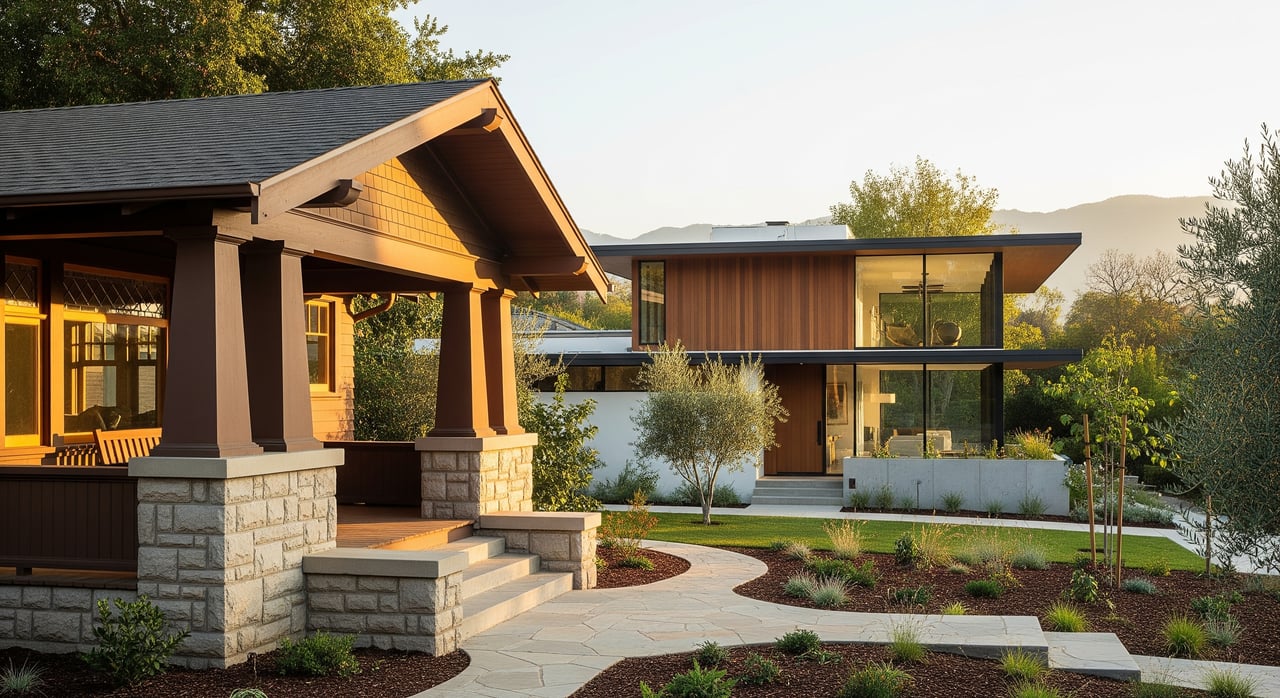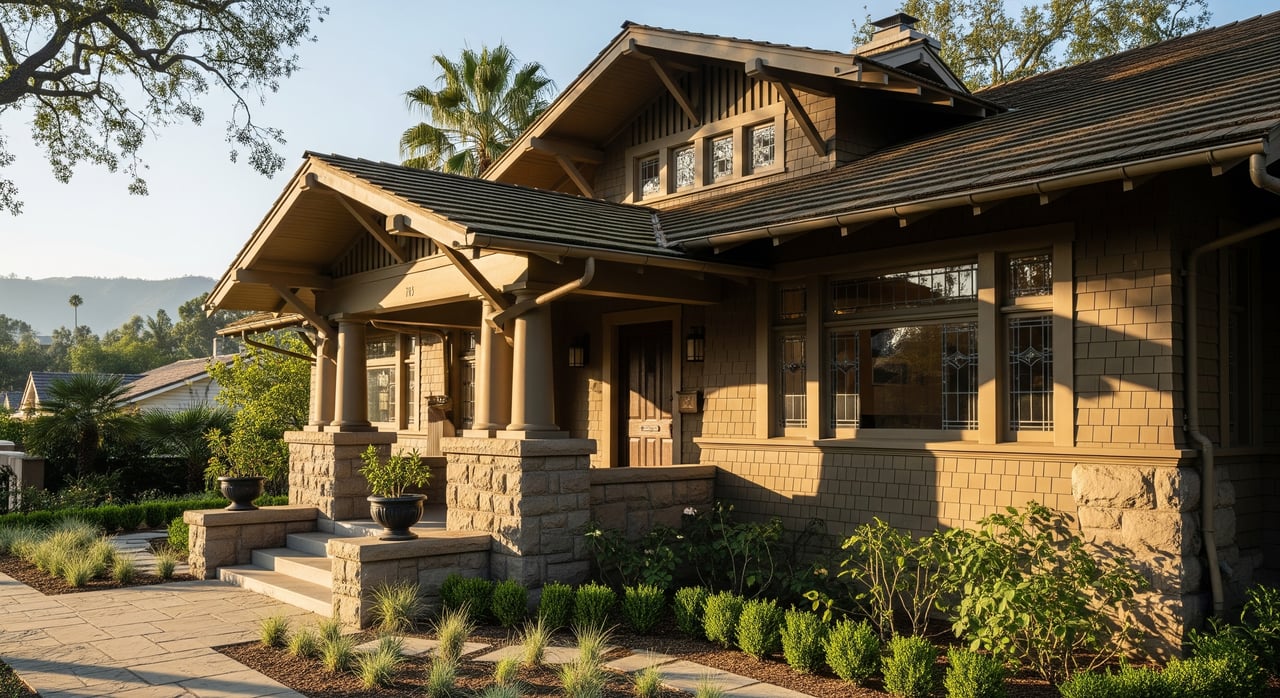
If you are preparing to sell a Glendale hillside home, you already know it is not the same product as a flat-lot property. Buyers are looking at the architecture and views, of course, but they are also evaluating access, parking, fire-zone disclosures, drainage, and how the home sits on the land. When you understand those details before you list, you can protect value, reduce surprises, and move through escrow with more confidence. Let’s dive in.
Why Glendale hillside homes sell differently
Glendale’s own planning materials make it clear that hillside housing comes with distinct site conditions. The city notes that more than half of Glendale lies within Very High Fire Hazard Severity Zones, and some mountainous areas exceed 60 percent slope. That means a hillside home is judged not only by its interior finishes, but also by how well it handles topography, access, and wildfire-related upkeep.
The city’s hillside design guidelines also show what Glendale values in this setting. Homes that follow the landform, preserve mature trees where possible, use drought-tolerant landscaping, and minimize visually heavy grading tend to feel more resolved on their sites. For you as a seller, that creates an important message: buyers are not simply purchasing a house. They are purchasing a house that works with a hillside.
Pre-listing steps that protect value
Start with access and parking
In Glendale, driveway design is not a small detail. The city’s zoning code and hillside guidance treat ingress, egress, pedestrian access, and off-street parking as safety and usability issues. Large paved areas and circular drives are discouraged in hillside settings, and driveway slope can affect day-to-day ease of use.
Before your home goes on the market, it helps to answer practical questions early. How do guests arrive? Where do they turn around? Is there straightforward visitor parking? If a showing agent has to guess, buyers may read that uncertainty as functional risk.
Gather fire-zone paperwork early
Fire safety can affect both your timeline and your marketing strategy. Glendale’s Vegetation Management Program includes annual inspections and review or permitting of landscape and fuel modification plans for properties in High and Very High Fire Hazard Severity Zones. The city also states that defensible space must be maintained within 100 feet of combustible structures, with up to 200 feet possible in some cases at the Fire Marshal’s discretion.
That makes brush clearance and related documentation part of the pre-listing checklist. If your property falls within one of these zones, buyers will expect clarity. Having records organized before you launch can make your home feel more cared for and reduce last-minute escrow stress.
Understand AB 38 disclosure expectations
Glendale’s AB 38 guidance is especially important for hillside sellers. Sellers of homes in High or Very High Fire Hazard Severity Zones must provide documentation showing compliance with defensible-space requirements. Glendale also states that, as of July 1, 2025, sellers must provide information about available low-cost retrofits, disclose which of those retrofits were completed during ownership, and disclose known wildfire-vulnerability features such as unprotected vents, combustible material near the home, or gutters without noncombustible covers.
If compliance documentation is not available before close of escrow, Glendale says the buyer and seller may agree in writing that the buyer will obtain it within one year after closing. Even so, it is generally better to address this before your home hits the market. A complete file supports a smoother, more confident sale.
Review permits before listing
Hillside homes often involve improvements that matter more than they would on a flatter site. Retaining walls, decks, driveway changes, drainage work, and tree work can all draw buyer attention because they affect usability and long-term maintenance. If you have completed any of these projects, it is wise to confirm documentation and permits before your listing is live.
This is also where disclosure hygiene matters. The California Department of Real Estate updated Natural Hazard Disclosure Statement guidance to reflect whether a single-family property is in a High or Very High Fire Hazard Severity Zone and whether it is in a State or Local Responsibility Area. Clean records and clear disclosures help prevent avoidable friction later.
Present the home as part of the landscape
Show how the architecture fits the site
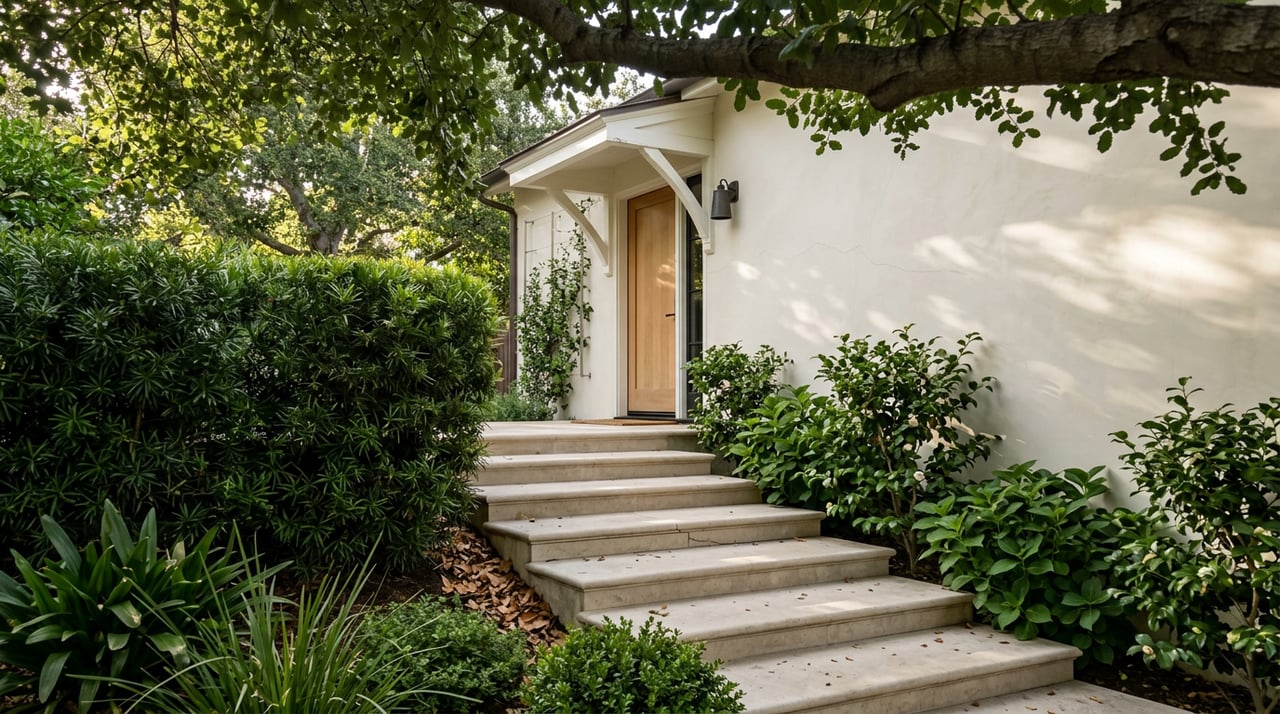
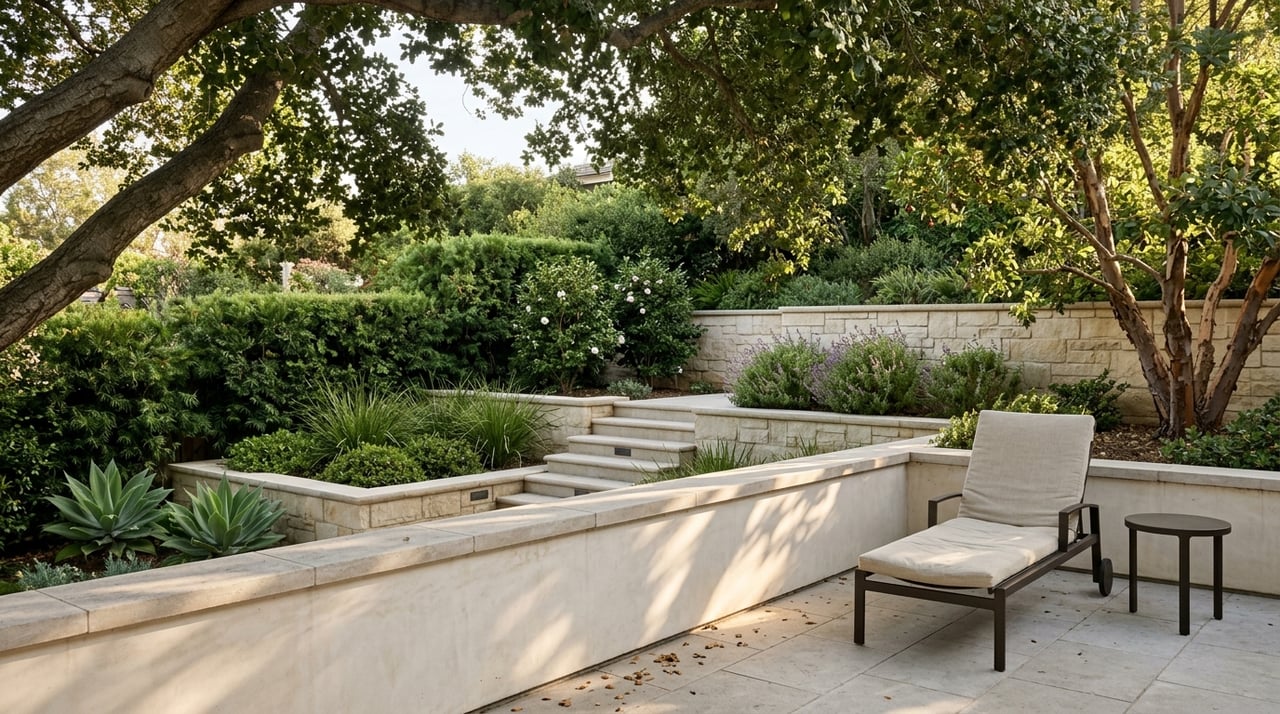
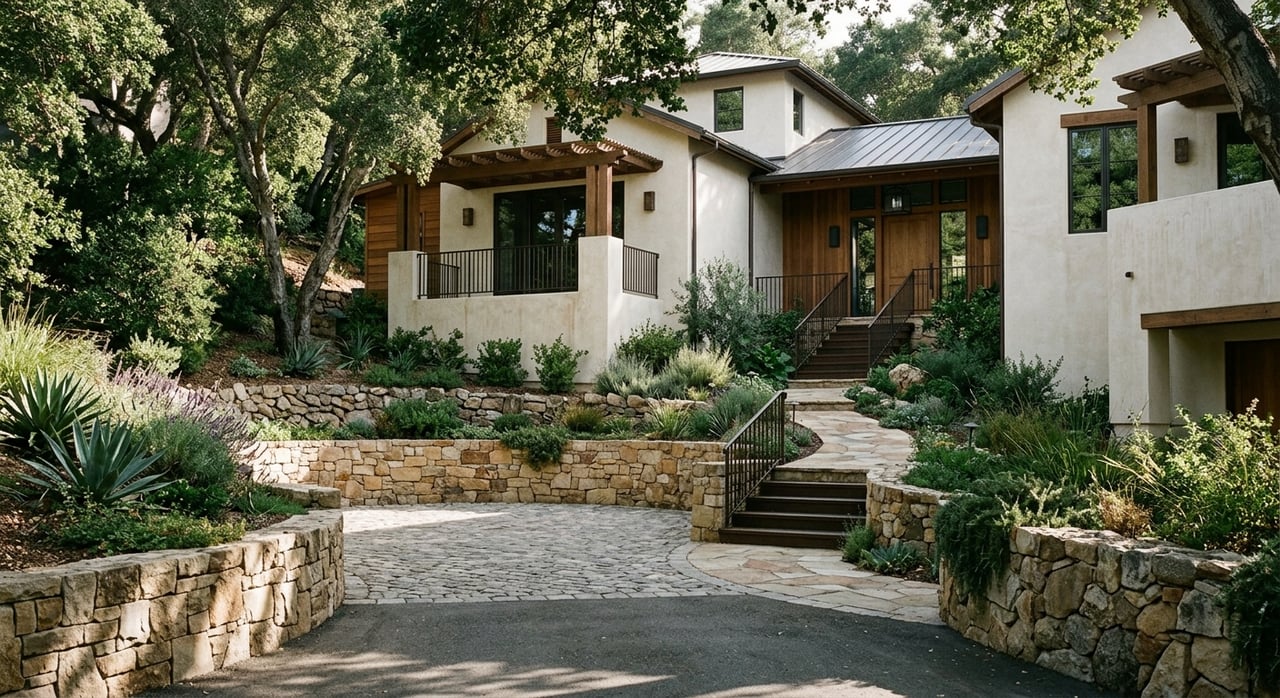
Glendale’s hillside guidelines consistently reward homes that belong to their setting. They encourage structures that terrace with the slope, discourage excessive grading, and recommend minimizing visible retaining walls where possible. That framework offers a helpful cue for presentation.
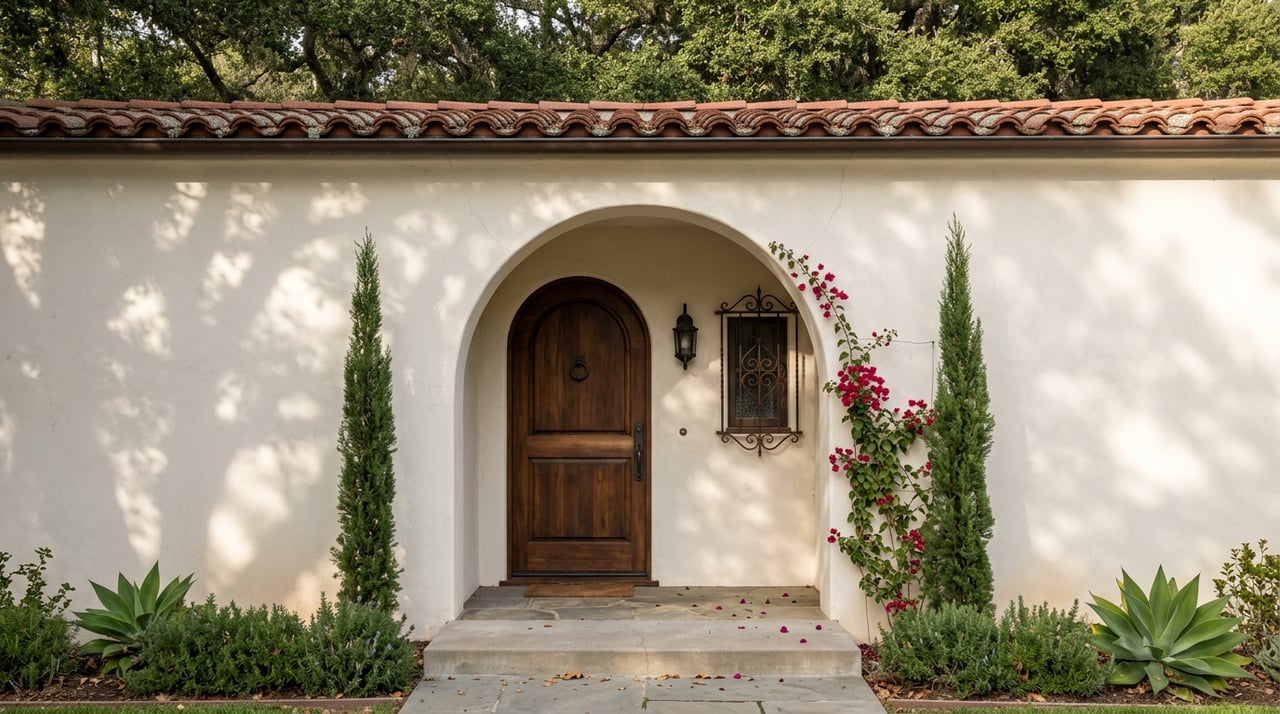
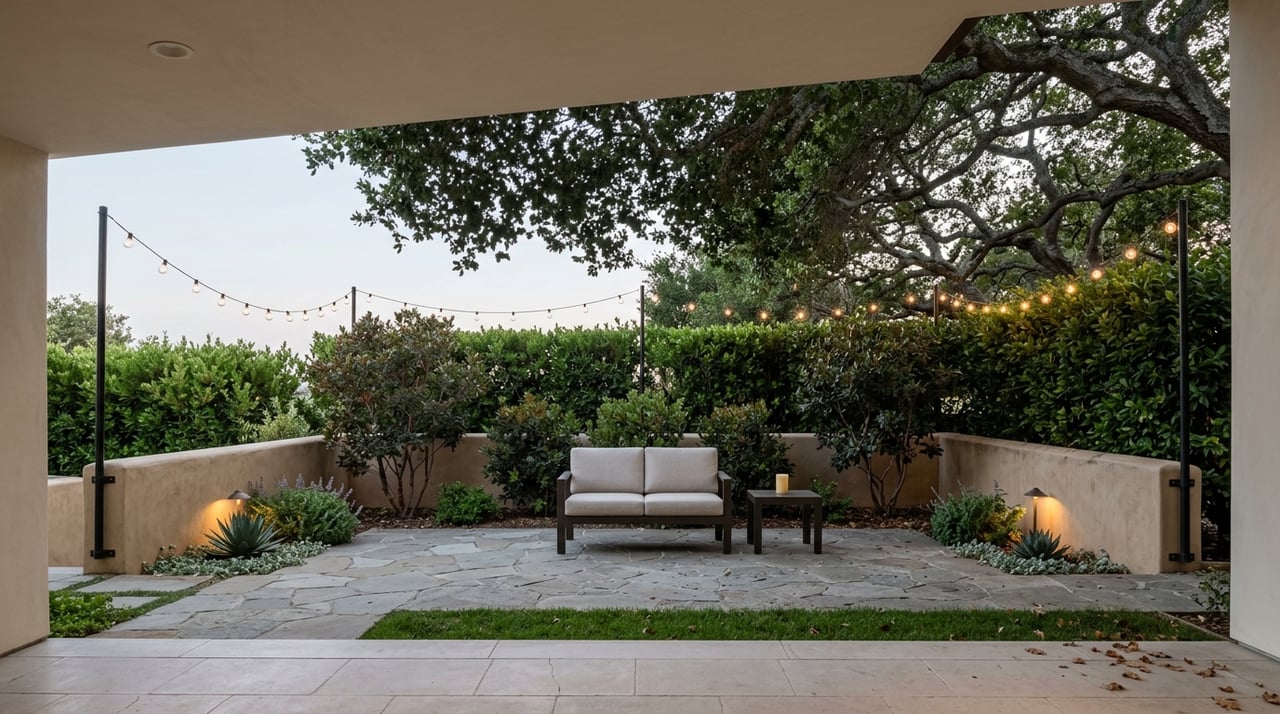
Your marketing should not treat the site as a complication to explain away. Instead, it should show how the home meets the hillside with intention. When architecture, terraces, planting, and approach all feel coherent, buyers are more likely to see the property as a complete offering rather than a list of tradeoffs.
Market the view with precision
A hillside view can be a genuine asset, but vague language is not enough. Research shows that scenic views can command a premium, yet that premium depends on visibility, exclusivity, and how durable the view experience feels. In other words, buyers respond best when the view is documented, not merely claimed.
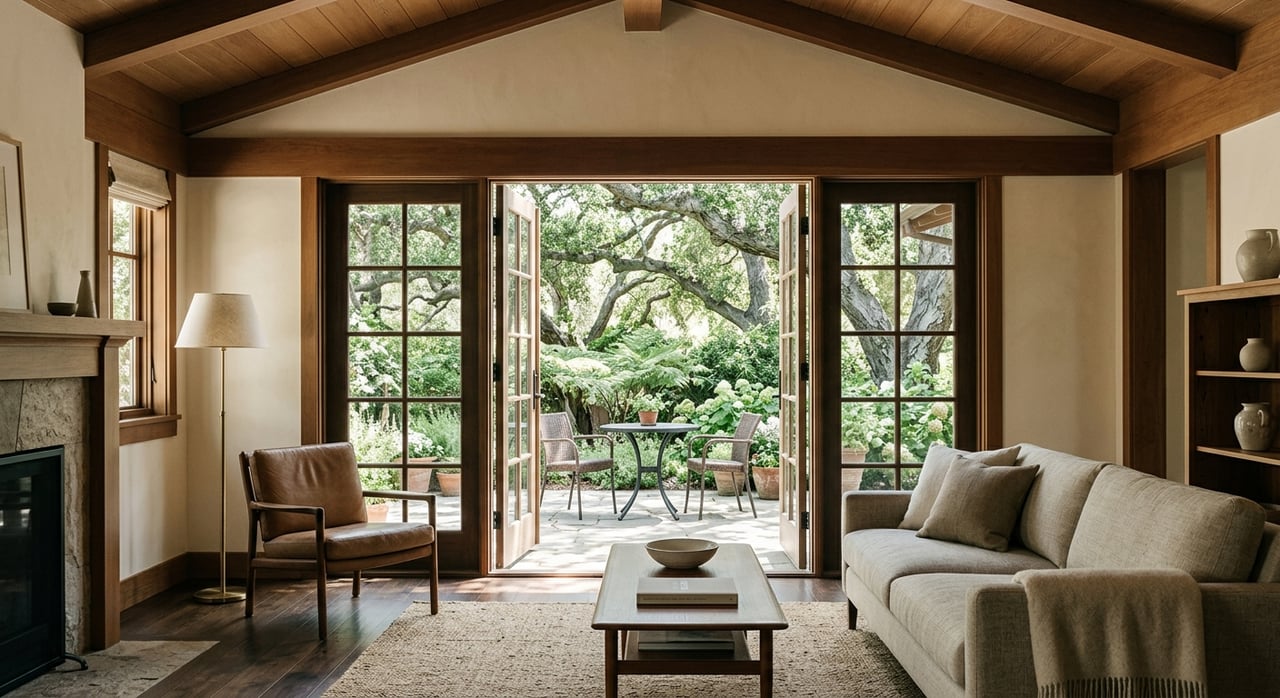
That is where a curator-led approach matters. Strong presentation shows the view from principal living spaces, outdoor rooms, and the arrival sequence. It also helps buyers understand how the view interacts with privacy, architecture, and different times of day.
Clean up landscape and drainage
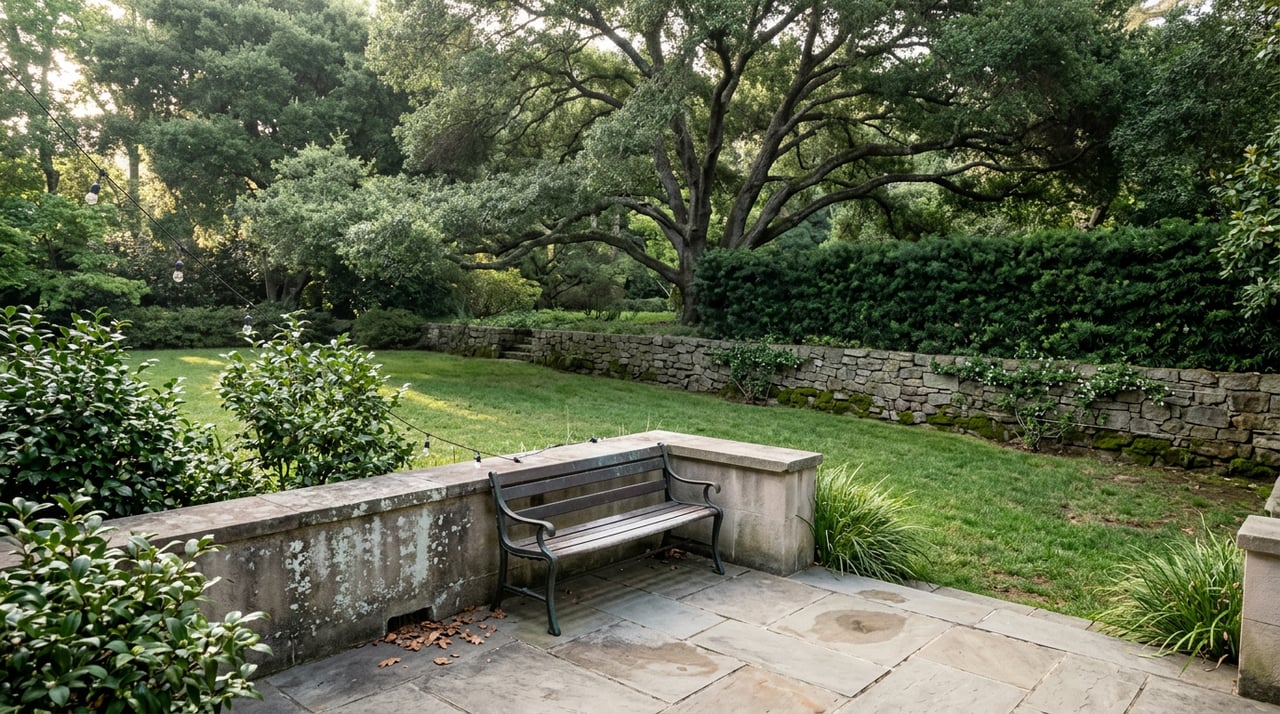
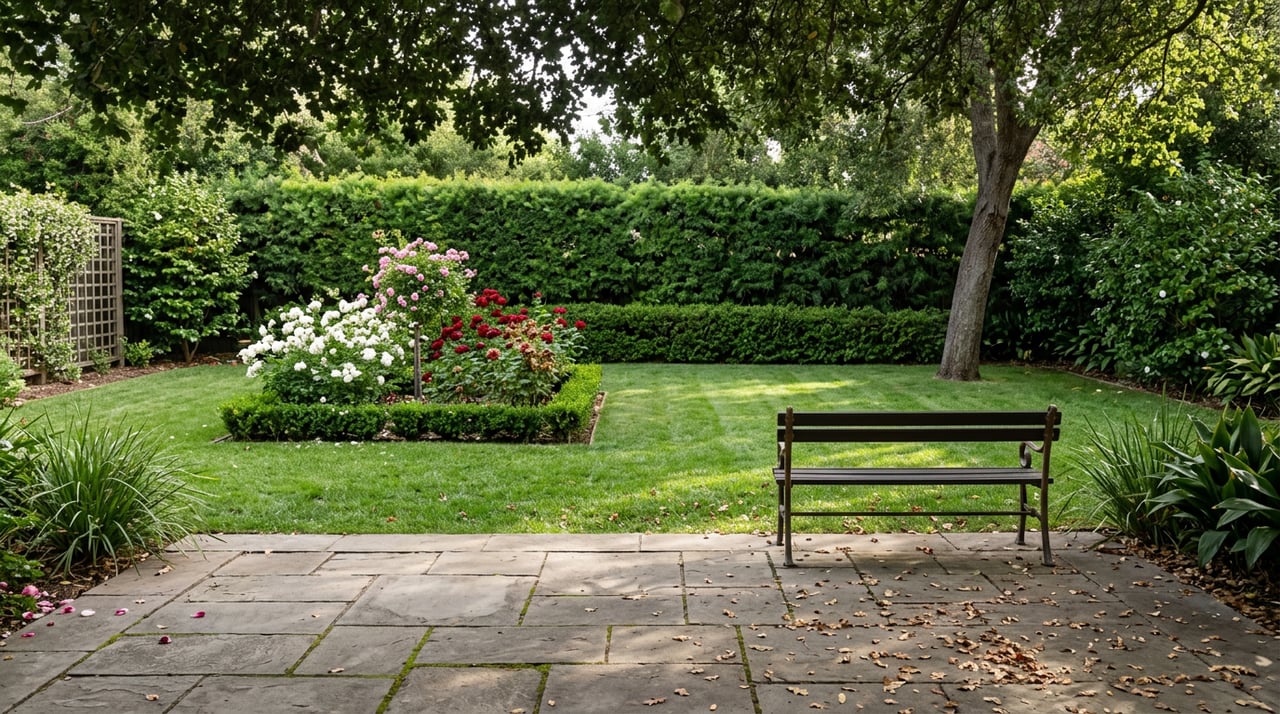
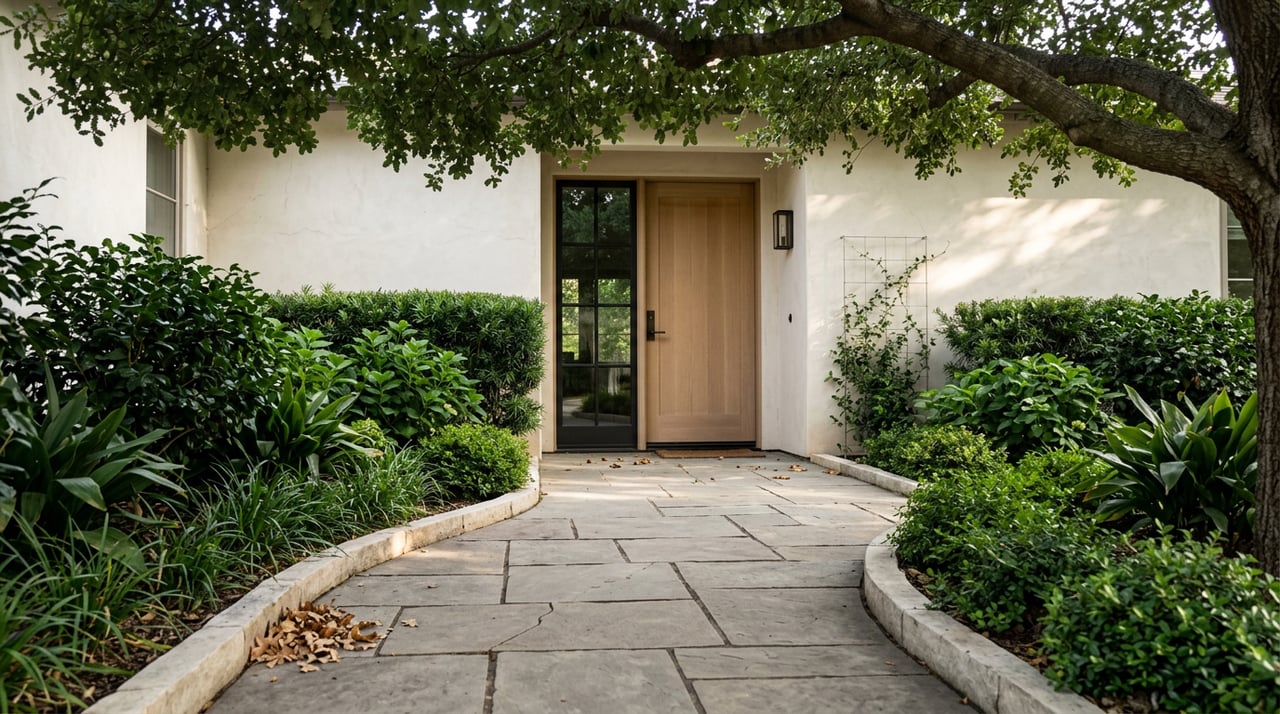
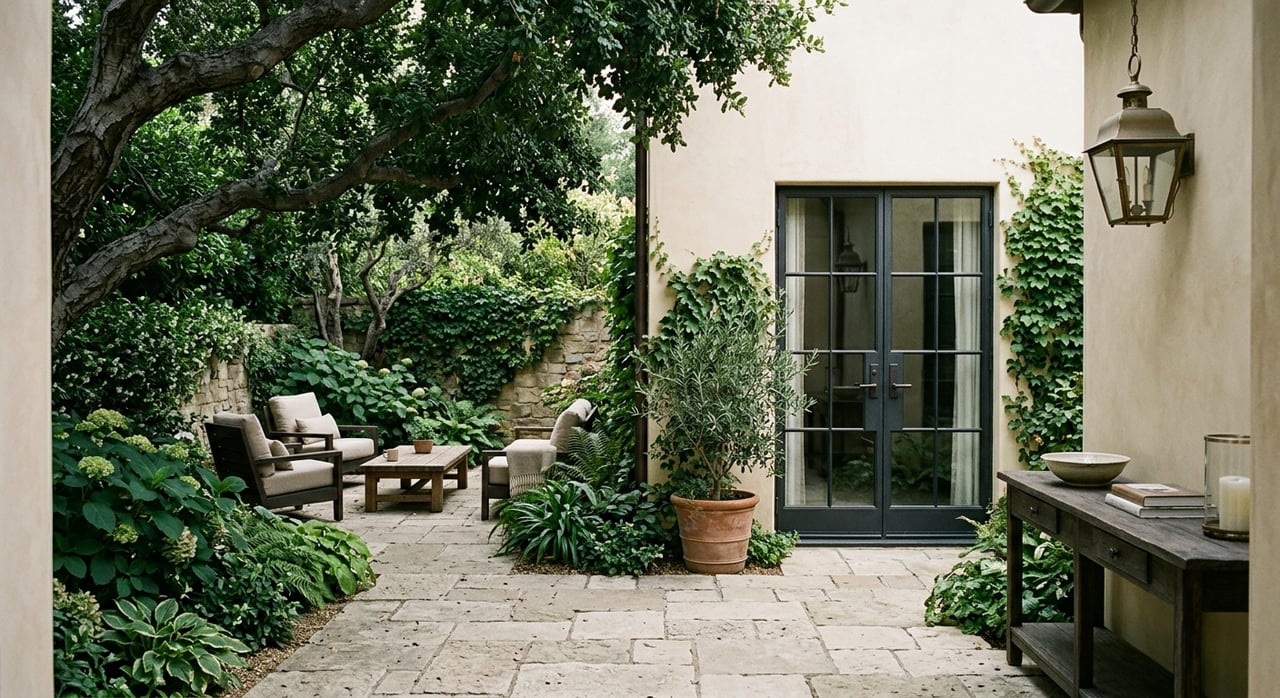
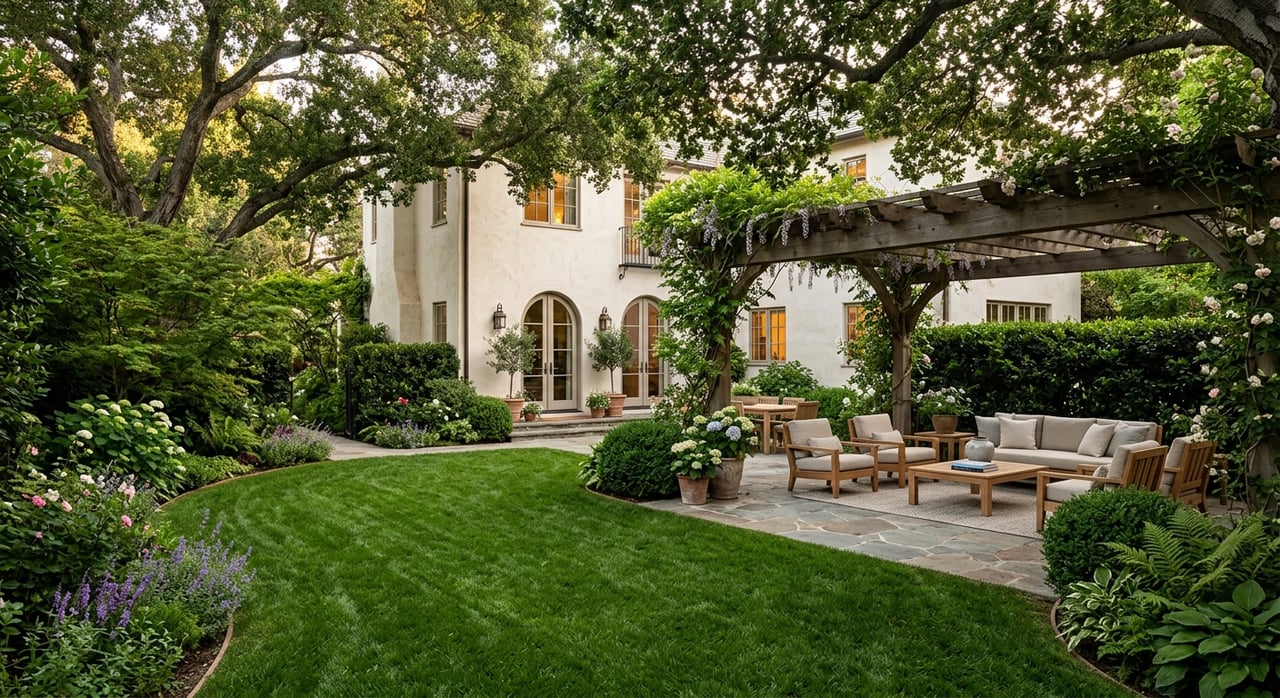
On a Glendale hillside property, exterior presentation goes beyond fresh mulch and potted plants. The city’s guidelines emphasize fire-resistant and drought-tolerant planting, mature tree preservation where possible, drainage control, screened equipment, and low-visual-impact retaining walls. Buyers may not use those exact terms, but they notice when a property feels orderly, stable, and well maintained.
That means your pre-listing work should focus on sightlines, drainage function, and landscape structure. Clear pathways, tidy planted areas, trimmed vegetation, and discreet service elements all help the home feel easier to own. On a hillside, that sense of order is part of value.
Price for hillside reality, not flat-lot logic
Use the right comparable sales
One of the biggest pricing mistakes with Glendale hillside homes is relying too heavily on nearby sales that do not share the same physical conditions. A comparable property should reflect more than square footage and bedroom count. Slope, access, parking, view quality, wildfire exposure, and permit history all shape how buyers compare one home to another.
That is why a hillside pricing strategy must be selective. A flat-lot sale in the same zip code may look relevant on paper, but if it offers easier parking, lower maintenance burden, or less wildfire exposure, it may not reflect your buyer pool accurately.
Balance view premiums with risk factors
A beautiful view can support pricing, but it does not erase buyer caution. Research cited in California wildfire markets suggests that disclosure requirements and wildfire risk can affect sale prices. One study found that California homes subject to wildfire-hazard disclosure sold for about 4.3 percent less than nearby homes without that requirement, while another found a 7.5 percent discount in high-wildfire-risk census tracts since 2015, with insurance costs contributing to the effect.
For Glendale sellers, the takeaway is simple. A view premium is real, but it may not fully offset concerns about access, insurance, maintenance, or wildfire exposure. Thoughtful pricing earns stronger engagement than aspirational pricing that asks buyers to overlook practical realities.
Avoid common escrow surprises
Expect questions about maintenance and usability
Most escrow issues for a Glendale hillside home are not dramatic. They are usually paperwork and due-diligence issues that become larger when they are addressed too late. Buyers commonly focus on defensible-space records, brush-clearance status, documented improvements, parking logistics, driveway usability, and ongoing maintenance expectations.
When you prepare these answers in advance, you lower the chance of a renegotiation driven by uncertainty. Even buyers who love the architecture and setting want to feel they are stepping into a property that has been managed with care.
Do not overstate wildfire rules
It is also important to stay accurate when discussing wildfire compliance. As of January 6, 2026, Glendale stated that California’s proposed Zone Zero rules were delayed, though the city still encouraged homeowners to keep the first five feet around the home clear of combustibles. For sellers, the lesson is to avoid overstating requirements while still presenting the property as responsibly maintained.
Buyers respond well to precision. Clear, factual communication builds trust and keeps the transaction grounded.
A confident Glendale hillside sale
Selling a Glendale hillside home with confidence starts by respecting what makes the property distinct. Access, parking, fire-zone documentation, drainage, site fit, and thoughtful presentation are not side notes. They are central to value, buyer perception, and escrow stability.
With the right preparation, a hillside home can be presented with both candor and elegance. That means telling the full story: the architecture, the setting, the view, and the practical details that make the property work. If you are preparing for a sale and want a more tailored strategy, Chelby Crawford offers a private, design-forward approach grounded in careful presentation and no-surprises execution.
FAQs
What makes selling a Glendale hillside home different from selling a flat-lot home?
- Glendale hillside homes are often evaluated on access, parking, slope, drainage, fire-zone compliance, and how well the home fits the site, not just on square footage and finishes.
What AB 38 documents should sellers prepare for a Glendale hillside home?
- If the property is in a High or Very High Fire Hazard Severity Zone, sellers should prepare documentation showing defensible-space compliance and the required wildfire-related disclosures described by Glendale.
How should sellers handle parking and driveway concerns for Glendale hillside showings?
- Sellers should plan arrival instructions, guest parking, and turning access before listing so buyers can experience the property with less confusion and more confidence.
Which improvements matter most before listing a Glendale hillside property?
- Improvements and maintenance related to brush clearance, drainage, retaining walls, decks, driveways, and tree work often matter most because buyers may view them as functional and safety-related issues.
How should a Glendale hillside seller market a view home responsibly?
- A seller should document the view from key rooms and outdoor spaces while also presenting the home honestly with respect to access, maintenance, and wildfire-related conditions.