You have your eye on a Pasadena home that blends architecture, history, and light, but the price sits beyond standard loan limits. If you are wondering how jumbo financing works in Los Angeles County, you are not alone. With the right preparation, you can qualify with confidence and move through escrow smoothly. This guide breaks down what a jumbo loan is, what lenders expect, the documents to gather, and Pasadena specifics that can impact timing and terms. Let’s dive in.
Updated: December 2025
What is a jumbo loan
A jumbo loan is a mortgage that exceeds the conforming loan limit for the county where the property is located. Conforming loans fit into standards used by Fannie Mae and Freddie Mac. Anything above the county limit is considered non-conforming or jumbo.
The Federal Housing Finance Agency updates conforming limits each year. There is a national baseline and a higher ceiling for certain high-cost counties. Los Angeles County buyers should confirm the current county limit before writing an offer because any mortgage amount above that number will be treated as a jumbo.
Pasadena price tiers and jumbo
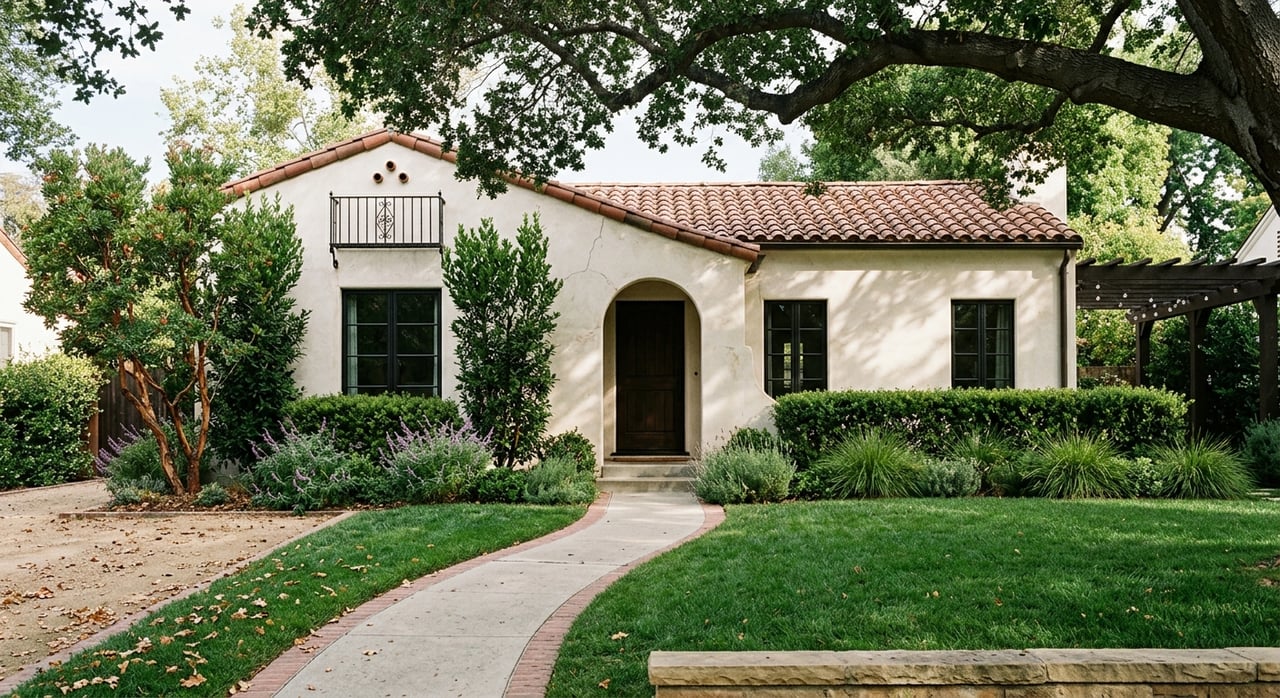
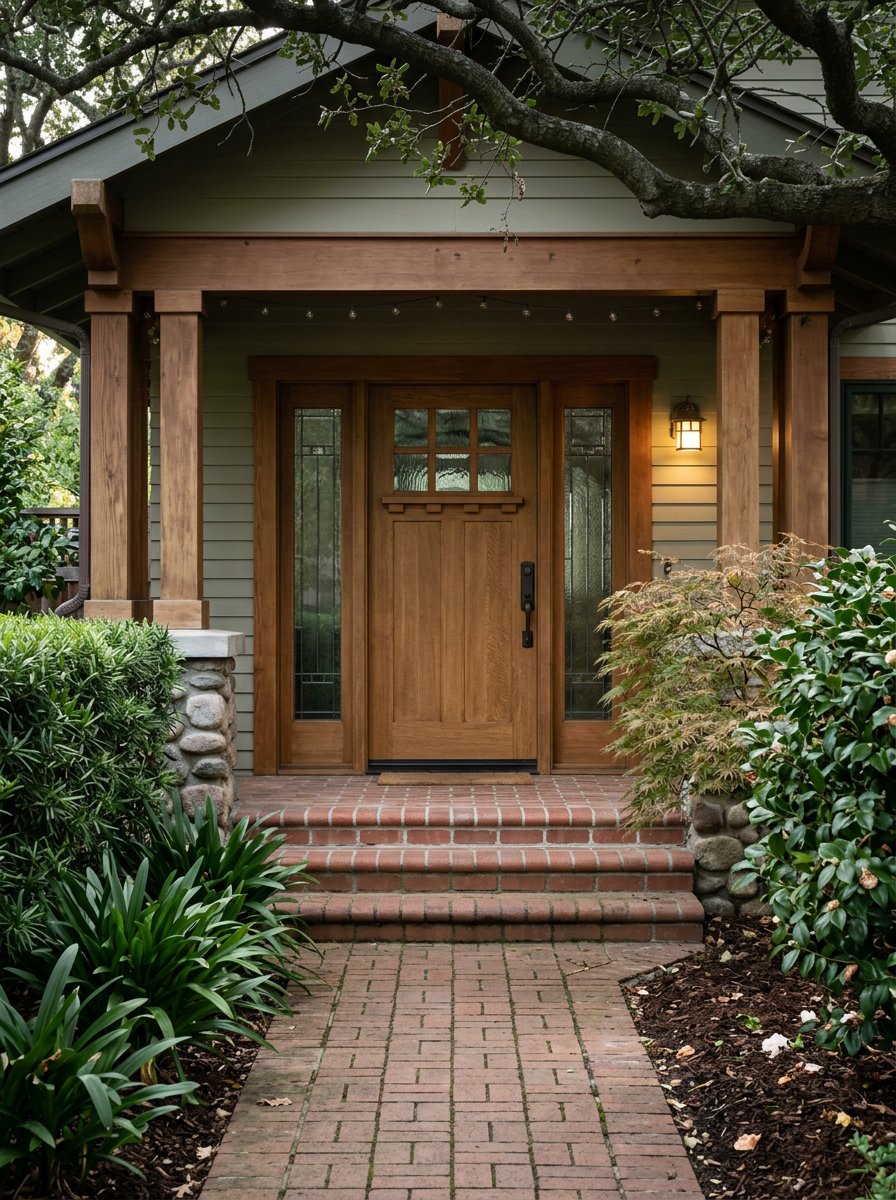
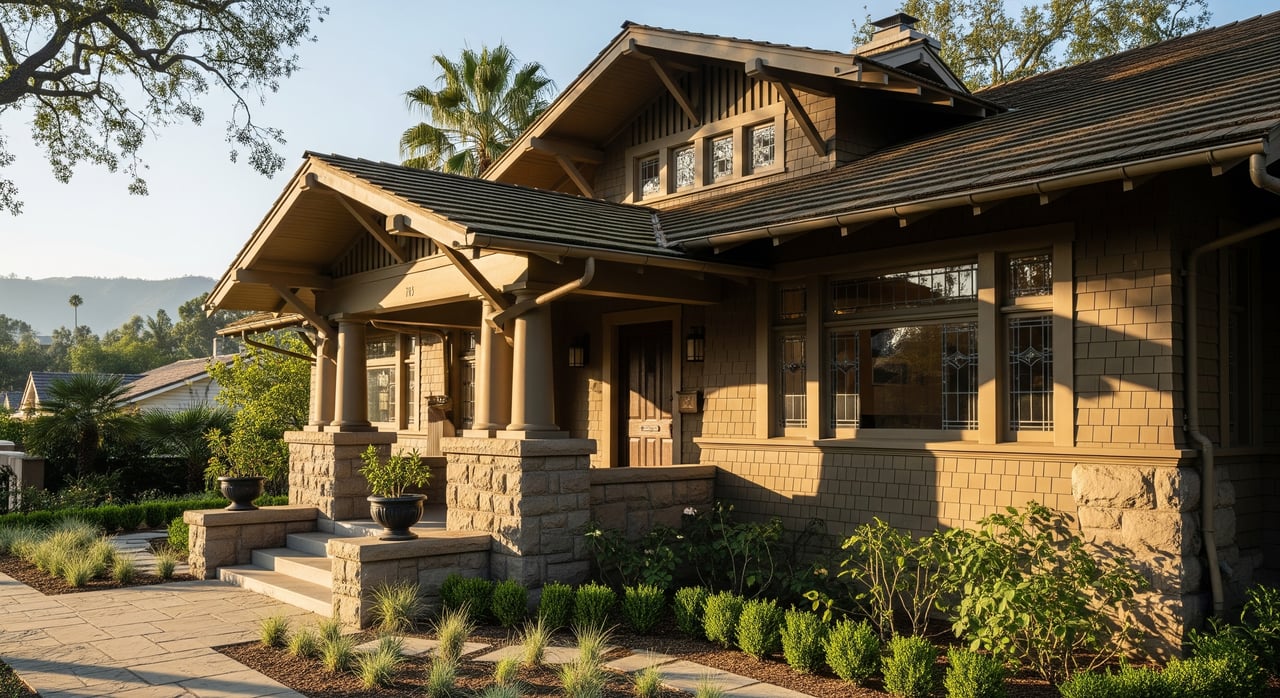
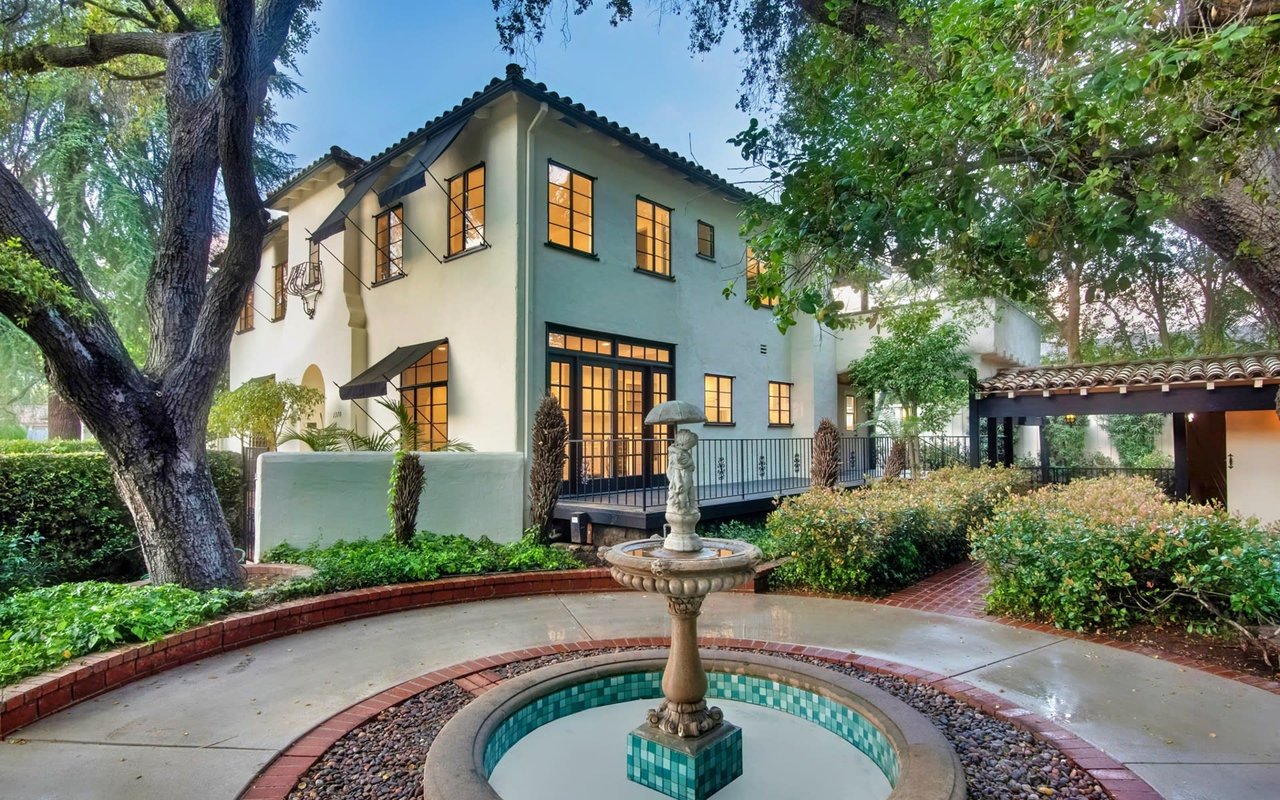
Many Pasadena properties at the upper end, including view homes, historic estates, and design-forward single-family residences, often require jumbo financing. If your target home price and down payment produce a loan amount above the county’s conforming limit, you will be in jumbo territory and subject to different underwriting standards.
Loan limits in Los Angeles County
For planning, remember two things:
- The FHFA sets conforming loan limits annually and adjusts for high-cost counties.
- You should verify the current Los Angeles County limit before shopping, since it affects your loan type and approval path.
If your required mortgage amount is higher than the county limit, you will use a jumbo program. That shift changes documentation expectations, down payment ranges, reserve requirements, and sometimes appraisal steps.
Jumbo underwriting basics
Jumbo underwriting is more conservative than standard conforming loans. Lenders focus on your overall financial strength, the property’s marketability, and your available liquidity.
Credit profile
- Many lenders look for strong credit scores, with best pricing often at 740 and above.
- Scores around 720 can be workable for many programs. Minimums vary by lender.
- Recent late payments or major credit events carry more weight with jumbos.
Debt-to-income ratio
- Target a debt-to-income ratio at or below 43 to 45 percent for approval comfort.
- A lower DTI, such as 36 percent or below, can improve pricing and options.
- Exceptions may be possible with strong compensating factors like large liquid assets.
Down payment and LTV
- Primary residences often qualify up to 80 to 90 percent loan-to-value depending on loan size, credit, and property type.
- For larger loan amounts, many lenders expect 20 to 30 percent down.
- Jumbos typically do not use mortgage insurance. Risk is managed by lower LTVs and stronger reserves.
Cash reserves
- Plan for 6 to 12 months of reserves or more, especially for high-balance jumbos.
- Reserves are usually verified liquid funds. Lenders count principal, interest, taxes, and insurance when calculating months of reserves.
Income and employment
- W-2 income: two years of W-2s, recent pay stubs covering 30 to 60 days, and employer verification. Tax returns may be required if income has variable elements.
- Self-employed or 1099: two years of personal and business tax returns, year-to-date profit and loss and balance sheet, and possibly a CPA letter or bank statements.
- Rental income: leases and tax returns are used to document cash flow, and lenders often apply a vacancy factor when qualifying.
Assets and large deposits
- Expect to provide two to three months of bank and investment statements.
- Large or recent deposits require a clear paper trail. Gift funds may be allowed but must follow lender rules.
Property type and appraisal
- Unique or hard-to-value properties can limit lender options. Historic homes may require additional inspection items.
- Many jumbo lenders require a full interior and exterior appraisal. Higher-value properties may need a second appraisal or review.
- Condominiums and PUDs must meet project eligibility standards. Some jumbo programs are stricter about HOA reserves, insurance, and owner-occupancy ratios.
Other borrower categories
- Foreign national buyers often need larger down payments and may see higher rates.
- Portfolio loans or non-occupant co-borrowers can be options for complex scenarios.
Your jumbo document checklist
Gathering documents early speeds underwriting and strengthens your offer.
Essential documents
- Government ID.
- Fully executed purchase contract when in escrow.
- Two most recent pay stubs and employer contact for verification.
- Two years of personal federal tax returns and W-2s.
- For self-employed: two years of business and personal tax returns, K-1s if applicable, and year-to-date profit and loss.
- Two to three months of bank and investment statements, all pages.
- Statements for retirement accounts that show balance and access provisions.
- Documentation for other assets such as brokerage accounts or trust distributions.
- Mortgage statements for current properties, leases, and Schedule E if you hold rentals.
- Brief letters explaining credit inquiries, employment gaps, large deposits, or any derogatory credit items.
Additional items sometimes requested
- Gift letters and donor proof if you are using gifted funds.
- CPA letter to verify self-employed income details.
- Business license or Articles of Incorporation for business owners.
- HOA documents for condos or PUDs.
- Trust documents if you plan to hold title in a trust.
Rate and product choices
Your loan structure should match your time horizon and cash flow goals.
Common jumbo products
- Fixed-rate jumbo: 30-year and 15-year fixed provide payment stability. They suit longer hold periods.
- Jumbo ARMs: 5/6, 7/6, and 10/6 ARMs often start with lower initial rates for well-qualified borrowers.
- Portfolio loans: held on the lender’s balance sheet and can be more flexible on documentation or property type.
- Bank statement or non-QM: useful for self-employed buyers who document cash flow with statements. Expect higher rates and down payments.
- Jumbo refinances: cash-out options exist but usually have tighter LTV caps.
What moves jumbo rates
- Broader market conditions drive base pricing. Long-term Treasury yields and investor demand for jumbo loans influence daily rates.
- Your scenario adds the margin: credit score, LTV, loan amount, occupancy, and property type.
- In some markets, jumbo rates can be similar to or even better than conforming rates for very strong borrowers. Spreads change over time, so ask your lender for a current comparison.
Timing and milestones
- Prequalification or preapproval can be same day to a few days if your documents are complete. A fully documented preapproval is stronger in competitive situations.
- Full jumbo underwriting often takes 30 to 45 days. Complex files can run longer due to manual reviews and specialized appraisals.
- Appraisal turn times may be slower for high-value or unique homes. Build that into your offer strategy.
Pasadena-specific factors to plan for
Buying in Pasadena adds a few local considerations that affect monthly payments and underwriting.
Property taxes and insurance
- Property taxes in Los Angeles County are based on Proposition 13, roughly 1 percent of assessed value plus voter-approved assessments. Get an estimated tax bill early in escrow.
- Homeowners insurance for higher replacement cost homes requires careful quoting. Earthquake insurance is a separate policy in our region and can materially impact your monthly cash flow and qualifying ratios.
- For condos and PUDs, HOA dues count toward your DTI. Lenders review the association’s financial health as part of project eligibility.
Condos and older projects
- Some older condominium projects or small HOAs may not meet stricter jumbo guidelines around reserves, insurance, litigation, or owner-occupancy. Confirm project eligibility before you submit an offer.
Appraisals and title
- High-value appraisals in Pasadena benefit from appraisers experienced with luxury and historic properties. Some lenders maintain special panels or require a second valuation.
- Title items such as easements or historic covenants should be reviewed early so they do not delay closing.
How to prepare and choose a lender
Getting out in front of jumbo requirements makes your file stronger and your offer more compelling.
Prepare early
- Assemble two years of tax returns, recent pay stubs, and three months of statements before shopping.
- Map your funds to close. Document sources for down payment, closing costs, and reserves. If gifts are involved, secure gift letters and donor proofs.
- Address small credit items now so they do not hold up underwriting.
Choosing the right lender
- Favor lenders with a track record in high-balance jumbos and Pasadena property types.
- Ask about turn times for jumbo underwriting and high-value appraisals, maximum loan sizes, standard LTV and reserve requirements, and any special rules for condos or historic homes.
- Clarify whether the lender holds loans in portfolio or sells to investors, since that can affect flexibility.
- If you are self-employed or a foreign national, request scenario-specific documentation checklists upfront.
When to bring in a mortgage pro
- Engage a lender before you write an offer on any home near or above the county limit.
- Bring a lender in early if you are self-employed, planning a complex structure, buying a condo, or purchasing a historic property that may require additional reviews.
Next steps
If you are targeting a Pasadena home that likely requires jumbo financing, the most important move is a fully documented preapproval with a lender experienced in high-balance files and local property types. That preapproval, paired with a clear plan for funds and reserves, positions you to act decisively when the right home appears.
If you would like a confidential conversation about your goals, neighborhood preferences, and how jumbo financing aligns with your timeline, reach out to Chelby Crawford to request a private market consultation.
FAQs
What is a jumbo loan in Los Angeles County
- A jumbo loan is any mortgage amount that exceeds the current FHFA conforming loan limit for Los Angeles County, which is updated annually.
How much down payment do Pasadena jumbo loans require
- Many jumbo programs expect 20 to 30 percent down, with exact requirements based on loan size, credit, occupancy, and property type.
What credit score do I need for a jumbo mortgage
- Lenders often reserve the best pricing for scores of 740 and above, and many programs look for at least the low 700s, though minimums vary.
How long does a jumbo loan approval take in Pasadena
- Plan for 30 to 45 days for full underwriting, with more time if the file is complex or the property needs specialized appraisals.
Do jumbo loans include mortgage insurance
- Jumbo loans typically do not use private mortgage insurance; lenders mitigate risk with lower loan-to-value ratios and stronger reserve requirements.
Are Pasadena condominiums eligible for jumbo financing
- Many are eligible, but jumbo lenders apply stricter condo project reviews, so verify HOA reserves, insurance, litigation status, and owner-occupancy early.
Can I do a cash-out refinance with a jumbo loan
- Yes, cash-out jumbo refinances are available, but they usually have tighter loan-to-value limits and documentation standards than rate-and-term refinances.