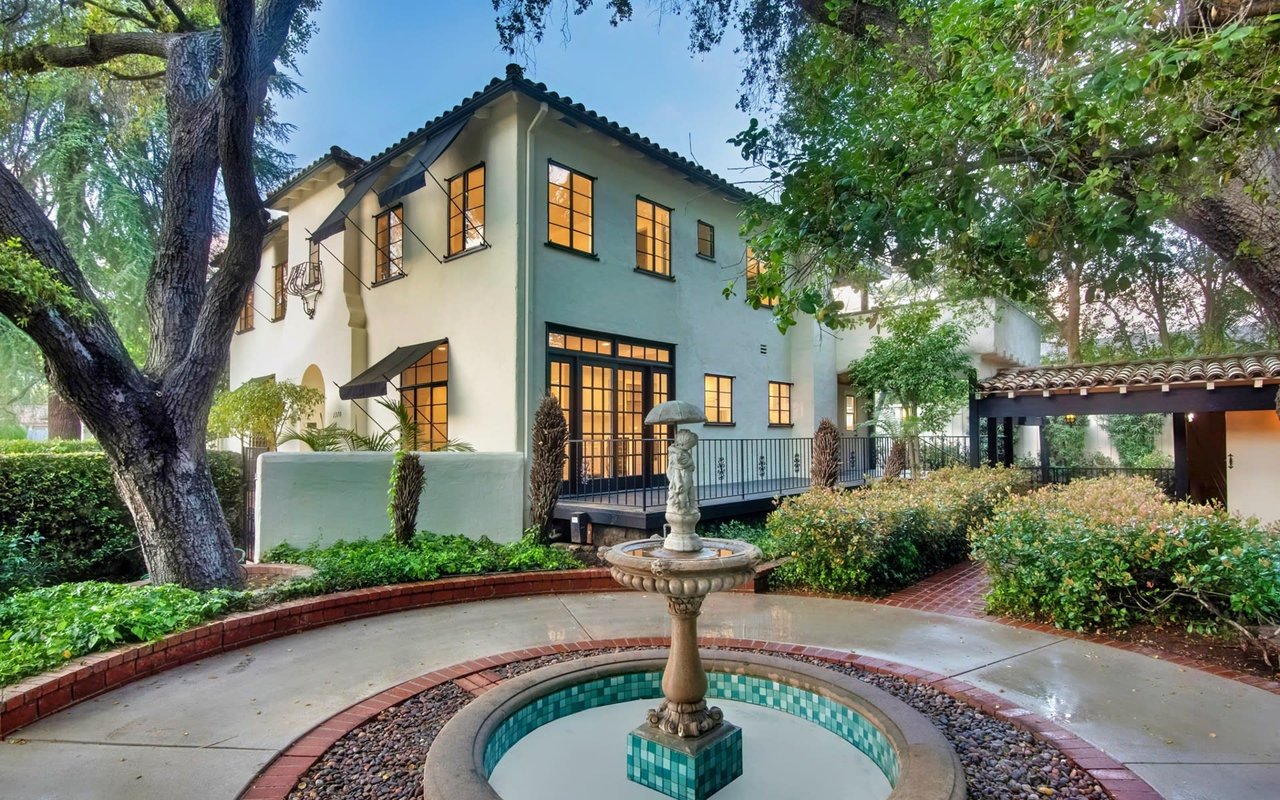
If you are preparing to part with a home that has been in your family for years, the process can feel both practical and deeply personal. In Monrovia, where the market remains active, a long-held property can attract serious attention, but that does not mean you should rush or overdo the preparation. With the right sequence, you can protect the home’s story, stay organized, and make clear decisions with less stress. Let’s walk through it step by step.
Start With Authority and Alignment
Before you think about paint colors or photography, confirm who has the legal authority to act. If the home is held in a trust or tied to an estate, this step matters early because escrow, title, and buyers will need clear documentation showing who can sign and make decisions.
In California, probate may be required when court involvement is needed after a death, and when probate is opened, a judge appoints a personal representative. California Courts notes that the court’s “letters” are the document that shows that person is authorized to act for the estate. If the property is in a trust, trust documents may be needed instead.
This is also the moment to align family communication. When several relatives are involved, one spokesperson and one shared file for documents can help avoid conflicting messages, delays, and unnecessary stress.
Gather the Core Document Packet
A simple document packet can save time later. It helps your listing process move forward with fewer surprises and gives escrow and title a clearer path.
Your packet may include:
- Recorded deed or current vesting information
- Trust documents or probate authority papers, if applicable
- Death certificate, if the owner has passed away
- Records of repairs, upgrades, or past work
- Notes about known defects, issues, or maintenance history
California guidance also notes that a certified death certificate is commonly needed in small-estate transfers. In Los Angeles County, a transfer deed should include a Preliminary Change of Ownership Report when it is recorded.
Understand the Monrovia Market First
Sentiment matters, but pricing still needs to reflect today’s market. Public market trackers described Monrovia as a seller’s market in March 2026, with Realtor.com reporting about 78 homes for sale, a median list price of $1.19 million, and a median 39 days on market. Redfin reported a March 2026 median sale price of $993,000 and 44 days on market.
What does that mean for you? Buyers are active, but they are still comparing condition, presentation, and price. A home with history can stand out, yet it still benefits from current comparable sales and a realistic pricing strategy rather than family memory or an old refinance appraisal.
Price From Current Conditions
A long-held home often carries emotional value that does not always translate directly into market value. That is especially true when a property has not been updated in years or when deferred maintenance affects first impressions.
The goal is not to discount the home’s legacy. The goal is to position it well enough that buyers can appreciate its character while understanding its condition.
Use a Light-Prep Strategy
For many long-held homes, the smartest approach is not a major remodel. It is a disciplined, lower-disruption plan built around cleaning, repairs, simplification, and presentation.
That approach is supported by the National Association of Realtors’ 2025 staging findings. In that report, 83% of buyers’ agents said staging made it easier for buyers to visualize a property, 29% said staging increased the dollar value offered by 1% to 10%, and 49% of sellers’ agents said staging reduced time on market.
Focus on the Updates Buyers Notice
The most commonly recommended pre-listing projects in the 2025 remodeling findings were practical ones, such as painting the entire home, painting one room, and roof work. In other words, value preservation often comes from targeted maintenance and presentation, not from renovating everything.
For a Monrovia home that has been owned for a long time, a strong prep plan may include:
- Deep cleaning throughout the house
- Decluttering and simplifying rooms
- Neutral paint where needed
- Lighting updates for dim or dated spaces
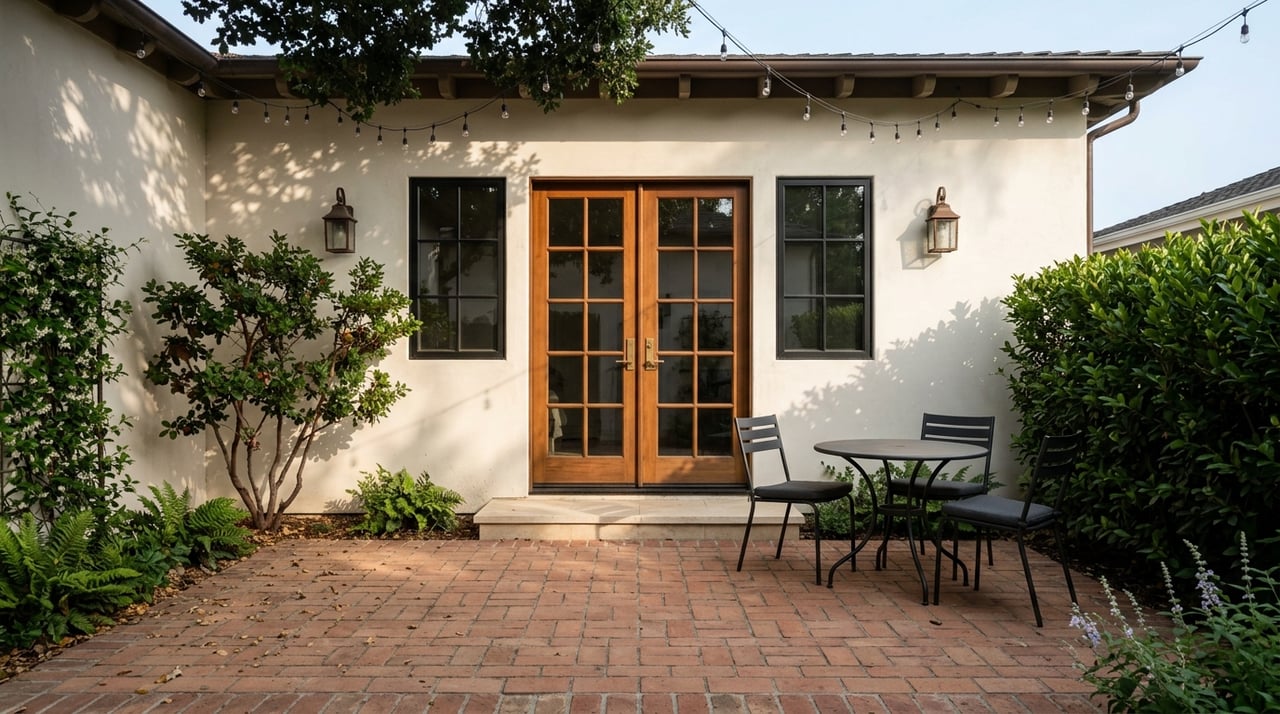
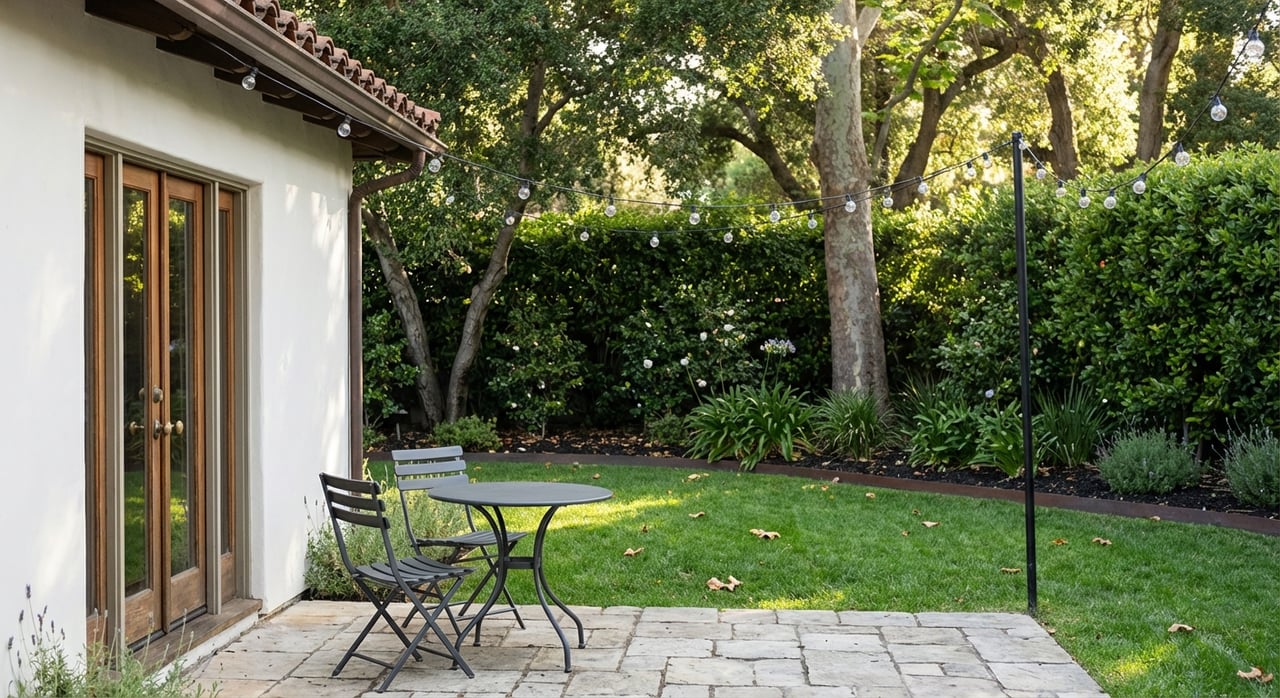
- Yard refresh and basic landscape cleanup
- Selective staging to define rooms and improve flow
- Minor repairs that affect function or first impressions
This kind of prep respects the home while making it easier for buyers to connect with it.
Preserve Character While Reducing Distraction
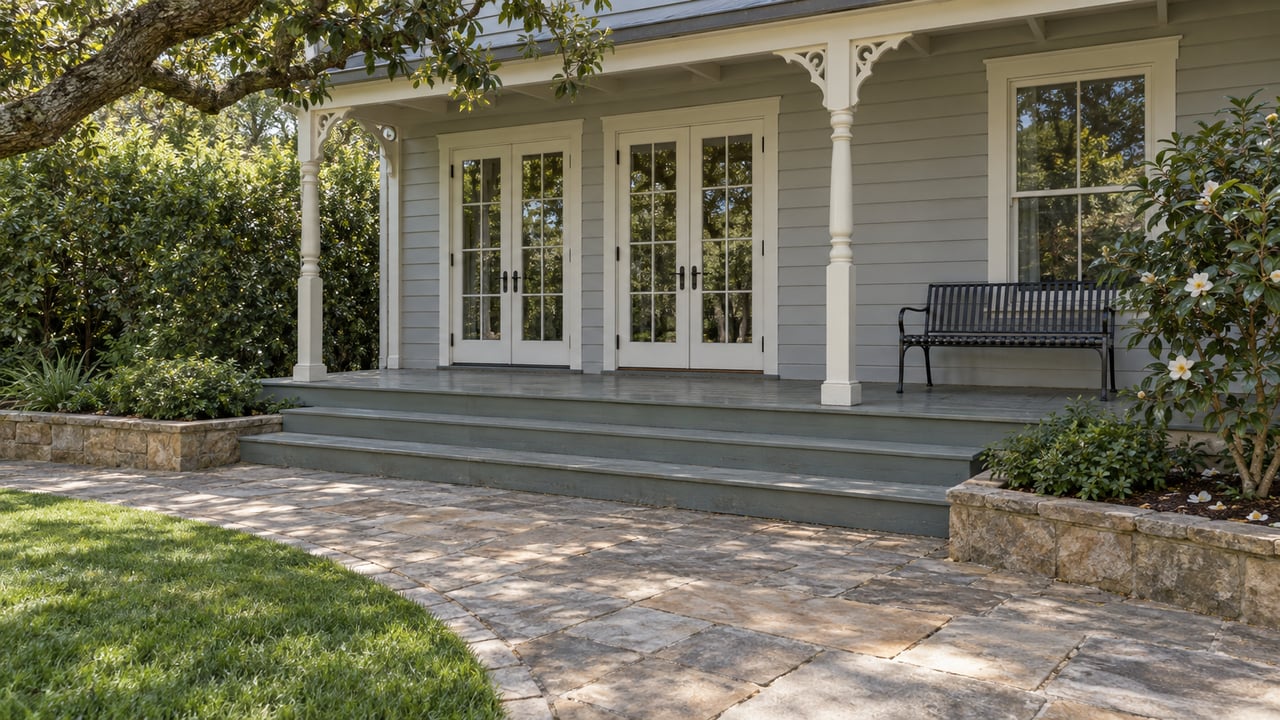
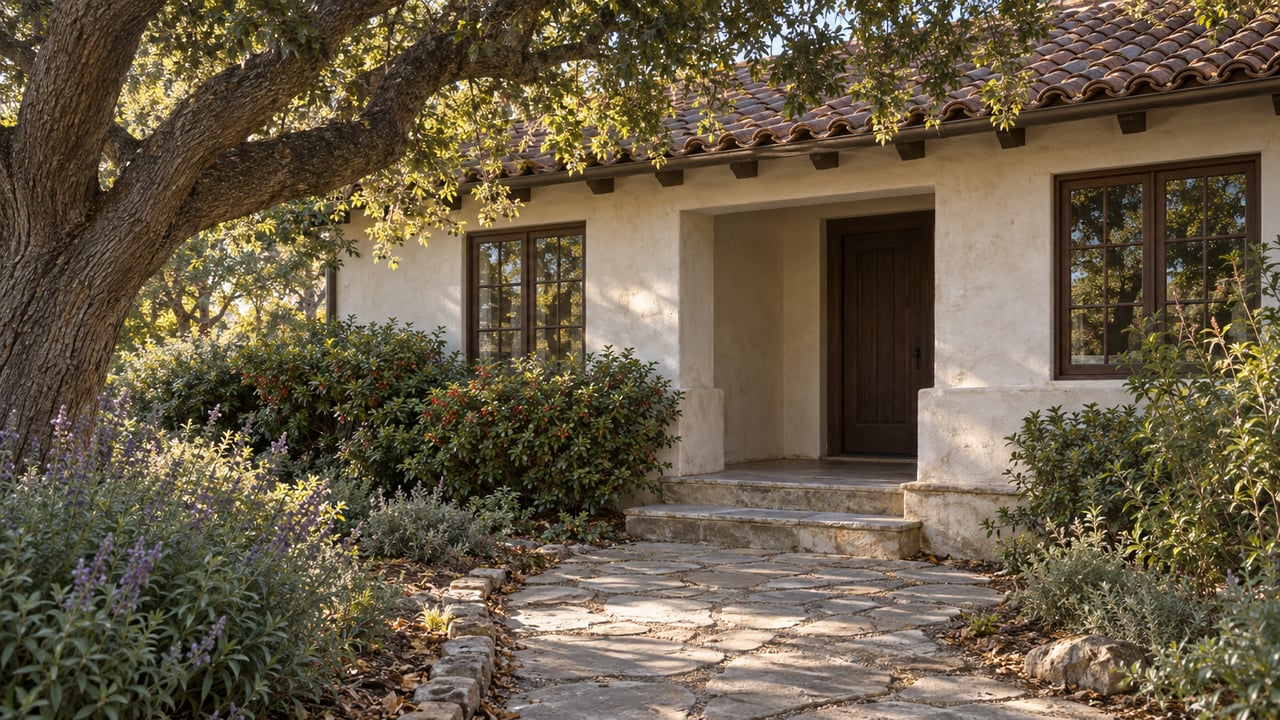
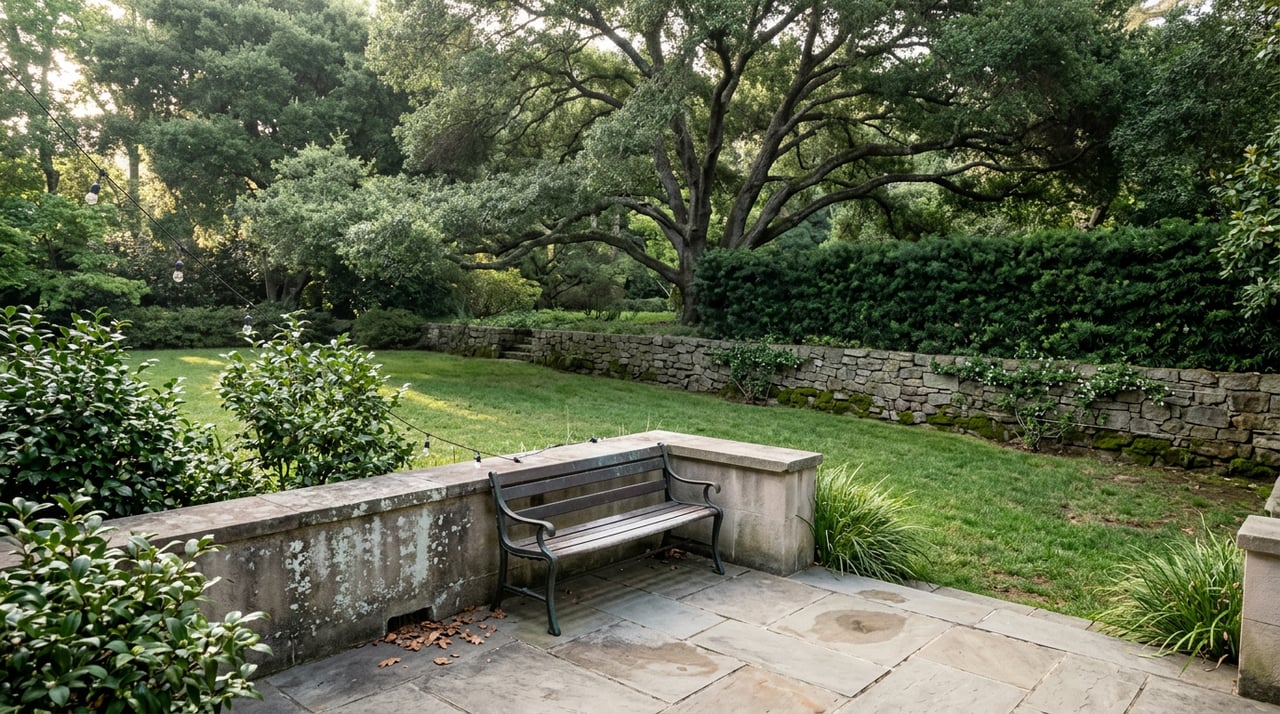
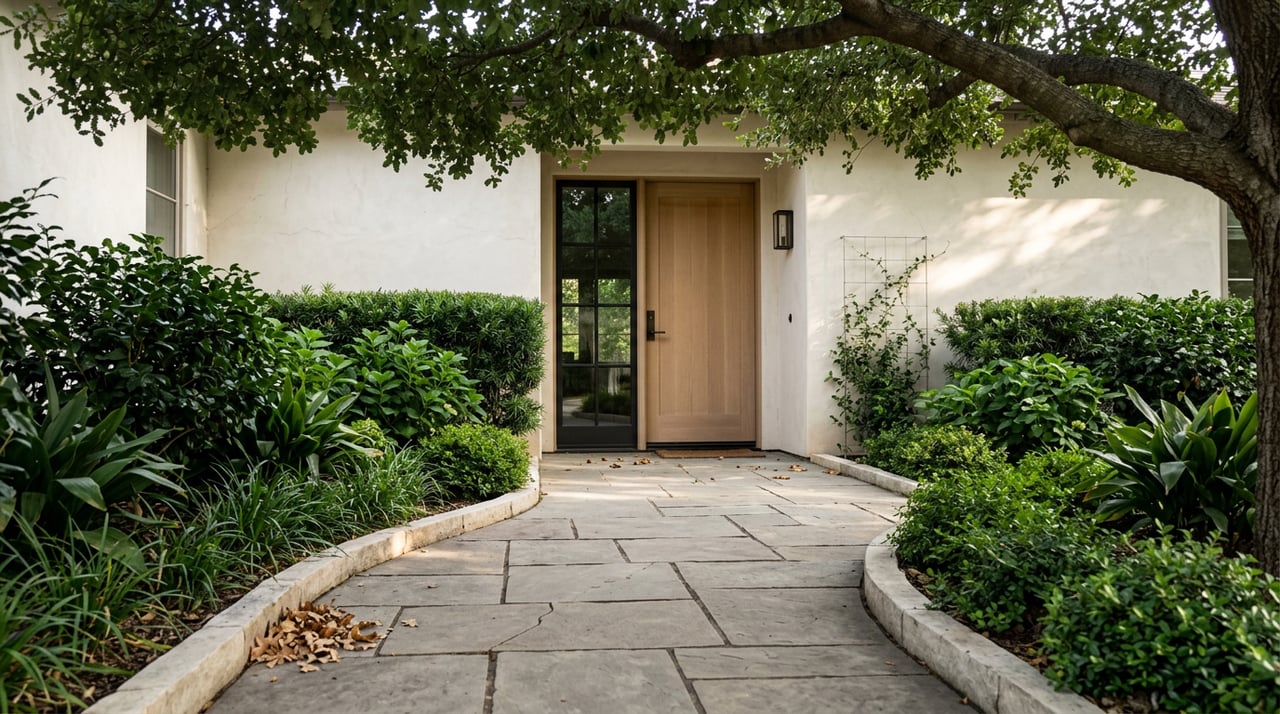
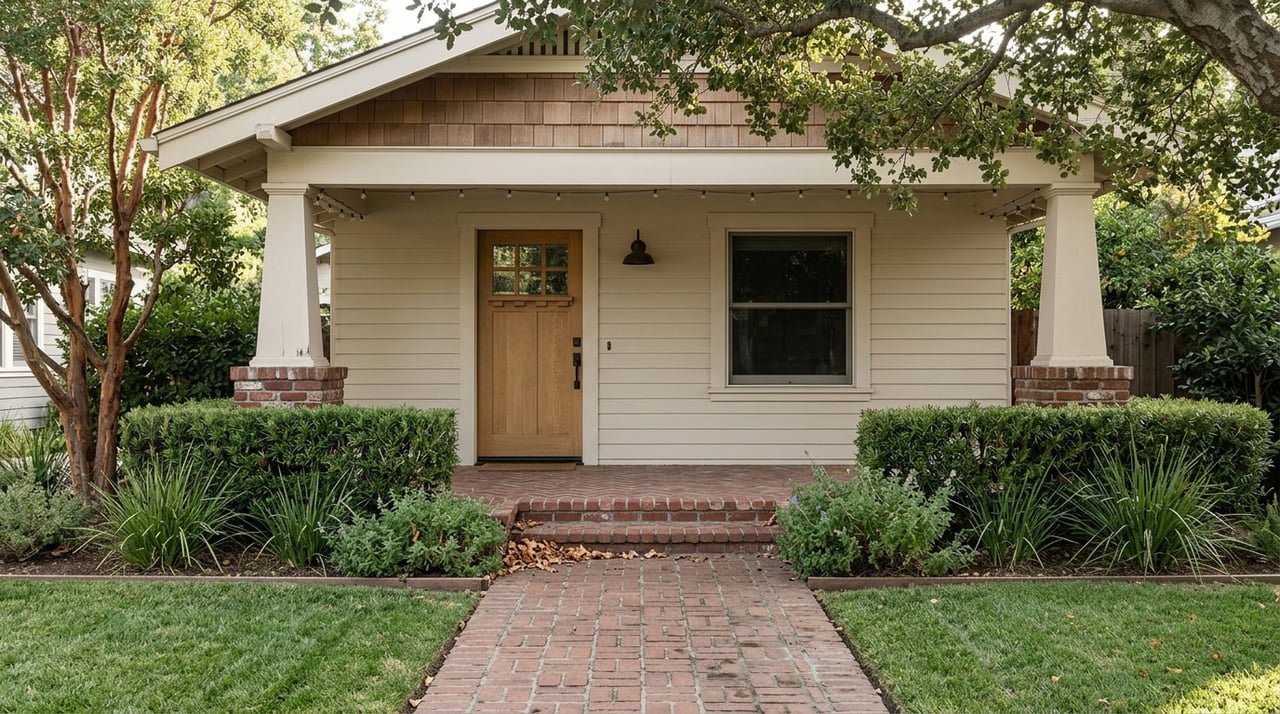
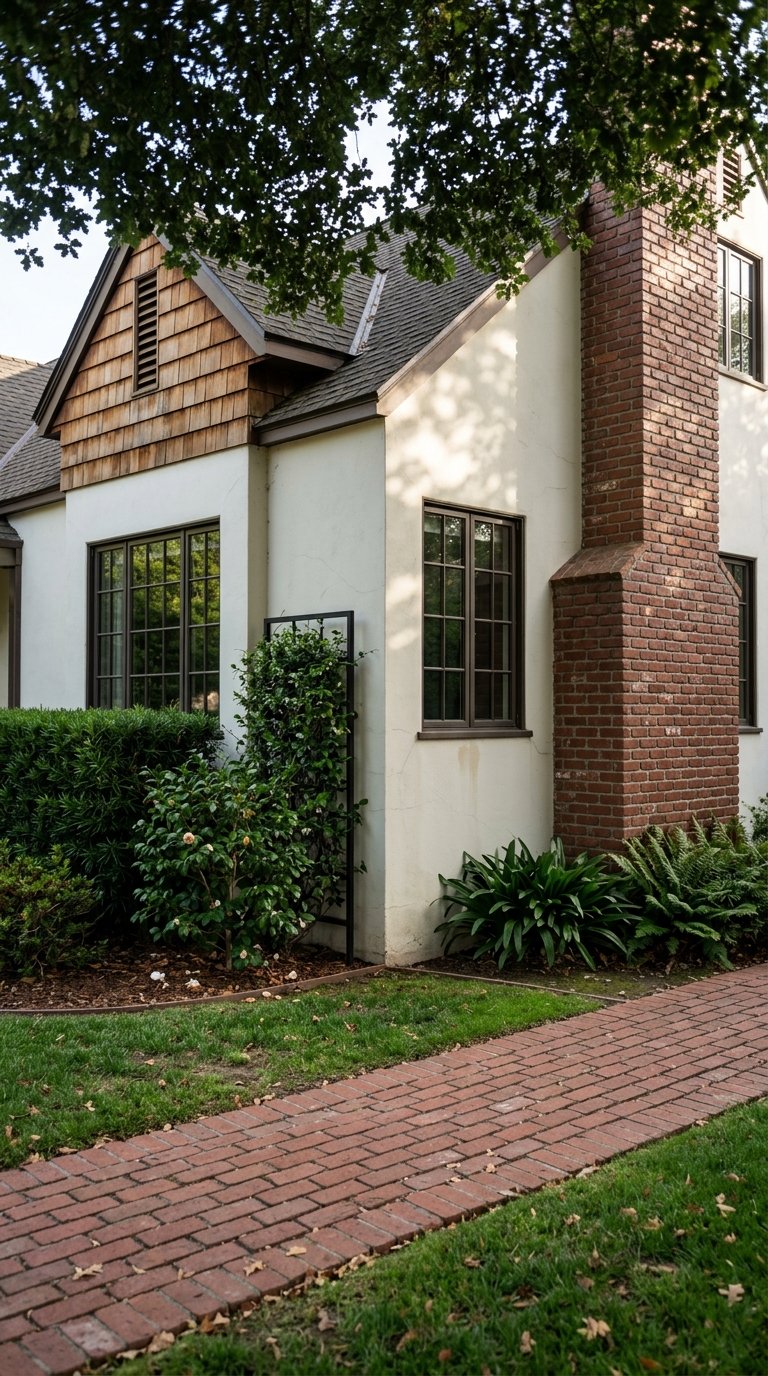
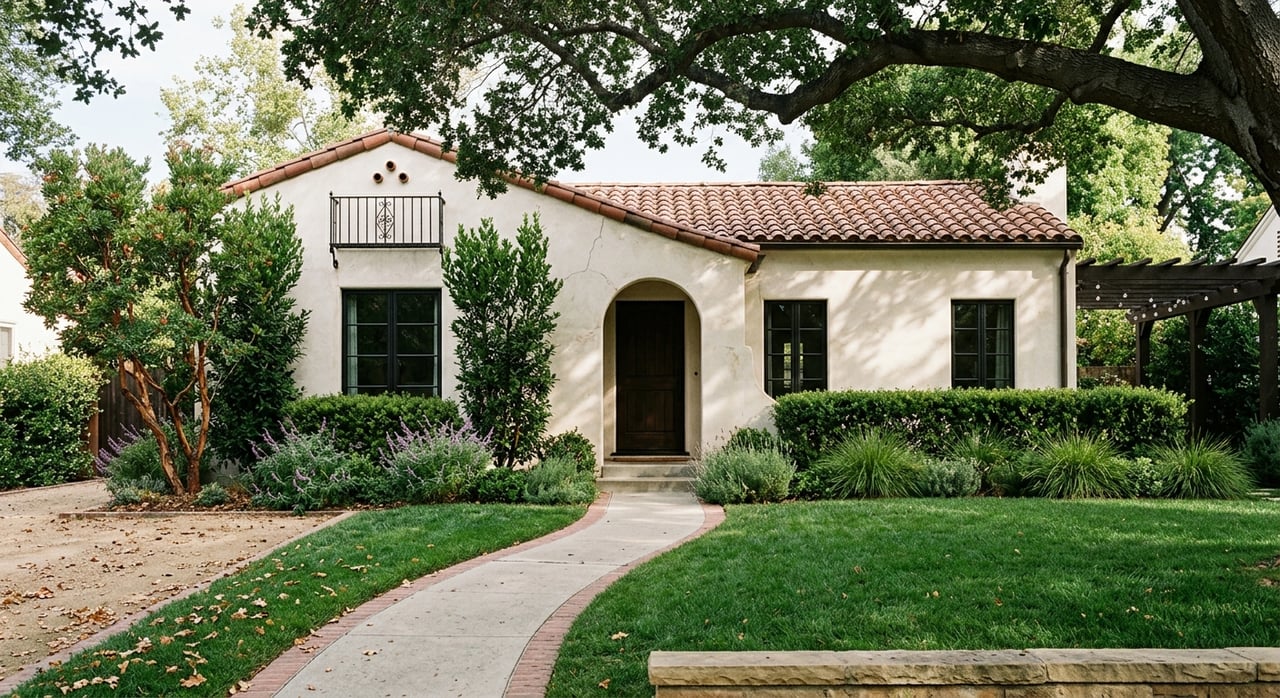
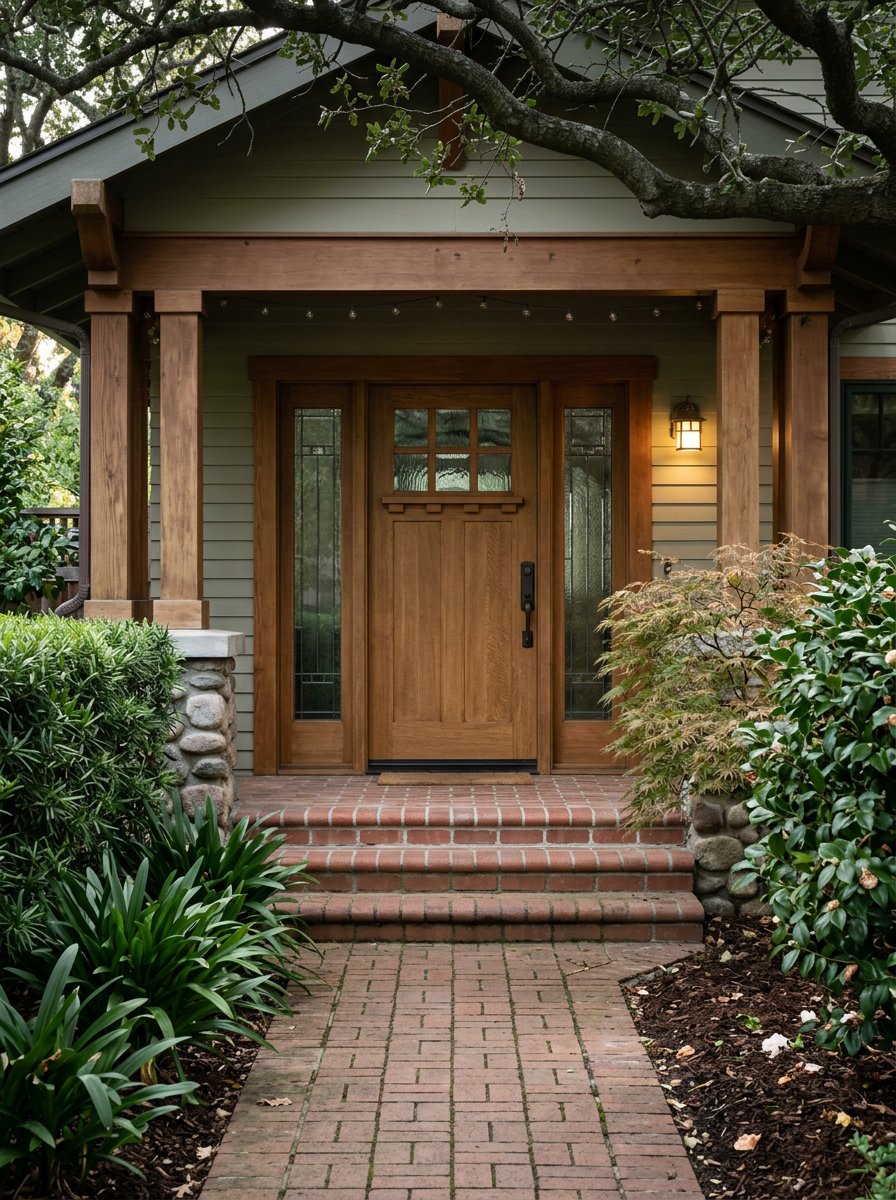
Long-held homes often have details worth preserving, from original millwork to mature gardens to architectural features that newer homes cannot easily replicate. At the same time, buyers need to see the structure, scale, and livability of the property without being overwhelmed by personal contents or deferred maintenance.
That balance is where a curator-led approach can make a difference. Thoughtful staging, careful editing, and high-quality photography can highlight character without making the home feel over-styled or stripped of personality.
Think Clean, Calm, and Intentional
You do not need to erase the home’s story. You only need to present it in a way that lets buyers understand the space quickly.
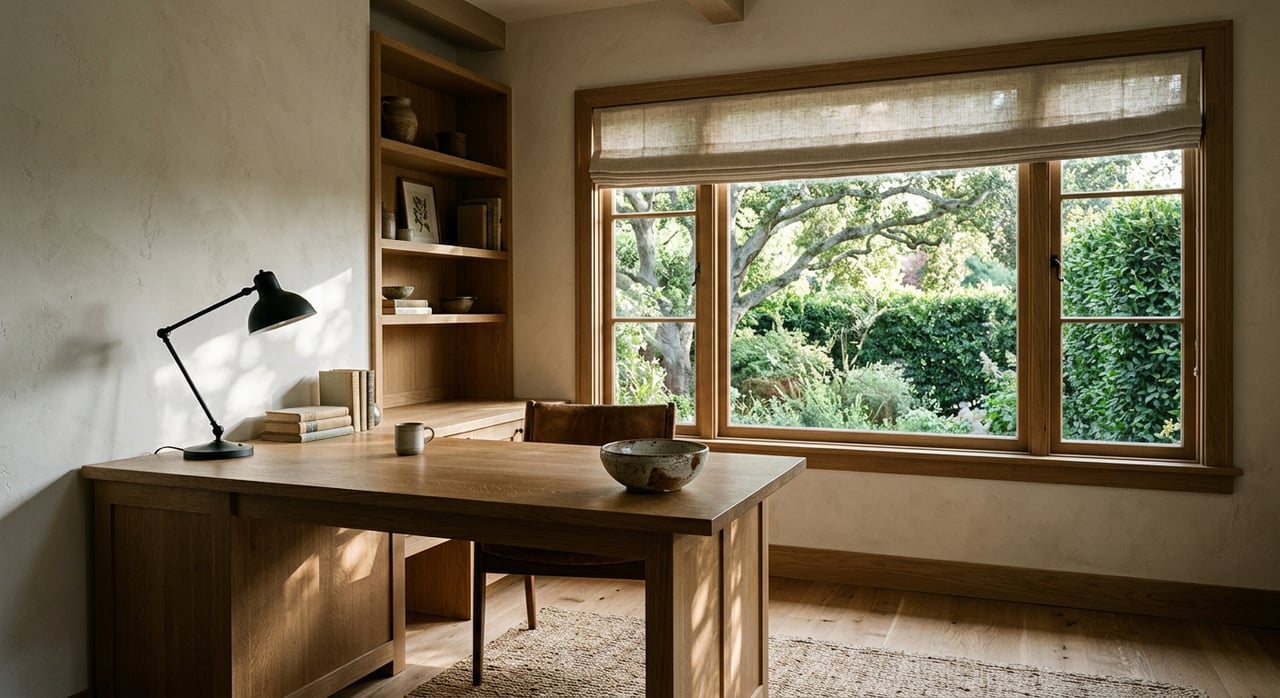
In practice, that usually means simplifying surfaces, removing excess furniture, improving light flow, and framing the home’s best architectural moments. For a property with provenance, restraint is often more effective than over-improvement.
Prepare for California Disclosures
California sellers have important disclosure responsibilities, and these should be treated as a central part of the sale, not a last-minute task. The Real Estate Transfer Disclosure Statement covers the property’s physical condition and potential hazards or defects.
California also requires a Natural Hazard Disclosure Statement for specified earthquake, seismic, flood, and fire-hazard conditions. In addition, the seller’s agent has a duty to conduct a visual inspection and disclose readily observable defects.
Be Clear, Early, and Accurate
If the home has known issues, it is better to address them directly and document them carefully. That could include older systems, drainage concerns, roof history, unpermitted changes, or long-standing wear.
Clear disclosures support smoother negotiations because buyers know more about the property before they are deep into the process. They also help reduce the chance of confusion after closing.
Plan the Sale Timeline in Stages
A long-held home often moves more smoothly when the process is broken into clear stages. Instead of trying to solve everything at once, work through the sale in a deliberate order.
A practical sequence looks like this:
- Confirm decision-makers and legal authority
- Gather deeds, trust or probate papers, and property records
- Review condition and identify essential prep items
- Complete cleaning, decluttering, and light repairs
- Finalize pricing based on current Monrovia comparables
- Prepare disclosures and hazard documentation
- Launch with strong photography, presentation, and marketing
- Review offers with both price and terms in mind
- Confirm closing paperwork, fees, and recording details
This structure helps keep emotion from taking over the timeline. It also gives everyone involved a shared roadmap.
Keep Closing Details on Your Radar
As the sale moves toward closing, recording-side fees and transfer tax details matter. Los Angeles County collects documentary transfer tax on qualifying real-property recordings, and the county notes that some cities have separate transfer-tax rules.
You do not need to master every technical detail yourself. You do need to confirm the expected recording paperwork, taxes, and fees with escrow or title before closing so there are no avoidable surprises.
Consider the Property-Tax Question Early
Some families pause before selling because they are deciding whether to keep the home or transfer it to a child. In California, that decision can carry important property-tax consequences.
The California Board of Equalization explains that under Proposition 19, the parent-child exclusion is limited to a family home or family farm, and a family home generally must become the transferee’s principal residence. It also notes that inheritance and trust-related transfers can be change-in-ownership events for property-tax purposes.
Do Not Assume the Old Tax Basis Transfers
This is an area where families often make assumptions based on older rules. If heirs are deciding whether to keep or sell the home, it is wise to address the ownership and tax implications early rather than after documents are signed.
Even when the emotional answer feels simple, the practical answer may not be.
Choose a Calm, Disciplined Process
Selling a long-held Monrovia home is rarely just a transaction. It is often a handoff of stewardship, memory, and responsibility.
The best outcomes usually come from a process that stays grounded in facts. That means clear authority, coordinated communication, measured preparation, accurate disclosures, and pricing that reflects today’s market rather than yesterday’s assumptions.
When the process is handled with care, you can honor the home’s history while still positioning it well for the next owner. If you are preparing for that transition and want discreet, design-minded guidance, Chelby Crawford offers a thoughtful, concierge-level approach shaped by presentation, local expertise, and steady execution.
FAQs
What is the first step in selling a long-held Monrovia home?
- The first step is confirming who has legal authority to act, especially if the home is being sold through a trust or estate.
What documents are helpful for a Monrovia trust or estate home sale?
- Helpful documents include the recorded deed, vesting information, trust or probate authority papers, a death certificate if applicable, and records of repairs or known property issues.
Should you renovate a long-held home before listing in Monrovia?
- In many cases, a light-prep strategy works better, with deep cleaning, decluttering, paint, minor repairs, yard refresh, and selective staging instead of a major remodel.
What disclosures are required when selling a home in California?
- California sellers typically need to complete the Real Estate Transfer Disclosure Statement and a Natural Hazard Disclosure Statement, along with disclosing known issues affecting the property.
How active is the Monrovia housing market right now?
- Public March 2026 market trackers described Monrovia as an active market, with seller’s market conditions reported alongside median days on market in the high 30s to mid 40s.
Why does pricing matter for a long-held Monrovia property?
- Pricing matters because buyers compare current condition, presentation, and recent comparable sales, even when a home has strong sentimental value or architectural character.